
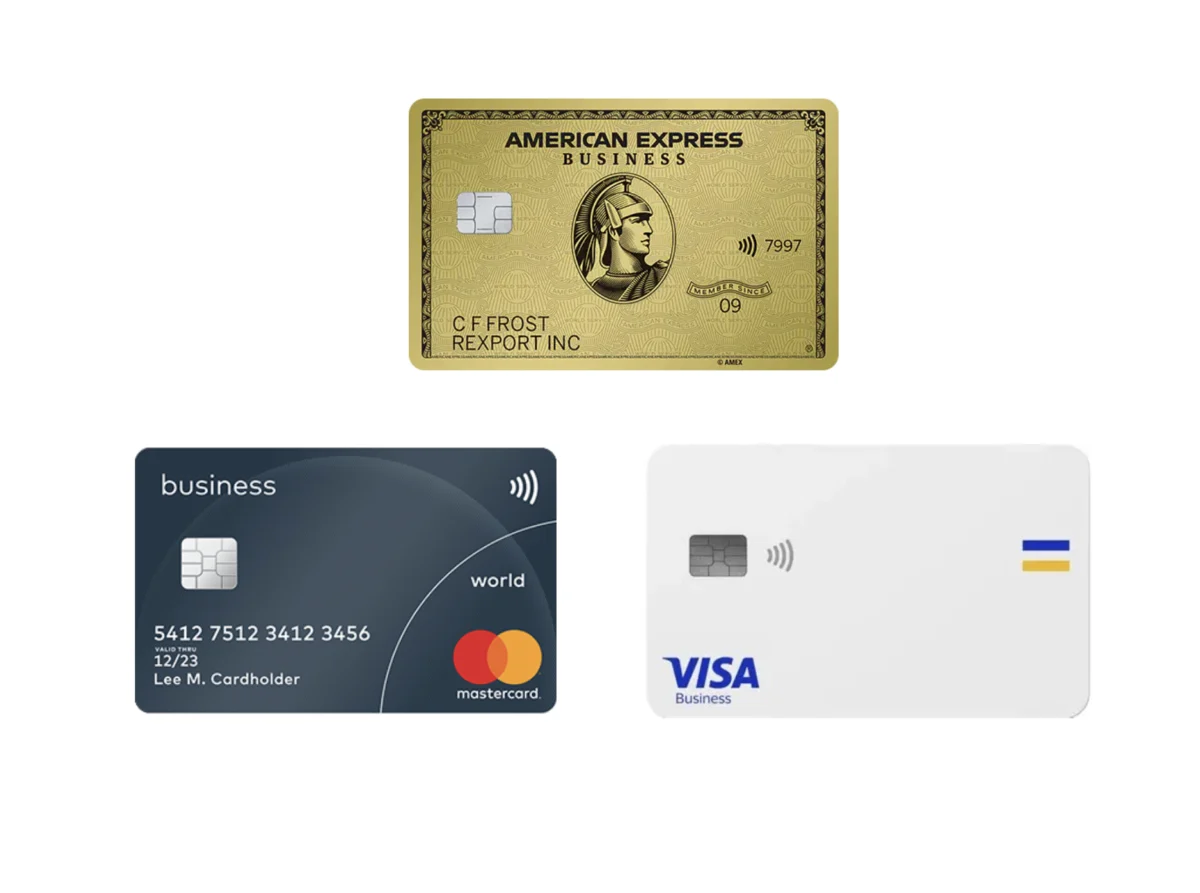

The global payments landscape is standing on the precipice of a fundamental shift as the concept of agentic commerce moves from theoretical research to the strategic core of the world’s largest financial networks. During the Bernstein 42nd Annual Strategic Decisions Conference, the chief executives of Visa, Mastercard, and American Express converged on a singular theme: the inevitable rise of artificial intelligence agents acting as autonomous economic actors. As these "agents"—software entities capable of making decisions and executing transactions on behalf of humans—proliferate, the traditional roles of credit card networks are being reimagined to provide the underlying security, trust, and verification layers necessary for a machine-to-machine economy.
The Trust Imperative in an Autonomous Economy
For Visa, the transition to agentic commerce is viewed not as a replacement of current systems but as a massive expansion of the existing digital ecosystem. Ryan McInerney, CEO of Visa, identified "trust" as the primary friction point and the ultimate deciding factor in which platforms will succeed in an agentic world. McInerney posited that consumers will be hesitant to delegate financial authority to AI agents unless those agents are backed by the same protections that have governed electronic commerce for decades.
Visa’s strategy centers on the "credential"—the digital representation of a user’s purchasing power. With over five billion credentials currently active and hundreds of millions of merchants integrated into the Visa network, the firm argues that its infrastructure is "purpose-built" for the agentic shift. In an environment where an agent may be tasked with purchasing household goods or booking travel without real-time human intervention, the consumer’s primary concern shifts to dispute resolution and fraud protection. McInerney noted that the well-established rules of the Visa network, including the ability to return items, secure refunds, and maintain zero-liability fraud protection, provide a necessary safety net that new, non-traditional payment entrants may struggle to replicate.
The scale of this ecosystem is significant. Visa currently processes over 200 billion transactions annually across its global network. By positioning its "digital Visa tokens" as the preferred currency for AI agents, the company aims to ensure that every autonomous transaction remains tethered to a regulated, secure financial identity.
Mastercard and the Implementation of the Trust Layer
Mastercard’s approach to the rise of AI agents is characterized by the formalization of a "trust layer" through its new "Agent Pay" initiative. Michael Miebach, CEO of Mastercard, detailed the complexities introduced by adding a third party—the agent—into the traditional buyer-seller relationship. Mastercard’s vision follows a specific evolutionary path: moving from agent-assisted commerce, where AI provides recommendations and simplifies the checkout process, to fully autonomous commerce, where the AI completes the entire transaction cycle independently.
The "Agent Pay" framework is designed to establish a verifiable chain of command. It addresses critical questions: Is the agent authorized by the account holder? Does the agent have specific spending limits? What is the path to dispute if the autonomous agent makes an error? By enabling issuers and merchants globally to recognize and authorize these agents, Mastercard is attempting to standardize the "handshake" between an AI entity and a merchant’s point of sale.
A cornerstone of this strategy is tokenization. Miebach emphasized that in an agentic world, every transaction will be tokenized. Tokenization replaces sensitive cardholder data with a unique digital identifier, ensuring that if an agent’s data is intercepted, it is useless to a bad actor. Currently, approximately 50% of Mastercard’s online transactions are tokenized. The company views the remaining 50% as a massive growth opportunity as agentic commerce mandates 100% tokenization for secure autonomous operations.
American Express and the Power of Intent Data
American Express (AmEx) brings a unique perspective to the agentic commerce discussion due to its "closed-loop" network model. Unlike Visa and Mastercard, which primarily act as the network between banks, AmEx often acts as both the card issuer and the merchant acquirer. CEO Stephen Squeri argued that this structure provides a data advantage that is particularly potent when combined with generative AI and machine learning.
Squeri highlighted a paradigm shift in data collection: the transition from recording "transactions" to capturing "intent." In traditional e-commerce, a payment network only sees the final result of a purchase. However, in an agentic world, the instructions given by a human to an agent (e.g., "Buy the most durable hiking boots under $200") represent the user’s intent. AmEx aims to use this intent data to enhance security and customer satisfaction. If an agent purchases an item that contradicts the user’s stated intent, the closed-loop network can identify the discrepancy in real-time, providing a level of fraud and error prevention that was previously impossible.
AmEx has been utilizing machine learning for credit and fraud decisioning since 2010. Squeri asserted that the company’s fraud rates are lower than those of its competitors precisely because of the depth of data it possesses on both the cardholder and the merchant side. As agents begin to operate on behalf of cardmembers, AmEx intends to use this data to "have the back" of the consumer, ensuring that autonomous transactions align with historical spending patterns and stated preferences.
The Rise of CLI Commerce and Developer-Centric Buying
The Bernstein conference also touched upon the changing nature of the "Point of Sale" (POS). Ryan McInerney of Visa pointed to the emergence of developer tools, such as Claude Code, as a harbinger of a new commerce platform: the Command Line Interface (CLI). As more individuals gain the ability to build software and automate tasks using AI, the CLI becomes a venue for economic activity.
In this scenario, a developer (or a hobbyist using AI tools) might instruct an agent to build a website. The agent, in turn, needs to purchase server compute time, register a URL, and license stock imagery. This creates a sequence of agent-to-agent transactions. Visa is currently building the infrastructure to allow users to load credentials directly into these developer interfaces, allowing agents to interact with various service APIs to "buy" the components needed to complete a task. McInerney predicted that "every API is going to become a point of sale," fundamentally expanding the Total Addressable Market (TAM) for payment processors.
B2B Procurement: The First Frontier for Autonomous Transactions
While consumer-facing AI agents garner much of the public’s attention, the CEOs agreed that the Business-to-Business (B2B) sector is where agentic commerce will likely see its first major successes. The logic is rooted in the structured nature of corporate procurement.
Michael Miebach of Mastercard described a future where Chief Procurement Officers deploy fleets of agents to manage supply chains. These agents can autonomously negotiate prices, buy advertising space, and manage digital content subscriptions. Because B2B transactions often involve high volumes of recurring, rule-based purchases, they are perfectly suited for AI automation. This shift is expected to create a "whole new set of transactions" that did not exist previously, as agents optimize procurement cycles with a speed and frequency that human teams cannot match.
Chronology of Development and Market Outlook
The journey toward full agentic commerce is projected to be a long-term evolution rather than an overnight revolution. The current timeline, as outlined by industry leaders, suggests a multi-stage rollout:
- 2010–2023: The Foundational Era. Heavy investment in machine learning for fraud detection and the initial rollout of tokenization.
- 2024–2025: The Pilot Phase. The introduction of frameworks like Mastercard’s "Agent Pay" and the integration of payment credentials into AI developer tools.
- 2026–2030: Agent-Assisted Commerce. Widespread use of AI shopping assistants that find deals and pre-fill checkouts, but still require human "one-click" approval.
- 2030 and Beyond: Autonomous Commerce. The maturation of agent-to-agent transactions, particularly in B2B procurement and specialized consumer niches.
Despite the technical readiness of the networks, a significant hurdle remains: human psychology. Stephen Squeri of American Express noted that the industry is still "warming up in the bullpen," suggesting that it will take time for consumers to feel comfortable "turning their lives over to agents."
Conclusion: The Competitive Landscape
The entry of agentic commerce represents both a threat and an opportunity for the legacy "Big Three" payment providers. While they face potential competition from tech giants and fintech startups that might attempt to build independent payment rails for AI, the incumbents hold a massive advantage in the form of regulatory compliance, global merchant acceptance, and consumer trust.
The consensus from the Bernstein 42nd Annual Strategic Decisions Conference is clear: the future of payments is not just about moving money between people and businesses, but about facilitating a complex web of autonomous decisions. By focusing on tokenization, intent data, and the "trust layer," Visa, Mastercard, and American Express are positioning themselves to remain the indispensable backbone of a machine-led economy. The success of this transition will depend on their ability to convince both buyers and sellers that an AI agent with a digital card is just as reliable as a human with a physical one.
