

The smart home landscape is undergoing a significant transformation, marked by evolving standards, emerging technologies, and the relentless pursuit of more efficient and secure data processing. This week’s discussions delve into the complex challenges facing the Matter smart home standard, the alarming implications of potential cyber threats to critical infrastructure, and the burgeoning field of TinyML, particularly as championed by industry giant Honeywell.
The Fraught Journey of the Matter Smart Home Standard
The promise of a unified, interoperable smart home experience, once heralded by the Matter standard, is currently encountering considerable headwinds. Recent analyses, including those highlighted by The Verge and Stacey on IoT, reveal persistent issues that are hindering widespread adoption and user satisfaction. The core of these challenges lies in the intricate and often problematic Thread credentialing process. For devices to seamlessly communicate within a Thread network, they require a secure credentialing mechanism. However, reports indicate a significant degree of uneven device support and complexities in the setup process, leading to user frustration and a fractured ecosystem.
This lack of universal compatibility stems from various factors. Manufacturers are grappling with the technical nuances of integrating Matter and Thread into their existing product lines, leading to inconsistencies in performance and setup. The initial rollout has been characterized by a piecemeal approach, with some devices working flawlessly while others struggle to connect or maintain stable connections. This inconsistency directly impacts the user experience, undermining the very premise of a simplified, unified smart home.
The implications of these teething problems are substantial. For consumers, it translates to a potentially confusing and costly investment in smart home technology, where devices may not function as advertised or may require extensive troubleshooting. For the industry, it risks eroding trust in new smart home standards and slowing the pace of innovation. The success of Matter hinges on its ability to deliver a truly seamless and accessible experience, a goal that remains elusive as vendors navigate the complexities of implementation.
Cybersecurity Concerns: Radiation Sensors and the Specter of Chernobyl
Beyond the realm of consumer electronics, the discussion pivots to more serious cybersecurity threats, including a disturbing report from Kim Zetter concerning the potential hacking of radiation sensors in Chernobyl. This scenario underscores the vulnerability of critical infrastructure to sophisticated cyberattacks. The Chernobyl Exclusion Zone, a site of immense historical and environmental significance, relies on a network of sensors to monitor radiation levels. The prospect of these sensors being compromised raises grave concerns about data integrity, public safety, and the potential for malicious actors to manipulate critical environmental data.
The implications of such a breach are far-reaching. Tampered radiation data could mislead authorities about environmental conditions, potentially leading to inadequate safety measures or even the concealment of dangerous radioactive releases. The very act of hacking these sensors could be a prelude to more damaging attacks, exploiting the inherent interconnectedness of modern technological systems. This incident, while speculative, serves as a stark reminder of the urgent need for robust cybersecurity protocols across all sectors, especially those dealing with hazardous materials or essential public services. The timeline of such potential attacks remains unknown, but the threat is real and demands continuous vigilance and investment in defensive measures.
The Shifting Semiconductor Landscape: RISC-V and IoT Acquisitions
The semiconductor industry is also a hotbed of strategic maneuvering and technological evolution. A significant development is the formation of a new RISC-V company, backed by industry heavyweights including Qualcomm, NXP Semiconductors, and Infineon Technologies. This collaboration signifies a growing commitment to the open-source RISC-V instruction set architecture, which offers a compelling alternative to proprietary architectures like ARM. The formation of this new entity is expected to accelerate the development and adoption of RISC-V-based processors, particularly in areas like artificial intelligence, automotive, and the Internet of Things (IoT).
The rationale behind this move is clear: RISC-V’s open nature fosters greater innovation, customization, and potentially lower costs. By pooling resources and expertise, these leading companies aim to establish RISC-V as a dominant force in the semiconductor market. The long-term implications include increased competition, a broader range of processor options for device manufacturers, and potentially more energy-efficient and specialized chips tailored for specific applications. This strategic alignment, unfolding over recent months and culminating in this announcement, signals a significant shift in the competitive dynamics of the semiconductor industry.
In parallel, the acquisition of an IoT module business by Renesas Electronics from a yet-to-be-fully-disclosed entity, as reported by Light Reading, further illustrates the ongoing consolidation and specialization within the IoT sector. Such acquisitions allow companies to expand their product portfolios, gain access to new markets, and strengthen their positions in the rapidly growing IoT ecosystem. The timeline for these deals can vary, but the trend of strategic M&A activity in the semiconductor and IoT space has been consistent over the past year, driven by the demand for advanced connectivity and processing solutions.
The Rise of Autonomous Drone Networks and Home Assistant’s Growing Appeal
Innovation is also taking flight in the drone industry. A California-based startup, Birdstop, has secured funding to expand its network of Beyond Visual Line of Sight (BVLOS) drones across America. This initiative aims to create an on-demand drone network, conceptually akin to a satellite network, designed to protect critical infrastructure. The vision is to deploy a distributed fleet of drones capable of rapid response and continuous monitoring of vast areas.

The potential applications are numerous, ranging from pipeline inspection and power line monitoring to emergency response and environmental surveillance. The BVLOS capability is crucial, enabling drones to operate over extended distances without direct human piloting, thus unlocking their full potential for large-scale deployments. The implications of such a network include enhanced efficiency, reduced operational costs for infrastructure monitoring, and improved response times in critical situations. The timeline for the full realization of this network is likely to be phased, with initial deployments focusing on specific high-priority regions.
On the home front, the transition to smart energy management is becoming increasingly relevant, and platforms like Home Assistant are gaining traction. Kevin’s personal experience and the audience’s reactions to his switch to Home Assistant, as documented on Stacey on IoT, highlight the growing appeal of open-source, user-centric smart home control. Home Assistant offers a high degree of customization and local control, which is particularly attractive for users seeking to manage their energy consumption effectively and integrate various smart devices.
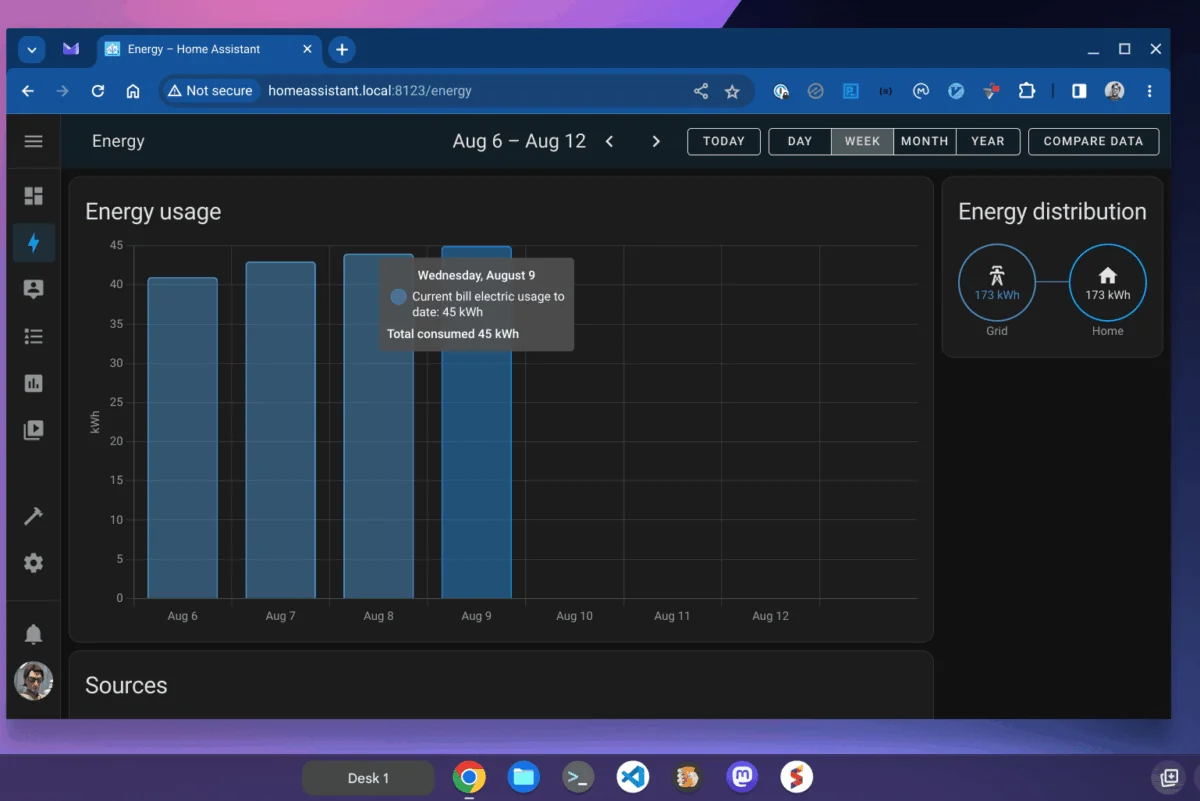
The advice provided to help users prepare their homes for smart energy management programs is timely. This includes steps such as understanding energy usage patterns, identifying opportunities for optimization, and ensuring compatibility with emerging smart grid technologies. The integration of Home Assistant with energy monitoring tools, as visually represented in accompanying imagery, demonstrates the practical benefits of such platforms in enabling users to take proactive control of their energy consumption. The timeline for widespread adoption of smart energy management programs is evolving, but preparing one’s home infrastructure is a prudent step for consumers looking to benefit from these initiatives.
Honeywell’s Vision for TinyML: Pushing Intelligence to the Sensor Edge
This week’s featured guest, Muthu Sabarethinam, VP of AI/ML Product and Services at Honeywell, offers a deep dive into the transformative potential of TinyML. Honeywell, a company with a vast installed base of over a million sensors in the field, is strategically positioned to leverage TinyML to enhance its equipment and services. The core of their approach involves utilizing data generated by existing equipment to build new service offerings. However, the true innovation lies in deploying TinyML directly onto sensors.
Sabarethinam elucidates the compelling reasons behind this edge computing strategy. Running algorithms directly on a sensor offers significant advantages in terms of security, power efficiency, and latency. By processing data locally, sensitive information can be analyzed without needing to transmit it to the cloud, thereby reducing the attack surface and enhancing data privacy. Furthermore, edge processing can dramatically reduce power consumption, especially critical for battery-operated sensors, and minimize latency by enabling real-time decision-making at the source.
The practical implications of this approach are immense for Honeywell. Imagine industrial machinery equipped with sensors that can not only detect anomalies but also diagnose potential failures in real-time, alerting maintenance crews before an issue escalates. This proactive approach can lead to significant cost savings through reduced downtime and optimized maintenance schedules. The timeline for widespread deployment is likely to be staggered, with initial applications focusing on high-value industrial and commercial sectors where the benefits of edge intelligence are most pronounced.
Sabarethinam also addresses the crucial aspect of algorithm packaging for scalable TinyML deployment. For a company supporting over a million sensors, standardizing how algorithms are developed, optimized, and deployed is paramount. This involves creating frameworks and tools that allow for efficient transfer of machine learning models onto resource-constrained sensor hardware. The goal is to democratize the deployment of TinyML, making it easier for developers to create and implement intelligent algorithms across a vast array of devices.
The discussion extends to business models and customer preferences for data access. As sensors become more intelligent, the way customers interact with and derive value from the data they generate will evolve. Honeywell is exploring business models that allow customers to access this enhanced data, whether through cloud-based analytics platforms, on-premise solutions, or integrated service offerings. The ability to unlock new insights and operational efficiencies from edge-processed data is a key driver for this innovation.
Addressing Listener Inquiries: Amazon Echo Show and Device Compatibility
Rounding out the week’s discussions is a listener question concerning the Amazon Echo Show and compatible devices. This query highlights the practical considerations consumers face when building out their smart home ecosystems. Understanding which devices seamlessly integrate with platforms like the Echo Show is crucial for a positive user experience. This involves exploring the range of smart plugs, lights, cameras, and other accessories that are designed to work with Amazon’s voice assistant and display technology. The compatibility landscape is constantly shifting, with new devices being added and updated regularly, making it essential for consumers to stay informed about the latest integrations.
The collective insights from these diverse topics – from the complexities of smart home standards and critical infrastructure security to the advancements in semiconductor technology and the strategic deployment of TinyML – paint a comprehensive picture of the current technological frontier. Honeywell’s focused investment in TinyML, in particular, signifies a forward-thinking approach to leveraging edge intelligence, promising to redefine efficiency, security, and functionality across a multitude of industries. The journey of technological innovation is rarely linear, marked by both triumphs and challenges, and this week’s discussions offer a valuable snapshot of that dynamic evolution.
