
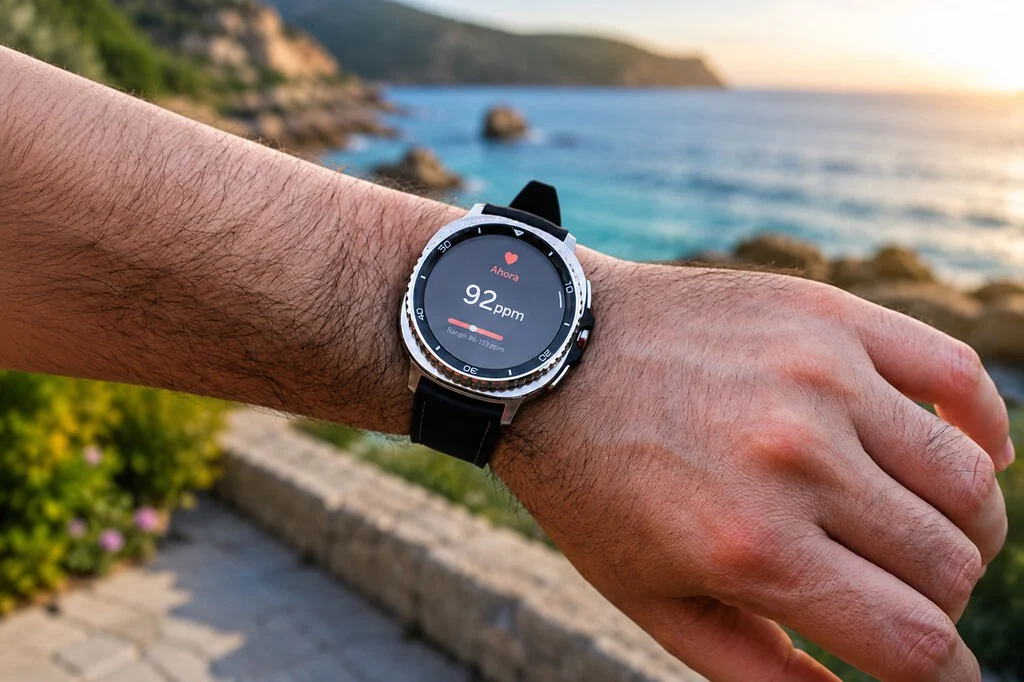

As the annual summer tech calendar approaches, anticipation builds for Samsung’s next Galaxy Unpacked event, with a flurry of leaks and regulatory filings painting an increasingly detailed picture of the company’s forthcoming smartwatch lineup. Industry insiders and specialized sources converge on July 22, 2026, as the probable date for this pivotal event, widely expected to take place in London. The spotlight will primarily be on the unveiling of the Galaxy Watch9 and the premium Galaxy Watch Ultra 2, marking a significant evolution in Samsung’s wearable strategy, including a rumored shift in its product segmentation and substantial technological advancements.
The Anticipated Launch Event: London, July 22, 2026
The consensus among tech media and supply chain analysts points to July 22, 2026, as the day Samsung will pull back the curtain on its new wearables. This date, widely reported by outlets like TechTimes, aligns with Samsung’s historical summer launch windows for its foldables and smartwatches. While an official confirmation from Samsung is still pending, the company typically hosts its major Unpacked events in global cities, making London a fitting choice for a product launch with international implications. These events are crucial for Samsung, serving not only as platforms to showcase new hardware but also to articulate its vision for the broader Galaxy ecosystem, often featuring advancements in software like One UI Watch and the Wear OS platform developed in partnership with Google. The timing allows Samsung to capture consumer interest ahead of the critical back-to-school and holiday shopping seasons, positioning its latest devices against competitors.
A Strategic Shift in Product Lineup: The Absence of the Classic Model
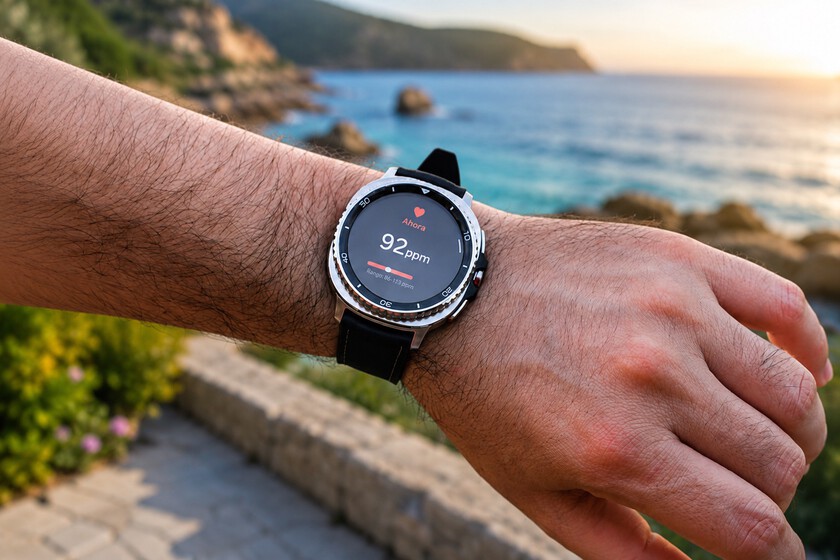
Perhaps the most discussed aspect of the upcoming launch is the potential discontinuation of the "Classic" variant within the Galaxy Watch series. For several generations, Samsung has offered a "Classic" model, distinguished by its physical rotating bezel and more traditional watch aesthetic, appealing to users who prefer a tactile interface and timeless design. However, recent regulatory filings from the U.S. Federal Communications Commission (FCC) and China’s Ministry of Industry and Information Technology (CMIIT) — crucial steps for product certification before mass production and market release — show no model numbers associated with a Galaxy Watch9 Classic. This contrasts sharply with the explicit appearance of the standard Galaxy Watch9 and the Galaxy Watch Ultra 2 in these databases, which have already completed their necessary certifications.
This absence represents a significant pivot from Samsung’s prior strategy. In 2025, the company released three models, including a Classic variant, a pattern that seemed set to continue. Indeed, earlier reports from sources like SamMobile in late May 2026, citing internal Wear OS app code, initially suggested the development of a Galaxy Watch9 Classic. The subsequent June regulatory filings, however, appear to contradict these earlier indications, solidifying the hypothesis that the Classic model might not see a 2026 release.
Such a decision could signify a streamlining of Samsung’s smartwatch portfolio, potentially to reduce complexity in manufacturing and marketing, or to re-emphasize the "Ultra" designation as the sole premium, feature-rich offering. By focusing on the standard Watch9 and the robust Ultra 2, Samsung might be aiming to create clearer differentiation between its mainstream and high-end segments, allowing the Ultra series to fully embody the pinnacle of its wearable technology without an intermediate "Classic" option. This move could also reflect an analysis of consumer preferences, suggesting a stronger demand for either the sleeker, modern aesthetic of the standard model or the rugged, performance-oriented design of the Ultra.
Elevated Endurance: Substantial Battery Upgrades Across the Board
Battery life remains a critical concern for smartwatch users, and Samsung appears to be addressing this with significant capacity increases, particularly for its flagship Ultra model. Leaks reported by SamMobile indicate that the Galaxy Watch Ultra 2 will feature a nominal battery capacity of 784 mAh, which Samsung is expected to market as approximately 800 mAh. This marks an impressive increase of roughly 35% compared to the 590 mAh battery found in the current Galaxy Watch Ultra. When combined with the anticipated efficiency gains from a new, advanced processor—likely a next-generation Exynos W series chip or a specialized Snapdragon Wear Elite platform—this substantial battery boost could translate into a dramatically improved user experience, potentially extending usage well beyond two days of intensive activity. This would directly challenge competitors in the premium smartwatch segment, such as the Apple Watch Ultra, which also prioritizes multi-day battery life for active users.
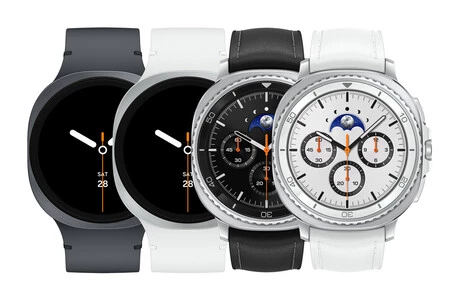
The standard Galaxy Watch9 models are also poised for battery enhancements, though with varying degrees. The 40mm variant is rumored to house a 382 mAh battery, representing a notable 23% increase over the 325 mAh battery in its 40mm Watch8 predecessor. This upgrade promises better daily endurance for users of the smaller form factor. However, the 44mm Galaxy Watch9 is expected to retain a nominal capacity of 435 mAh, virtually identical to the 44mm Watch8. For this larger standard model, any improvements in autonomy will primarily depend on the efficiency of the new chip and software optimizations rather than a physically larger cell. This strategic allocation of battery improvements suggests Samsung is targeting specific user needs, ensuring the Ultra 2 can handle extreme demands and the smaller Watch9 offers a more robust daily experience, while relying on core platform efficiency for the larger standard model.
Redefining Connectivity: The Advent of 5G RedCap for Wearables
One of the most groundbreaking rumored features for the Galaxy Watch Ultra 2 is the integration of 5G connectivity, a first for any Samsung Galaxy Watch. Reports from Sammy Fans, citing regulatory certifications in India and China, suggest Samsung is preparing distinct connectivity variants for different markets, including a dedicated 5G version alongside the more common 4G/LTE options.
Crucially, this won’t be the full-fledged 5G found in smartphones. Instead, the Ultra 2 is expected to utilize 5G RedCap (Reduced Capability). RedCap is a streamlined 5G standard specifically designed for IoT devices and wearables, prioritizing low power consumption and low latency over peak data speeds. This is a critical distinction, as conventional 5G modems would be overly power-hungry for a device the size of a smartwatch. 5G RedCap allows the Watch Ultra 2 to function more independently from a paired smartphone, enabling functionalities like streaming music, making calls, or receiving notifications directly without significantly penalizing battery life, thereby enhancing the smartwatch’s utility as a standalone device for fitness enthusiasts and professionals alike.
Adding another layer of strategic depth, GalaxyClub reports that Samsung may also introduce a Bluetooth and Wi-Fi-only variant of the Galaxy Watch Ultra 2, particularly for the European market. This would deviate from the first-generation Watch Ultra, which was exclusively launched with LTE connectivity. The introduction of a non-cellular Ultra 2 could significantly broaden its appeal, making the premium features of the Ultra line more accessible to a wider user base who might not require or wish to pay for cellular connectivity on their wrist, or who find the existing price point prohibitive. This move could position the Ultra 2 as a more direct competitor to high-end fitness watches and other premium wearables that offer advanced features without a cellular modem, effectively opening the Ultra 2 to a demographic that might typically opt for a standard Galaxy Watch9 due to cost considerations.
Design Philosophy: Continuity with Performance-Oriented Enhancements
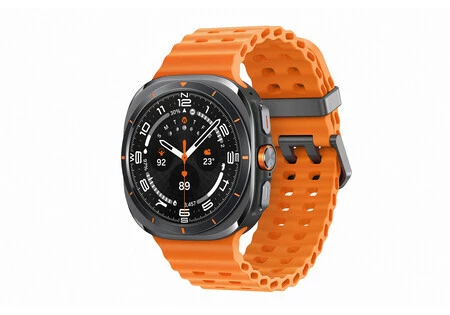
For those expecting a radical aesthetic overhaul, current leaks suggest a more evolutionary approach to design. According to PhoneArena, the Galaxy Watch Ultra 2 is anticipated to largely retain the robust design language of its predecessor. This includes the use of a durable 47mm titanium case, known for its strength and lightweight properties, paired with a sapphire crystal display for superior scratch resistance. The device is also expected to maintain its high durability certifications, specifically MIL-STD-810H for military-grade toughness and 10 ATM water resistance, making it suitable for demanding outdoor activities and water sports. These specifications underscore Samsung’s commitment to positioning the Ultra series as a rugged and reliable companion for adventurers and athletes.
While the overall form factor may remain familiar, there are whispers of performance-driven enhancements to the display. The screen’s peak brightness could see a significant uplift, potentially reaching close to 4,000 nits, up from the current model’s impressive 3,000 nits. Such an increase would dramatically improve outdoor visibility, making the display even more legible under direct sunlight, a crucial feature for activities like hiking, cycling, or running where screen clarity in bright conditions is paramount.
A point of ongoing discussion among the user community, however, revolves around the proprietary strap system of the Ultra series. This design limits customization options compared to watches that utilize standard strap attachments. As of now, there are no leaks indicating that Samsung plans to address this in the upcoming generation, suggesting that users will continue to rely on Samsung’s official strap accessories or third-party options specifically designed for the proprietary connector.
Frontiers in Health Monitoring: Enhanced AI and the Glucose Quest
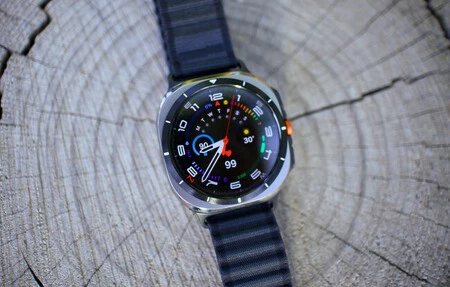
Health and fitness tracking have become cornerstone features of smartwatches, and Samsung is expected to push these boundaries further with the new generation. Rumors point to an expansion of Galaxy AI functionalities, building upon the foundations laid with the Galaxy Watch8. Samsung has been actively developing early warning systems based on heart rate behavior and other biometric metrics, such as the prediction of fainting spells reported by Xataka Móvil. This generation is expected to see these AI-driven health insights become more sophisticated and comprehensive, offering users proactive alerts and deeper understanding of their physiological state. This aligns with a broader industry trend towards preventative health and personalized wellness delivered through wearables.
The most ambitious and long-standing health rumor, however, centers on the possible integration of non-invasive glucose monitoring. This is not a new speculation; Hon Pak, Samsung’s Vice President and Head of the Digital Health division, has publicly discussed the company’s efforts to develop a "continuous, non-invasive, optical-technology-based glucose monitor" for over a year. While he has consistently refrained from specifying a launch date or product, the immense potential of such a feature for individuals with diabetes, or those looking to manage their metabolic health, makes it a highly anticipated development.
Several specialized sources this year have positioned the Galaxy Watch Ultra 2 as the most likely candidate for debuting this technology, if it is indeed ready for commercial deployment. It is crucial to underscore that this remains a strong possibility rather than a confirmed feature. Non-invasive glucose monitoring presents significant technological hurdles, requiring highly accurate and reliable sensor technology that can withstand real-world conditions and gain regulatory approval from health authorities worldwide. If Samsung succeeds in bringing this to market, it would represent a monumental leap in wearable health technology, potentially revolutionizing diabetes management and opening up new avenues for personalized health insights for the general public.
Market Positioning and Pricing Strategy
As with many pre-launch leaks, concrete pricing figures for the Galaxy Watch9 and Galaxy Watch Ultra 2 remain elusive. To provide context, the Galaxy Watch8 launched in Spain starting at 379 Euros for the 40mm Bluetooth variant (429 Euros with LTE), while the current Galaxy Watch Ultra carries a price tag of 699 Euros.
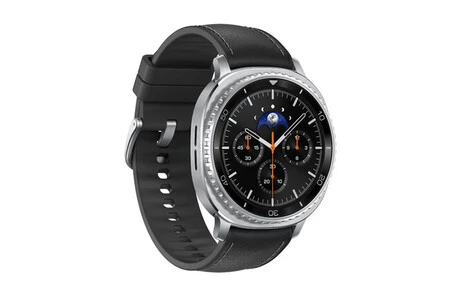
The broader market trend in consumer electronics has seen price increases across various product categories, including recent Samsung devices. Therefore, it would not be surprising if the next generation of Galaxy Watches also sees a slight increase compared to their predecessors. This potential adjustment could be attributed to advanced technologies, increased material costs, or strategic positioning. The rumored introduction of a Bluetooth-only variant for the Galaxy Watch Ultra 2 could, however, offer a more affordable entry point into the premium Ultra line, potentially mitigating the impact of an overall price hike for some consumers. This strategy would allow Samsung to cater to both the highest-end users demanding cellular independence and those seeking advanced features without the added cost of a cellular modem.
The pricing strategy will be critical for Samsung, especially in a competitive landscape that includes Apple’s dominant Apple Watch series, Google’s growing Pixel Watch line, and various fitness-focused wearables. Balancing innovation with competitive pricing will determine how effectively the new Galaxy Watches capture market share and solidify Samsung’s position as a leader in the global smartwatch industry.
In conclusion, the forthcoming Galaxy Unpacked event in July 2026 promises to be a landmark occasion for Samsung’s wearable division. With significant battery upgrades, the groundbreaking introduction of 5G RedCap connectivity, and the tantalizing prospect of non-invasive glucose monitoring, the Galaxy Watch9 and Galaxy Watch Ultra 2 are poised to deliver substantial advancements. The strategic decision to potentially discontinue the Classic model underscores a refined focus on a streamlined, yet powerful, product portfolio. These developments collectively indicate Samsung’s ambition to push the boundaries of what smartwatches can offer, further integrating them into users’ daily lives as indispensable tools for communication, fitness, and health management.
