
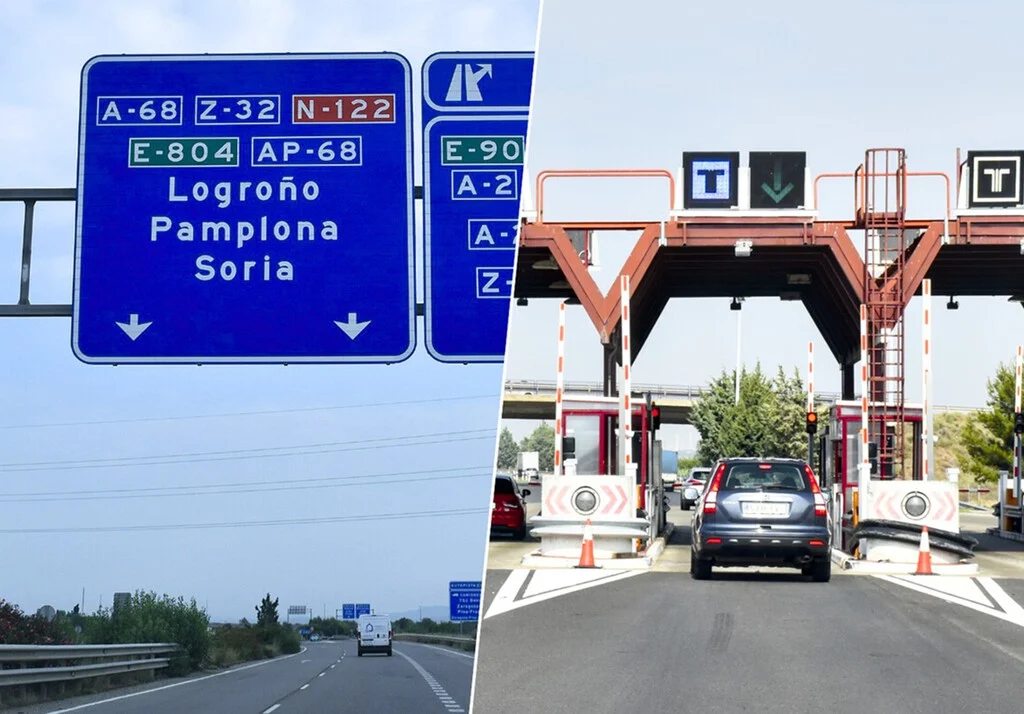

Spain finds itself at a critical juncture regarding its national road network, grappling with the dual challenge of fulfilling European Union mandates on infrastructure funding while simultaneously responding to domestic political pressures to eliminate existing toll charges. This intricate balance is exemplified by recent developments concerning the AP-68 motorway, a vital artery connecting the Basque Country, Navarre, and Aragon, where the implementation of a modern ‘free flow’ tolling system is set to transform the user experience alongside significant tariff reductions in certain sections. These changes unfold against a backdrop of expiring concession contracts, the absorption of "shadow toll" roads into public maintenance, and an ongoing dialogue with the European Commission regarding future financing models for Spain’s extensive road infrastructure.
Spain’s Evolving Toll Road Landscape: A National and European Tug-of-War
For several years, Spain has pursued a policy aimed at phasing out direct toll payments on its national motorways, particularly as long-standing concession agreements reach their natural conclusion. This strategy has seen several key arteries revert to free usage, a move widely welcomed by motorists and the transport industry. The Spanish government has repeatedly communicated a message of reassurance to its citizens, asserting that no new tolls would be introduced and that prices on existing tolled roads would not increase. This commitment reflects a popular sentiment against direct road user charges, which are often perceived as an additional burden on households and businesses.
However, this national policy stands in stark contrast to the expectations and recommendations of the European Union. Brussels has consistently advocated for the implementation of road user charges across member states, aligning with the "polluter pays" principle and ensuring sustainable funding for the maintenance and development of critical infrastructure. The European Commission has reportedly issued an ultimatum, pushing Spain to introduce some form of road charging by 2025, suggesting that the current model is unsustainable and potentially inequitable. This divergence creates a complex policy environment, forcing Spanish authorities to seek innovative solutions that can reconcile national preferences with European directives. The stakes are considerable, as failure to comply with EU recommendations could potentially jeopardize access to vital European funds for infrastructure projects.
Adding another layer of complexity is the expiration of numerous "shadow toll" (peajes en sombra) concession contracts. Unlike traditional tolls where users pay directly at booths, shadow tolls involve public-private partnerships where the government pays the concessionaire based on traffic volume. While seemingly "free" to the user, these roads are funded indirectly through taxpayer money. The impending expiration of these contracts means that by 2027, an additional 1,000 kilometers of roads previously managed under this model will revert to direct public maintenance. This transition represents a significant financial commitment for the public purse, as the costs associated with upkeep, repairs, and upgrades will now fall squarely on regional and national budgets, further straining resources and highlighting the need for robust, long-term funding strategies.
The AP-68: A Case Study in Transition
The Autopista Vasco-Aragonesa, or AP-68, stands as a prime example of this ongoing transformation within Spain’s road network. Historically, the AP-68 has served as a critical corridor, facilitating trade and transit between the industrial heartland of the Basque Country, the agricultural regions of Navarre and La Rioja, and the economic hub of Zaragoza in Aragon. Its strategic importance makes any changes to its operational model and pricing structure highly impactful for commuters, logistics companies, and regional economies.
Recent developments have seen parts of the AP-68 liberated from traditional toll barriers, a move that aligns with the broader national objective of reducing direct user charges. However, this liberation is not universal across its entire length, creating a fragmented landscape for drivers. Specifically, the Basque section of the AP-68, linking Bilbao with Zaragoza, is set to undergo a significant modernization and pricing adjustment rather than full liberation. This targeted approach reflects regional governance decisions and specific agreements between the central government and autonomous communities.
Dramatic Tariff Reductions for Basque Section Users
One of the most anticipated changes for users of the AP-68, particularly within its Basque stretch, is a substantial reduction in tariffs. Local media outlets, such as Diario de Álava, have reported that the Basque section will continue to levy a charge, but with significantly more economical rates expected to come into effect from November. This decision by the regional authorities is a strategic one, aiming to mitigate the financial burden on residents and businesses while still generating some revenue for road maintenance.
Under the new proposed structure, light vehicles, including private cars, are projected to see a remarkable 70% reduction in their per-kilometer cost. This translates to a payment of approximately €0.06 per kilometer, a stark contrast to the previous rate of €0.22 per kilometer. This substantial discount is poised to make the AP-68 a far more attractive option for daily commuters and occasional travelers, potentially diverting traffic from parallel, often less safe, national roads. For heavy vehicles, such as lorries and commercial transport, the reduction is also significant, set at 50%. This measure is particularly crucial for the logistics sector, which relies heavily on efficient and cost-effective road networks. Lower transport costs can translate into reduced operational expenses for businesses, potentially benefiting consumers through stable or lower prices for goods.
The rationale behind these drastic reductions extends beyond mere public appeasement. By making the tolled motorway more affordable, authorities aim to optimize traffic flow, reduce congestion on alternative routes, enhance road safety by encouraging the use of higher-standard infrastructure, and potentially stimulate regional economic activity by lowering transportation overheads. This model attempts to strike a balance between user convenience, economic viability, and the imperative of funding infrastructure maintenance.
While the Basque Country has moved decisively on its section of the AP-68, the situation in neighboring Navarre remains less defined. Reports from regional media, such as La Rioja, indicate that specific pricing structures for the Navarre segment of the AP-68 have yet to be finalized or publicly announced. This regional disparity in policy and pricing could lead to varying costs for drivers traversing the entire length of the motorway, necessitating careful planning and awareness from users. The differing approaches highlight the complex interplay of national, regional, and local interests in Spain’s decentralized governance structure.
Embracing ‘Free Flow’ Technology for Enhanced Efficiency
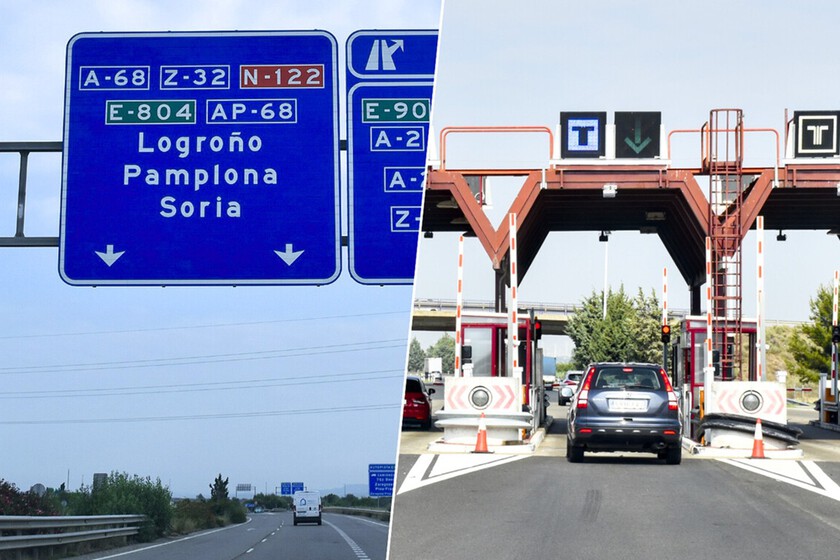
Perhaps the most significant technological innovation accompanying these changes on the AP-68 in Álava is the implementation of the ‘free flow’ tolling system. This advanced method represents a paradigm shift from traditional toll booths, which often cause congestion and delays. Álava is poised to become the second region in Spain to adopt this system, following its successful deployment on a section of the A-636 connecting Beasain with Bergara since 2022.
The ‘free flow’ system fundamentally redesigns how tolls are collected. It eliminates the physical barriers, manual payment booths, and the need for vehicles to slow down or stop. Instead, it utilizes overhead gantries equipped with sophisticated cameras and sensors that automatically read the license plates of passing vehicles. This technology allows for seamless, uninterrupted transit, drastically reducing travel times and improving traffic fluidity. The system then calculates the appropriate charge based on the vehicle type and distance traveled.
This automated process offers numerous benefits beyond just speed. It contributes to environmental sustainability by reducing vehicle idling, thereby cutting down on emissions. It also enhances safety by removing the need for sudden braking and acceleration associated with traditional toll plazas. From an operational perspective, ‘free flow’ systems are more efficient, requiring less physical infrastructure and personnel. The data collected can also provide valuable insights into traffic patterns, aiding in future urban planning and infrastructure development.
The adoption of ‘free flow’ technology on the AP-68 positions Spain at the forefront of modern tolling solutions, aligning it with other European nations like Portugal, which has extensively implemented similar automated systems. This technological shift is indicative of a broader trend towards digitizing and streamlining public services and infrastructure management.
Navigating the New System: Registration and Penalties
While the ‘free flow’ system promises convenience and efficiency, it also introduces new responsibilities for motorists. The primary requirement for users of these automated tolls is proactive registration. Drivers must pre-register their vehicle’s license plate and link it to a valid payment method, typically a bank account or a dedicated electronic toll device (telepeaje). This registration process ensures that charges can be automatically deducted as the vehicle passes under the gantries.
The absence of physical barriers means there is no immediate point of payment, making pre-registration critical to avoid penalties. Although the specific fine for non-compliance on the AP-68 in Álava has not yet been officially announced, precedents from the A-636 offer a clear indication of the potential consequences. On the A-636 in Gipuzkoa, failure to register and pay results in a significant penalty of €150, as stipulated by the Consolidated Text of the Foral Standard on Roads and Paths of Gipuzkoa. This substantial fine underscores the importance of public awareness and driver education campaigns to ensure a smooth transition to the new system.
To facilitate adaptation, the ‘free flow’ system on the AP-68 is expected to coexist with traditional toll barriers during an initial implementation phase. This transitional period will provide motorists with a crucial window to familiarize themselves with the new payment mechanism, register their vehicles, and understand the implications of non-compliance. This phased approach aims to minimize disruption and reduce the likelihood of drivers incurring unexpected fines.
Strategic Implications and Future Outlook
The multifaceted changes on the AP-68 and the broader Spanish road network carry significant strategic implications. Firstly, Spain continues to navigate the delicate balance between satisfying EU mandates for sustainable infrastructure funding and responding to domestic political pressures against direct road charges. The ‘free flow’ system, coupled with reduced tariffs, could be seen as a compromise: maintaining a user-pays principle in a modern, efficient manner, while mitigating the financial impact on citizens. This hybrid approach might serve as a template for other regions facing similar challenges.
Secondly, the transition from "shadow tolls" to direct public maintenance by 2027 poses a substantial fiscal challenge. The absorption of 1,000 kilometers of road into public budgets necessitates robust and sustainable funding mechanisms. While the government has asserted it will not introduce new tolls, the long-term viability of this commitment, especially in the face of increasing maintenance costs and EU pressure, remains a subject of ongoing debate among economists and policy makers. Innovative financing solutions, potentially involving a mix of general taxation, specific environmental levies, or further integration of advanced tolling systems, will likely need to be explored.
Economically, the reduced tariffs on the AP-68, particularly for heavy vehicles, are expected to provide a welcome boost to regional commerce and logistics. Lower transport costs can enhance the competitiveness of businesses located along the corridor and improve supply chain efficiency. Environmentally, the ‘free flow’ system’s ability to reduce congestion and vehicle idling contributes to a decrease in greenhouse gas emissions and improved air quality, aligning with broader climate action goals.
Crucially, the success of the ‘free flow’ implementation hinges on a comprehensive and effective public education campaign. Drivers accustomed to traditional toll booths will need clear, concise information on how to register, how the system operates, and the penalties for non-compliance. Regional authorities, in collaboration with national transport agencies, will be responsible for disseminating this information widely through various channels to ensure a high level of compliance and prevent widespread confusion or frustration.
The Path Ahead for Spanish Infrastructure
The developments surrounding the AP-68 and Spain’s wider toll road policy underscore a nation in transition, adapting its infrastructure to meet 21st-century demands. The move towards ‘free flow’ technology is a clear step towards modernizing the road network, enhancing efficiency, and improving the user experience. However, the fundamental challenge of sustainably funding this critical infrastructure in a manner that is both economically viable and politically palatable remains. As Europe continues to push for a more harmonized and user-pays approach to road financing, Spain’s innovative regional solutions, like those seen on the AP-68, will be closely watched as potential models for the future of its national transportation landscape. The coming years will reveal how effectively Spain can balance its national aspirations with its European commitments, shaping the future of mobility for millions.
