

The integration of Bizum as a native payment method within the Wallapop platform marks a significant evolution in the company’s financial strategy. By allowing users to finalize purchases using only their phone number—bypassing the need for traditional credit or debit card data entry—the marketplace is positioning itself to capture a broader demographic of digital consumers who prioritize speed and security. This update applies to both in-person transactions and remote shipping, effectively standardizing the user experience across the platform’s diverse trade scenarios.
The Mechanism of Secure Integration
For the millions of users who utilize Wallapop, the distinction between a "native" platform payment and an external transaction is critical. Historically, users were often tempted to conduct Bizum payments directly through the platform’s chat interface. This practice, while convenient, carried inherent risks, as it removed the transaction from the protective umbrella of Wallapop’s dispute resolution system.
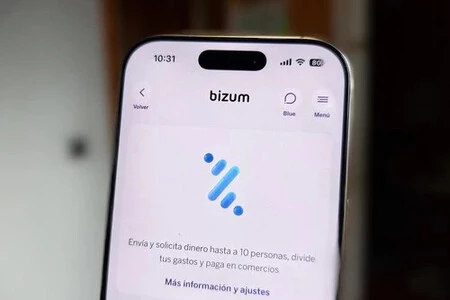
The new, integrated system changes this by embedding the Bizum interface directly into the checkout flow. When a buyer selects the "Buy" button on an item listing and chooses Bizum as their preferred payment method, the platform initiates a secure gateway. The user provides their phone number, and the authorization process is completed through their respective banking application. Once the verification is successful, the user is redirected back to the Wallapop interface.
Crucially, this architecture ensures that the seller never receives the buyer’s sensitive financial information. Furthermore, it eliminates the necessity for users to interact with external payment links sent via SMS, WhatsApp, or other third-party messaging services, which have frequently been used by bad actors to facilitate phishing attempts and fraud.
Contextualizing the Shift: A Timeline of Digital Payments
The adoption of Bizum by a major player like Wallapop is the culmination of years of growth for the Spanish mobile payment solution. Bizum, launched in 2016 by a consortium of Spanish banks, has transitioned from a peer-to-peer (P2P) money transfer tool into a robust e-commerce payment gateway (P2M).
- 2016: Bizum is introduced, primarily for instant transfers between individuals.
- 2019-2020: The platform begins expanding into the e-commerce sector, allowing merchants to accept payments via phone numbers.
- 2021-2023: Massive adoption during the pandemic shifts consumer behavior, making "mobile-first" payments the standard for online marketplaces.
- 2024: Wallapop completes the full integration, aiming to reduce friction in the "second-hand economy" and align its user experience with modern fintech standards.
This move follows a trend of digital marketplaces seeking to professionalize their internal ecosystems. As regulatory scrutiny regarding online fraud increases, platforms are under pressure to provide end-to-end security, ensuring that funds are held in escrow until both parties are satisfied.
Financial Implications and Operational Limits
While the integration simplifies the user interface, it does not fundamentally alter the established financial conditions of the service. Wallapop Envíos continues to operate under its existing terms, which include a transaction ceiling of 2,500 euros.
Market analysts observe that by integrating Bizum, Wallapop is effectively de-risking its platform. By keeping the transaction within its own environment, the company maintains visibility over the lifecycle of a sale. This is vital for the "Wallapop Protection" service, which acts as an escrow mechanism. In this model, the buyer’s funds are not immediately released to the seller; rather, they are held by the platform. The buyer is granted a 48-hour window post-delivery to inspect the item. If the item does not match the description or fails to arrive, the platform can intervene to reverse the payment.
If a user were to conduct the payment via an external Bizum transfer—outside of the platform’s checkout—this protection is void. The company has been vocal about warning users against this, as the platform has no technical capacity to track or recover funds once they leave the controlled environment of the app.
Combating the "Reverse Bizum" Fraud
A primary driver behind this integration is the systemic need to protect users from the growing threat of the "Reverse Bizum" scam. In this fraudulent scheme, a malicious actor (often posing as a buyer) sends a payment request to the seller rather than making a payment. If the unsuspecting seller clicks "accept" on the request within their banking app, they are effectively authorizing a transfer of their own funds to the scammer.
By mandating that all legitimate platform payments occur through the integrated checkout flow, Wallapop is educating its user base to be wary of any external requests. The official stance from the company is clear: legitimate transactions on Wallapop will never require the user to accept a request for money. If a potential buyer asks for a phone number to "send a payment" or provides a suspicious link, it is a red flag indicating a departure from the secure, authorized, and trackable process.

Broader Impact on the Second-Hand Market
The second-hand market in Europe has matured significantly, moving from a chaotic, informal bazaar to a structured, data-driven industry. Wallapop’s move is indicative of a broader industry shift where user trust is the primary currency. By incorporating a widely trusted local payment infrastructure like Bizum, Wallapop is effectively removing one of the last major barriers to entry for older or less tech-savvy consumers who might have been hesitant to input card details into a peer-to-peer marketplace.
However, the change also places more responsibility on the platform to maintain the integrity of its gateway. As the volume of transactions processed via Bizum on Wallapop grows, the company will likely need to bolster its customer support and automated fraud-detection algorithms. The integration is not just a technological upgrade; it is a strategic maneuver to ensure that the platform remains the primary venue for transactions, preventing the "leakage" of trade to external channels where the platform cannot exert control.
Strategic Outlook
As Wallapop continues to refine its monetization strategies—following its transition into a more commercialized entity—the focus on seamless payments is logical. The current economic climate, characterized by higher inflation and a renewed interest in circular economy practices, has driven record traffic to resale platforms. For these platforms, the goal is to reduce the "friction of conversion."
The integration of Bizum acts as a lubricant for this conversion. By reducing the steps required to finalize a purchase from three or four to a single, authenticated action, Wallapop is statistically likely to see an increase in completed sales. For the seller, the benefit is equally clear: faster, more secure access to funds with less risk of payment failure or chargeback disputes.
In conclusion, the integration of Bizum into Wallapop represents a maturation of the platform’s infrastructure. It addresses the dual needs of convenience and security while simultaneously providing a robust defense against the prevalent scams that have historically plagued peer-to-peer marketplaces. As digital payments continue to evolve, the integration of local, high-trust financial services will likely become the standard for all major digital trade platforms operating in the European market.
