

Apple is reportedly preparing to expand its transition toward a slotless mobile architecture by introducing eSIM-only designs to the iPhone 15 lineup in several international markets. Following the successful implementation of an eSIM-only model for the iPhone 14 in the United States, industry analysts and supply chain reports suggest that the Cupertino-based tech giant is now ready to phase out the physical nano-SIM tray in additional regions, starting with the iPhone 15 Pro and iPhone 15 Pro Max. This strategic move represents one of the most significant shifts in cellular hardware since the introduction of the nano-SIM in 2012, signaling a future where physical components for network identification are entirely replaced by programmable software.
Understanding the Technical Foundation of eSIM Technology
An embedded SIM, or eSIM, is a global specification by the GSMA (Global System for Mobile Communications Association) which enables the remote SIM provisioning of any mobile device. Unlike a traditional SIM card, which is a removable plastic circuit, an eSIM consists of a small, non-removable eUICC (Embedded Universal Integrated Circuit Card) chip soldered directly onto the device’s motherboard. This chip is programmable and can store multiple operator profiles simultaneously, allowing users to switch between carriers or plans through software settings rather than physical hardware swaps.
The technology relies on over-the-air (OTA) updates to download carrier credentials. When a user signs up for a mobile plan, the carrier provides a digital profile—often via a QR code or a direct push through a mobile app—which is then securely stored on the iPhone’s Secure Element. This architecture not only simplifies the activation process but also enhances the device’s ability to manage multiple lines, a feature that has become increasingly popular for users who maintain separate professional and personal numbers or for those who travel frequently.
The Chronology of Apple’s SIM Evolution
Apple has historically been the primary driver of SIM card miniaturization. In 2010, the iPhone 4 popularized the micro-SIM, and only two years later, the iPhone 5 introduced the nano-SIM, forcing the global telecommunications industry to adapt to smaller form factors. The integration of eSIM technology into the Apple ecosystem began in 2017 with the Apple Watch Series 3, followed by the iPhone XS and XR in 2018, which featured a hybrid approach: one physical SIM slot and one eSIM.
The pivotal moment in this chronology occurred in September 2022, when Apple announced that all iPhone 14 models sold in the U.S. would ship without a SIM tray. This served as a massive real-world test for carrier readiness. While there were initial reports of activation hurdles, the transition was largely seamless for the majority of American consumers. According to reputable analysts like Ming-Chi Kuo, the iPhone 15 launch marks the second phase of this global rollout. Reports indicate that Apple is targeting European markets, including France, Germany, and the United Kingdom, for the removal of the SIM tray in the Pro-tier models of the 2023 lineup.
Engineering Advantages and Internal Design Efficiency
The removal of the physical SIM tray is not merely a move toward digital convenience; it is a calculated engineering decision. Inside a modern smartphone, internal volume is the most precious commodity. The SIM tray mechanism—consisting of the external slot, the internal reader, and the mechanical ejection hardware—occupies a significant amount of space that could be utilized for other components.
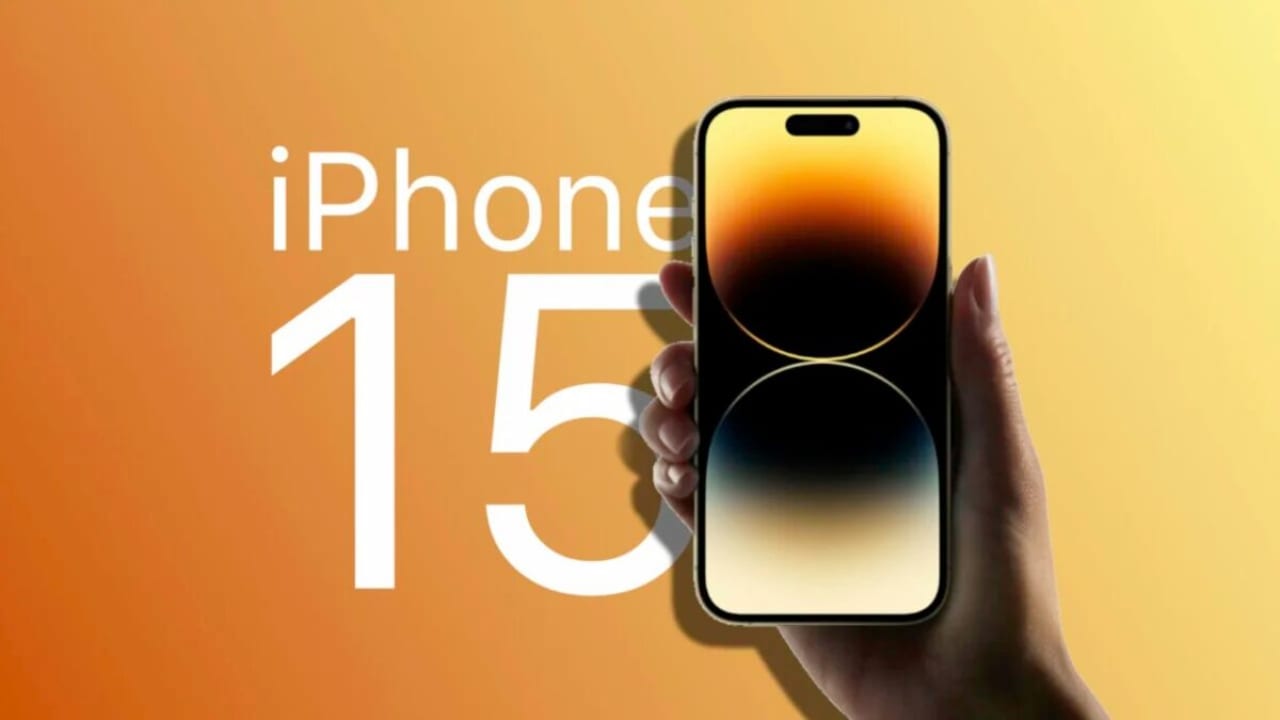
By reclaiming this space, Apple engineers can potentially increase battery capacity, integrate larger camera sensors, or improve thermal management systems. For the iPhone 15 Pro, rumors suggest the inclusion of a periscope telephoto lens, a component that requires substantial horizontal space within the chassis. Eliminating the SIM reader could be the design choice that makes such advanced optics feasible without increasing the overall thickness of the device.
Furthermore, a slotless design significantly enhances the structural integrity and environmental sealing of the iPhone. Every opening in a phone’s frame is a potential point of entry for water and dust. By removing the SIM tray, Apple reduces the number of gaskets and seals required, potentially allowing for even higher IP (Ingress Protection) ratings than the current IP68 standard. This contributes to the long-term durability of the device, reducing the likelihood of internal corrosion or liquid damage.
Enhanced Security and the Mitigation of SIM Swapping
From a security perspective, the transition to eSIM-only offers a robust defense against "SIM swapping," a form of identity theft that has surged in recent years. In a physical SIM environment, a bad actor can steal a user’s phone and simply move the SIM card to a new device to intercept two-factor authentication (2FA) codes, gaining access to bank accounts and sensitive data. Alternatively, attackers can use social engineering to trick carrier representatives into porting a number to a physical SIM card in their possession.
With an eSIM, the digital profile is cryptographically tied to the device hardware. It cannot be "removed" in the traditional sense. If an iPhone 15 is stolen, the thief cannot simply pop out the SIM to stop the owner from tracking the device via the Find My network. Furthermore, the process of transferring an eSIM requires biometric authentication or secure carrier verification, making it significantly more difficult for hackers to hijack a phone number remotely.
Market Readiness and Global Carrier Adoption
The success of an eSIM-only iPhone 15 depends heavily on the infrastructure of regional telecommunications providers. While major carriers like Vodafone, Orange, and T-Mobile have embraced eSIM technology, smaller regional players and "Mobile Virtual Network Operators" (MVNOs) have been slower to adapt.
Data from the GSMA indicates that by the end of 2022, over 260 carriers in 88 countries had launched commercial eSIM services for smartphones. However, significant gaps remain. In many developing markets, the physical SIM card remains the primary method of distribution for mobile services. This disparity is likely why Apple is expected to maintain physical SIM slots on the standard iPhone 15 models and in specific regions like China, where regulatory hurdles and carrier preferences continue to favor physical cards.
Addressing the Challenges for International Travelers
The most vocal criticism of an eSIM-only design comes from the international travel community. Traditionally, travelers would land in a new country and purchase a local "burner" SIM card at the airport to avoid exorbitant roaming charges. Switching to a local eSIM can be more complex, as it often requires a stable Wi-Fi connection for the initial download and may involve navigating carrier websites in foreign languages.
However, the market is responding with the rise of global eSIM marketplaces such as Airalo, Holafly, and Gigago. These services allow users to purchase data plans for hundreds of countries through a single app before they even depart for their trip. Apple’s software also supports the storage of up to eight or more eSIMs, with two active at the same time, allowing a traveler to keep their home line active for texts while using a local eSIM for data.
Economic and Environmental Implications
The environmental impact of the move toward eSIM is substantial. Each year, billions of plastic SIM cards are produced, packaged, and shipped globally. These cards are composed of plastic, silicon, and gold, and they often come in credit-card-sized plastic holders that are immediately discarded. By transitioning to a digital-only format, Apple and the wider industry can eliminate thousands of tons of plastic waste and reduce the carbon footprint associated with the logistics of physical SIM distribution.
Economically, the shift changes the power dynamic between Apple and the carriers. With eSIM, the "unboxing" experience is controlled entirely by Apple’s software. This allows for a more streamlined setup process where users can choose their carrier during the initial device configuration, potentially increasing competition among providers to offer the most attractive digital onboarding experience.
Expert Analysis and Industry Reaction
Industry analysts view the iPhone 15’s rumored eSIM expansion as an inevitable step toward the "portless iPhone." Gene Munster of Deepwater Asset Management has noted that Apple’s strategy often involves removing legacy technology (such as the headphone jack or the floppy disk drive) before the rest of the industry feels ready, eventually forcing a market-wide standard.
"Apple is essentially using its market dominance to drag the global carrier industry into the 21st century," says technology analyst Avi Greengart. "While there will be friction in markets where carriers have been slow to invest in digital infrastructure, the benefits of eSIM in terms of security and device design are too great to ignore. Once Apple makes the move, Samsung and other manufacturers usually follow within 12 to 24 months."
Conclusion: Preparing for a Digital-First Future
The rumored transition of the iPhone 15 Pro models to an eSIM-only design marks a definitive end to the era of physical cellular tokens. While the change may present initial hurdles for users accustomed to the tactile nature of SIM cards and for travelers in regions with lagging infrastructure, the long-term benefits are clear. Enhanced security, improved device durability, and the freedom to manage multiple networks via software represent a significant evolution in mobile technology.
As the official launch of the iPhone 15 approaches, the focus will remain on how Apple manages the international rollout and whether carriers worldwide have sufficiently upgraded their systems to meet the demands of a purely digital subscriber base. If successful, the iPhone 15 will not only be remembered for its hardware upgrades but as the catalyst that finally made the physical SIM card a relic of the past.
