
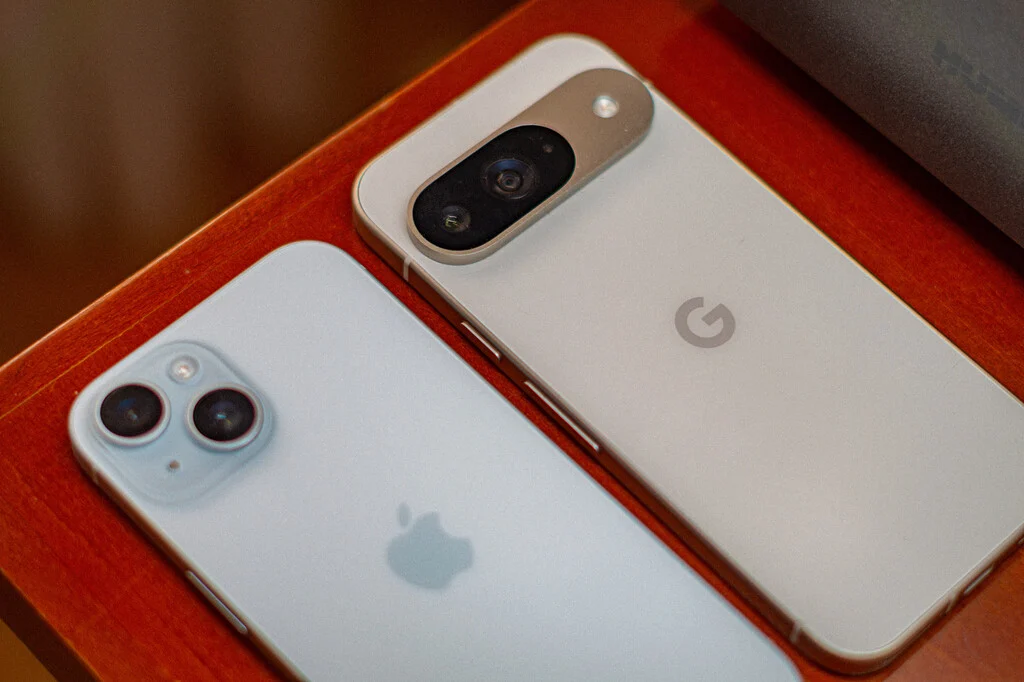

The mobile phone has transcended its initial function as a mere communication tool, evolving into an indispensable extension of our personal identity, privacy, and indeed, our very being. This profound integration means that the manner in which we interact with our devices, particularly in the presence of others, is imbued with significant social and psychological meaning. Among the myriad gestures associated with smartphone use, one of the most common and often debated is the act of placing the device face down on a table. Far from being a simple, innocuous habit, this seemingly minor action carries a complex tapestry of interpretations, impacting social dynamics, personal relationships, and even our cognitive state, as contemporary psychology and sociological research continue to reveal.
The Evolution of the Mobile Phone: From Utility to Identity Anchor
To fully grasp the implications of how we position our phones, it is crucial to understand the device’s rapid ascent in our lives. What began as a bulky instrument for voice calls in the late 20th century transformed with the advent of smartphones into a compact, powerful portal to an infinite digital realm. This shift, particularly prominent in the last two decades, has seen mobile phones become central to everything from personal organization and professional productivity to social interaction and emotional expression. Global statistics underscore this ubiquity: according to Statista, worldwide smartphone penetration reached over 80% by 2023, with users spending an average of several hours daily engaging with their devices. This pervasive presence has forged a deep psychological attachment, making the phone a constant companion, a repository of memories, information, and a direct conduit to our social networks.
This profound integration means the phone is no longer just an object; it is perceived as a reflection of our digital self, a window into our private world. Consequently, any interaction with it, or lack thereof, in a social setting is scrutinized, consciously or subconsciously, by those around us. The face-down phone, therefore, becomes a potent non-verbal cue, signaling various intentions, both benign and potentially problematic.
The Ambiguous Signal: Decoding the Face-Down Phone
For many, placing a phone face down is a straightforward act of courtesy. It can signify a conscious effort to minimize distractions, prevent the disruptive glow of incoming notifications, or simply indicate a desire to be present and engaged in the immediate conversation. This pragmatic approach aims to foster better in-person interaction, signaling respect for companions and the setting. In a professional context, it might be an unspoken agreement during a meeting to focus entirely on the agenda, promoting an environment of attentiveness and professionalism.
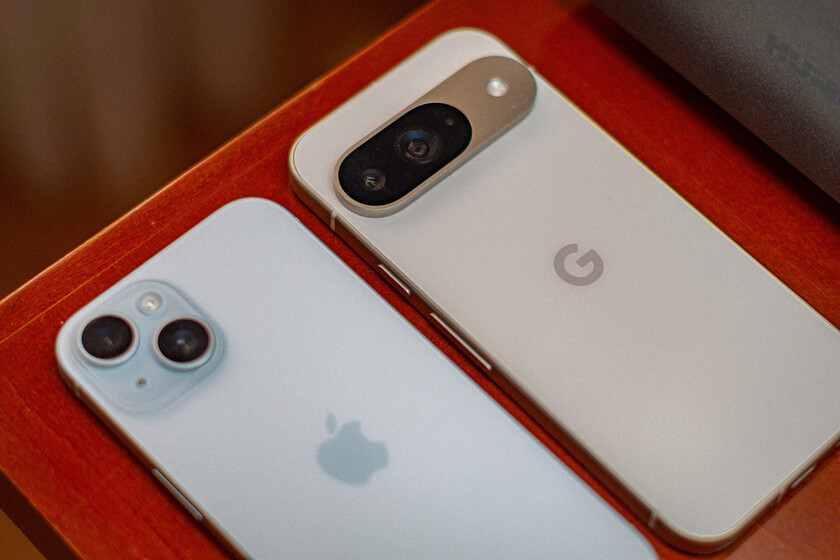
However, the interpretation of this gesture is far from universal or benign. The very act of concealing the screen can paradoxically draw more attention to the device, inviting speculation about what might be hidden. This ambiguity is particularly pronounced in intimate relationships, where the phone’s contents are often intertwined with trust and vulnerability.
Relationship Dynamics: The Smartphone as a Source of Conflict
Within romantic partnerships, the smartphone frequently emerges as a focal point for disputes, largely due to the sheer volume of personal information it holds. The act of placing a phone face down on a table, while potentially intended to signal presence, can in certain relational contexts be interpreted entirely differently. In environments where there’s a history of jealousy, insecurity, or perceived digital secrecy, this gesture might be seen as a defensive maneuver, an attempt to conceal messages, activities, or conversations. This can inadvertently fuel suspicion, leading to heightened tension and mistrust.
Psychologists specializing in relationship dynamics emphasize the importance of transparency, not as a means of control, but as a foundation for mutual care and confidence. As psychologist Andrea Vicente has highlighted through her public commentary, a healthy relationship should ideally not be plagued by the fear of leaving one’s phone face up, sharing a photo, or openly discussing with whom one communicates. This level of transparency fosters trust, demonstrating an absence of hidden agendas and reinforcing mutual respect. Conversely, when the phone becomes an object of suspicion or a wedge creating emotional distance, experts frequently recommend seeking professional help, whether individual or couples’ therapy. These interventions aim to address underlying insecurities, communication breakdowns, and to establish healthy digital boundaries, rather than resorting to invasive behaviors like surveillance or constant questioning.
The Shadow of ‘Phubbing’: Digital Disengagement in Social Settings
Compounding the complexities of the face-down phone is the increasingly prevalent phenomenon known as "phubbing" – a portmanteau of "phone" and "snubbing." This term describes the act of ignoring one’s companions in favor of engaging with a mobile device. While the face-down phone might seem to be an antidote to phubbing, the underlying psychological mechanisms often overlap. The Centro de Psicología DOPSI, among other institutions, points out that phubbing is not merely about ignoring others; it often reflects a deeper difficulty in controlling the impulse to use an electronic device, indicative of a growing dependence.
Research into phubbing has revealed its detrimental effects on relationship satisfaction and perceived communication quality. Studies, such as those conducted by Baylor University, have shown that phubbing significantly diminishes the quality of face-to-face interactions, leading to feelings of being ignored, devalued, and less connected. Even if the phone is placed face down, the mere potential for phubbing, or the lingering impulse to check the device, can subtly undermine the quality of interaction. Negotiating agreements, such as putting phones on silent or face down, can be a valuable initial step in addressing attention deficits in relationships. However, as psychological research indicates, these agreements do not entirely negate the cognitive impact the device continues to exert on us.

The Paradox of Distraction: The Unseen Influence of the Face-Down Phone
Intuitively, one might assume that by placing a phone face down and concealing its screen, its capacity for distraction is entirely neutralized. However, scientific inquiry presents a more nuanced and often counterintuitive reality: the mere presence of a smartphone, even when inactive and out of sight, continues to exert a significant cognitive pull.
A comprehensive analysis published in Psychology Today, referencing numerous studies, illustrates how our brain remains unconsciously tethered to the device. A landmark study by Ward (2017) at the University of Chicago demonstrated that the mere presence of a smartphone, even when turned off and placed face down, significantly reduces an individual’s available cognitive capacity. This phenomenon, termed "brain drain," occurs because a portion of our cognitive resources is unconsciously dedicated to inhibiting the impulse to check or engage with the phone. Our brains are constantly working to suppress the urge, diverting attention away from the task or conversation at hand. This means that even when we intend to be fully present by turning our phone over, our cognitive bandwidth is subtly diminished, impacting our ability to focus, absorb information, and engage deeply.
Further corroborating this, researcher Elizabeth Dunn from the University of British Columbia conducted a series of experiments in real-world settings like cafes. Her findings indicated that groups who kept their mobile phones on the table (even face down) reported feeling more distracted and derived less enjoyment from their social interactions compared to those who had their phones stowed away in pockets or bags. This suggests that the visual presence of the device, regardless of its active use, acts as a persistent reminder of the digital world, subtly fragmenting our attention and presence.
Psychology explains this persistent mental engagement through the concept of "counterfactual thinking." Our brains are wired to constantly compare our current experience with an almost infinite array of alternative possibilities. In the context of a smartphone, this translates to our minds implicitly weighing the current conversation or activity against the potential stream of notifications, messages, and updates that might be awaiting us on the other side of the screen. This inherent unpredictability of digital information acts as a powerful stimulant, a continuous low-level hum in our minds that pulls at our attention. Indeed, this very unpredictability of reward and information is a recognized driver of modern anxiety, creating a perpetual state of low-grade anticipation and a fear of missing out (FOMO).
Broader Societal Implications and the New Etiquette
The pervasive influence of smartphones and the subtle cues like the face-down phone extend beyond individual interactions and romantic relationships, shaping broader societal norms and expectations. The digital age has introduced a new, often unwritten, etiquette regarding device use in public and private spaces. Questions arise: Is it rude to check your phone during a meal? How long is too long to be absorbed in your device when with company? The face-down phone is an attempt to navigate these murky waters, a gesture that seeks to balance personal digital access with social decorum.

In professional settings, the presence of phones, even when face down, can impact productivity and the perceived effectiveness of meetings. While some organizations advocate for "phone-free" zones or policies during critical discussions, the cognitive burden of their mere presence remains. Similarly, within families, parental modeling of phone habits significantly influences children’s digital literacy and social development. The constant presence of devices can sometimes hinder deep parent-child engagement, leading to feelings of neglect or competition for attention.
The mental health implications are also significant. The constant tether to digital platforms, even when attempting to disconnect by placing a phone face down, can contribute to heightened anxiety, stress, and feelings of loneliness if real-world interactions are perceived as secondary to digital ones. Learning to manage this relationship is crucial for overall well-being.
Strategies for Mindful Device Use and Reclaiming Presence
Despite the cognitive challenges, placing a phone face down still offers pragmatic benefits. It physically prevents immediate visual distraction from incoming notifications, reduces the immediate impulse to check the screen, and signals an intention to be present. However, for these benefits to translate into genuine presence and deeper engagement, a more conscious and holistic approach is required.
Digital wellness advocates and psychologists suggest several strategies:
- Setting Clear Boundaries: Establish explicit rules for phone use in specific contexts. This could involve designating certain times (e.g., mealtimes, family time) or places (e.g., bedrooms, dinner tables) as phone-free zones.
- Mindful Disconnection: Practice intentional digital detoxes, even for short periods. This could mean leaving the phone in another room or turning off notifications for a set duration to fully engage with the present moment.
- "Phone Stacking": A popular social game where everyone places their phone in the middle of the table. The first person to touch their phone pays for a round or a portion of the bill. This gamified approach encourages collective disconnection.
- Open Communication: In relationships, openly discuss concerns about phone use and negotiate mutually agreeable solutions. This fosters understanding and trust, addressing underlying insecurities rather than letting them fester.
- Cultivating Presence: Engage in mindfulness practices that train attention and awareness, helping to resist the pull of digital distractions and fully immerse oneself in face-to-face interactions.
In conclusion, the simple act of placing a mobile phone face down on a table is anything but simple. It is a gesture loaded with social meaning, psychological implications, and an intricate interplay with our cognitive processes. While often an attempt to signal respect and minimize distraction, its effectiveness is nuanced by individual perceptions, relational dynamics, and the brain’s inherent struggle with digital omnipresence. As mobile technology continues to evolve and integrate further into our lives, understanding these subtle cues and their profound impacts becomes increasingly vital. The challenge, and indeed the imperative, for individuals and society alike is to consciously navigate this digital landscape, ensuring that our devices serve us without diminishing the richness of our human connections and our capacity for genuine presence.
