

The telecommunications sector in the Lao People’s Democratic Republic has undergone a profound transformation over the last decade, evolving from a nascent market into a competitive digital ecosystem that surpassed 10 million mobile subscribers by the end of 2021. This milestone reflects a significant penetration rate in a nation of approximately 7.5 million people, indicating a high prevalence of multi-SIM usage and a rapidly growing reliance on mobile data for both economic and social integration. Currently, the market is defined by four primary service providers—Unitel, Lao Telecom, TPlus, and ETL—each navigating a landscape characterized by rapid technological adoption, regulatory shifts, and the unique geographical challenges of a landlocked, mountainous nation.
Market Composition and the Dominance of Major Operators
The Lao mobile market is currently an oligopoly dominated by two major players that command the vast majority of the subscriber base. According to data released by the Ministry of Post and Telecommunications, the competitive hierarchy remains anchored by Unitel and Lao Telecom, followed by the smaller entities TPlus and ETL.
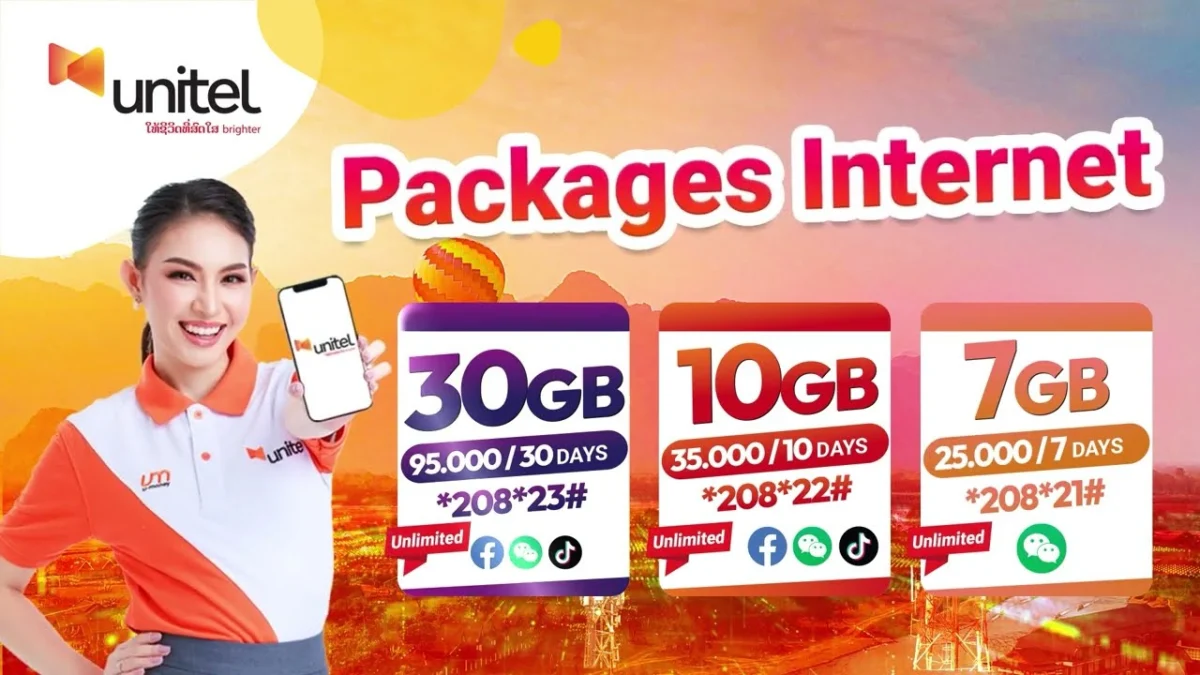
Unitel, a joint venture between the Lao Asia Telecom and Vietnam’s military-run industry giant Viettel, remains the undisputed market leader. Since its inception in 2008, Unitel has leveraged Viettel’s experience in developing infrastructure in difficult terrains to secure a 51% market share. By the end of 2020, the company reported over 5 million subscribers. Its success is largely attributed to an aggressive "rural first" strategy, ensuring that even remote villages have access to at least basic voice and data services. Unitel’s portfolio has expanded beyond traditional telecommunications into fintech and digital government solutions, reflecting a broader regional trend of telcos becoming "tech-cos."
Lao Telecom (LaoTel), the nation’s oldest operator established in 1996, holds the second-largest position with a 34% market share and approximately 3 million subscribers. As a joint venture between the Lao government and Singapore-based investors (and previously involving Thailand’s Shenington Investments), LaoTel has historically been the preferred provider for urban professionals and government agencies. It has maintained its relevance through consistent upgrades to its urban infrastructure and the early adoption of 4G technologies in the capital, Vientiane.
The remaining 15% of the market is divided between TPlus and ETL. TPlus, formerly known as Beeline Laos, is a subsidiary of the global telecommunications group VimpelCom (now VEON). With a market share of roughly 10% and 1 million subscribers, TPlus has repositioned itself as a lifestyle brand targeting the younger demographic through competitive data packages and international roaming services. ETL (Enterprise of Telecommunications Lao), a state-owned enterprise that underwent significant restructuring in 2015, holds a 5% share. Despite its smaller footprint, ETL plays a critical role in the government’s strategy to maintain a state-led presence in the digital infrastructure sector, focusing on stability and essential connectivity.
Historical Context and Technological Chronology
The evolution of the Lao mobile market can be categorized into three distinct phases: the foundational era, the competitive expansion, and the current digital transition.
-
Foundational Era (1996–2007): This period began with the launch of Lao Telecom. For over a decade, mobile phones were luxury items, and coverage was largely restricted to Vientiane and major provincial capitals like Luang Prabang and Savannakhet. The technology was primarily 2G (GSM), focusing on voice and SMS.
-
Competitive Expansion (2008–2015): The entry of Unitel in 2008 disrupted the status quo. By introducing affordable handsets and building towers in rural areas, Unitel forced a market-wide reduction in tariffs. This era saw the introduction of 3G services, which revolutionized internet access for a population that largely bypassed the personal computer era in favor of mobile-first connectivity.
-
Digital Transition (2016–Present): The focus shifted from voice to data. 4G LTE networks were rolled out across all major cities, and the government began implementing the "Digital Economy Development Plan 2021-2025." This period is marked by the introduction of eSIM technology, mobile money, and the first trials of 5G technology, signaling Laos’ ambition to synchronize its infrastructure with the broader ASEAN region.
Services, Pricing, and the eSIM Innovation
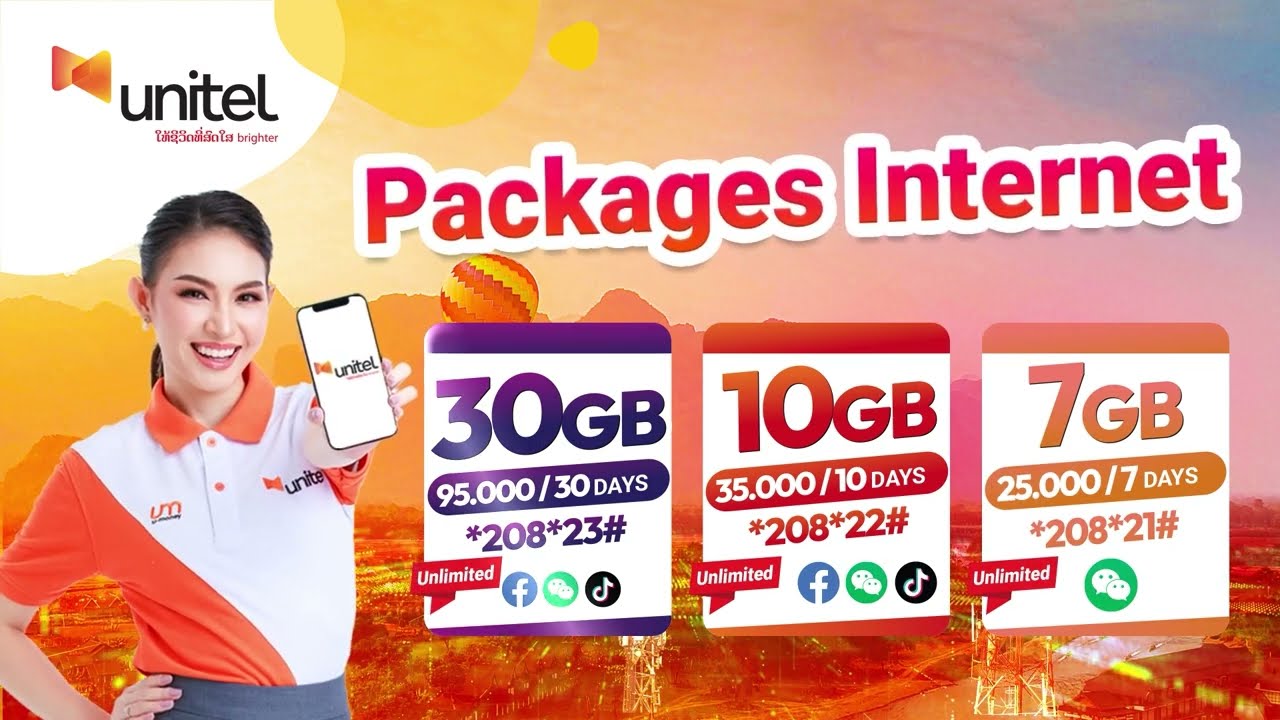
Laos offers some of the most competitive mobile pricing in Southeast Asia, a necessity given the country’s lower-middle-income status. Data costs typically range from $2 to $5 per gigabyte, depending on the bundle size and duration. Operators have shifted their revenue models toward data-heavy packages, often bundling social media access or streaming services to attract younger users.
A significant recent development is the introduction of eSIM technology, specifically targeted at the tourism sector—a vital pillar of the Lao economy. Before the pandemic, tourists faced the inconvenience of finding physical SIM cards upon arrival. Today, operators and third-party providers allow travelers to download an eSIM profile before they even land. This digital-first approach has been lauded by the Lao National Institute of Tourism and Hospitality as a key factor in improving the visitor experience. Authorized digital platforms now facilitate these transactions, allowing for seamless connectivity that supports the country’s "Visit Laos" initiatives.
Beyond consumer services, operators have diversified into Value-Added Services (VAS). LaoTel and Unitel have both launched mobile banking and wallet services, which are critical in a country where a large portion of the population remains unbanked. These services allow for utility bill payments, peer-to-peer transfers, and micro-loans, directly contributing to financial inclusion.
Infrastructure and the Rural-Urban Divide
While the 10 million subscriber figure is impressive, it masks a significant disparity in infrastructure quality. In Vientiane and other urban hubs, 4G LTE is the standard, with speeds sufficient for high-definition streaming and video conferencing. However, in the mountainous northern and eastern provinces, connectivity remains a challenge.
The geography of Laos—characterized by dense forests and rugged mountains—makes the cost of laying fiber-optic cables and building cell towers prohibitively high. Unitel has mitigated this through the use of microwave transmission and satellite backhaul, but latency remains an issue in remote areas. The government’s current infrastructure mandate requires operators to contribute to a universal service fund, which is used to subsidize the expansion of networks into "white zones" where commercial viability is low.
Regulatory Framework and Government Oversight
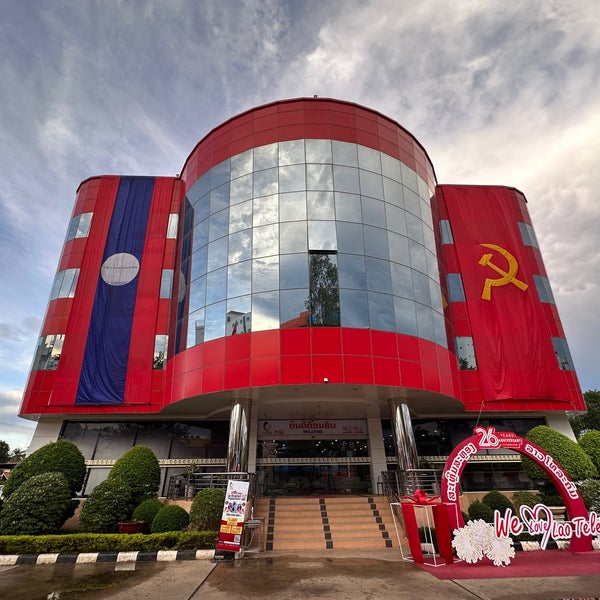
The Ministry of Post and Telecommunications (MPT) serves as the primary regulatory body. Its mandate is to ensure fair competition while protecting national interests. In recent years, the MPT has tightened regulations regarding SIM card registration, citing national security and the need to curb cybercrime. All subscribers are now required to register their identities with biometric data or official ID, a move that initially slowed subscriber growth but resulted in a more accurate and manageable database of users.
The government also plays a dual role as both regulator and stakeholder. With Lao Telecom and ETL having state ownership, the MPT must balance the need for a profitable telecommunications sector with the social objective of providing affordable access to all citizens. This has led to a controlled competitive environment where price wars are discouraged to ensure the long-term sustainability of the operators.
Challenges: Infrastructure, Skills, and Economy
Despite the rapid growth, several bottlenecks persist:
- Infrastructure Costs: Laos is a landlocked country, meaning it must pay transit fees to neighbors like Thailand or Vietnam to access international undersea fiber-optic cables. This increases the operational costs for local providers.
- Skilled Workforce: There is a persistent shortage of local high-tech talent. Many operators still rely on expatriate engineers from Vietnam, China, or Thailand for network design and cybersecurity.
- Economic Fluctuations: The depreciation of the Lao Kip (LAK) against the US Dollar has made the import of telecommunications equipment—usually priced in USD—significantly more expensive, putting pressure on the profit margins of operators who earn revenue in local currency.
Future Outlook and 5G Ambitions
The future of telecommunications in Laos is inextricably linked to the 5G rollout and the "Land-Linked" strategy. The government views high-speed internet as the "digital highway" that will complement the new Laos-China Railway, turning the country into a regional hub for trade and services.
5G trials have already been conducted in Vientiane, with a focus on industrial applications rather than just consumer mobile speed. Expected applications include smart agriculture in the Bolaven Plateau and enhanced logistics management for the dry ports. Furthermore, as the ASEAN region moves toward a unified digital market, Laos is expected to harmonize its roaming and data privacy laws with its neighbors.

Industry analysts predict that the next five years will see a consolidation of services, where mobile apps become "super-apps" integrating transport, food delivery, and government services into a single interface. While the challenge of rural connectivity remains, the trajectory of the Lao telecommunications sector suggests a nation that is successfully bypassing traditional developmental stages to embrace a mobile-centric future.
Conclusion
Mobile operators in Laos have transitioned from simple service providers to the backbone of the nation’s modern economy. With over 10 million subscribers and a steady march toward 5G, the industry has proven resilient in the face of geographic and economic hurdles. While the dominance of Unitel and Lao Telecom provides stability, the continued innovation in services like eSIMs and mobile finance indicates a market that is maturing. As the government continues to prioritize digital connectivity, the telecommunications sector will remain the most critical catalyst for the country’s integration into the global digital economy.
