
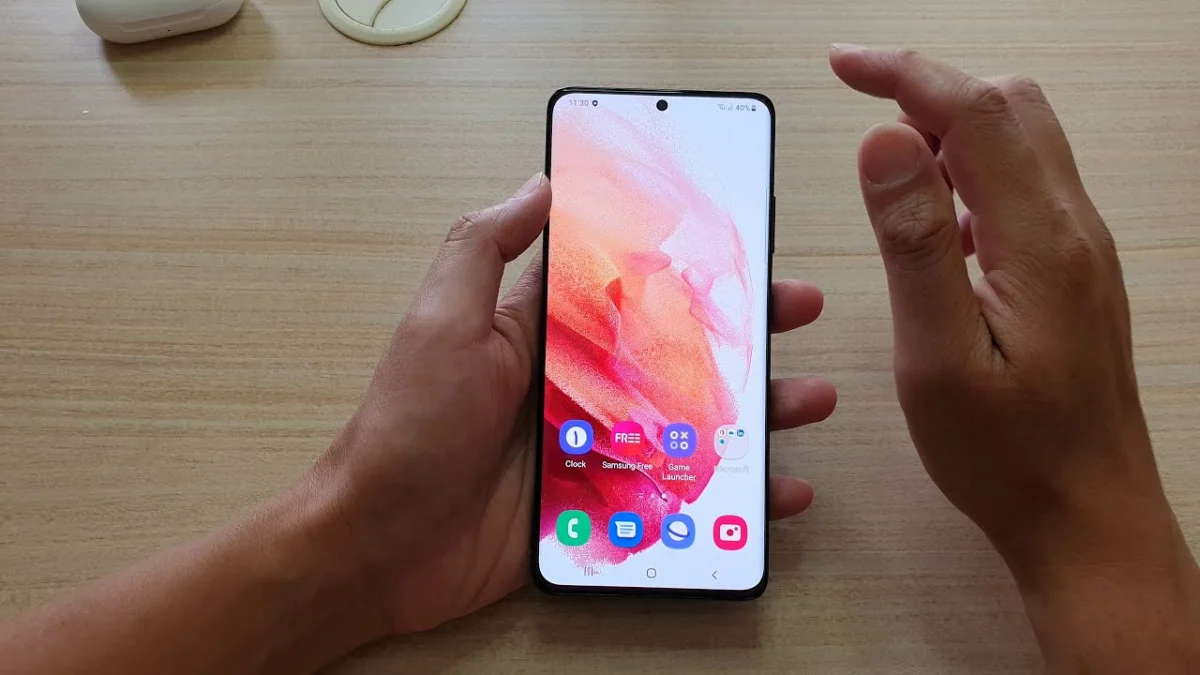

The telecommunications landscape is undergoing a fundamental shift as physical components give way to digital solutions, and at the forefront of this transition is the embedded SIM, or eSIM. For Samsung Electronics, a global leader in mobile hardware, the integration of eSIM technology has moved from a niche feature in wearable devices to a standardized component across its flagship and mid-range smartphone lineups. This transition represents more than just a change in hardware; it signifies a move toward a more flexible, software-driven approach to global connectivity that impacts how consumers manage their mobile plans, travel internationally, and secure their personal data.
The Evolution and Technical Architecture of eSIM Technology
An eSIM, technically known as an eUICC (Embedded Universal Integrated Circuit Card), is a programmable SIM card that is soldered directly onto a device’s motherboard during the manufacturing process. Unlike the traditional plastic SIM cards that have shrunk from the original credit-card size to Mini, Micro, and finally Nano-SIMs over the last three decades, the eSIM requires no physical slot for insertion or removal. It measures approximately 5mm by 5mm, significantly smaller than a Nano-SIM, allowing manufacturers like Samsung to utilize the saved internal space for larger batteries, improved thermal management, or additional sensors.
The functionality of an eSIM is governed by standards set by the GSMA (Global System for Mobile Communications Association). Instead of storing carrier information on a physical chip that must be swapped, the eSIM allows for "Remote SIM Provisioning." This enables users to download a "profile"—a digital version of the data traditionally stored on a physical SIM—over the air (OTA). On Samsung devices, this is typically facilitated through a QR code provided by a carrier or through a direct push notification from a mobile network operator’s app.
A Chronology of Samsung’s eSIM Integration
Samsung’s journey with eSIM technology began earlier than many consumers realize, though its implementation in smartphones followed a more measured trajectory.
- 2016 – The Wearable Debut: Samsung first introduced eSIM technology in the Gear S2 Classic 3G. This was one of the first consumer devices on the market to utilize an embedded SIM, allowing the smartwatch to maintain a cellular connection independent of a smartphone.
- 2020 – The Smartphone Milestone: The Galaxy S20 series marked the first time Samsung included eSIM capabilities in its flagship smartphone line. This included the S20, S20+, and S20 Ultra. However, availability was initially fragmented by region and carrier restrictions.
- 2020-2021 – Expansion to Foldables and Note Series: Following the S20, the Galaxy Note 20 series and the Galaxy Z Fold 2 integrated eSIM technology, cementing it as a standard for Samsung’s premium tier.
- 2022-2024 – Full Integration: With the release of the Galaxy S22, S23, and S24 series, as well as the Galaxy Z Fold and Flip iterations, eSIM has become a core feature. Furthermore, Samsung began extending this technology to its A-series mid-range devices in certain markets, signaling a broader democratization of the technology.
Market Data and the Global Shift Toward eSIM
The adoption of eSIM technology is accelerating globally. According to a report by Counterpoint Research, the shipments of eSIM-capable devices are expected to reach cumulative totals in the billions by 2025. Market analysts suggest that by 2030, the physical SIM card slot may disappear entirely from premium smartphones, a trend already initiated by competitors in specific markets like the United States.
Data indicates that the primary drivers for eSIM adoption are the travel and enterprise sectors. For international travelers, the ability to download a local data plan without visiting a physical kiosk has reduced roaming costs by an estimated 40% to 70% for frequent flyers. In the enterprise sector, IT departments can now manage thousands of corporate devices remotely, switching plans or updating security protocols without the logistical nightmare of distributing physical cards.
Operational Advantages for Samsung Users
Using an eSIM on a Samsung Galaxy device offers several distinct advantages over traditional setups:
- Dual-SIM Functionality: Most eSIM-compatible Samsung phones retain a physical SIM slot. This allows for a "Dual-SIM, Dual Standby" (DSDS) configuration. Users can have a physical SIM for their primary work number and an eSIM for personal use, or vice versa, on a single device.
- Profile Storage: While only one or two profiles can be active at a time (depending on the specific hardware generation), an eSIM can store multiple profiles (often up to five or more). This allows a user to keep several international plans stored on the device, activating them as needed when crossing borders.
- Streamlined Switching: The process of changing carriers no longer requires waiting for a SIM card to arrive in the mail. Activation can be completed in minutes through the device’s settings menu.
Security and Environmental Impact
From a security perspective, the eSIM offers a robust upgrade. Because the SIM is embedded within the hardware, it cannot be removed if a device is stolen. This makes it significantly harder for thieves to disconnect a phone from the network to prevent tracking via services like Samsung’s "Find My Mobile." Furthermore, the digital nature of the profile provisioning process utilizes end-to-end encryption, reducing the risk of SIM swapping—a common technique used in identity theft where a fraudster convinces a carrier to port a number to a new physical SIM.
Environmentally, the shift to eSIM is a significant step toward sustainability. The telecommunications industry produces billions of plastic SIM cards annually, most of which eventually end up in landfills. By removing the need for plastic cards, card holders, and the carbon footprint associated with shipping these physical items, Samsung and the broader industry are moving toward a more circular and less wasteful economy.
Step-by-Step: Activating eSIM on Samsung Galaxy Devices
For users looking to transition to an eSIM, the process on modern Samsung devices is standardized.
- Preparation: Ensure the device is connected to a stable Wi-Fi network, as the eSIM profile must be downloaded from the carrier’s servers.
- Navigation: Open "Settings," then navigate to "Connections" and select "SIM manager."
- Adding the Plan: Tap on "Add eSIM." The device will then search for an active plan.
- Verification: Users can either "Scan QR code from service provider" or "Search for mobile plan." Most carriers provide a QR code via email or a physical activation card.
- Finalization: Once the profile is detected, the user confirms the addition. The device may require a restart to finalize the network registration.
Carrier Support and Industry Challenges
Despite the clear technological advantages, the rollout of eSIM has not been without hurdles. Not all carriers support eSIM technology, particularly smaller Mobile Virtual Network Operators (MVNOs) or providers in developing regions. Some carriers have also been criticized for implementing "activation fees" for eSIMs, despite the lack of physical hardware costs, or for making the transfer of an eSIM from one phone to another more difficult than simply moving a physical chip.
In response to these challenges, industry observers note that regulatory bodies in various countries are beginning to scrutinize carrier practices to ensure that eSIM technology is used to increase consumer choice rather than lock users into specific networks.
The Analytical Outlook: A SIM-less Future
The trajectory of Samsung’s hardware design suggests that the physical SIM tray’s days are numbered. As internal space becomes increasingly valuable for advanced haptics, larger camera sensors, and increased battery capacity, the redundancy of a physical SIM slot becomes more apparent.
Industry analysts predict that within the next three to five years, Samsung may follow the industry trend of launching "eSIM-only" versions of its flagship devices in markets with high carrier readiness. This move will likely coincide with the maturation of iSIM (Integrated SIM) technology, which moves the SIM functionality directly into the device’s main processor (SoC), further reducing footprint and power consumption.
In conclusion, the integration of eSIM technology in Samsung devices represents a pivotal moment in mobile evolution. It offers a trifecta of benefits: enhanced convenience for the consumer, greater design flexibility for the manufacturer, and a more secure, environmentally friendly standard for the global telecommunications infrastructure. While the transition away from physical SIM cards is still in a hybrid phase, the data and industry momentum suggest that the digital-first approach to connectivity is now the irreversible standard.
