
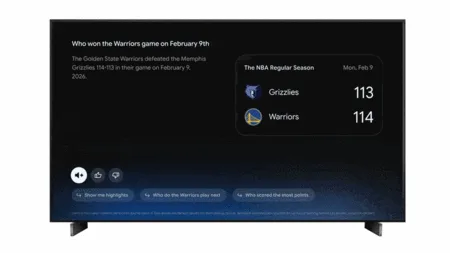

Just as Google strategically leveraged Android as a modern-day Trojan horse to embed its comprehensive suite of services into the burgeoning smartphone market, a parallel and equally significant maneuver is now underway in the realm of home entertainment with Android TV and its successor, Google TV. This expansion is far from coincidental; the device once colloquially known as the "idiot box" is undergoing a profound metamorphosis into an intelligent hub, unlocking immense potential for Google. This transformation is fueled by the invaluable currency of user data and presents a lucrative avenue for monetizing Smart TVs through advanced advertising. With the escalating integration of Google TV and the formidable capabilities of its artificial intelligence model, Gemini, the lines between a traditional television and a mobile device are rapidly blurring, heralding a new era of proactive and personalized home media consumption.
The Android Blueprint: From Smartphones to Smart TVs
Google’s initial foray into the mobile operating system landscape with Android proved to be a masterstroke, revolutionizing how billions of people interact with technology. Launched in 2007 and officially unveiled as an open-source platform in 2008, Android rapidly ascended to become the dominant mobile OS globally. Its open nature fostered an expansive ecosystem of hardware manufacturers, app developers, and users, creating an unparalleled distribution channel for Google’s core services: Search, Maps, Gmail, YouTube, and the Play Store. This strategy was not merely about market share; it was fundamentally about data. By providing a free, robust operating system, Google gained unparalleled insights into user behavior, preferences, and demographics, which in turn powered its highly lucrative advertising business. As of 2023, Android commanded over 70% of the global smartphone operating system market, a testament to its pervasive influence.
The success of Android on smartphones laid a clear roadmap for Google’s ambitions in other connected device categories. The living room, with its central role in household entertainment and information consumption, represented the next logical frontier. The journey began with Android TV, launched in 2014, designed to bring the familiar Android ecosystem—apps, games, and Google Assistant—to televisions and set-top boxes. This was a critical step in turning passive display devices into interactive platforms. Later, Google refined this vision with Google TV, introduced in 2020, which built upon Android TV with a more content-centric user interface, personalized recommendations powered by machine learning, and deeper integration with Google’s broader services. Google TV essentially streamlined the content discovery process, aggregating streaming services and live TV into a unified, intelligent experience.
The evolution from Android TV to Google TV reflects a strategic pivot towards a more curated and AI-driven user experience, mirroring the sophisticated personalization found on modern smartphones. This move has allowed Google to establish a significant foothold in the competitive Smart TV market, contending with established players like Roku, Amazon Fire TV, and Apple TV. While precise market share figures for Google TV specifically can be fluid dueating to its underlying Android TV OS, estimates suggest that the broader Android TV platform powers tens of millions of devices globally, steadily increasing its presence in smart homes and solidifying Google’s ecosystem dominance beyond handheld devices.
Google TV and the AI Imperative: Gemini’s Ascendancy
The current phase of this strategic evolution is marked by the deepening integration of artificial intelligence, specifically Google’s advanced multimodal AI model, Gemini. For years, the Smart TV experience, while offering access to a multitude of apps, largely remained a reactive one. Users would navigate menus, search for content, and launch applications manually. However, the advent of sophisticated AI promises to transform the television into a proactive, intelligent, and deeply personalized companion, much like a smartphone equipped with a powerful digital assistant.
Google has explicitly outlined its intentions to infuse Gemini’s capabilities into Google TV, signaling a significant shift towards a more intuitive and anticipatory user experience. The company has announced several new functions, initially rolling out in select markets, that leverage Gemini to make the television a more active participant in the user’s daily life. While the specific details of all three functions were not exhaustively elaborated in initial reports, their overarching purpose is clear: to enhance content discovery, personalize interactions, and streamline device management through intelligent automation.
One key area of innovation is likely to be enhanced content discovery and proactive recommendations. Drawing parallels from smartphone AI, Gemini on Google TV can analyze viewing habits, search history, and even the time of day to suggest relevant content without explicit user input. For instance, if a user frequently watches documentaries in the evenings, Gemini might proactively highlight new documentary releases or suggest related titles from various streaming platforms upon turning on the TV. This moves beyond simple genre-based recommendations to context-aware suggestions, anticipating user desires before they are even articulated.
Another probable function involves more natural and sophisticated voice interaction and control. Google Assistant has long been a staple of Android TV and Google TV, allowing users to issue commands with their voice. With Gemini, this capability is expected to evolve into a more conversational and context-aware experience. Users might be able to ask complex, multi-part questions, refine their searches, or even control smart home devices connected to the Google ecosystem using natural language, much like interacting with a human assistant. For example, "Find me a sci-fi movie with a strong female lead that’s available on Netflix, and dim the living room lights."
A third critical aspect of Gemini’s integration could be intelligent device and ecosystem integration. As Smart TVs become central hubs in the smart home, Gemini could orchestrate interactions between the TV and other connected devices. This might include displaying security camera feeds automatically when motion is detected, showing calendar reminders on screen, or seamlessly switching audio output to connected smart speakers based on user preferences or presence. This vision aligns with Google’s broader "ambient computing" strategy, where technology works seamlessly in the background, adapting to user needs across various devices without constant manual intervention.
Transforming the "Dumb Box" into a Proactive Hub
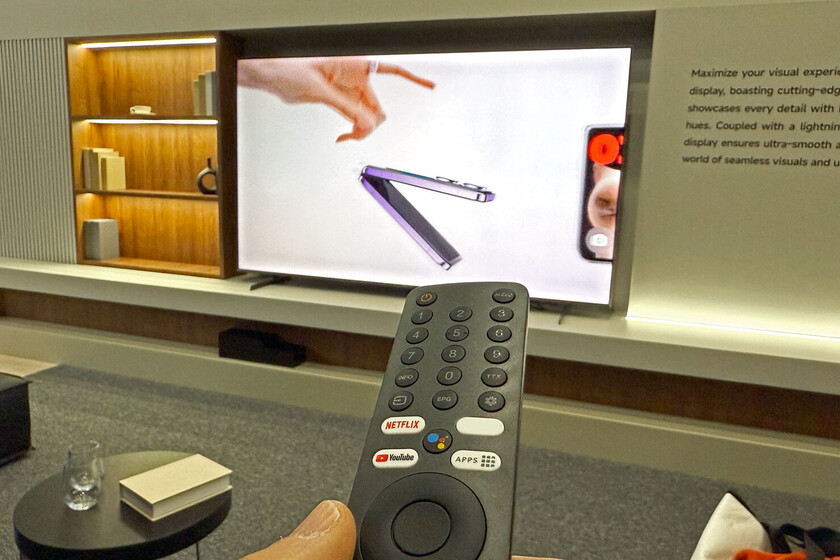
The core philosophy behind integrating Gemini into Google TV is to transform the television from a passive display device into an active, intelligent, and deeply integrated component of the smart home ecosystem. This marks a profound departure from the traditional television experience. Historically, the TV waited for user input; now, it is poised to anticipate, suggest, and act on its own, based on a sophisticated understanding of user preferences and contextual information.
This proactive approach significantly enhances the user experience by reducing friction in content discovery and interaction. The sheer volume of streaming content available today can be overwhelming, a phenomenon often referred to as "streaming fatigue." AI-powered recommendations can cut through this clutter, presenting users with highly relevant options and saving them time. Moreover, the ability to control the TV and other smart home devices with more natural voice commands simplifies interaction, making technology more accessible and intuitive for a wider range of users.
The "television as a smartphone" metaphor gains further traction here. Just as a smartphone leverages AI to personalize app suggestions, news feeds, and notifications, a Gemini-powered Google TV will aim to provide a similarly tailored experience for entertainment and information. This convergence is not just about features but also about the underlying architecture: Google TV is, at its core, a customized version of Android, adapted for a large screen and remote control interface. This shared foundation makes the transfer of AI capabilities and user experience paradigms from mobile to TV a logical and technically feasible undertaking.
The Commercial Imperative: Data, Advertising, and Revenue Streams
While enhanced user experience is a primary outcome, the deeper integration of AI into Google TV also serves a crucial commercial imperative for Google. The company’s business model is fundamentally built on data and advertising. By making Smart TVs more intelligent and proactive, Google significantly expands its capacity for data collection and, consequently, its ability to generate revenue.
Every interaction with a Gemini-powered Google TV – every search query, every content selection, every voice command – contributes to a rich tapestry of user data. This data provides granular insights into individual viewing habits, entertainment preferences, interests, and even demographic information. When combined with data from other Google services (smartphone usage, web browsing, email interactions), it enables Google to construct incredibly detailed commercial profiles of its users.
These sophisticated profiles are invaluable for targeted advertising. Google already displays advertisements on Google TV, including interstitial ads within the interface and commercials within its growing portfolio of free, ad-supported streaming television (FAST) channels. The global market for digital advertising continues its robust growth, with Google remaining a dominant force. In 2023, Google’s advertising revenues reached hundreds of billions of dollars, highlighting the scale of its data-driven monetization strategy. With Gemini, the potential for hyper-personalized advertising on the big screen intensifies. Advertisements could be tailored not just to general demographics but to specific individual preferences identified by the AI, making them far more effective and, consequently, more valuable to advertisers.
Furthermore, the integration of AI positions the Smart TV as an even more critical touchpoint within Google’s broader ecosystem. It encourages greater engagement with Google’s services, from YouTube to Google Photos, and facilitates cross-device synchronization, further cementing user loyalty and reducing the likelihood of users opting for competing platforms. This strategy ensures that Google remains at the center of the digital lives of its users, regardless of the device they are using.
Market Landscape and Competitive Dynamics
The Smart TV market is highly competitive, with various operating systems and hardware manufacturers vying for dominance. Google TV (and underlying Android TV) competes directly with strong contenders like Roku OS, Amazon’s Fire TV, Samsung’s Tizen, and LG’s webOS. Each platform offers its own blend of content, features, and user experience.
Roku, for instance, has carved out a significant niche with its simple interface and broad content availability, often appearing on affordable TVs. Amazon’s Fire TV benefits from its deep integration with the Amazon ecosystem, including Prime Video and Alexa. Samsung and LG, as leading TV manufacturers, leverage their proprietary operating systems to offer integrated experiences and differentiate their hardware.
Google’s strategy with Gemini aims to elevate Google TV beyond mere content aggregation by infusing it with unparalleled intelligence and personalization. This AI-driven approach could provide a significant competitive advantage, offering a level of intuitive interaction and proactive assistance that other platforms may struggle to match immediately. The ability to seamlessly integrate with a user’s existing Google account and services, from calendars to photos, creates a powerful ecosystem lock-in effect. This could accelerate Google TV’s adoption, particularly among users already deeply embedded in the Google ecosystem on their smartphones and other devices.
The Promise and Peril: User Experience, Privacy, and Control
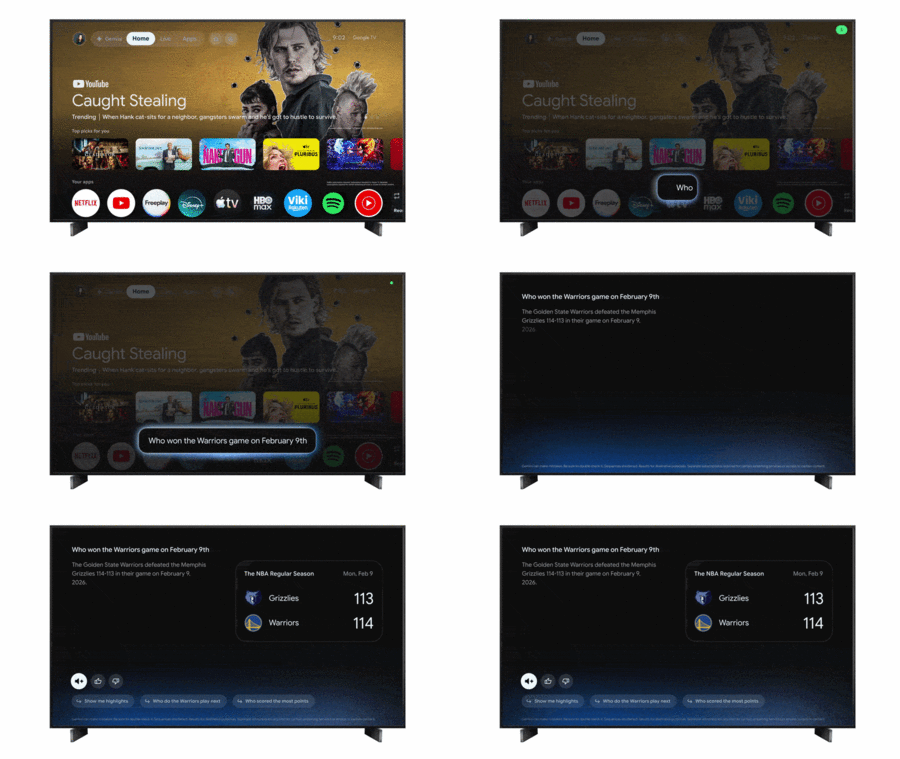
The promise of a Gemini-powered Google TV is compelling: a television that anticipates needs, simplifies content discovery, and seamlessly integrates into the smart home. This translates to greater convenience, reduced cognitive load for users navigating vast content libraries, and a more personalized entertainment experience. For many, the idea of a TV that truly understands their preferences and proactively offers relevant suggestions is a significant step forward.
However, this increased intelligence also brings with it inherent challenges and concerns, particularly regarding user privacy and control. The very mechanism that enables personalization – the collection and analysis of extensive user data – raises legitimate questions about how this data is stored, used, and protected. Consumers are becoming increasingly aware of the value of their personal data, and the prospect of their viewing habits, search queries, and even voice commands being used to build detailed commercial profiles can be a source of discomfort.
Google, like other tech giants, faces the ongoing challenge of balancing innovation with privacy safeguards. Transparent data policies, clear opt-out mechanisms, and robust security measures will be crucial for building and maintaining user trust. The perceived benefit of a highly personalized experience must outweigh the potential concerns about data exploitation. Users will need assurances that they retain control over their information and that their Smart TV, while intelligent, does not become an intrusive observer.
Furthermore, the proliferation of advertising, even if highly targeted, could detract from the user experience. While free, ad-supported channels are an accepted model, a future where every interaction or screen transition is potentially monetized could lead to user fatigue and resentment. Google will need to carefully calibrate the advertising load to maintain a positive user experience.
Phased Rollout: A Global Disparity
Despite the ambitious vision for Gemini on Google TV, its immediate availability is subject to a phased rollout, a common practice for major technological advancements from global companies. Google has confirmed that the new AI functionalities are initially active exclusively in the United States for Google TV devices. This geographically limited launch allows the company to test the features in a primary market, gather feedback, and refine the experience before a broader deployment.
The original report also noted that Canada has access to "visual responses," indicating a partial or specialized rollout of certain Gemini capabilities in other regions. This staggered approach highlights the complexities of deploying sophisticated AI globally, which can involve adapting to different regulatory environments, linguistic nuances, content licensing agreements, and regional market preferences.
For users outside the initial launch regions, this means a period of anticipation. While the underlying Android TV/Google TV platform continues to evolve, the full benefits of Gemini’s integration will not be immediately accessible. This disparity underscores the global nature of tech development and the strategic decisions companies make regarding market prioritization. Over time, as Google refines the technology and addresses regional specificities, it is expected that these advanced AI capabilities will become available to a wider international audience, further cementing Google’s vision for an intelligent, interconnected entertainment ecosystem worldwide.
Conclusion: The Enduring Convergence Trend
The integration of Gemini into Google TV represents a pivotal moment in the evolution of home entertainment, marking a significant step in Google’s overarching strategy to weave its services and AI capabilities into every facet of digital life. By transforming the television into a proactive, intelligent, and deeply personalized device, Google is not just enhancing the viewing experience; it is fundamentally redefining the role of the TV within the modern smart home.
This move underscores an enduring trend towards convergence, where the lines between different device categories – smartphones, tablets, and televisions – continue to blur. The Smart TV is no longer just a screen for passively consuming broadcast content; it is becoming a central hub for digital interaction, content discovery, and smart home management, mirroring the versatility and intelligence of the smartphone. As AI capabilities like Gemini become more sophisticated, this convergence will only accelerate, promising a future where technology is more intuitive, anticipatory, and seamlessly integrated into our daily lives. The challenges of privacy and advertising will remain critical considerations, but the trajectory towards an AI-powered, interconnected entertainment future is now firmly established.
