

The landscape of industrial technology is on the cusp of a significant transformation, driven by the burgeoning field of Tiny Machine Learning (TinyML). Honeywell, a global leader in diversified technology and manufacturing, is strategically positioning itself at the forefront of this revolution, aiming to embed intelligence directly into its vast network of sensors and equipment. This proactive approach promises to unlock unprecedented levels of efficiency, security, and responsiveness across various industrial sectors, from building automation to aerospace.
At the heart of Honeywell’s TinyML strategy lies a vision to leverage the immense volume of data generated by its existing installed base of over a million sensors. Traditionally, this data has been collected and processed centrally. However, by moving processing capabilities to the edge, directly onto the sensors themselves, Honeywell anticipates substantial improvements in critical areas.
The Case for Edge Intelligence: Security, Power, and Latency
The decision to pursue TinyML is underpinned by a clear understanding of its inherent advantages. Muthu Sabarethinam, Vice President of AI/ML Product and Services at Honeywell, articulated these benefits during a recent discussion, highlighting three primary drivers: security, power efficiency, and reduced latency.
Enhanced Security: Processing data locally on a sensor can significantly bolster security. By analyzing data in situ, sensitive information can be anonymized or aggregated before being transmitted, reducing the attack surface. Furthermore, edge devices can be programmed to detect anomalies or malicious activity in real-time, triggering immediate alerts or protective measures without relying on external network connectivity, which itself could be compromised. This is particularly critical in environments where data integrity and system uptime are paramount, such as critical infrastructure or manufacturing floors.
Optimized Power Consumption: For battery-powered or energy-constrained devices, running complex algorithms in the cloud or on more powerful edge servers can be prohibitively power-intensive. TinyML models, designed to be exceptionally lean and efficient, can perform sophisticated analysis using minimal computational resources, thereby extending the operational lifespan of devices and reducing the need for frequent battery replacements or external power sources. This is a game-changer for remote monitoring applications or in areas where power infrastructure is limited.
Reduced Latency for Real-time Operations: In many industrial applications, milliseconds matter. Decisions need to be made and actions taken instantaneously to prevent damage, optimize processes, or ensure safety. Transmitting data to a central server, processing it, and then sending a command back can introduce unacceptable delays. TinyML enables real-time decision-making at the source, allowing for immediate responses to changing conditions. For example, a sensor on a piece of machinery could detect a critical vibration pattern and shut down the equipment before catastrophic failure occurs, all without a perceptible delay.
Packaging Algorithms for Scalability: A Key Challenge
Sabarethinam also emphasized the importance of how algorithms are packaged and deployed to facilitate widespread adoption of TinyML. The sheer scale of Honeywell’s installed base presents a unique challenge and opportunity. With over a million sensors already in the field, the ability to efficiently update and manage TinyML models across this distributed network is crucial.
This involves developing standardized frameworks and interfaces that allow for the seamless integration of diverse algorithms onto a wide range of sensor hardware. The goal is to create an ecosystem where developers can easily create, test, and deploy TinyML models, and where Honeywell can manage these models effectively at scale. This could involve abstracting away much of the underlying hardware complexity, allowing for a focus on the intelligence itself.
The implications of this are far-reaching. Imagine a scenario where a new predictive maintenance algorithm can be deployed to thousands of HVAC units across a city simultaneously, or where a safety monitoring algorithm can be updated across all deployed industrial robots within minutes. This level of agility and scalability, enabled by well-packaged TinyML solutions, can significantly reduce operational costs and improve overall system reliability.
Evolving Business Models and Customer Data Access
Beyond the technological advancements, Honeywell is also keenly focused on the business models that will support its TinyML initiatives and how customers will access and benefit from the data generated. The traditional model of selling hardware is evolving to incorporate service-based offerings, where the intelligence embedded in the devices becomes a key value proposition.

Customers are increasingly looking for solutions that not only monitor but also predict, optimize, and automate. TinyML is instrumental in enabling these advanced capabilities. By analyzing data at the edge and providing actionable insights, Honeywell can offer services such as predictive maintenance, energy optimization, and enhanced operational efficiency, which can be billed on a subscription or performance-based model.
Furthermore, the question of data ownership and access is paramount. As sensors become more intelligent, they will generate richer datasets. Honeywell’s approach will likely involve providing customers with granular control over their data, while also leveraging anonymized and aggregated data to improve its algorithms and develop new services for its entire customer base. This collaborative approach to data utilization is expected to foster greater trust and unlock new avenues for innovation.
Broader Industry Trends and the Future of Connected Devices
Honeywell’s commitment to TinyML is not an isolated development but rather a reflection of broader trends shaping the industrial IoT (Internet of Things) landscape. The success of initiatives like Matter in the smart home sector, despite its current challenges with interoperability, underscores the demand for seamless connectivity and intelligent device management.
However, the smart home sector is not without its own set of complexities. Recent discussions have highlighted significant issues with the Matter standard, particularly concerning Thread credentialing and uneven device support. This "mess," as some observers have described it, underscores the critical importance of robust underlying technologies and careful vendor implementation. The challenges faced by Matter in establishing a truly unified smart home experience serve as a cautionary tale and a valuable learning opportunity for all players in the connected device ecosystem.
In parallel, the semiconductor industry is witnessing significant shifts. A new RISC-V company, backed by industry giants like Qualcomm, NXP, and Infineon, signals a growing momentum towards open-source processor architectures, potentially fostering greater innovation and competition. Simultaneously, deals like the proposed acquisition of an IoT module business by Renesas from Broadcom indicate a consolidation and specialization trend within the IoT component market, as companies seek to secure critical supply chains and expertise.
The Rise of Drone Networks and Smart Energy Management
The innovation extends beyond traditional industrial settings. The emergence of drone startups, such as Birdstop, building on-demand drone networks that resemble satellite infrastructure, signifies a new frontier in aerial data collection and critical infrastructure monitoring. The ability to deploy and manage a fleet of drones dynamically for specific tasks, such as inspecting pipelines or monitoring vast agricultural areas, holds immense potential for efficiency and safety.
On a more grounded level, the push towards smart energy management is gaining traction. Initiatives aimed at helping consumers prepare their homes for these programs are crucial. This involves educating homeowners on how to optimize energy consumption, integrate smart thermostats, and potentially participate in demand-response programs. The ability for devices to intelligently manage energy usage, perhaps by leveraging TinyML to predict peak demand or optimize solar energy capture, will be a cornerstone of future energy grids.
Audience Engagement and Home Assistant Transition
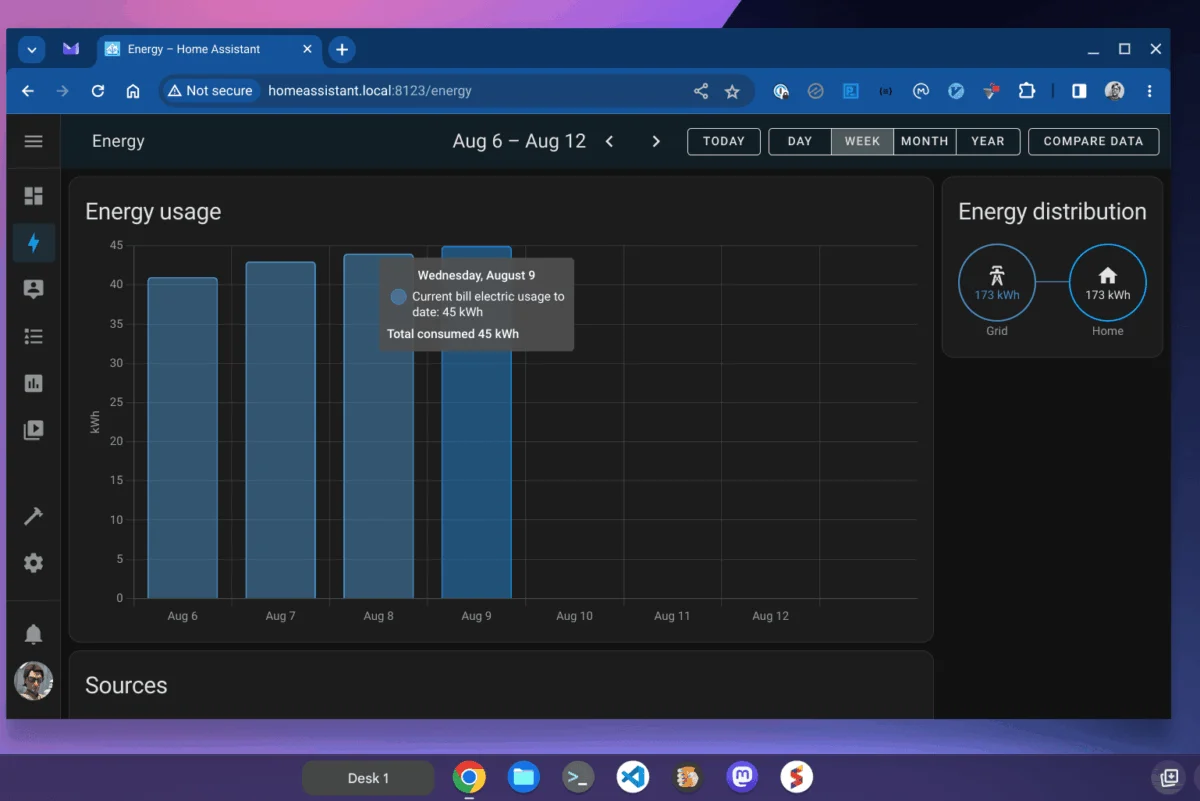
The personal journey of individuals embracing smart home technologies also provides valuable insights. Kevin Tofel’s experience and subsequent reaction to audience comments regarding his transition to Home Assistant illustrate the passionate and engaged community surrounding open-source smart home platforms. Such transitions often highlight the desire for greater control, customization, and data privacy, all of which can be enhanced by edge intelligence solutions.
The practicalities of smart home management, including the integration of devices like the Amazon Echo Show, remain a focal point for many users. Understanding which devices work seamlessly with existing ecosystems and how to maximize their functionality is a constant area of interest and a testament to the ongoing evolution of consumer-facing smart technology.
Conclusion: A Glimpse into the Future of Intelligent Operations
Honeywell’s strategic focus on TinyML represents a significant step towards a future where industrial operations are more autonomous, secure, and efficient. By embedding intelligence directly at the source of data generation, the company is not only optimizing its existing product lines but also paving the way for entirely new service offerings and business models. As the industrial world continues to embrace digital transformation, the insights and advancements driven by TinyML, as championed by companies like Honeywell, will undoubtedly play a pivotal role in shaping its trajectory. The challenges and opportunities presented by this technology are vast, but the potential rewards – in terms of enhanced performance, reduced costs, and improved safety – are equally profound.
