

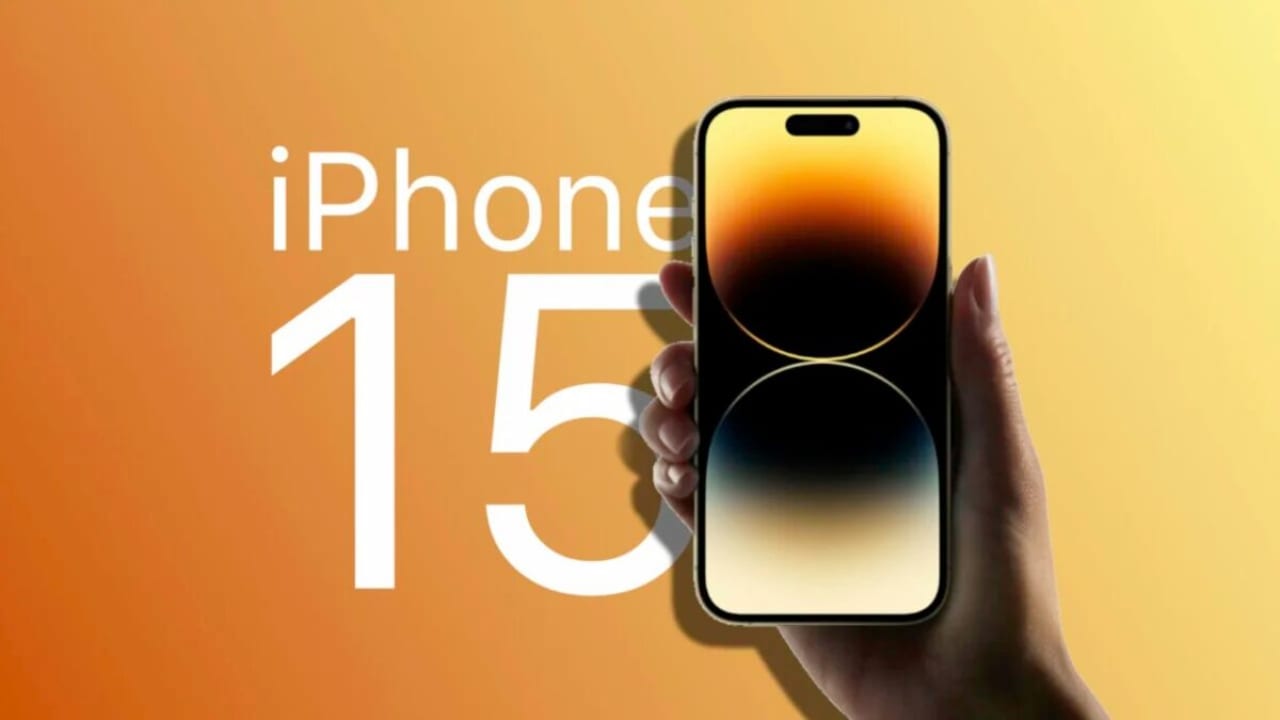
The global smartphone industry is currently observing a significant technological pivot as Apple prepares for the launch of the iPhone 15 series. Central to the discourse surrounding this release is the anticipated removal of physical SIM card slots in favor of an exclusively eSIM-based architecture. While the iPhone 14 lineup in the United States already pioneered this "eSIM-only" approach, reports from supply chain analysts and industry insiders suggest that Apple is poised to expand this design to international markets and specific high-end models within the iPhone 15 range. This shift represents more than a hardware change; it is a fundamental reconfiguration of how consumers interact with cellular networks and how devices are manufactured for a global audience.
Understanding the Evolution of eSIM Technology
An embedded SIM, or eSIM, is a digital, programmable SIM card that is integrated directly into the device’s motherboard during the manufacturing process. Unlike the traditional physical SIM card—which has shrunk over decades from the standard SIM to the Micro-SIM and finally the Nano-SIM—the eSIM requires no physical tray or external access point. It utilizes a technology known as Remote SIM Provisioning (RSP), allowing users to download carrier profiles over-the-air (OTA) rather than manually inserting a piece of plastic and silicon.
The GSMA (Global System for Mobile Communications Association) has championed the eSIM standard for several years, citing its potential to streamline device connectivity. For the end-user, the technology allows for the storage of multiple "profiles" on a single device, enabling easy switching between personal and professional numbers or the activation of local data plans when traveling abroad, all through the software interface of the iOS operating system.
The Chronology of Apple’s SIM Strategy
Apple’s trajectory toward a SIM-less device has been methodical. The journey began in 2018 with the introduction of the iPhone XS, XS Max, and XR, which were the first iPhones to support Dual SIM functionality via one physical Nano-SIM and one eSIM. This hybrid approach allowed the market to acclimatize to the digital transition while maintaining compatibility with legacy infrastructure.
In 2021, the iPhone 13 series furthered this by supporting Dual eSIM, allowing two eSIM profiles to be active simultaneously. The most radical step occurred in September 2022, when Apple removed the physical SIM tray entirely from all iPhone 14 models sold in the United States. This served as a massive real-world pilot program, testing the readiness of North American carriers to handle a sudden surge in eSIM activations. As the iPhone 15 launch approaches, reputable analysts, including Ming-Chi Kuo of TF International Securities, suggest that the "Pro" models of the 2023 lineup will likely see this eSIM-only design expand to European markets and beyond, signaling the beginning of the end for the physical SIM card in the premium smartphone segment.
Technical and Design Implications of a SIM-Less Chassis
The removal of the physical SIM tray is not merely an aesthetic choice; it offers tangible engineering advantages. In the highly competitive world of smartphone manufacturing, internal volume is the most precious commodity.
Internal Space Optimization
The physical SIM tray assembly, including the slot, the ejection mechanism, and the associated circuitry on the logic board, occupies a non-trivial amount of space. By eliminating these components, Apple’s engineers can repurpose that volume. This extra room could be utilized for a larger battery capacity, which remains a primary demand for consumers, or for the inclusion of new sensors and advanced haptic engines. As smartphones move toward a "portless" future, the SIM tray is viewed by designers as an archaic mechanical vulnerability.
Structural Integrity and Environmental Sealing
Every opening in a smartphone’s chassis represents a potential point of ingress for water and dust. While the iPhone has featured high IP68 ratings for years, the SIM tray remains a common failure point if the rubber gasket degrades or if the tray is not seated correctly. An eSIM-only iPhone 15 would feature a more unified, sealed frame, theoretically enhancing the device’s durability and long-term water resistance.
The Security Paradigm Shift
From a cybersecurity perspective, eSIM technology offers a robust defense against "SIM swapping," a form of identity theft where hackers trick a carrier into porting a victim’s phone number to a physical SIM card in the hacker’s possession. Because an eSIM is hardwired into the device’s secure element, it cannot be physically removed and placed into another phone. Furthermore, if an iPhone 15 is stolen, the thief cannot simply discard the SIM card to prevent the device from being tracked via "Find My" services; the digital profile remains locked to the hardware until the legitimate owner deactivates it.
Market Readiness and Carrier Responses
The success of an eSIM-only iPhone 15 depends heavily on the cooperation of global telecommunications providers. In the United States, major carriers like AT&T, Verizon, and T-Mobile were forced to optimize their digital onboarding processes to accommodate the iPhone 14. This involved the implementation of "eSIM Quick Transfer," a feature that allows users to transfer their cellular plan from an old iPhone to a new one via Bluetooth without carrier intervention.
However, the international landscape is more fragmented. In many regions, particularly in parts of Asia, Africa, and Eastern Europe, smaller or regional carriers have yet to invest in the infrastructure required for eSIM provisioning. Industry analysts suggest that Apple may face resistance in markets like China, where dual physical SIM slots are highly valued for their convenience in switching between regional carriers with different data pricing tiers. Consequently, Apple is expected to maintain physical SIM slots for the standard iPhone 15 models in specific regions, while pushing the eSIM-only mandate for the Pro models in more technologically mature markets.
Impact on the Global Travel and Secondary Markets
One of the most debated aspects of the eSIM transition is its effect on international travelers. Traditionally, a traveler would land in a foreign country and purchase a local "burner" SIM card to avoid exorbitant roaming fees. With an eSIM-only iPhone 15, this process becomes entirely digital.
While this allows travelers to purchase and install data plans before they even land, it requires them to use carriers that support eSIM. This could potentially alienate budget-conscious travelers who rely on small, local vendors in developing nations that only sell physical plastic cards. Conversely, the rise of eSIM-only devices has birthed a new industry of digital travel SIM providers, such as Airalo and Holafly, which offer global data packages through user-friendly apps.
The secondary or "used" market also faces a shift. When a consumer sells a physical-SIM iPhone, they simply pop out their card. With an eSIM device, a thorough "factory reset" and "data plan removal" process is required to ensure the device is ready for the next owner. This adds a layer of complexity to the resale process, though it also ensures that the device is less likely to be sold while still tied to an active, billing cellular account.
Strategic Outlook and Broader Industry Impact
Apple’s move toward eSIM-only devices is widely seen as a precursor to the "Portless iPhone," a theoretical device with no charging port, no buttons, and no physical openings. By forcing the industry to adopt eSIM, Apple is accelerating the obsolescence of physical connectors.
Economically, this shift reduces the logistics costs for carriers, as they no longer need to manufacture, store, or ship millions of plastic SIM cards. Environmentally, the reduction in plastic waste and the carbon footprint associated with shipping physical cards aligns with Apple’s stated goal of becoming carbon neutral across its entire business by 2030.
Competitors are expected to follow suit. Historically, when Apple removes a feature—such as the 3.5mm headphone jack or the in-box charger—the rest of the industry eventually adopts the same standard. Analysts predict that flagship devices from Samsung and Google will likely transition to eSIM-only designs in the North American and European markets within the next 24 to 36 months.
Conclusion
The rumored transition of the iPhone 15 to an eSIM-only design represents a pivotal moment in the history of mobile telecommunications. While the move offers clear benefits in terms of device security, internal engineering, and user convenience, it also introduces challenges regarding global carrier parity and the habits of international travelers. As the official unveiling of the iPhone 15 approaches, the industry will be watching closely to see how Apple balances its vision of a digital-first future with the practical realities of a global infrastructure that is still partially rooted in the physical world. The iPhone 15 will likely be remembered not just for its camera or processor upgrades, but as the catalyst that finally severed the mobile industry’s tie to the physical SIM card.
