
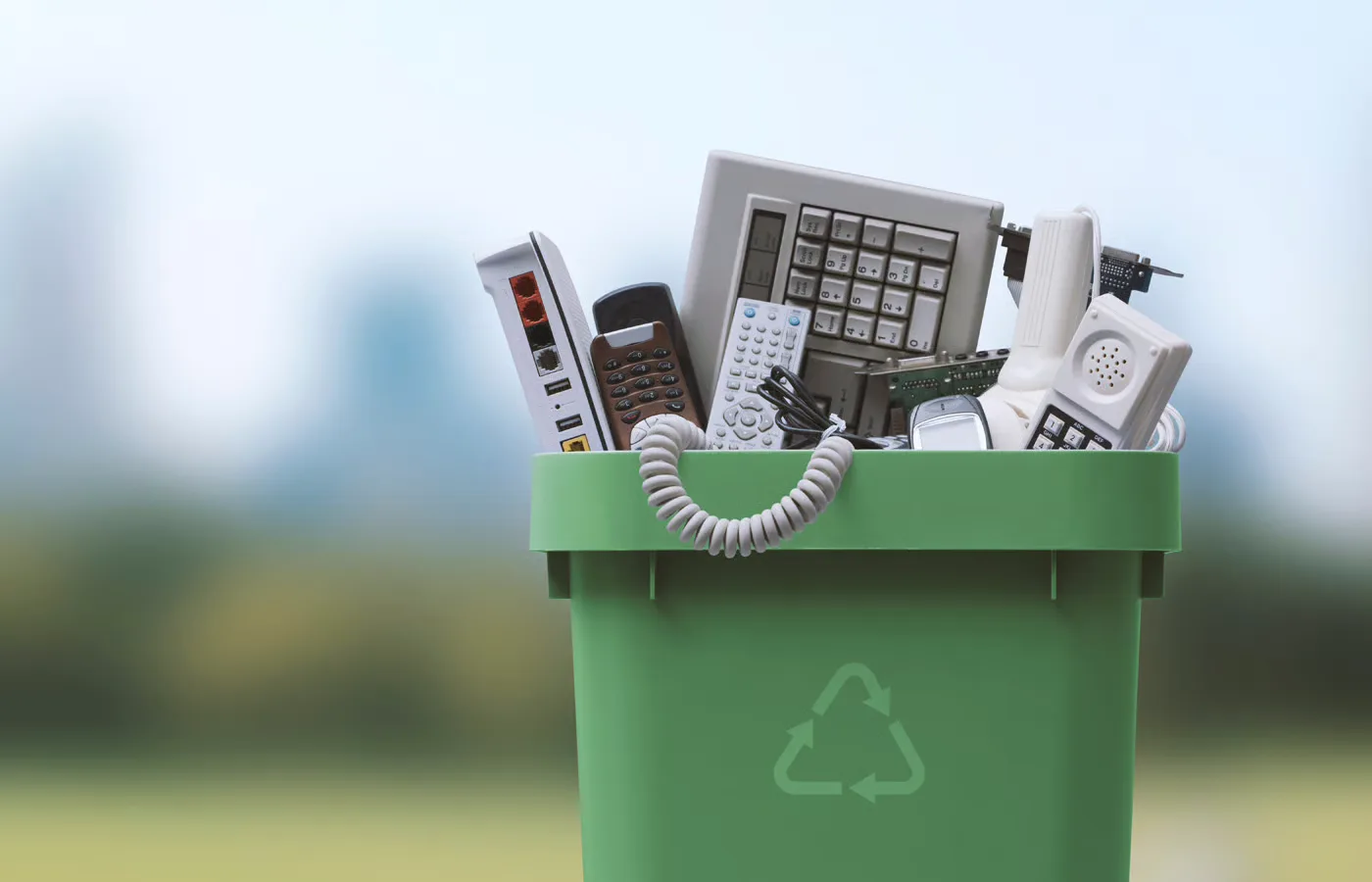

Electronic waste, or e-waste, represents a significant and escalating global challenge. This broad category encompasses all discarded electrical and electronic devices, ranging from the smallest personal gadgets like smartphones and MP3 players to larger household appliances such as refrigerators, air conditioners, and televisions. The inherent duality of e-waste lies in its potential for sustainable resource recovery through proper recycling, where valuable materials can be salvaged and reintroduced into the manufacturing cycle, alongside the substantial environmental and health risks posed by its hazardous components if mishandled.
The Accelerating E-Waste Crisis
The rapid pace of technological advancement, characterized by shorter product lifecycles and an insatiable consumer demand for the latest innovations, has propelled e-waste into becoming one of the most rapidly expanding waste streams worldwide. This phenomenon is a primary concern for Green IT initiatives, which aim to minimize the environmental impact of computing and technology. The complexity of e-waste lies in its composition: a dense amalgamation of precious metals like gold and copper, alongside toxic substances such as lead, mercury, and cadmium.
This surge in electronic consumption has led to an alarming accumulation of discarded devices. A stark illustration of this crisis emerged in 2019, when the United Nations University, in its Global E-waste Statistics Partnership, reported a staggering generation of 53.6 million metric tons of e-waste globally. Disturbingly, only a fraction, a mere 17.4%, of this colossal amount was officially documented as being collected and recycled. This statistic underscores the immense scale of the problem and highlights the urgent need for more robust and effective global strategies for e-waste management.
Deconstructing E-Waste: Types and Composition
E-waste is a multifaceted category, and understanding its various components is crucial for effective management. The types of e-waste can be broadly categorized as follows:
- Large Household Appliances: This includes items like refrigerators, washing machines, ovens, and air conditioners, often containing significant amounts of metals and refrigerants.
- Small Household Appliances: This category covers toasters, blenders, vacuum cleaners, and electric kettles, which are typically smaller but still contain valuable and potentially hazardous materials.
- IT and Telecommunications Equipment: This encompasses computers, laptops, monitors, keyboards, mice, printers, mobile phones, and network equipment. These devices are particularly rich in precious metals but also contain flame retardants and heavy metals.
- Consumer Electronics: This broad group includes televisions, radios, DVD players, digital cameras, gaming consoles, and audio equipment, all of which contribute to the e-waste stream.
- Electrical and Electronic Tools: Power drills, saws, and other electric tools, while often robust, eventually reach their end-of-life and require proper disposal.
- Toys, Leisure, and Sports Equipment: Electrically powered toys, treadmills, and other electronic sporting goods also fall under the e-waste umbrella.
- Medical Devices: While often handled with specific protocols due to potential biohazards, discarded medical equipment like imaging devices and monitors are also a form of e-waste.
- Monitoring and Control Instruments: Thermostats, smoke detectors, and various industrial sensors are electronic devices that become e-waste.
The inherent danger lies in the presence of hazardous substances within these devices. Lead, found in cathode ray tubes (CRTs) of older televisions and monitors, is a neurotoxin. Mercury, used in fluorescent backlights of flat-screen displays and batteries, is highly toxic to the nervous system. Cadmium, present in rechargeable batteries and semiconductor components, can cause kidney damage and cancer. Brominated flame retardants, used to prevent fire, can disrupt endocrine systems and persist in the environment.
Environmental and Health Repercussions
The improper disposal and treatment of e-waste carry severe consequences for both the environment and human health. When e-waste is dumped in landfills or incinerated without proper controls, the toxic substances can leach into the soil and groundwater, contaminating ecosystems and posing long-term risks. Air pollution can result from the burning of e-waste, releasing harmful dioxins and furans into the atmosphere.
Human health impacts are equally concerning. Exposure to heavy metals like lead and mercury can lead to developmental problems in children, neurological damage, and reproductive issues. Workers in informal e-waste recycling operations, often located in developing countries, are particularly vulnerable due to direct contact with hazardous materials without adequate protective measures. The World Health Organization (WHO) has highlighted the serious health risks associated with improper e-waste management, noting that children are especially susceptible to the toxic effects of lead and other contaminants found in e-waste.
Navigating E-Waste Management and Recycling
Effective e-waste management and recycling are paramount to mitigating its detrimental impacts. This involves a multi-faceted approach encompassing collection, processing, and material recovery.
The Recycling Process: A Detailed Look
While specific processes may vary depending on the type of e-waste and the recycling facility, the general stages of e-waste recycling typically include:
- Collection and Sorting: E-waste is collected through designated drop-off points, manufacturer take-back programs, and municipal collection events. At recycling facilities, it is meticulously sorted by type and material.
- Dismantling: Skilled technicians manually or mechanically dismantle devices to separate components. This stage allows for the removal of hazardous materials like batteries and CRTs, as well as the segregation of valuable components.
- Shredding and Granulation: Larger pieces of e-waste are shredded into smaller fragments, making it easier to process and separate materials.
- Separation of Materials: Advanced technologies are employed to separate the shredded materials based on their physical properties. This can include magnetic separation for ferrous metals, eddy current separation for non-ferrous metals like aluminum, and optical sorting for plastics.
- Refining and Recovery: Precious metals such as gold, silver, and palladium are extracted through smelting and chemical processes. Other valuable materials like copper, aluminum, and plastics are also recovered and prepared for reuse in manufacturing.
- Hazardous Material Treatment: Toxic components, such as mercury and lead, are handled and disposed of in specialized, environmentally sound facilities to prevent contamination.
Persistent Challenges in E-Waste Management
Despite established processes, several persistent challenges hinder effective e-waste management:
- Lack of Infrastructure: Many regions, particularly developing nations, lack the necessary infrastructure and trained personnel for safe and efficient e-waste processing.
- Informal Recycling Sector: A significant portion of e-waste is handled by the informal sector, often operating with rudimentary techniques that pose serious health and environmental risks.
- Economic Viability: The cost of proper e-waste recycling can be high, making it economically challenging to compete with informal or improper disposal methods. The fluctuating prices of raw materials can also impact the profitability of recycling operations.
- Consumer Awareness and Participation: A lack of public awareness regarding the importance of e-waste recycling and convenient disposal options often leads to improper disposal by consumers.
- Global Transboundary Movement: E-waste is often shipped across international borders, sometimes illegally, to countries with less stringent environmental regulations, exacerbating the problem in those regions.
- Technological Obsolescence: The rapid pace of technological change means that older, yet still functional, devices are often discarded in favor of newer models, increasing the volume of e-waste.
The Multifaceted Impact of Various Sectors
E-waste management is an intricate ecosystem influenced by numerous sectors, each playing a distinct role in the lifecycle and handling of electronic waste.
Corporate Responsibility: A Growing Imperative
The electronics industry, as the producer of these devices, bears a significant responsibility in addressing the e-waste crisis. This responsibility is increasingly being recognized and acted upon through various initiatives:
- Extended Producer Responsibility (EPR) Programs: Many companies are implementing EPR schemes, which hold producers responsible for the entire lifecycle of their products, including their collection and recycling at end-of-life.
- Design for Environment (DfE): Manufacturers are increasingly focusing on designing products that are more durable, repairable, and recyclable, using fewer hazardous materials and making disassembly easier.
- Take-Back and Recycling Programs: Companies are establishing their own take-back programs and partnering with certified recyclers to offer consumers convenient options for returning old devices.
- Supply Chain Transparency: Greater transparency in the supply chain is being sought to ensure that materials are sourced responsibly and that manufacturing processes minimize environmental impact.
- Investment in Recycling Technologies: Some corporations are investing in research and development of advanced recycling technologies to improve efficiency and recover more valuable materials.
The Crucial Role of Consumers
Ultimately, consumers are the end-users of electronic devices, and their choices significantly influence the e-waste landscape. Effective consumer participation is vital:
- Responsible Disposal: Consumers must prioritize returning old electronics to designated collection points, certified recyclers, or manufacturer take-back programs rather than discarding them in regular trash.
- Repair and Reuse: Opting for repair services for malfunctioning devices and considering the purchase of refurbished electronics can significantly extend product lifecycles and reduce waste.
- Informed Purchasing Decisions: Consumers can make more sustainable choices by supporting brands that demonstrate a commitment to environmental responsibility and product longevity.
- Awareness and Advocacy: Educating oneself and others about the impacts of e-waste and advocating for better recycling infrastructure and policies can drive positive change.
- Data Security: Consumers often overlook the importance of securely wiping personal data from devices before disposal. Reputable recyclers offer data destruction services to protect privacy.
Policies and Legislation: Shaping E-Waste Governance
The management of e-waste is increasingly governed by a complex web of policies and legislation at international, regional, and national levels. These regulations are critical in establishing frameworks for responsible collection, processing, and recycling, ensuring environmental protection and public health safety.
International Frameworks and Agreements
International frameworks and agreements play a pivotal role in establishing standardized guidelines and practices across nations, particularly for a transboundary issue like e-waste.
- The Basel Convention: This convention, adopted in 1989, controls the transboundary movements of hazardous wastes and their disposal. While it doesn’t explicitly list e-waste, it covers hazardous components often found within it, aiming to prevent the illegal dumping of hazardous wastes from developed to developing countries. Amendments to the convention have sought to provide clearer definitions and controls for e-waste.
- The WEEE Directive (EU): The Waste Electrical and Electronic Equipment Directive, enacted by the European Union, sets targets for the collection, recycling, and recovery of e-waste. It mandates that member states establish collection systems and ensure that e-waste is treated and disposed of in an environmentally sound manner.
- The Minamata Convention on Mercury: This global treaty aims to protect human health and the environment from the adverse effects of mercury. It has implications for e-waste management as mercury is a common component in electronic devices.
Regional and National Legislation
Regional and national laws provide the granular directives for implementing e-waste management strategies.
- United States: While the U.S. does not have a comprehensive federal e-waste law, several states have enacted their own EPR laws and regulations. For example, California has a robust e-waste recycling program funded by a small fee on new electronics. Other states have implemented bans on e-waste in landfills.
- China: China has implemented the "Measures for the Administration of the Recycling of Waste Electrical and Electronic Products," which establishes a producer responsibility system and outlines requirements for collection, processing, and resource recovery.
- India: India has enacted the E-Waste (Management and Handling) Rules, which place the onus on producers to manage e-waste generated from their products and establish collection centers.
- Japan: Japan’s "Home Appliance Recycling Law" mandates that consumers, manufacturers, and retailers share responsibility for the recycling of certain home appliances, including refrigerators, air conditioners, televisions, and washing machines.
Future Innovations: Charting a Path to Sustainable E-Waste Handling
As the global volume of e-waste continues to surge, the future of its management hinges on innovative solutions and forward-thinking strategies.
Advanced Recycling Technologies
The pursuit of more efficient and environmentally friendly recycling methods is driving significant technological advancements:
- AI-Powered Robotics: Artificial intelligence and robotics are being deployed to automate the sorting and dismantling of e-waste, increasing precision, speed, and safety, thereby reducing reliance on manual labor for hazardous tasks.
- Advanced Spectrometry: Techniques like X-ray fluorescence (XRF) and inductively coupled plasma mass spectrometry (ICP-MS) allow for more accurate identification and quantification of materials, enabling optimized recovery of valuable and hazardous elements.
- Bioleaching and Bioremediation: Emerging biological processes, such as bioleaching, utilize microorganisms to extract metals from e-waste in a more environmentally benign manner compared to traditional chemical methods.
- Urban Mining: This concept treats cities as potential sources of valuable materials, including those found in e-waste. Innovations focus on efficient extraction and recovery of metals and other resources from discarded electronics.
Design for Environment (DfE) Principles
A fundamental shift is occurring in product design, with a greater emphasis on sustainability throughout the product lifecycle:
- Modularity and Repairability: Products are increasingly being designed with modular components that can be easily replaced or upgraded, extending their lifespan and reducing the need for complete device replacement. Examples include modular smartphones and upgradeable computer systems.
- Reduced Hazardous Materials: Manufacturers are actively seeking alternatives to hazardous substances like lead, mercury, and brominated flame retardants, opting for safer materials that pose less risk during disposal and recycling.
- Disassembly for Recycling: Products are being designed for easier disassembly, allowing for more efficient separation of materials and a higher rate of successful recycling. This involves using fewer adhesives and more standardized fasteners.
Circular Economy Models
The adoption of circular economy principles is revolutionizing the electronics industry, moving away from a linear "take-make-dispose" model to one that emphasizes resource longevity and waste reduction:
- Product-as-a-Service (PaaS): In this model, consumers pay for the use of a product rather than owning it outright. This incentivizes manufacturers to produce durable, easily repairable, and recyclable electronics, as they retain ownership and responsibility for the product’s lifecycle. Examples include leasing agreements for IT equipment.
- Refurbishment and Remanufacturing: Significant efforts are being made to refurbish and remanufacture used electronics, giving them a second life and reducing the demand for new production. This also creates economic opportunities in the repair and refurbishment sector.
- Closed-Loop Recycling Systems: The goal is to create closed-loop systems where materials recovered from e-waste are directly fed back into the manufacturing of new electronic products, minimizing the need for virgin resources.
The Bottom Line: A Collective Responsibility for a Cleaner Future
Effective e-waste management is not a singular entity’s responsibility; it is a collective endeavor demanding the concerted efforts of governments, industries, and consumers. The integration of advanced recycling technologies, the adoption of sustainable product designs, and the implementation of robust policies are fundamental steps toward mitigating the profound environmental and health impacts of e-waste.
As we look towards the future, it is evident that the path to a cleaner planet hinges on our ability to adapt and evolve our e-waste handling methods. Embracing new technologies, actively participating in responsible recycling practices, and staying informed about the environmental implications of our electronic consumption are vital actions for all stakeholders. Businesses, in particular, hold a powerful position to drive change through their manufacturing choices, commitment to product longevity, and proactive engagement in recycling initiatives.
Beyond the immediate concerns of e-waste, organizations can further contribute to a more sustainable future by optimizing their operational efficiency. Improving data center and server room power consumption efficiency, for instance, not only curtails their environmental footprint but also leads to significant reductions in overhead costs. This holistic approach, encompassing responsible waste management and resource efficiency, is key to building a truly sustainable technological landscape.
