
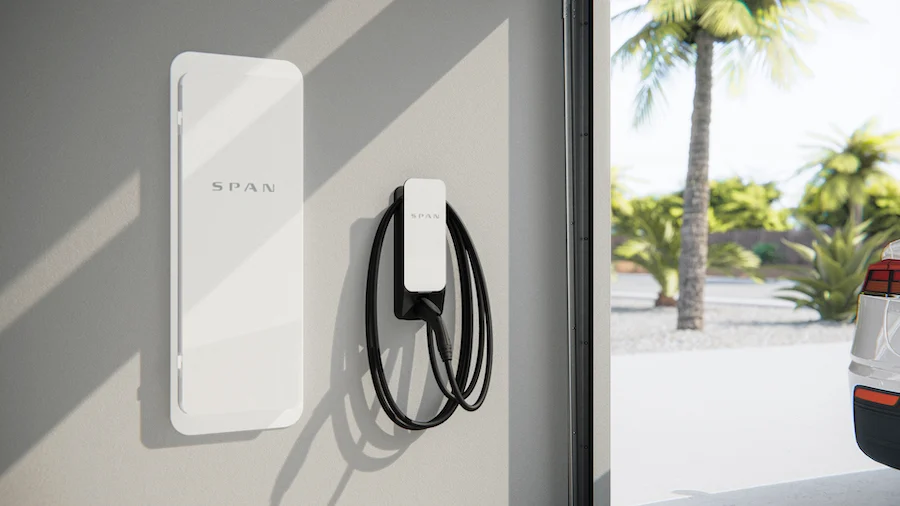

The relentless heatwaves gripping the nation this summer, coupled with increasing public awareness of the vulnerabilities within our power grids, have fostered a widespread understanding: smart homes must integrate some form of intelligent energy management. While a smart thermostat connected to a utility’s demand response program represents a current entry point, the landscape of residential energy control is rapidly evolving. Projections indicate that within the next decade, this will expand to encompass smart breaker boxes, sophisticated electric vehicle (EV) chargers, and potentially integrated solar power generation or energy storage solutions. The orchestration of these interconnected devices will be managed by advanced software, facilitating communication between in-home systems and utility providers to optimize power distribution, especially during periods of high demand or limited supply.
The journey toward a fully integrated smart home energy system, while promising significant benefits in efficiency and grid resilience, can appear daunting to the average homeowner. However, with emerging products from industry leaders such as Schneider Electric, Eaton, Leviton, Savant, and Span, the architectural blueprint for such systems is becoming increasingly defined. Furthermore, legislative initiatives, including those enacted under the Biden administration, are providing financial incentives for consumers to transition from conventional electrical infrastructure to smarter, more responsive alternatives. This policy environment aims to accelerate the adoption of technologies that can enhance grid stability and empower homeowners with greater control over their energy consumption.
Understanding the Urgency: Grid Vulnerabilities and Climate Realities
The impetus for adopting smart energy management solutions is underscored by recent events that have highlighted the fragility of existing power infrastructure. The summer of 2023, for instance, saw record-breaking temperatures across large swathes of the United States, leading to unprecedented strain on electrical grids. In some regions, this resulted in rolling blackouts and brownouts, disrupting daily life and posing risks to vulnerable populations. These incidents served as stark reminders of the need for more resilient and adaptable energy systems, capable of withstanding extreme weather events and managing peak demand more effectively.
The scientific consensus on climate change further amplifies the urgency. As global temperatures continue to rise, the frequency and intensity of extreme weather events are expected to increase, placing further stress on power grids. This necessitates a proactive approach to energy management, moving beyond passive consumption to active optimization and integration of distributed energy resources. Smart home technology, in this context, is not merely a convenience but a critical component of a broader strategy to ensure energy security and mitigate the impacts of a changing climate.
The Emerging Ecosystem of Smart Home Energy Management
The evolution of smart home energy management is a multi-faceted process involving hardware innovation, software development, and the integration of various energy-related devices.
From Smart Thermostats to Intelligent Breaker Boxes
Currently, the most accessible entry point for consumers into smart energy management is often through smart thermostats. These devices allow for programmable temperature control and, crucially, can participate in utility-sponsored demand response programs. During peak demand periods, utilities can remotely adjust thermostat settings, thereby reducing overall energy consumption and alleviating strain on the grid. This symbiotic relationship between consumers and utilities is a foundational element of smart grid evolution.
However, the future of smart home energy management extends far beyond thermostats. Industry analysts anticipate a rapid proliferation of smart breaker boxes, which offer granular control over individual circuits within a home. These advanced panels can monitor energy consumption at a circuit level, identify energy-hungry appliances, and even automatically shed non-essential loads during periods of high demand. This capability is particularly crucial as electrification trends, such as the adoption of electric vehicles and heat pumps, place increased demand on household electrical systems.
Smart EV chargers are another pivotal component. Beyond simply replenishing a vehicle’s battery, these chargers can be programmed to operate during off-peak hours when electricity rates are lower and grid demand is reduced. Some advanced chargers can even bidirectional energy flow, allowing a vehicle to act as a mobile power source for the home during outages or peak demand.
The integration of renewable energy sources, such as rooftop solar panels, and energy storage systems, like home batteries, further enhances the intelligence and resilience of the smart home energy ecosystem. These components, when managed by sophisticated software, allow homeowners to generate, store, and consume their own energy, reducing reliance on the grid and increasing energy independence.
The Role of Software and Interoperability
Central to this evolving ecosystem is intelligent software that acts as the brain of the smart home energy system. This software communicates with a diverse array of devices – from smart appliances and EV chargers to the smart breaker box and utility meters – to optimize energy flow. The goal is to ensure that critical loads receive the necessary power while non-essential loads are managed dynamically to maintain grid stability and minimize energy costs for the homeowner.
A significant challenge in this space remains interoperability. The lack of universal standards for communication between different manufacturers’ devices can create fragmented systems and limit the full potential of smart energy management. However, progress is being made. Initiatives from organizations like the Connectivity Standards Alliance (CSA), with its Matter standard, aim to create a unified protocol for smart home devices, which should eventually extend to energy management systems.
Taking the First Practical Steps: The Home Energy Audit
For the average homeowner, the prospect of overhauling an entire electrical system can seem overwhelming and prohibitively expensive. Fortunately, there are practical, accessible first steps that can lay the groundwork for future smart energy upgrades.
Navigating the Breaker Box: A DIY Audit
The initial and most crucial step is to conduct a thorough audit of your existing breaker box. This process, which can be performed with the assistance of a friend or family member via a phone call, involves systematically identifying which outlets and appliances are connected to each circuit.
Procedure for a Breaker Box Audit:
- Preparation: Gather a notepad, pen, and a cellphone. Inform your assistant to stand by the breaker box.
- Circuit Identification: Begin with the first breaker switch. Ask your assistant to flip it off.
- Outlet and Appliance Mapping: Go through your home and systematically check each electrical outlet and appliance. Identify which outlets lose power when the specific breaker is switched off. For larger appliances, note their location and the breaker that controls them.
- Documentation: On your notepad, create a detailed list for each circuit. For example, "Circuit 3: Kitchen Outlets (West Wall), Refrigerator."
- Repeat: Continue this process for every breaker in your panel.
- Record Empty Circuits and Headroom: As you document, pay close attention to any breaker switches that are not in use or any circuits that appear to control very few devices. This "headroom" can be valuable for future installations.
This audit provides a foundational understanding of your home’s electrical architecture. It helps you identify which appliances are critical and which might be candidates for load shedding during peak demand. Furthermore, it reveals potential capacity for new electrical loads.

Assessing Future Needs and Potential Upgrades
The information gathered from the breaker box audit is invaluable for planning future electrification projects. As homeowners increasingly consider the adoption of all-electric appliances, such as heat pumps for heating and cooling, induction stoves, and electric vehicle chargers, understanding current electrical capacity becomes paramount.
Many older homes were not designed to accommodate the significant power demands of these modern appliances. If your audit reveals a lack of available circuits or insufficient amperage for your planned upgrades, an electrical system upgrade may be necessary. This typically involves increasing the service amperage to your home and potentially replacing the existing breaker box with one that can handle the increased load.
For homeowners in older residences lacking sufficient headroom, options may include upgrading the electrical service to a higher amperage rating (e.g., from 100 amps to 200 amps). This is a significant undertaking that requires professional consultation and installation by a licensed electrician. The cost of such an upgrade can range from several hundred to several thousand dollars, depending on the complexity of the work and local labor rates.
Exploring Smart Breaker Box Solutions: Functionality and Options
While a full electrical system upgrade can be a substantial investment, smart breaker boxes offer a pathway to more intelligent energy management, even within existing electrical constraints. The market for these devices is maturing, with various solutions catering to different levels of homeowner engagement and technical expertise.
Passive Monitoring vs. Active Control
Smart breaker boxes generally fall into two categories: those offering passive energy monitoring and those providing active control over circuits.
-
Passive Monitoring Devices: Products like Sense and Emporia devices are installed within the existing breaker box. They utilize sensors to track energy consumption across different circuits and provide homeowners with detailed data through a mobile app. While these devices offer valuable insights into energy usage patterns – for example, identifying that a refrigerator consumes 500 watts daily – they do not allow for direct control over individual circuits. The inability to act on this information, such as temporarily deactivating a non-essential appliance, can be a source of frustration for users seeking immediate energy-saving capabilities.
-
Active Control Systems: More advanced smart breaker boxes, or systems that integrate smart circuits, offer the ability to remotely turn individual circuits on and off. This granular control empowers homeowners to manage specific loads, such as turning off non-essential circuits during peak demand or scheduling the operation of high-draw appliances for off-peak hours. Some manufacturers offer complete smart breaker box replacements, while others provide individual smart circuit breakers that can be retrofitted into compatible panels.
Proprietary Software and Open-Source Alternatives
A common characteristic of many smart breaker box solutions is their reliance on proprietary software. This means that the smart circuits and the management app are typically designed to work within a specific manufacturer’s ecosystem. While this can offer a streamlined user experience, it can also lead to vendor lock-in and limit interoperability with other smart home devices.
For technically inclined DIY enthusiasts, open-source smart home energy management solutions are emerging. These platforms, often requiring a higher degree of technical expertise to set up and maintain, offer greater flexibility and customization, allowing users to integrate devices from various manufacturers and develop bespoke energy management strategies.
The Future of Home Energy Management: Integration and Intelligence
The ultimate vision for smart home energy management involves a deeply integrated system where all electrical devices communicate seamlessly with each other and with the utility grid. This interconnectedness will enable highly sophisticated energy optimization strategies, responding in real-time to grid conditions, energy prices, and homeowner preferences.
Early Adopters and Pilot Programs
Platforms like Samsung’s SmartThings Energy offer a glimpse into this future. By integrating with smart meters and supported smart appliances, SmartThings Energy provides users with visibility into their energy consumption and allows them to activate power-saving modes on compatible devices. While this system is not yet perfect and faces challenges related to standardization, it represents a significant step toward a more intelligent and responsive home energy environment.
The ongoing development of smart grid technologies, coupled with advancements in artificial intelligence and machine learning, will further refine these systems. Future smart energy management solutions will likely be capable of predictive load balancing, automated demand response participation, and optimized charging of electric vehicles based on grid capacity and renewable energy availability.
Broader Implications and a Call to Action
The transition to smart home energy management has profound implications beyond individual households. On a national scale, widespread adoption of these technologies can significantly enhance grid resilience, reduce the need for costly infrastructure upgrades, and contribute to achieving climate goals by facilitating the integration of renewable energy sources.
For homeowners, the benefits include potential cost savings on electricity bills, increased comfort and convenience through automated energy management, and a greater sense of energy independence and security. As the technology matures and becomes more accessible, it will empower consumers to become active participants in the energy transition.
The journey toward a smart energy future is not a monolithic event but a series of incremental steps. By starting with a simple energy audit of the breaker box, homeowners can gain crucial insights into their current energy consumption and lay the groundwork for informed decisions about future upgrades. As new appliances are purchased, prioritizing those with energy-efficient designs and smart capabilities will further contribute to a more sustainable and resilient home energy infrastructure. The momentum is building, driven by both environmental necessity and technological innovation, making the present an opportune time for homeowners to engage with the evolving landscape of smart energy management.
