

In a significant development shaping the future of industrial automation and data processing, Honeywell, a global leader in diversified technology and manufacturing, is strategically integrating Tiny Machine Learning (TinyML) into its extensive network of sensors and equipment. This proactive approach, spearheaded by Muthu Sabarethinam, Vice President of AI/ML Product and Services at Honeywell, aims to unlock unprecedented levels of efficiency, security, and responsiveness within industrial environments. The initiative represents a pivotal shift towards on-device intelligence, moving complex analytical capabilities from centralized cloud platforms directly to the edge, where data is generated.
The core of Honeywell’s TinyML strategy revolves around leveraging the vast data streams produced by its more than one million sensors currently deployed in the field. By enabling algorithms to run directly on these sensors, the company seeks to transform raw data into actionable insights with remarkable speed and efficiency. This move is not merely about technological advancement; it addresses critical operational imperatives, including enhanced security, reduced power consumption, and minimized latency, all of which are paramount in sensitive industrial applications.
The Imperative for On-Device Intelligence
Traditionally, sensor data has been transmitted to central servers or cloud platforms for processing and analysis. While this model has served well, it presents inherent challenges, particularly in environments where real-time decision-making is critical or where connectivity can be unreliable. TinyML offers a compelling alternative by allowing machine learning models to execute directly on microcontrollers embedded within sensors.
"The ability to process data locally on the sensor itself is a game-changer," explained Sabarethinam in a recent discussion. "It allows us to perform sophisticated analytics without the need to send massive amounts of data back and forth. This not only reduces bandwidth requirements and associated costs but also significantly improves response times, which can be crucial in preventing equipment failures or identifying anomalies in critical infrastructure."
The benefits of this distributed intelligence are multifaceted. For security, running algorithms at the edge can enable immediate detection of suspicious patterns or unauthorized access attempts without relying on external network communication, thus creating a more robust defense posture. In terms of power efficiency, processing data locally can dramatically reduce the energy expenditure associated with transmitting data over networks, extending the operational life of battery-powered sensors. Furthermore, by eliminating the latency associated with data transmission and cloud processing, TinyML enables near-instantaneous decision-making, a critical factor in high-speed industrial processes.
Honeywell’s Vision for Scalable TinyML Deployment
A key challenge in the widespread adoption of TinyML lies in the packaging and deployment of algorithms. For a company like Honeywell, which manages an expansive portfolio of industrial equipment, the ability to deploy and update these algorithms across a vast network of sensors efficiently is paramount. Sabarethinam highlighted the importance of developing standardized methods for algorithm packaging that facilitate seamless integration and management.
"We are focused on creating an ecosystem where algorithms can be easily developed, tested, and deployed onto our sensor hardware," Sabarethinam stated. "This involves developing frameworks and tools that abstract away the complexities of embedded systems, allowing our data scientists and engineers to focus on developing powerful AI models. The goal is to make it as straightforward as possible to bring new intelligence to our installed base of sensors, ensuring our customers always benefit from the latest advancements."
This approach to algorithm packaging is crucial for realizing the full potential of TinyML at scale. With millions of sensors already in operation, the ability to remotely update and manage the intelligence embedded within them offers significant operational advantages. It allows for continuous improvement of performance, adaptation to evolving conditions, and rapid deployment of new functionalities without the need for costly and disruptive on-site interventions.
Navigating the Complexities of Smart Home Technology
Beyond the industrial realm, the discussion also delved into the current state of the smart home industry, particularly the challenges plaguing the Matter standard. While Matter was introduced with the promise of simplifying smart home interoperability, early adoption has revealed significant hurdles. Issues related to Thread credentialing, a critical component for device communication, have been highlighted, leading to uneven device support and a less-than-seamless user experience.

The complexities surrounding Thread credentialing, as reported by various technology outlets including The Verge, have created a fragmented ecosystem. Users are encountering difficulties in setting up and connecting devices, a stark contrast to the user-friendly experience the standard was intended to provide. This situation underscores the ongoing tension between ambitious standardization efforts and the practical realities of vendor implementation and consumer adoption. The blame for these issues appears to be distributed, with both the standard itself and the vendors’ execution of it contributing to the current "mess."
Geopolitical Tensions and Emerging Technologies
The conversation also touched upon a concerning report from Kim Zetter regarding the potential for hacked radiation sensors in Chernobyl. This incident, if confirmed, highlights the severe security vulnerabilities that can arise when critical infrastructure is connected to networks and susceptible to cyberattacks. The implications are profound, raising questions about the security of industrial control systems and the potential for malicious actors to exploit them for devastating purposes.
In the semiconductor industry, a significant development is the formation of a new RISC-V company backed by major players such as Qualcomm, NXP, and Infineon. This collaboration signifies a growing industry momentum behind the open-standard RISC-V instruction set architecture, positioning it as a serious contender against established proprietary architectures. The move suggests a strategic effort to foster innovation and competition in the processor market, potentially leading to more cost-effective and customizable solutions for a wide range of applications.
Simultaneously, the proposed sale of an IoT module business to Renesas signals ongoing consolidation and strategic realignments within the Internet of Things (IoT) sector. Such acquisitions can lead to a concentration of expertise and resources, potentially accelerating the development of new IoT solutions but also raising questions about market competition and the availability of specialized components.
Innovations in Drone Technology and Energy Management
The emergence of drone startups is also shaping new technological frontiers. One such startup is reportedly building an on-demand drone network that functions akin to a satellite network, offering widespread coverage for various applications. This ambitious project has the potential to revolutionize logistics, surveillance, and infrastructure monitoring, providing a flexible and rapidly deployable alternative to traditional network solutions. The implications for critical infrastructure protection, as mentioned in their funding announcement, are particularly noteworthy, suggesting a future where drones play a vital role in safeguarding essential services.
On a more personal note, the discussion touched upon the audience’s reactions to Kevin’s transition to Home Assistant. This experience offers a valuable insight into the challenges and rewards of migrating to advanced home automation platforms, underscoring the importance of user feedback and community support in the adoption of new technologies.
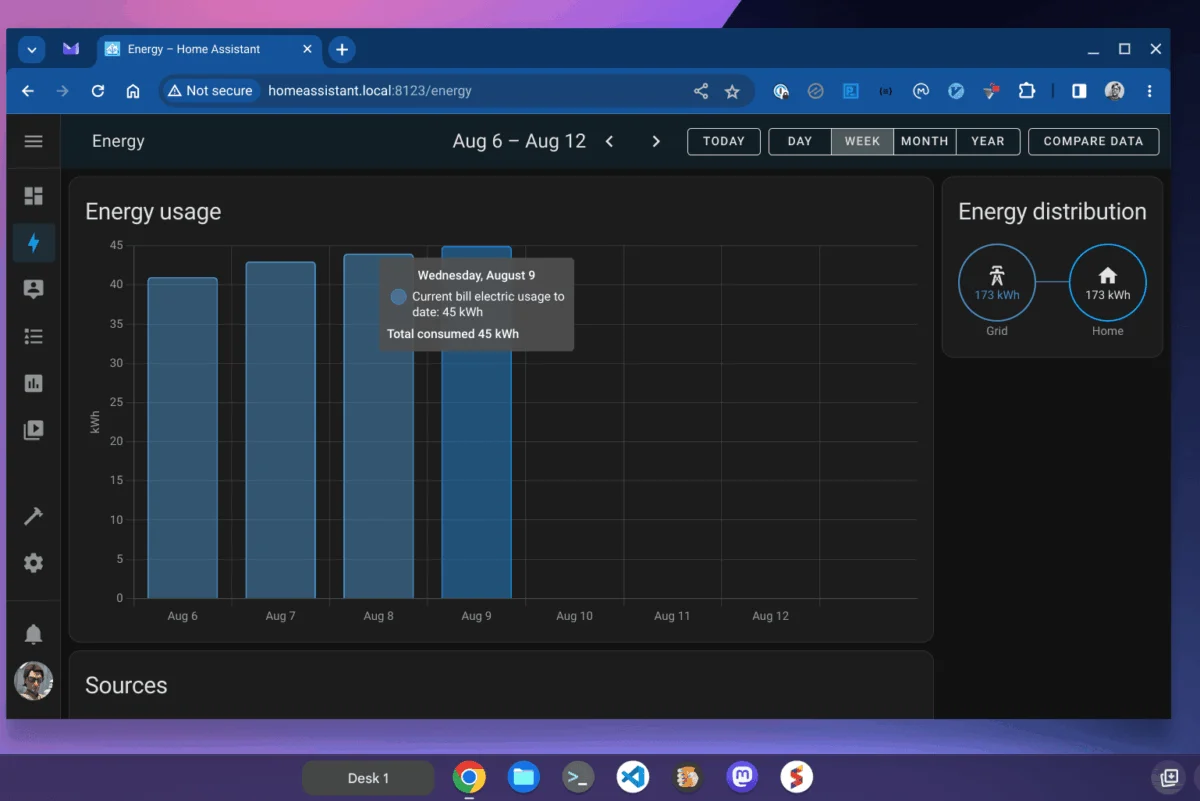
Furthermore, practical advice was offered on preparing homes for smart energy management programs. As utility companies increasingly implement dynamic pricing and demand-response initiatives, homeowners can take proactive steps to optimize their energy consumption, reduce costs, and contribute to grid stability. This includes understanding energy usage patterns, investing in smart thermostats, and considering energy-efficient appliances.
Addressing Listener Inquiries on Smart Devices
The podcast segment also included a listener question regarding the Amazon Echo Show and compatible devices. This addresses a common consumer need for clarity on the interoperability of smart home ecosystems, highlighting the ongoing efforts to create a more integrated and user-friendly smart home experience. The complexities of device compatibility remain a significant factor in consumer adoption, and guidance on navigating these challenges is highly valued.
The Future of TinyML and Industrial IoT
Honeywell’s commitment to TinyML represents a forward-looking strategy that aligns with the broader trends in industrial IoT. By pushing intelligence to the edge, the company is not only enhancing the performance and security of its existing product lines but also laying the groundwork for entirely new service-based business models. The ability to offer data-driven services, predictive maintenance, and optimized operational insights directly from the equipment itself promises to deliver significant value to customers across diverse industries.
The success of this initiative will likely hinge on Honeywell’s ability to foster a robust ecosystem for algorithm development and deployment, collaborate effectively with hardware partners, and clearly articulate the value proposition to its customer base. As the industrial landscape continues to evolve, driven by the relentless pursuit of efficiency, resilience, and intelligence, TinyML is poised to play an increasingly critical role, and Honeywell’s strategic embrace of this technology positions it at the forefront of this transformative wave. The company’s focus on packaging algorithms for scalability and addressing customer demands for data access suggests a comprehensive approach to integrating this powerful technology into the fabric of modern industry.
