
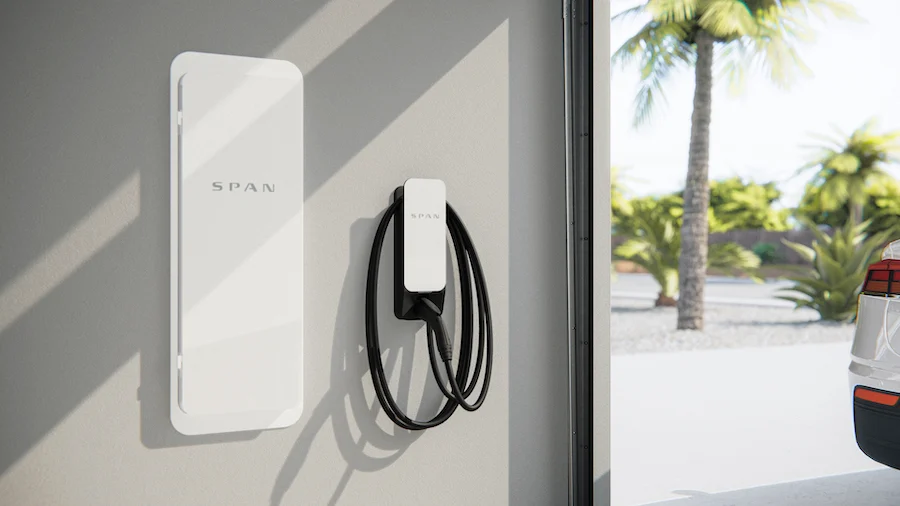

The escalating intensity of summer heatwaves, coupled with a heightened awareness of the vulnerabilities inherent in our power grids, has fostered a widespread consensus: smart homes must integrate some form of intelligent energy management. While currently, this often manifests as a smart thermostat participating in a utility’s demand response program, the trajectory of technological advancement points towards a more comprehensive integration in the coming decade. Experts anticipate the inclusion of smart breaker boxes, intelligent electric vehicle (EV) chargers, and potentially solar power systems or other energy storage solutions. Orchestrating these diverse components will be sophisticated software, facilitating communication between in-home devices and utility providers to ensure optimal power distribution, especially during periods of high demand when resources may be constrained.
This transformative shift toward interconnected home energy systems, while promising, presents a complex undertaking. However, emerging products from leading manufacturers such as Schneider Electric, Eaton, Leviton, Savant, and Span are beginning to define the architecture of future smart home energy management. Furthermore, legislative actions, including those enacted under the Biden administration, offer financial incentives designed to encourage homeowners to transition from traditional electrical infrastructure to more advanced, smart alternatives. These governmental initiatives underscore a national imperative to modernize the grid and enhance energy resilience.
For the average homeowner, the prospect of overhauling an entire electrical system can appear significantly more daunting than simply replacing a thermostat. This raises a crucial question: what is the most accessible and practical approach for individuals to begin smartening their home’s energy infrastructure?
Understanding Your Existing Electrical Footprint: The Initial Audit
The foundational step toward intelligent energy management is one that can be undertaken immediately, without significant financial investment. This involves conducting a thorough audit of your home’s breaker box. The process is straightforward: enlist the assistance of a friend or family member who can be stationed at the breaker box. While on a phone call, this individual will systematically flip each breaker, while you, moving through the house, will observe which outlets and appliances cease to function when a particular circuit is de-energized. For each circuit identified, meticulously create a list detailing the specific outlets and the devices they power.
Maintaining this comprehensive list near the breaker box is invaluable. It provides a clear overview of your current electrical load distribution. Crucially, it will also highlight any available "headroom" – unused circuits or capacity. This information is vital for future planning, particularly if you are considering popular electrification projects such as installing an EV charger, a heat pump, or an induction stove. For residents of older homes lacking sufficient headroom, the installation of these modern appliances may necessitate an upgrade to a higher amperage electrical service and a corresponding increase in the capacity of the main electrical panel.
Navigating the Smart Breaker Box Landscape
Upgrading electrical service and panels can represent a substantial expense. For homeowners seeking a more conservative approach, a smart breaker box offers a compelling interim solution. These advanced panels can intelligently distribute power, potentially allowing for managed charging of electric vehicles during off-peak hours when other household appliances are not in use. While this strategy can alleviate immediate strain on the grid, it is important to recognize that it represents a partial, rather than a complete, solution for comprehensive energy management.
The market for smart breaker boxes is diversifying, offering various levels of functionality. Products like Sense and Emporia, for instance, are installed within existing breaker boxes and excel at monitoring energy consumption, providing detailed data on appliance usage. However, these devices typically do not offer active control over the circuits. While gaining insight into energy usage, such as a refrigerator consuming 500 watts daily, is informative, the inability to directly manage these loads can be a point of frustration for users aiming for active energy savings.
A more advanced category of smart breaker technology involves smart circuits that possess the capability to be remotely switched on and off. This empowers homeowners with granular control over individual loads, enabling them to actively manage energy consumption. Consumers can opt for a completely integrated smart breaker box or strategically replace individual breakers with smart circuit modules. A common characteristic of many of these solutions is their reliance on proprietary software platforms for load management. For highly technical individuals, open-source alternatives are also emerging, catering to the do-it-yourself enthusiast.
The Emergence of Integrated Smart Home Energy Platforms
To gain a practical understanding of how more futuristic smart home energy management systems might function, consumers can explore platforms like SmartThings Energy. This innovative solution leverages data from smart meters and real-time electricity rates to provide users with a detailed breakdown of power consumption for compatible appliances. For households equipped with Samsung appliances, the SmartThings app offers a "Power Savings" mode, enabling users to optimize appliance settings for reduced energy usage.
Despite these advancements, the smart home energy sector currently faces a challenge in establishing universal communication standards between diverse appliances and breaker box software. This lack of interoperability can limit the seamless integration and full potential of smart energy systems. Nevertheless, the industry is progressing towards greater standardization. In the interim, homeowners are encouraged to prioritize the energy audit of their existing electrical infrastructure and to consider the energy efficiency and smart capabilities of future appliance purchases, particularly those that are all-electric.

Historical Context and Regulatory Drivers
The impetus behind the current push for smart home energy management is not solely driven by technological innovation and consumer desire for efficiency. It is also significantly influenced by a confluence of environmental concerns and policy initiatives. The increasing frequency and intensity of extreme weather events, directly linked to climate change, have placed unprecedented stress on existing power grids. Events such as the widespread blackouts experienced during severe heatwaves in recent years have highlighted the fragility of the current energy infrastructure and the urgent need for greater resilience.
For instance, the summer of 2021 saw record-breaking temperatures across many parts of the United States, leading to surges in electricity demand for cooling. This surge, combined with other factors like grid maintenance and unexpected outages, pushed some regional grids to their operational limits. Utility companies, facing the challenge of meeting peak demand, increasingly rely on demand response programs, where consumers voluntarily reduce their electricity usage during critical periods in exchange for incentives. Smart thermostats, by automatically adjusting temperatures or responding to utility signals, have been an early and accessible entry point for consumers into this paradigm.
The legislative landscape has also played a pivotal role. The Bipartisan Infrastructure Law, signed into law in November 2021, allocates significant funding for grid modernization, including investments in smart grid technologies and energy storage. Furthermore, the Inflation Reduction Act of 2022 introduced a suite of tax credits and incentives aimed at promoting clean energy adoption and energy efficiency improvements in homes. These incentives can significantly offset the cost of upgrading to smart electrical panels, installing solar power systems, and purchasing energy-efficient appliances, making these investments more accessible to a broader range of homeowners.
The Evolving Timeline of Smart Home Energy Integration
The evolution of smart home energy management can be broadly categorized into distinct phases:
-
Early Adoption (Pre-2020s): This period was characterized by the emergence of individual smart home devices, such as smart thermostats and smart plugs. While offering some level of convenience and basic energy monitoring, these devices were largely isolated and did not represent a cohesive energy management strategy. Demand response programs were often managed through less sophisticated means, relying on manual adjustments or simpler programmable thermostats.
-
Nascent Integration (Early 2020s): The early 2020s saw the proliferation of more advanced smart home hubs and platforms, enabling a degree of interoperability between devices. Smart breaker box monitors, like those from Sense and Emporia, began to offer more granular insights into home energy usage. Utilities continued to expand their demand response programs, often integrating with smart thermostat manufacturers. The concept of home energy management began to shift from isolated device control to a more interconnected system.
-
Emerging Sophistication (Mid-2020s Onward): This current phase is marked by the introduction of smart breaker boxes with active control capabilities, intelligent EV chargers that can optimize charging schedules based on grid conditions and electricity prices, and the growing integration of home battery storage systems. Software platforms are becoming more sophisticated, capable of orchestrating complex energy flows within the home and communicating seamlessly with utility grids. Legislation and incentives are actively driving adoption, encouraging homeowners to replace outdated electrical infrastructure with smart alternatives. The development of open standards and improved interoperability between different manufacturers’ products is a key focus for this period.
-
Future Outlook (Late 2020s and Beyond): Projections suggest a future where home energy management is fully automated and highly intelligent. Homes will likely function as microgrids, capable of generating, storing, and intelligently distributing energy. AI-powered software will continuously optimize energy usage based on real-time grid conditions, weather forecasts, and household occupancy patterns. The integration of electric vehicles will be seamless, with vehicles not only drawing power but also potentially feeding energy back into the grid during peak demand events (vehicle-to-grid technology). The distinction between a "smart home" and an "energy-efficient home" will likely blur, as intelligent energy management becomes an intrinsic feature of modern living.
Implications for Homeowners and the Grid
The widespread adoption of smart home energy management systems carries profound implications for both individual households and the broader electrical grid. For homeowners, the immediate benefits include potential reductions in electricity bills through optimized energy usage and participation in incentive programs. The enhanced control offered by smart systems can also improve comfort and convenience, ensuring that essential appliances are powered when needed and non-essential loads are managed to reduce strain. Furthermore, the integration of home battery storage and solar power can provide a degree of energy independence and resilience against power outages.
From a grid perspective, the proliferation of smart homes offers a crucial pathway to enhanced stability and efficiency. By enabling utilities to remotely manage and shift electricity demand, smart systems can significantly reduce the need for expensive and often carbon-intensive "peaker plants" that are brought online only during periods of extreme demand. This load shifting capability is vital for integrating a higher percentage of intermittent renewable energy sources, such as solar and wind power, into the grid. As more homes become active participants in energy management, the grid can become more flexible, responsive, and resilient to disruptions, ultimately leading to a more sustainable and reliable energy future. The initial step, however, remains an informed understanding of one’s current energy consumption.
