
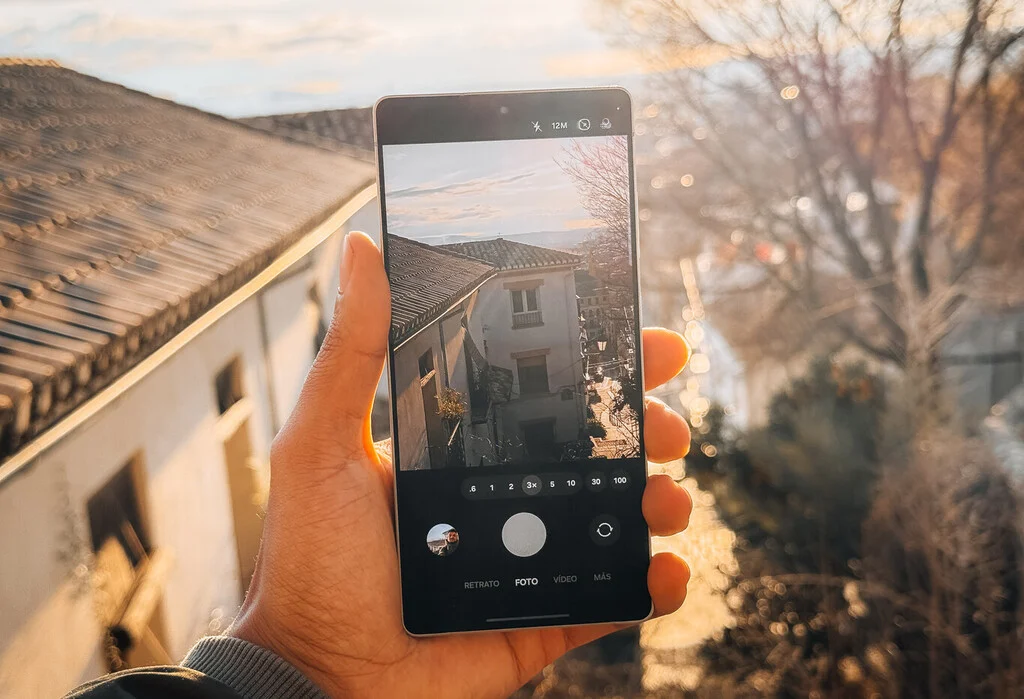

Samsung, a titan in the global smartphone industry, is actively addressing a significant software flaw affecting the camera system of its flagship Galaxy S25 Ultra. The issue pertains specifically to the "virtual aperture" feature within the Expert RAW application, a tool designed to offer advanced photographic controls akin to those found in traditional professional cameras. This computational photography feature, intended to simulate varying aperture settings for precise control over background blur (bokeh), has been identified by the company as producing inconsistent and often unnatural results, particularly when utilizing the device’s 5x optical zoom lens. Samsung has officially acknowledged the problem and has indicated that a resolution is anticipated with the upcoming One UI 8.5 software update, underscoring the company’s commitment to refining the user experience on its premium devices.
Understanding Virtual Aperture and Expert RAW: Pillars of Advanced Smartphone Photography
To fully grasp the gravity of this development, it is essential to contextualize the "virtual aperture" feature and the Expert RAW application within Samsung’s broader photographic strategy. Expert RAW is a specialized camera application developed by Samsung, distinct from the standard camera app, aimed at professional photographers and enthusiasts who demand greater manual control over their images. It provides granular adjustments typically found on DSLR or mirrorless cameras, including ISO sensitivity, shutter speed, white balance, manual focus, and exposure compensation. Critically, it also allows users to capture images in RAW format, preserving a wider range of image data for post-processing flexibility.
The virtual aperture function within Expert RAW is a sophisticated computational photography technique. Unlike traditional cameras, which use physical diaphragm blades to control the lens aperture and thus the depth of field, smartphone cameras often rely on software algorithms to simulate these effects due to their smaller sensors and fixed-aperture lenses. Virtual aperture leverages the device’s multiple cameras, depth sensors, and advanced image processing units (such as the Neural Processing Unit or NPU) to create a depth map of the scene. This map then allows the software to intelligently blur the background while keeping the subject sharp, simulating the shallow depth of field achieved with wide physical apertures (e.g., f/1.4, f/1.8) on larger camera systems. The ability to "virtually" adjust the aperture after a shot is taken or before, to fine-tune the intensity and quality of the background blur, is a compelling proposition for users seeking artistic control over their smartphone photography.
For a device like the Galaxy S25 Ultra, which is positioned as a leading contender in the premium Android segment, the camera system is a paramount selling point. Samsung has consistently invested heavily in enhancing its Ultra series’ photographic capabilities, often showcasing advanced zoom, low-light performance, and a suite of AI-powered features. The inclusion and subsequent expansion of virtual aperture functionality reflect a strategic effort by Samsung to bridge the gap between traditional photography and mobile imaging, offering users tools that mimic the creative freedom of dedicated cameras.
The Genesis of the Issue: An Ambitious Expansion and Unforeseen Complications
The emergence of this bug follows closely on the heels of Samsung’s ambitious expansion of the virtual aperture feature on the Galaxy S25 Ultra. Previously, the functionality might have been more limited or optimized for standard wide-angle shots. However, recent updates specifically brought virtual aperture control to the device’s telephoto lenses, enabling users to apply the sophisticated background blur effect at 3x and, notably, 5x optical zoom settings. This expansion was a significant enhancement, as telephoto focal lengths naturally compress perspective and create a more pronounced sense of depth, making them ideal for portraiture and isolating subjects from their surroundings. The ability to further manipulate the bokeh at these zoom levels promised an even greater degree of creative control and a more professional aesthetic.
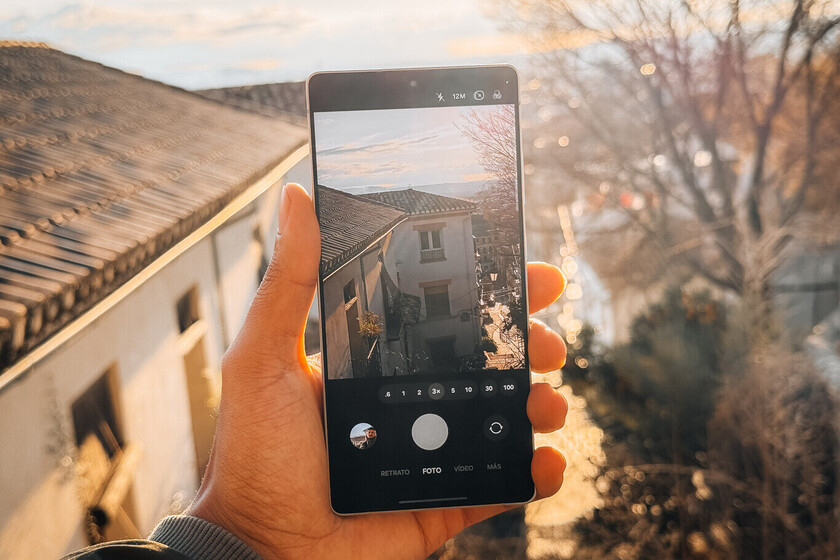
While the intention behind this expansion was undoubtedly to empower users with more versatile photographic tools, the implementation appears to have encountered unforeseen complications. Integrating complex computational photography algorithms across different optical zoom levels, each with its own lens characteristics and sensor data, presents a formidable engineering challenge. The precise mapping of depth information, accurate subject-background separation, and the rendering of a natural-looking blur require immense processing power and finely tuned software. It is within this intricate interplay of hardware and software, particularly at the demanding 5x zoom, that the current flaw has manifested. This scenario is not uncommon in the fast-paced world of smartphone technology, where new features are rapidly developed and deployed, sometimes leading to initial imperfections that require subsequent refinement.
Deep Dive into the Flaw: Distorted Bokeh and Unnatural Backgrounds
The core of the problem, as identified by Samsung and reported by users, lies in the quality of the simulated background blur produced by the virtual aperture feature. Instead of rendering a smooth, creamy, and aesthetically pleasing bokeh that gently melts away the background, the affected images exhibit an irregular, uneven, and sometimes "messy" blur. This means that the transition between the sharp subject and the blurred background can appear abrupt or jagged, and elements within the background might not be uniformly diffused, leading to a pixelated or artifact-ridden appearance.
The issue is particularly pronounced when using the 5x zoom setting. This specific focal length is often favored for capturing flattering portraits or for isolating distant subjects, where a strong and natural background blur is highly desirable. When the virtual aperture feature is activated under these conditions, the resulting bokeh can detract significantly from the overall image quality, failing to deliver the professional-grade aesthetic that users expect from a premium device like the Galaxy S25 Ultra. The anomaly suggests a potential miscalculation in the depth mapping algorithm or an insufficient refinement in the blur rendering process, leading to an inconsistent application of the effect across the image plane. For a feature designed to enhance photographic artistry, a flaw that compromises the very essence of that artistic effect is particularly concerning.
Samsung’s Official Stance and the Path to Resolution: One UI 8.5
Crucially, Samsung has not ignored this critical feedback. The company has internally confirmed the existence of the bug, a testament to its responsiveness to user reports and its internal quality assurance processes. This official acknowledgment is a significant step, as it signals that the issue is being actively investigated and prioritized for resolution. The fact that Samsung has openly recognized the problem indicates a high degree of confidence that it is a software-based glitch, rather than a fundamental hardware limitation. This distinction is vital, as software issues are inherently more amenable to correction through over-the-air (OTA) updates, whereas hardware constraints would present a much more complex and potentially unresolvable challenge.
The good news for affected Galaxy S25 Ultra owners is that a fix is already in the pipeline. Samsung has stated that the correction for the virtual aperture bug is slated to arrive with the One UI 8.5 update cycle. One UI is Samsung’s custom Android user interface, and major point releases like 8.5 typically bring a host of improvements, new features, and bug fixes across the system. While a precise release date for One UI 8.5 for all regions and carriers has not yet been announced, this commitment provides a clear roadmap for users awaiting a resolution. It signifies that Samsung is not merely "investigating" but has identified the root cause and is actively developing and testing the patch. This proactive approach is essential for maintaining consumer trust, especially for a device whose camera prowess is a cornerstone of its market appeal.
The Broader Context of Flagship Photography and Market Expectations
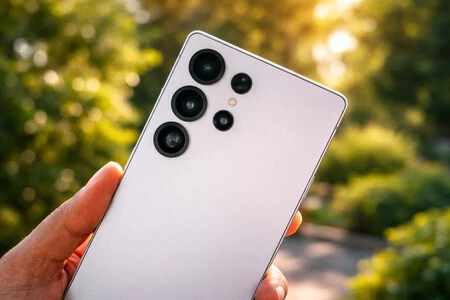
The Galaxy S25 Ultra operates in a highly competitive segment of the smartphone market, where camera performance is often the primary battleground among manufacturers. Devices like Apple’s iPhone Pro series and Google’s Pixel line have also pushed the boundaries of computational photography, offering their own sophisticated portrait modes and advanced imaging capabilities. Google, in particular, has been lauded for its mastery of computational photography, often achieving impressive results with smaller sensors through intelligent software processing. Apple’s Cinematic Mode and Portrait Mode also demonstrate the industry’s focus on delivering professional-looking depth effects to a wider audience.
In this context, any flaw in a key camera feature of the S25 Ultra, especially one designed to elevate its "pro" credentials, attracts considerable scrutiny. Consumers purchasing ultra-premium smartphones expect nothing less than flawless performance, particularly from features heavily marketed as differentiating factors. The S25 Ultra, with its array of high-resolution sensors, advanced lenses, and powerful NPU, is engineered to be a photographic powerhouse. The virtual aperture feature, by offering fine-tuned control over depth of field, was intended to solidify its position as a top-tier photographic tool capable of delivering nuanced and artistic results. Therefore, the current bug, while seemingly minor in the grand scheme of the device’s capabilities, impacts a feature that is central to Samsung’s messaging about the S25 Ultra’s photographic excellence.
Implications for User Experience and Brand Reputation
The immediate implication of this bug is a degraded user experience for those who rely on or wish to utilize the advanced virtual aperture feature. For photographers who consciously choose Expert RAW for its manual controls and creative potential, an inconsistent or flawed bokeh effect can be deeply frustrating. It undermines the very purpose of the tool, leading to images that fall short of expectations and potentially requiring more post-processing to correct, if correction is even possible. This can diminish the satisfaction derived from using a high-end device and erode confidence in its advertised capabilities.
From a brand reputation perspective, Samsung’s prompt acknowledgment and commitment to a fix are critical. In the digital age, news of software bugs spreads rapidly, particularly within enthusiast communities and tech media. While initial reports of a bug can cause concern, a transparent and responsive approach by the manufacturer can mitigate potential damage to brand perception. By openly addressing the issue and providing a clear timeline for a resolution, Samsung demonstrates accountability and a dedication to product quality and customer satisfaction. This proactive communication can reinforce user loyalty and reassure potential buyers that any initial kinks will be swiftly ironed out. Ignoring such a flaw, especially in a flagship device, could have far more severe long-term consequences for the brand’s image as a leader in mobile innovation and quality.
The Future of Computational Photography and Samsung’s Strategy
This incident also serves as a poignant reminder of the inherent complexities and ongoing challenges in the field of computational photography. As smartphone manufacturers push the boundaries of what tiny sensors and lenses can achieve, they increasingly rely on sophisticated software algorithms and artificial intelligence to process, enhance, and even invent visual information. While this approach has led to astonishing advancements in image quality and versatility, it also introduces new vectors for potential flaws. The delicate balance between aggressive image processing and maintaining a natural, artifact-free aesthetic is a constant tightrope walk for engineers.
For Samsung, this bug and its subsequent fix are part of an ongoing evolutionary process. The company is clearly committed to advancing its camera technology, not just through hardware upgrades but also through increasingly intelligent software. The virtual aperture feature, despite its current hiccup, represents a significant step towards offering users more creative control. Once the bug is resolved, the enhanced virtual aperture at 3x and 5x zoom will likely become a highly valued tool for many S25 Ultra users, allowing them to capture truly striking and professional-looking images directly from their smartphone. This commitment to iterative improvement and swift problem-solving is crucial for Samsung to maintain its competitive edge and continue leading the charge in the ever-evolving landscape of smartphone photography. The resolution expected with One UI 8.5 will undoubtedly be a welcome development, reaffirming the S25 Ultra’s status as a formidable photographic instrument.
