

The rapid proliferation of artificial intelligence (AI) and machine learning (ML) workloads has exposed a critical challenge within the cloud-native ecosystem: the lack of standardization in running these complex applications on Kubernetes. Historically, deploying AI models on Kubernetes has been akin to navigating a minefield, with configurations that performed flawlessly on one cloud provider often failing dramatically on another due to discrepancies in GPU drivers, network configurations, or autoscaling behaviors. This inconsistency has become a significant impediment as organizations strive to move their AI initiatives from experimental innovation labs into robust, production-ready environments. Recognizing this urgent need, the Cloud Native Computing Foundation (CNCF) has launched the Kubernetes AI conformance program, a pivotal initiative designed to bring predictability, portability, and production readiness to the deployment of AI and ML workloads on Kubernetes, a platform already embraced by approximately 80% of enterprises for its ability to manage fluctuating traffic demands.
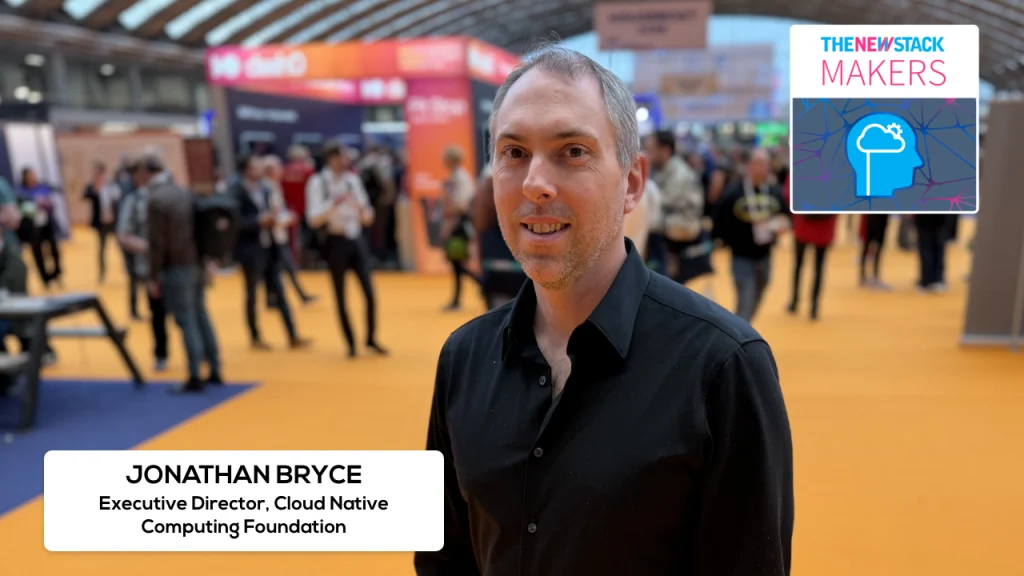
The stakes for this standardization are exceptionally high, underscored by the projected exponential growth of AI compute. Jonathan Bryce, Executive Director of the CNCF, speaking from the recent KubeCon + CloudNativeCon event in Amsterdam, highlighted the dramatic shift in AI compute allocation. "By the end of 2026, from the amount of compute that’s dedicated to AI workloads, two-thirds of it is going to be for inference, and a third of it is going to be for training," Bryce stated. "Three years ago, that was completely flipped. This is shifting really rapidly, and we’re going to have 93 gigawatts of compute power dedicated to inference by the end of the decade, which is more than all other compute combined." This projection signifies a maturing AI landscape where the focus is shifting from model creation to widespread real-world application.
Bridging the Gap: The Imperative for AI Workload Standardization
The transition to widespread AI inference deployment presents unique operational challenges. Unlike traditional AI training, which often occurs in overnight batches, inference is a real-time, always-on process that demands low latency and high availability. Kubernetes, with its inherent capabilities for orchestration, scaling, and resilience, is ideally positioned to address these demands. Jimmy Song, VP of the open-source ecosystem at Dynamia.AI, has emphasized this point, describing Kubernetes as the "ideal runtime for AI inference" due to its ability to deliver "elastic, cost-efficient, low-latency model serving with GPU-aware autoscaling, versioning, and observability." Song further draws a parallel to the evolution of cloud-native microservices, stating that "AI Inference is retracing the path of cloud-native microservices, only the underlying compute has shifted from CPU to GPU."
The CNCF’s Kubernetes AI conformance program directly addresses this need by establishing a set of rigorous standards. The program ensures that Kubernetes clusters are capable of handling the demanding requirements of specialized hardware like Graphics Processing Units (GPUs) and Tensor Processing Units (TPUs), as well as the complexities of AI-specific scheduling. This standardization aims to eliminate the need for bespoke, cloud-provider-specific customizations, thereby enhancing interoperability and reducing vendor lock-in.
A Collaborative Effort: Early Adopters and the Path Forward
The program, which officially launched in November 2025, has already garnered significant traction among key industry players. Prominent early adopters include the "big three" cloud providers, Red Hat, and Nvidia, underscoring the widespread recognition of the need for this standardization. The participation of major European cloud provider OVHcloud also highlights a growing emphasis on cloud sovereignty within the European market, a theme that resonated strongly at KubeCon Europe 2026.
"It’s just growing so rapidly that there’s plenty of demand," Bryce remarked about the AI market. "So anything you can do to accelerate adoption in that market helps everybody who is a major player." This sentiment reflects the CNCF’s broader mission to foster open collaboration and accelerate the adoption of cloud-native technologies.
Introducing llm-d: A New Framework for Inference Orchestration
In line with the program’s objectives, the llm-d project was recently introduced into the CNCF incubator program. llm-d provides a pre-integrated, Kubernetes-native distributed reference framework and orchestration manager. Its primary goal is to bridge the gap between high-level control planes and low-level inference engines, streamlining the deployment and management of large language models (LLMs) and other AI inference workloads.
"It integrates vLLM, which is an open-source inference serving engine, into a Kubernetes cluster, where that makes a lot more specific decisions and opinionated deployment options that conformance program requires right now," explained Bryce. The llm-d project is set to collaborate closely with the CNCF AI conformance program, further solidifying interoperability across the cloud-native, open-source ecosystem.
Evolving Standards: The Dynamic Nature of AI Conformance
The CNCF’s approach to AI conformance is inherently dynamic, acknowledging the rapid pace of innovation in the AI field. "We start out with a fairly small set of requirements with the things that are going to be present in all environments," Bryce elaborated. Initial conformance criteria focus on the standardized exposure of accelerators into Kubernetes clusters. This is achieved through Kubernetes’ Dynamic Resource Allocation (DRA) feature, a relatively new addition to Kubernetes that launched in late 2025. DRA enables workloads to declaratively request specific types and quantities of accelerators for defined periods, abstracting away the underlying hardware complexities.
As the conformance program matures and AI-driven development continues to evolve, new requirements will emerge, particularly in areas such as networking and storage. Companies that have achieved conformance will be expected to re-certify their solutions to meet these updated standards. The cadence for recertification is anticipated to adjust as the program gains more experience and automates its testing processes.
Community Engagement and the Future of AI on Kubernetes
The CNCF is actively encouraging broader community involvement in shaping the future of AI conformance. Bryce issued a call for members of the cloud-native community, especially those from diverse vertical industries, to join the working groups dedicated to this initiative. "It’s really defined by the people who participate, to stay very close to real-world needs," Bryce stated, emphasizing the importance of aligning the conformance standards with practical, everyday requirements. This collaborative approach ensures that the standards remain relevant and address the common denominators needed across all environments, while also accommodating specialized security or regulatory demands that may fall outside the core specifications.
The journey towards fully standardized AI workloads on Kubernetes is ongoing. The CNCF’s AI conformance program represents a critical step in de-risking AI deployments, fostering greater innovation, and accelerating the adoption of AI across industries by providing a reliable and consistent foundation for these transformative technologies. The program’s commitment to adaptability and community-driven evolution suggests a future where AI and Kubernetes will be inextricably linked, powering the next wave of technological advancement.
