
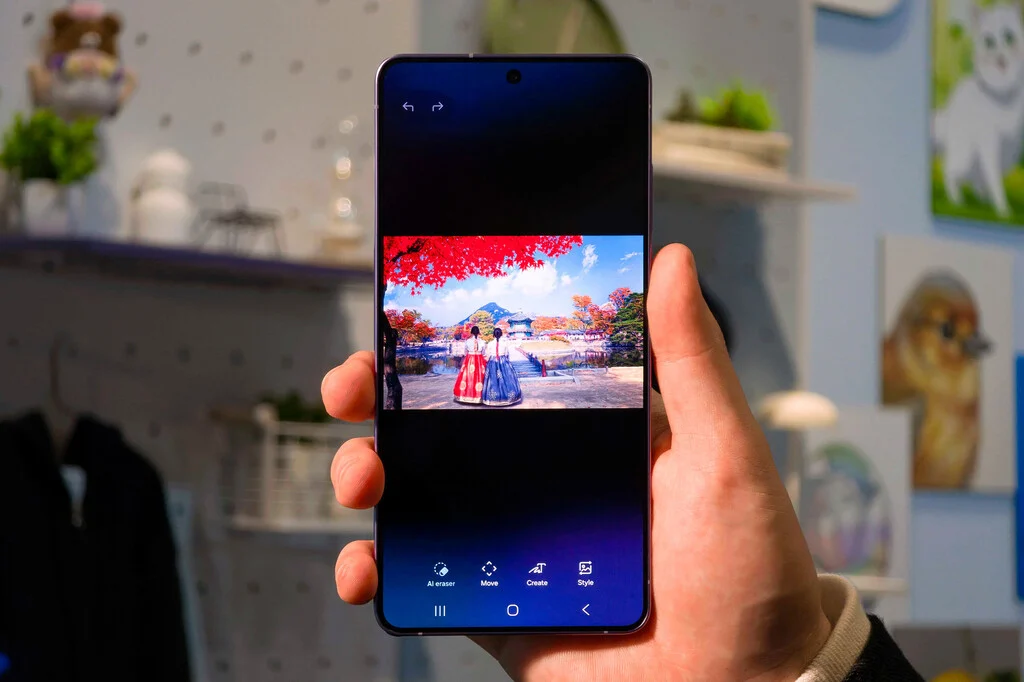

As warmer weather beckons and outdoor activities increase, many individuals find themselves reaching for their smartphones more frequently to capture moments. While the ubiquitous presence of a mobile device inherently ensures numerous photographic opportunities, owners of the latest Samsung Galaxy S26, S26+, and particularly the advanced Galaxy S26 Ultra, possess an exceptional tool for high-quality imaging. These devices boast cutting-edge camera hardware, often centered around a formidable 200-megapixel sensor in the Ultra model, complemented by sophisticated artificial intelligence and computational photography algorithms. However, a straightforward adjustment to a specific camera setting can significantly elevate the output quality, moving beyond the already impressive default performance without requiring users to delve into complex manual photography treatises or specialized professional modes. This often-overlooked enhancement, the introduction of a 24-megapixel (MP) resolution option, provides a crucial "sweet spot" for capturing images with superior detail and clarity, especially under optimal lighting conditions prevalent during seasons of abundant sunlight.
The Evolution of Smartphone Photography and Samsung’s Innovation
The landscape of photography has been dramatically reshaped by the advent of smartphones. Over the past decade, these handheld devices have transcended their basic communication functions to become primary photographic instruments for billions worldwide, effectively rendering traditional point-and-shoot cameras largely obsolete. This paradigm shift is attributable to a confluence of factors: the constant availability of the device, seamless integration with social media platforms, and, most importantly, rapid advancements in camera technology, both hardware and software.
Samsung, a titan in the mobile industry, has consistently been at the forefront of this photographic revolution. From pioneering multi-camera setups to integrating increasingly larger sensors and developing proprietary image processing engines, the company has relentlessly pushed the boundaries of what a smartphone camera can achieve. Key innovations include the development of high-megapixel sensors, such as the 108 MP and now 200 MP units, and the implementation of advanced computational photography techniques. These techniques leverage artificial intelligence and machine learning to perform tasks like scene recognition, dynamic range optimization, noise reduction, and image stacking, all to produce a final image that often surpasses the capabilities of the raw sensor data alone. Features like Expert RAW and Pro Mode offer granular control for enthusiasts, but Samsung also prioritizes user-friendliness, ensuring that even casual photographers can capture stunning images with minimal effort. The Galaxy S26 series, embodying the latest iteration of Samsung’s photographic philosophy, continues this legacy by integrating enhanced hardware with refined software, setting new benchmarks for mobile imaging.
Understanding Megapixels and Computational Photography: The Role of Pixel Binning
To fully appreciate the significance of the 24 MP setting, it is essential to understand how modern high-megapixel smartphone sensors operate. Devices like the Galaxy S26 Ultra feature a primary sensor that can capture an astounding 200 million pixels of information. However, by default, the camera often outputs images at a much lower resolution, typically 12 MP. This seemingly counterintuitive practice is a cornerstone of computational photography, known as "pixel binning."
Pixel binning involves combining data from multiple adjacent pixels on the sensor into a single, larger "superpixel." For instance, a 200 MP sensor might employ 16-in-1 pixel binning (known as nona-pixel binning) to produce a 12.5 MP image (200 MP / 16 = 12.5 MP, often rounded to 12 MP). The primary benefit of this technique is improved light sensitivity. By grouping multiple smaller pixels, the camera effectively creates a larger virtual pixel, which can gather more light. This is particularly advantageous in low-light conditions, where it helps reduce digital noise, enhance dynamic range, and produce brighter, clearer images. The 12 MP default setting has thus been optimized for versatility, aiming to deliver consistently good results across a wide range of lighting scenarios, including challenging dim environments.
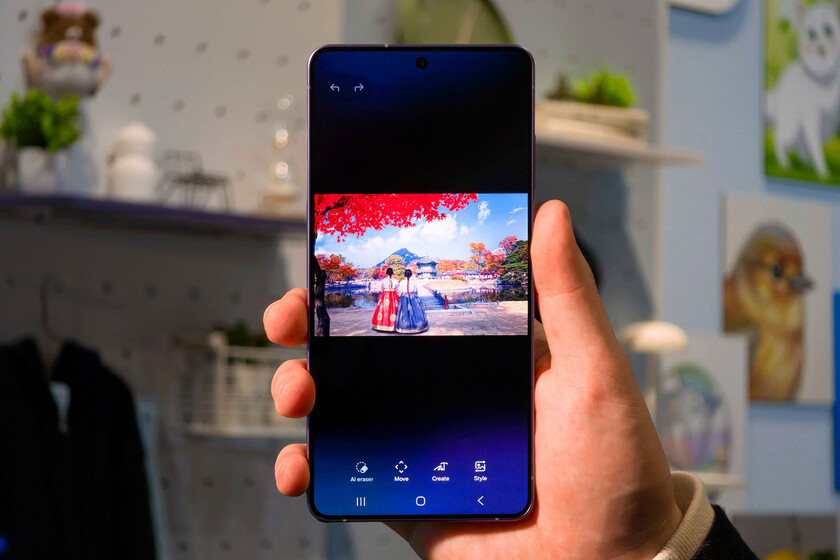
While effective for low light and general use, pixel binning at such a high ratio (16-in-1) can sometimes lead to a slight reduction in fine detail and overall sharpness when abundant light is available. In bright daylight, where light gathering is not a primary concern, the aggregated data from multiple pixels might not fully exploit the sensor’s native resolution capabilities for intricate details. This is where the new 24 MP option emerges as a strategic enhancement.
The Strategic Advantage of the 24 MP Resolution
Until the introduction of the Galaxy S26 series, previous Samsung flagships, such as the Galaxy S25 running One UI 8, typically offered resolution choices of 12 MP, 50 MP, and 200 MP (on models with such high-resolution sensors). The 12 MP setting, as discussed, prioritized light gathering and noise reduction. The 50 MP and 200 MP options, while offering immense detail, came with their own set of considerations. Capturing images at 50 MP or 200 MP results in significantly larger file sizes, consuming substantial storage space and potentially slowing down image processing. Furthermore, these ultra-high-resolution modes often restrict the use of the full optical zoom range or other advanced computational features, as the processing power required for such large files can be immense. They are typically best suited for specific use cases where extreme cropping or very large prints are anticipated.
The 24 MP resolution, newly available with the Galaxy S26 series, fills a critical gap between these extremes. It represents a refined form of pixel binning, likely utilizing a lower binning ratio (e.g., 8-in-1 binning from a 200 MP sensor, resulting in 25 MP, rounded to 24 MP for simplicity, or a more sophisticated computational interpolation). This intermediate resolution offers a compelling balance:
- Enhanced Detail and Sharpness: By combining fewer pixels, the 24 MP mode captures more discrete detail than the 12 MP setting, leading to noticeably sharper images, especially in well-lit conditions. Fine textures, distant objects, and intricate patterns are rendered with greater fidelity.
- Manageable File Sizes: While larger than 12 MP files, 24 MP images are considerably smaller than 50 MP or 200 MP files. This makes them more practical for everyday sharing, storing on the device, and faster processing, without sacrificing too much detail.
- Flexibility in Post-Processing: The increased resolution provides greater latitude for cropping and digital zooming in post-production without a significant degradation of image quality. This is invaluable for refining compositions or isolating subjects after the shot has been taken, whether for display on high-resolution screens or for moderate-sized prints.
- Optimal Dynamic Range and Color: Samsung’s image processing, when applied to the 24 MP output, tends to strike an excellent balance in dynamic range and color accuracy. Users can expect vibrant, true-to-life colors and well-exposed scenes, free from the potential over-processing or artificial look that can sometimes occur with extreme pixel binning or ultra-high-resolution modes in certain conditions.
- Full Zoom Range Retention: Unlike some ultra-high-resolution modes, the 24 MP setting typically allows for the full utilization of the device’s optical and digital zoom capabilities, offering greater compositional freedom.
This strategic addition positions the 24 MP option as the ideal choice for users seeking to maximize image quality in bright conditions without the compromises associated with either the default 12 MP (less detail) or the very high 50/200 MP (large files, feature limitations).
Availability and Future Rollout: A Chronology of Samsung’s Camera Updates
The introduction of the 24 MP resolution is a key feature specifically rolled out with the launch of the Samsung Galaxy S26, S26+, and S26 Ultra series. These devices, representing Samsung’s latest flagship offerings, showcase the company’s commitment to continuous improvement in photographic capabilities. The option is seamlessly integrated into the camera interface, accessible through the Camera Assistant application, which itself is part of Samsung’s broader Good Lock suite, designed to offer advanced customization.
While currently exclusive to the S26 lineup, the article hints at future expansion. It suggests that with the release of One UI 8.5 (or subsequent major software updates), the 24 MP resolution might be extended to a wider array of Galaxy models. This aligns with Samsung’s historical practice of cascading new software features from its latest flagships down to previous generation devices, provided the hardware is capable of supporting them. Owners of recent Galaxy S series phones, even those predating the S26, can anticipate the potential for this beneficial update in the near future, further democratizing access to enhanced photographic quality. This phased rollout ensures that the latest innovations are first optimized for the newest hardware, then gradually disseminated to a broader user base, maintaining a consistent update cycle for the Galaxy ecosystem.
Activating the 24 MP Resolution: A Simple, Yet Powerful Adjustment
One of the most appealing aspects of this camera optimization is its simplicity. Users are not required to delve into complex professional settings or learn advanced photography principles. The adjustment can be made swiftly and easily, making it accessible to even the most casual smartphone photographer.
To activate the 24 MP resolution on a Galaxy S26 series device, follow these steps:
- Access Camera Assistant: Open the "Camera Assistant" application. This app can be found either directly in your app launcher or accessed via the settings menu within the main Camera app itself (typically under "More settings" or "Advanced features" in newer One UI versions).
- Navigate to Photos: Within the Camera Assistant interface, scroll down until you locate the "Fotos" (Photos) section.
- Select 24 MP Resolution: Tap on the option labeled "Resolución de 24 MP" (24 MP Resolution).
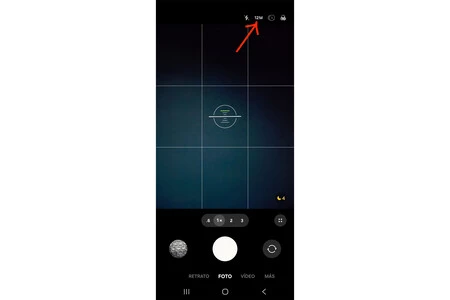
- Activate the Setting: Toggle the switch to activate this resolution. Once activated, the 24 MP option will appear as a selectable resolution within the main camera application’s interface. Users will typically find this option either in the top-right corner of the viewfinder or within the detailed resolution settings accessible through an icon at the bottom of the screen.
For users who wish to make 24 MP their default capture resolution, eliminating the need to select it manually each time the camera is opened, an additional setting is available:
- Locate "Mantener resolución de 24 MP": Within the same "Fotos" section of the Camera Assistant app, just below the initial activation switch, you will find an option titled "Mantener resolución de 24 MP" (Keep 24 MP Resolution).
- Enable Default Activation: Toggle this switch to the "on" position. With this setting enabled, your Galaxy S26 camera will automatically default to capturing images at 24 MP every time you launch the camera application, until you manually change the setting again.
This "set it and forget it" functionality is particularly convenient for the warmer, brighter months when optimal lighting conditions are more frequent. It allows users to consistently capture high-detail images without constant manual intervention. However, it’s also important to remember that this setting is easily reversible. Should users find themselves in low-light environments or desire the specific characteristics of the 12 MP default for other reasons (e.g., smaller file sizes for quick sharing, or the enhanced low-light performance), they can simply return to the Camera Assistant and revert the setting.
Broader Impact and Implications for Mobile Photography
The integration and prominence of a "sweet spot" resolution like 24 MP within Samsung’s flagship camera ecosystem carries several broader implications for mobile photography:
- Democratization of Advanced Photography: By offering a simple toggle for a technically superior resolution, Samsung empowers everyday users to achieve near-professional levels of detail and clarity without needing to master complex photographic concepts. This democratizes high-quality imaging, making it accessible to a wider audience.
- Enhanced User Experience and Satisfaction: Users who enable this setting will likely notice a tangible improvement in the sharpness and detail of their photos, particularly those taken outdoors in good light. This can lead to increased satisfaction with their device’s camera performance and encourage more active photographic engagement.
- Competitive Edge in the Smartphone Market: In a highly competitive market, camera performance remains a critical differentiator for smartphone manufacturers. By refining its computational photography offerings and providing users with optimized resolution options, Samsung maintains its competitive stance against rivals known for their own innovative camera technologies (e.g., Apple’s ProRAW, Google Pixel’s computational prowess).
- Education and Exploration: The availability of such settings implicitly encourages users to explore their device’s capabilities beyond default configurations. It subtly educates users about the nuances of resolution, pixel binning, and how different settings can impact the final image, fostering a deeper understanding of mobile photography.
- Future of Computational Photography: The emphasis on optimized intermediate resolutions like 24 MP suggests a future where smartphone cameras continue to evolve beyond mere megapixel counts. Instead, the focus will increasingly be on intelligent algorithms that dynamically select or allow users to easily choose the optimal balance of detail, light gathering, and file size for any given scenario. This points towards an even more sophisticated and adaptive computational photography landscape.
In conclusion, the new 24 MP resolution option on the Samsung Galaxy S26 series is more than just another number in the camera settings; it is a thoughtfully engineered sweet spot that maximizes the potential of the device’s advanced hardware in bright conditions. By providing a simple, yet highly effective, adjustment, Samsung empowers its users to capture richer, more detailed, and ultimately more satisfying photographs. As the days lengthen and outdoor adventures call, S26 owners are strongly encouraged to activate this setting and unlock a new level of photographic excellence from their powerful smartphone cameras.
