
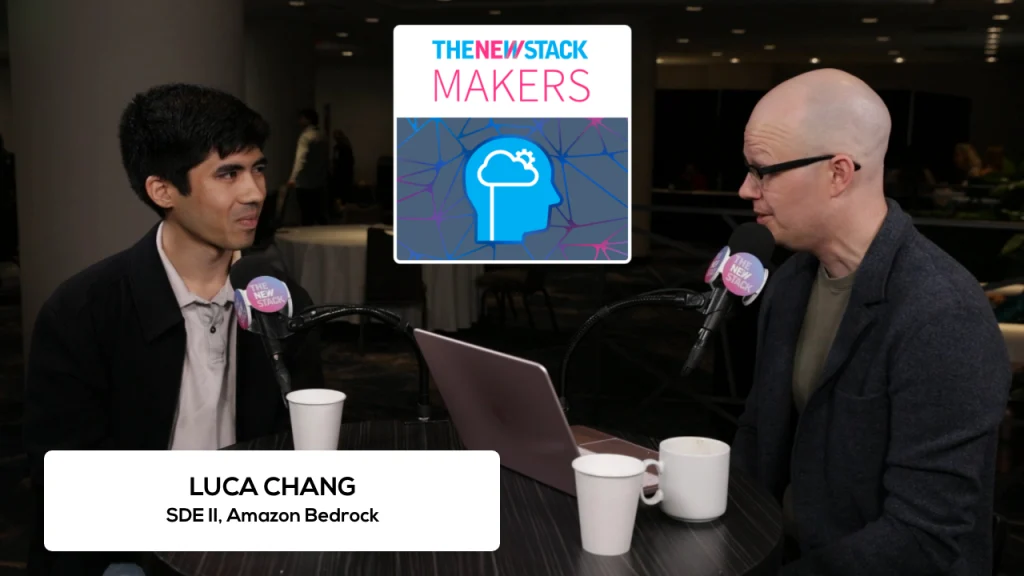

The recent MCP Summit in New York City served as a critical nexus for the burgeoning open-source ecosystem surrounding artificial intelligence, bringing together key stakeholders to shape the future of how AI models interact with external tools and data. Among those present was Luca Chang, a prominent figure from Amazon Web Services (AWS), who plays a dual role as a member of the AWS Bedrock team and an MCP Specification Maintainer. In an exclusive interview with The New Stack, Chang offered in-depth insights into the collaborative process behind the Managed Connect Protocol (MCP), detailing how developer priorities are harmonized, Amazon’s strategic approach to open-source contributions, and the intricate economics of token budgets within the AI landscape.
MCP has rapidly ascended to become a de facto industry standard, underpinning the ability of AI models and agents to seamlessly connect with a vast array of tools and data sources. This interoperability is a foundational element of the modern AI stack, enabling more sophisticated and practical applications. Chang’s perspective from within both a leading cloud provider and a core maintainer group provides a unique vantage point on the protocol’s evolution and its growing significance.
The Collaborative Engine of MCP Development
Chang’s participation in a pre-conference MCP maintainer meeting underscored the protocol’s dynamic and collaborative development model. The process of deciding on future enhancements for MCP is characterized by the convergence of diverse priorities and perspectives from a broad spectrum of contributors. "The developer pool decides what to build next for the protocol by bringing together a diverse set of priorities and perspectives, and hashing out what needs to be added," Chang explained. This approach is designed to mitigate the risk of groupthink, with the maintainer cohort being sufficiently broad to generate a wealth of topics, often exceeding the capacity of a single meeting.
The challenges inherent in this collaborative process are significant. Chang highlighted the meticulous work of the maintainers, which involves a constant balancing act between addressing critical problems that impede functionality and exploring smaller, yet potentially transformative, MCP changes. These smaller enhancements can unlock "really creative and interesting" capabilities, demonstrating that even minor adjustments can have a substantial impact on the protocol’s potential. This competitive landscape for development bandwidth means that even niche "edge cases" must vie for attention and resources alongside more widely recognized issues.
Amazon’s Strategic Open-Source Contributions
The role of corporate entities in fostering open-source projects is a subject of ongoing discussion, and Amazon’s engagement with MCP offers a compelling case study. Chang elaborated on how AWS’s significant contributions to MCP, particularly in areas like Tasks and Elicitations, stemmed directly from their internal efforts to map their cloud products to the protocol. During this mapping process, AWS identified gaps in MCP’s existing capabilities, particularly concerning its interaction with cloud computing platforms. This realization spurred their commitment to enhancing the protocol.
"We don’t exactly look to make contributions [to MCP] as quickly as possible," Chang stated. Instead, AWS’s contributions are largely driven by their customer use cases. "The contributions sort of fall out of our customer use cases… once we explore a use case and see that there is [a] gap in the protocol itself. That’s when we say, ‘oh, there might be something here that we can give back to the community.’" This customer-centric approach ensures that contributions are not only technically sound but also directly address real-world needs and emerging challenges in AI development and deployment.
The Economic Realities: Token Budgets and Cloud Integration
A particularly intriguing aspect of the AI ecosystem, and one that Chang touched upon, is the economic dimension, specifically the management of token budgets. In the context of large language models and generative AI, tokens represent units of text that are processed and generated, with associated costs. The ability of AI agents to efficiently utilize external tools and data often involves intricate interactions that consume these tokens.
While the specifics of who pays whose token budgets can vary widely depending on the implementation and the parties involved, it underscores a fundamental economic reality of AI: compute and processing power come at a cost. As MCP facilitates more complex agent-tool interactions, the efficient management and attribution of these token costs become paramount. This is especially relevant for cloud providers like AWS, where the integration of MCP into their services necessitates a clear understanding of resource consumption and cost allocation.
Chang’s insights suggest a future where the development of MCP is not only driven by technical innovation but also by the economic imperatives of large-scale AI deployment. The ability to efficiently manage token usage through well-defined protocols like MCP can directly impact the cost-effectiveness and scalability of AI solutions, making it a critical area for ongoing development and optimization.
The Broader Landscape: Market Demand and Protocol Evolution
The MCP Summit also provided a platform for discussions on market demand for MCP servers and the strategic direction of the protocol. Chang’s perspective on the desire for non-agent-specific MCP servers is noteworthy. This preference indicates a move towards a more generalized and versatile protocol, capable of serving a wide range of AI agents and applications rather than being tailored to specific vendor implementations. Such a broad applicability would foster greater interoperability and reduce fragmentation within the AI ecosystem.
The implications of this ongoing development are far-reaching. As MCP matures and gains wider adoption, it has the potential to:
- Accelerate AI Innovation: By providing a standardized way for AI models to access tools and data, MCP can lower the barrier to entry for developers and enable the creation of more sophisticated AI applications.
- Enhance Interoperability: A robust and widely adopted MCP will foster a more interconnected AI landscape, allowing different AI models and platforms to work together more seamlessly.
- Drive Efficiency and Cost Reduction: As highlighted by the discussion on token budgets, MCP’s evolution can lead to more efficient resource utilization and potentially lower operational costs for AI deployments.
- Strengthen the Open-Source AI Community: Continued collaboration and contributions from major players like AWS solidify the foundation of open-source AI development, fostering a more collaborative and innovative environment.
The MCP Summit, with insights from key figures like Luca Chang, underscores the critical role of open-source protocols in shaping the future of artificial intelligence. The collaborative spirit, driven by real-world use cases and a pragmatic approach to development, positions MCP as a vital component in the ongoing evolution of the AI stack. The ongoing dialogue between industry leaders and the open-source community promises to further refine and expand the capabilities of this essential protocol, paving the way for more powerful, interconnected, and accessible AI solutions.
For a deeper dive into Luca Chang’s views on market demand for MCP servers and his perspective on the evolution of agent-specific protocols, listeners are encouraged to explore the latest episode of The New Stack podcast.
