
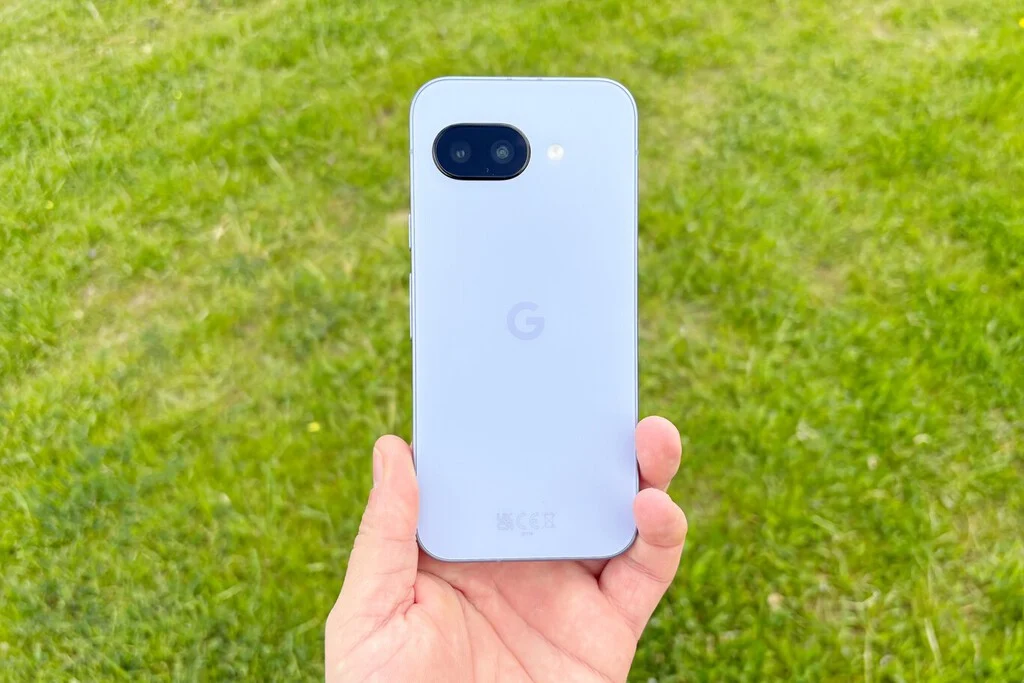

The seemingly straightforward process of sending a mobile phone for warranty repair to an official service center has devolved into a protracted ordeal for one Google Pixel 9a owner, casting a spotlight on potential discrepancies in manufacturer support protocols. This incident, initially brought to light through a detailed account on Reddit, underscores critical issues surrounding consumer trust, the verification of device condition, and the responsiveness of technical support, particularly for high-profile devices within competitive technology markets. What began as an attempt to resolve a legitimate software or hardware defect covered under warranty escalated into a dispute over alleged physical damages that the owner asserts were non-existent, culminating in a phone returned unrepaired and the original issue unresolved.
The Initial Warranty Claim: A Functional Flaw in a Flawless Device
The user’s journey into this warranty labyrinth began with a Google Pixel 9a, a device praised for its robust performance and integration into the Android ecosystem. The phone, described by its owner as being in "mint physical condition," developed a critical functional flaw: it was inexplicably unable to download and configure eSIM profiles. This specific issue, directly impacting a core modern smartphone functionality, clearly fell within the purview of a manufacturing defect, making it a prime candidate for warranty service. Expecting a prompt and transparent resolution, the owner initiated a warranty claim and, following Google’s established procedures, dispatched the device to the designated repair facility. The expectation was simple: diagnose the eSIM problem, rectify it, and return the phone.
The Unforeseen Obstacle: A Diagnosis of "Catastrophic Damage"
However, the anticipated smooth process quickly veered into unexpected territory. The Google repair center, identified as located in Coatesville, Pennsylvania, halted the repair process almost immediately. Instead of addressing the reported eSIM malfunction, the service center issued a repair estimate totaling an alarming $287.44. The basis for this substantial charge was an assertion that the device’s screen, frame, and camera were "destroyed." This claim stood in stark contrast to the owner’s documented pristine condition of the phone prior to shipment. Crucially, the original, legitimate warranty issue concerning the eSIM functionality was entirely bypassed and not addressed in the repair estimate, suggesting a complete misdirection or misdiagnosis by the service technicians. The financial demand represented a significant portion of the device’s original cost, an amount the owner was unwilling to pay for damages they strongly believed did not exist.
Chronology of a Disputed Warranty Claim
- Initial Purchase & Usage: User acquires a Google Pixel 9a, reporting it to be in "mint physical condition."
- Defect Emerges: The phone develops an inability to download or configure eSIMs, a critical functional flaw.
- Warranty Claim Initiated: User contacts Google support, confirms the issue is covered under warranty, and arranges for device shipment to the official repair center.
- Device Shipment: The Pixel 9a is sent to Google’s repair facility in Coatesville, Pennsylvania, with the owner maintaining a record of its perfect state.
- Repair Process Blocked & Cost Estimate Issued: The service center issues a repair estimate of $287.44, citing "destroyed" screen, frame, and camera, completely ignoring the reported eSIM issue.
- User Disputes Claim: The owner initiates a formal dispute, providing evidence (transcripts, emails) of the device’s original condition and challenging the alleged physical damages.
- Request for Proof: The user demands photographic or other verifiable evidence from the repair center to substantiate their claims of damage.
- Escalation and Silence: The case is escalated within Google’s support structure, but subsequently, communication from technical support agents ceases, leaving the owner without answers.
- Repair Process Expires: Due to the user’s refusal to accept the unsubstantiated repair quote, the warranty repair process "expires" on the grounds of "lack of customer response."
- Device Returned Unrepaired: The Pixel 9a is shipped back to its owner, still unrepaired.
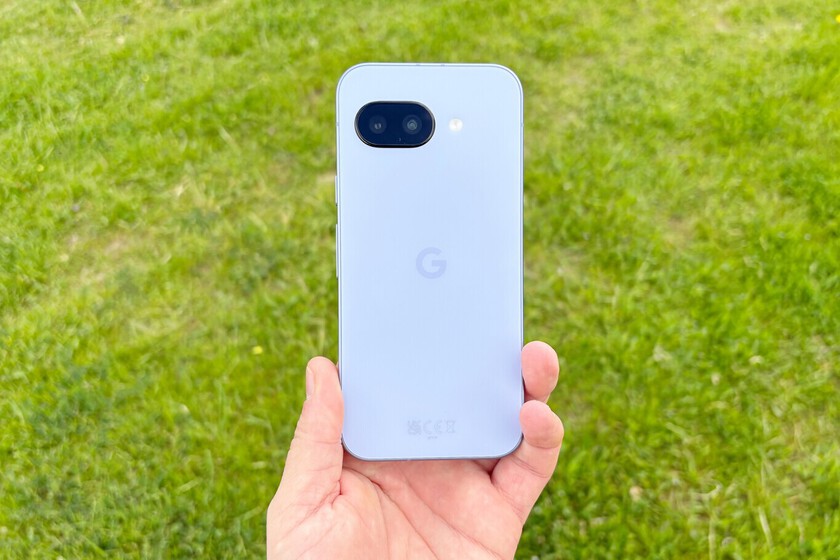
- Verification of Condition: Upon receiving the package, the owner confirms via IMEI that it is their original device and meticulously inspects it, finding absolutely no physical damage to the screen, frame, or camera, precisely as it was sent.
- Persistent Defect & Formal Complaints: The eSIM issue persists. The owner files official complaints with consumer protection agencies, seeking recourse for the unresolved warranty claim and the misleading repair assessment.
The Mystery of the "Phantom Damages" and Google’s Evasive Silence
Confronted with this inexplicable repair quote, the user immediately initiated a formal dispute process. They meticulously gathered and submitted all available documentation, including chat transcripts and email correspondence with Google support, to corroborate their assertion that the phone was physically undamaged when sent. A crucial request was made: for the repair center to provide tangible evidence—photographs or detailed inspection reports—that would substantiate the alleged "destroyed" screen, frame, and camera. This request for transparency, however, was met with obfuscation.
Despite repeated attempts to escalate the case and obtain clarity, the user encountered a wall of silence. Google’s technical support agents, who had initially engaged in communication, ceased responding to messages. This abrupt cessation of dialogue left the user in a precarious position, unable to move forward with the repair without accepting a charge they deemed illegitimate, and simultaneously denied the opportunity to refute the charges with concrete evidence from Google. The lack of responsiveness from a major technology company in a warranty dispute is particularly concerning, as it leaves consumers feeling helpless and unheard.
Ultimately, with no resolution in sight and unwilling to bear the cost of purported "phantom damages," the user declined the repair estimate. In an ironic twist, Google’s system registered this as a "lack of customer response," leading to the expiration of the repair process. Consequently, the device was shipped back to its owner, unrepaired.
The Moment of Truth: Device Return Confirms Discrepancy
The return of the Pixel 9a marked a critical juncture in the saga. Upon receiving the package, the owner meticulously verified that the returned device was indeed their original phone, cross-referencing its IMEI number. A thorough physical inspection followed, scrutinizing the very components that Google’s repair center had claimed were "destroyed": the screen, the frame, and the camera. The inspection yielded definitive results: the phone was in the exact same pristine, undamaged physical condition as it was when initially shipped. There were no cracks, no dents, no visible defects whatsoever. This direct, verifiable observation by the owner unequivocally contradicted the repair center’s assessment, exposing a significant discrepancy in the evaluation process.
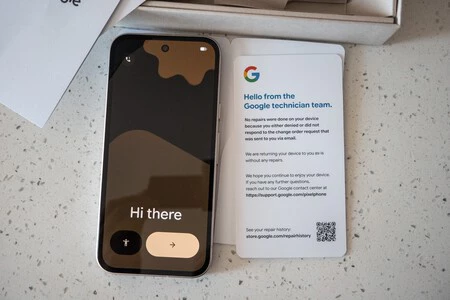
Accompanying the returned phone was a terse note from the service center, confirming that no repairs had been performed due to the customer’s refusal to accept the budget. The irony was palpable: the phone still harbored the original eSIM defect, untouched and unresolved, while its owner was left to contend with the aftermath of an unfounded damage claim. This experience left the owner with no alternative but to escalate the matter further, prompting them to file official complaints with consumer protection administrations in their country, seeking justice and a resolution to a warranty claim that had gone fundamentally awry.
Broader Implications for Consumer Trust and Brand Reputation
This isolated incident, while specific to one user and one device, resonates deeply within the broader context of consumer rights and brand reputation in the technology sector. Google, as a prominent player with its Pixel line aiming to compete with industry giants like Apple and Samsung, relies heavily on user experience and customer satisfaction. A flawed or opaque warranty service process can severely erode consumer trust, particularly when it involves allegations of damage that cannot be substantiated.
In an era where consumers invest significant sums in their mobile devices, the expectation of reliable and transparent post-sales support is paramount. When a manufacturer’s official service center issues an unsubstantiated damage claim, refuses to provide proof, and then ceases communication, it creates an environment of distrust. Such incidents can lead prospective buyers to reconsider their choices, impacting sales and market share, especially in a competitive landscape where service quality can be a key differentiator. The Pixel series, in particular, aims to offer a premium Android experience, and a convoluted or unfair warranty process undermines that premium positioning.
Navigating Warranty Claims: Legal Frameworks and Consumer Protections
This case serves as a stark reminder of the importance of understanding consumer rights, which vary by jurisdiction but generally aim to protect individuals from unfair business practices.
In the United States: While there isn’t a single overarching federal warranty law covering all products, the Magnuson-Moss Warranty Act sets federal standards for written warranties. Beyond federal provisions, state consumer protection laws often provide additional safeguards. Agencies like the Federal Trade Commission (FTC) and state Attorneys General are empowered to investigate and take action against deceptive or unfair practices. Consumers in the US, like the Pixel 9a owner, can file complaints with these bodies, which can sometimes lead to mediation, investigation, or even legal action against companies found to be in violation. The burden of proof for alleged customer-induced damage typically rests with the service provider, especially for claims made during the initial warranty period for an alleged manufacturing defect.
In the European Union: The legal landscape for consumer warranties is notably robust, as highlighted in the original article. EU legislation stipulates a minimum warranty period of three years from the date of delivery for consumer goods. Crucially, this legislation includes a significant provision regarding the burden of proof. For defects that manifest within the first two years of ownership, it is legally presumed that the defect existed at the time of delivery. This means the onus is entirely on the manufacturer or seller to prove, conclusively and with verifiable evidence, that the defect was caused by the consumer’s misuse or external factors. Without such irrefutable proof, the consumer is entitled to a free repair, replacement, or refund. This legal framework provides a strong shield against unsubstantiated claims of "customer-induced damage" and compels service centers to operate with transparency and accountability. Had this incident occurred within the EU, the legal presumption would have heavily favored the consumer, forcing Google to either provide irrefutable evidence of physical damage or proceed with the warranty repair for the eSIM issue.
The Imperative of Documentation: A Consumer’s Best Defense
The most potent lesson extracted from this user’s harrowing experience is the absolute necessity of comprehensive documentation before sending any electronic device for repair. In an age where digital evidence is easily captured and widely accepted, consumers have a powerful tool at their disposal to protect themselves from "phantom damages" and disputed claims.
Before packaging a device for shipment to a service center, consumers should:
- Record a Video: Capture a continuous video recording that clearly shows the device from all angles. This video should meticulously demonstrate the device’s physical condition, highlighting the screen, frame, camera, and any other external components.
- Show Functionality (if possible): If relevant, briefly demonstrate that the device powers on and some basic functions are operational, though the focus should be on physical integrity.
- Display the IMEI: Crucially, the video or a series of photographs must clearly display the device’s unique International Mobile Equipment Identity (IMEI) number. This links the documentation irrevocably to that specific device, preventing any claims of a different unit being swapped or damaged. The IMEI can usually be found by dialing *#06# on the keypad, in the device settings (About Phone), or on the SIM tray.
- Photograph the Packaging Process: Document the device being placed into its packaging, ensuring it is adequately protected for transit.
- Keep Shipping Receipts: Retain all shipping receipts and tracking information.
This comprehensive documentation serves as an irrefutable "before" record, providing concrete evidence of the device’s condition at the point of handover. Should a service center later claim physical damage, the consumer has verifiable proof to counter such assertions. This proactive measure acts as the ultimate safeguard against unscrupulous practices, shipping damages attributed incorrectly, or, as in this Pixel 9a case, baseless claims by the repair facility itself. It empowers consumers to stand their ground, demand transparency, and ultimately, ensure that their warranty rights are upheld.
In conclusion, the ordeal of the Pixel 9a owner is a cautionary tale for both consumers and manufacturers. For consumers, it underscores the critical need for vigilance and meticulous documentation. For Google and other tech companies, it highlights the immense responsibility that comes with providing reliable post-sales support and the potential for significant brand damage when trust is eroded by perceived unfair or opaque practices. The resolution of such disputes, whether through direct corporate action or intervention by consumer protection agencies, is vital for maintaining a fair and trustworthy marketplace for high-value consumer electronics.
