
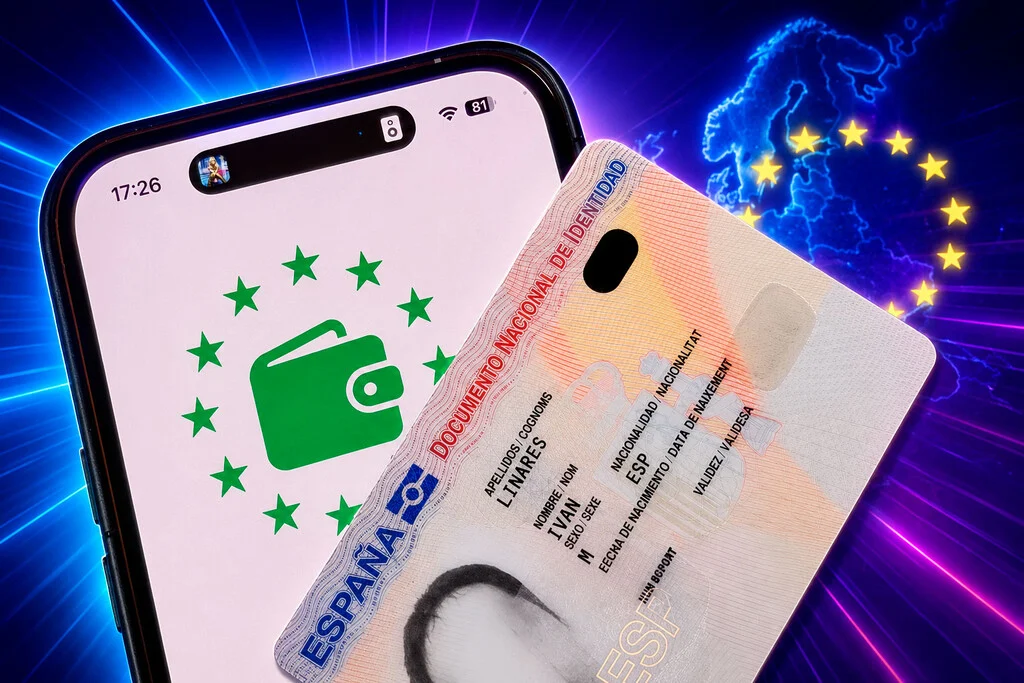

The landscape of personal document management in Europe is on the cusp of a transformative shift with the impending rollout of the European Digital Identity Wallet (EUDI Wallet). This ambitious initiative by the European Union aims to consolidate various official documents into a single, interoperable digital application, promising enhanced convenience, security, and cross-border functionality for its citizens. Despite its forward-looking nature, the project has also given rise to misinformation, notably the persistent but false claim that digital identity documents will become mandatory on mobile devices by 2027. The reality, as explicitly stated in EU regulations, is that the use of the EUDI Wallet, and indeed any digital version of personal identification, will remain entirely voluntary for citizens, offering an optional, modern alternative to traditional physical documents. Each Member State, however, is obligated to develop and implement its own EUDI Wallet solution by the end of 2026, marking a significant step towards a more integrated and secure Digital Single Market.
The European Digital Identity Wallet: A Unified Vision for Digital Identity
At its core, the EUDI Wallet represents a paradigm shift from fragmented national digital identification systems to a cohesive, pan-European framework. Approved under Regulation (EU) 2024/1183 in 2024, the EUDI Wallet is designed to allow individuals to securely store and manage a wide array of official documents, including national identity cards, driving licenses, and other credentials required by public administrations, such as library cards or family status certificates. This consolidation is not merely about convenience; it aims to empower citizens with greater control over their personal data, facilitating secure authentication and attribute verification across the EU. The interoperability requirement mandates that any EUDI Wallet developed by a Member State must be compatible with those from all other EU countries, ensuring seamless cross-border recognition and utility. This addresses a long-standing challenge where national digital IDs often lack recognition beyond their borders, hindering citizens’ ability to access services or conduct transactions in other Member States.
The journey towards this unified digital identity began with the recognition of the need for a robust and trustworthy electronic identification system within the EU. The original eIDAS Regulation (Regulation (EU) No 910/2014 on electronic identification and trust services for electronic transactions in the internal market), adopted in 2014, laid the groundwork for secure electronic identification and trust services across borders. However, it primarily focused on public sector services and lacked a unified personal digital identity solution that citizens could carry on their mobile devices for both public and private sector interactions. The revision of eIDAS, culminating in the 2024 regulation, directly addresses these limitations, expanding the scope to include a universally recognized and user-centric digital wallet. This evolution is crucial for fostering a truly digital internal market, where individuals and businesses can interact securely and efficiently, regardless of their physical location within the Union.
A Chronology of Digital Identity in Europe
The path to the EUDI Wallet is paved with several key legislative and technological milestones, reflecting a gradual yet determined push towards digital transformation:
- 2014: The original eIDAS Regulation (Regulation (EU) No 910/2014) is adopted. This regulation establishes a framework for electronic identification and trust services, ensuring that national electronic identification schemes (eIDs) are recognized across Member States. While foundational, it did not mandate a universal digital wallet for citizens.
- 2020: Spain introduces miDGT, a mobile application that allows citizens to carry their digital driving license and other vehicle-related documents on their smartphones. This marked an early national step towards digitizing key personal documents.
- 2021: The European Commission proposes a significant revision of the eIDAS Regulation, introducing the concept of the European Digital Identity Wallet. This proposal aims to give every European citizen and resident the option of a secure and interoperable digital identity.
- April 2025: Spain launches miDNI, a digital identity application enabling citizens to carry their national ID card on their mobile phones. This provides a digital counterpart to the physical DNI.
- October 2025: The Directive (UE) 2025/2205 is approved, mandating that the digital driving license becomes the default format across the EU, while still retaining the option for a physical card for those who prefer it. This directive further solidifies the move towards digital credentials.
- April 2026: Spain’s miDNI app gains full legal validity, making the digital DNI equally acceptable as its physical counterpart for all official purposes within the country. This removes any ambiguity regarding its legal standing.
- End of 2026: This is the critical deadline. All EU Member States are required to develop and deploy their respective EUDI Wallet solutions. Extensive pilot programs are already underway across the Union to test the technical specifications and ensure interoperability before this deadline. These pilots involve various use cases, from opening bank accounts to renting cars and accessing public services, helping to refine the system and address potential challenges.
This timeline underscores a consistent EU strategy to empower citizens with secure and convenient digital tools, moving from foundational legislation to specific application-level implementations.
National Forerunners: Spain’s Experience with miDGT and miDNI
Spain has been an early adopter in the digital identity space, offering valuable insights into the opportunities and challenges of such initiatives. The miDGT application, launched in 2020 by the General Directorate of Traffic (DGT), quickly gained traction. By 2023, it boasted over 3.5 million active users, demonstrating a strong appetite among Spanish citizens for digital alternatives to physical documents. The app allows users to carry a digital version of their driving license, check penalty points, review vehicle data, and even initiate certain administrative procedures. While convenient, its acceptance sometimes faced hurdles in situations requiring physical document presentation, highlighting the need for broader legal recognition and infrastructure readiness.
Building on this experience, Spain introduced miDNI in April 2025, offering a digital version of the National Identity Document. The app’s full legal validity, confirmed in April 2026, was a crucial step, ensuring that the digital DNI could be used interchangeably with the physical card for almost all official purposes. However, the initial rollout of miDNI highlighted a significant challenge: the readiness of the private sector. A report from early 2026 indicated that a substantial majority (around 80%) of hotels and commercial establishments in Spain were not yet equipped to digitally read or verify the miDNI, despite the legal obligation to accept it. This gap between legislative intent and practical implementation underscores the need for robust public awareness campaigns, technological upgrades for businesses, and clear guidelines for acceptance mechanisms, issues that the broader EUDI Wallet initiative must proactively address.
The Spanish experience serves as a microcosm for the larger European rollout. It demonstrates that while citizens are often eager to embrace digital convenience, the success of such initiatives heavily relies on the widespread adoption of compatible technology and a clear understanding of legal validity across all sectors. The EUDI Wallet’s focus on interoperability and a unified framework aims to mitigate some of these national-level fragmentation issues, but the challenge of ensuring widespread acceptance and technical readiness across millions of businesses and public service points remains considerable.
Key Features and Benefits for Citizens and Businesses
The EUDI Wallet is designed to offer a suite of benefits that extend beyond mere digital convenience:
- Enhanced Convenience: Citizens will be able to access a comprehensive range of public and private online services, from opening bank accounts and registering for university courses to renting cars and checking into hotels, all with a single, secure digital identity. This eliminates the need to carry multiple physical cards or remember various login credentials.
- Greater Control Over Personal Data: A core principle of the EUDI Wallet is "selective disclosure." Users will have explicit control over what personal data they share and with whom. For instance, when proving age, they can simply confirm they are over 18 without disclosing their exact birth date. This empowers individuals and significantly enhances privacy.
- Improved Security: The EUDI Wallet is built on robust cybersecurity standards, incorporating strong encryption and authentication mechanisms. It aims to reduce identity theft and fraud by providing a highly secure method of identity verification, minimizing the need to share sensitive physical documents that can be lost or stolen. The underlying technology, often leveraging blockchain or similar distributed ledger technologies, is designed to be highly resilient to tampering and unauthorized access.
- Seamless Cross-Border Transactions: The interoperability requirement is a game-changer for EU citizens. A German citizen traveling to Italy could use their EUDI Wallet to rent a car or check into a hotel, with their digital driving license and ID being instantly recognized and verified. This eliminates bureaucratic hurdles and fosters a truly borderless digital experience within the EU.
- Reduced Bureaucracy for Businesses: For businesses, the EUDI Wallet promises streamlined customer onboarding, faster identity verification processes, and reduced administrative burdens. This can lead to significant cost savings and improved customer experience, particularly for sectors like finance, telecommunications, and hospitality that heavily rely on identity verification. It also simplifies compliance with Know Your Customer (KYC) and Anti-Money Laundering (AML) regulations.
- Boost to the Digital Economy: By fostering trust and security in online transactions, the EUDI Wallet is expected to stimulate digital innovation and economic growth across the EU. It provides a standardized and reliable foundation for new digital services and applications.
According to a 2023 study by the European Commission, the widespread adoption of a secure, interoperable digital identity could unlock up to 2% of the EU’s GDP by 2030 through increased efficiency and new digital services. This highlights the significant economic potential beyond just individual convenience.
Addressing Concerns: Privacy, Security, and Voluntariness
A cornerstone of the EUDI Wallet initiative is the unwavering commitment to voluntariness. The Regulation (EU) 2024/1183 explicitly states that citizens are under no obligation to adopt or use the digital wallet. This directly refutes the persistent "bulo" or hoax that circulates periodically, claiming that digital IDs will become mandatory by a certain date. Citizens will always retain the right to use their physical documents if they prefer, ensuring that the digital transition is inclusive and user-driven rather than coercive.
Privacy and data security are paramount in the design of the EUDI Wallet. The system is built with a "privacy-by-design" approach, meaning that data protection measures are integrated from the very outset. Each citizen will have full control over their digital identity, choosing what information to share, when, and with whom. This granular control is a significant improvement over traditional methods where presenting a physical ID often means disclosing all personal data contained on it, even if only a specific attribute (like age) is relevant. The EU’s robust data protection framework, anchored by the General Data Protection Regulation (GDPR), provides an additional layer of legal safeguard, ensuring that personal data handled by the EUDI Wallet remains protected against misuse and unauthorized access.
However, the success of any digital identity system also hinges on public trust. Concerns about potential government surveillance, data breaches, or the technical complexities of using the app could hinder adoption. The European Commission and Member States are investing heavily in secure infrastructure, transparent data handling policies, and extensive public awareness campaigns to build this trust. Regular audits, independent security assessments, and clear mechanisms for user recourse in case of issues are vital for fostering widespread confidence in the EUDI Wallet.
Implementation Challenges and Pilot Programs
While the vision for the EUDI Wallet is clear, its implementation presents several complex challenges. Achieving true interoperability across 27 diverse Member States, each with its own legal frameworks, technical infrastructure, and administrative traditions, is a monumental task. This requires meticulous coordination, standardization of technical specifications, and continuous collaboration.
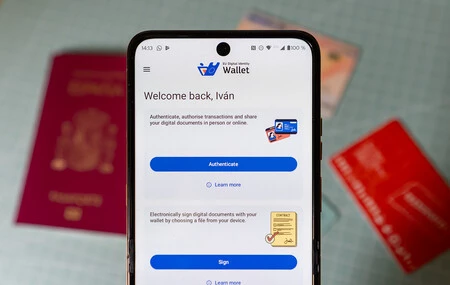
To address these complexities, the European Commission has launched several large-scale pilot programs. These pilots, involving various consortia of public and private entities across Member States, are crucial for testing the EUDI Wallet’s functionality, security, and interoperability in real-world scenarios. For example, one pilot focuses on digital travel credentials, allowing citizens to use their EUDI Wallet for airport checks and border crossings. Another explores its use in financial services for secure customer onboarding and transactions. These pilot programs are vital for:
- Refining Technical Specifications: Identifying and resolving technical glitches, ensuring seamless integration with existing systems, and harmonizing data formats.
- Ensuring Interoperability: Testing cross-border functionality to guarantee that an EUDI Wallet from one country works flawlessly in another.
- Gathering User Feedback: Understanding user experience, identifying pain points, and making necessary adjustments to improve usability.
- Building Trust: Demonstrating the security and reliability of the system through practical application.
The insights gained from these pilots are directly informing the final development and deployment strategies, aiming to create a robust and user-friendly system by the end-of-2026 deadline.
The Future Landscape of Digital Identity
The EUDI Wallet represents more than just a new app; it is a strategic pillar in the EU’s broader vision for a sovereign and thriving Digital Single Market. By providing a secure, reliable, and interoperable digital identity, the EU aims to foster innovation, facilitate cross-border services, and empower its citizens in the digital realm. It lays the groundwork for a future where interacting with public and private services online is as simple and secure as it is in the physical world.
The integration of the digital driving license, mandated by the 2025 directive, into the EUDI Wallet is another testament to this comprehensive approach. Instead of separate apps for different documents, the EUDI Wallet will serve as the "one ring" for all official digital credentials, simplifying the user experience and further reducing fragmentation. This strategic move aligns with the EU’s goal of ensuring that Europe is at the forefront of the global digital transformation, providing its citizens with state-of-the-art digital tools that respect privacy and promote security.
Ultimately, the choice to embrace the EUDI Wallet will rest with individual citizens. However, with its promise of unparalleled convenience, enhanced security, and seamless cross-border functionality, it is poised to become an indispensable tool for millions, ushering in a new era of digital identity management across the European Union. The plastic cards in our physical wallets may not disappear entirely, but their digital counterparts are set to offer a powerful, flexible, and secure alternative for the modern age.
