
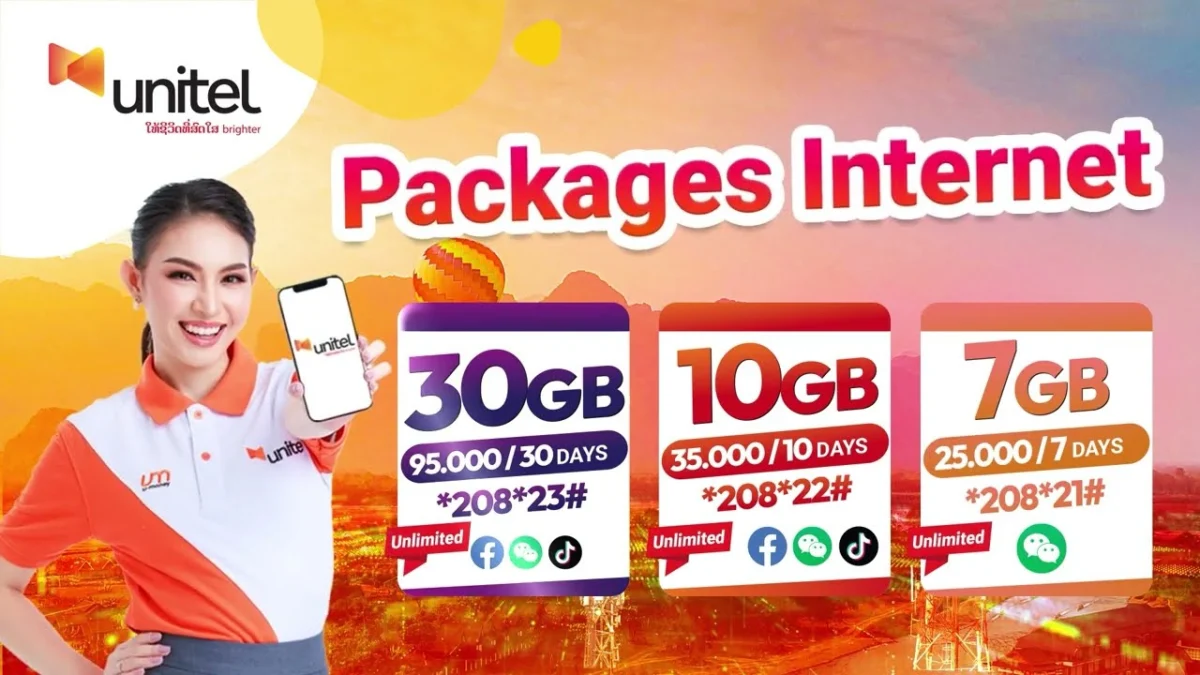

The telecommunications landscape in the Lao People’s Democratic Republic has undergone a profound metamorphosis over the last decade, evolving from a nascent market into a competitive digital ecosystem that surpassed 10 million mobile subscribers by the end of 2021. This milestone reflects a broader national strategy to transition from a landlocked nation to a "land-linked" digital hub within the Association of Southeast Asian Nations (ASEAN). Currently, the market is defined by four primary mobile service providers—Unitel, Lao Telecom (LaoTel), TPlus Laos, and ETL Laos—each of which plays a distinct role in shaping the country’s connectivity. As the government of Laos pushes for a digital economy under its Vision 2040 plan, the telecommunications sector serves as the critical backbone for financial inclusion, e-government services, and the modernization of the nation’s burgeoning tourism industry.
Historical Chronology and Market Evolution
The history of mobile telecommunications in Laos is a narrative of steady state-led development followed by strategic international partnerships. The journey began in 1996 with the establishment of Lao Telecom, a joint venture between the Government of Laos and international investors, which set the foundation for the country’s first mobile network. For over a decade, Lao Telecom remained the dominant force, focusing primarily on urban centers like Vientiane and Luang Prabang.
A significant shift occurred in 2008 with the entry of Unitel, a joint venture between Lao Asia Telecom and Vietnam’s military-run telecommunications giant, Viettel. Unitel’s entry disrupted the status quo by aggressively expanding infrastructure into remote and mountainous provinces where previous coverage was non-existent. By 2009, the market saw further diversification with the arrival of VimpelCom’s Beeline (now TPlus), followed by the reorganization of the state-owned Enterprise of Telecommunications Lao (ETL) in 2015.
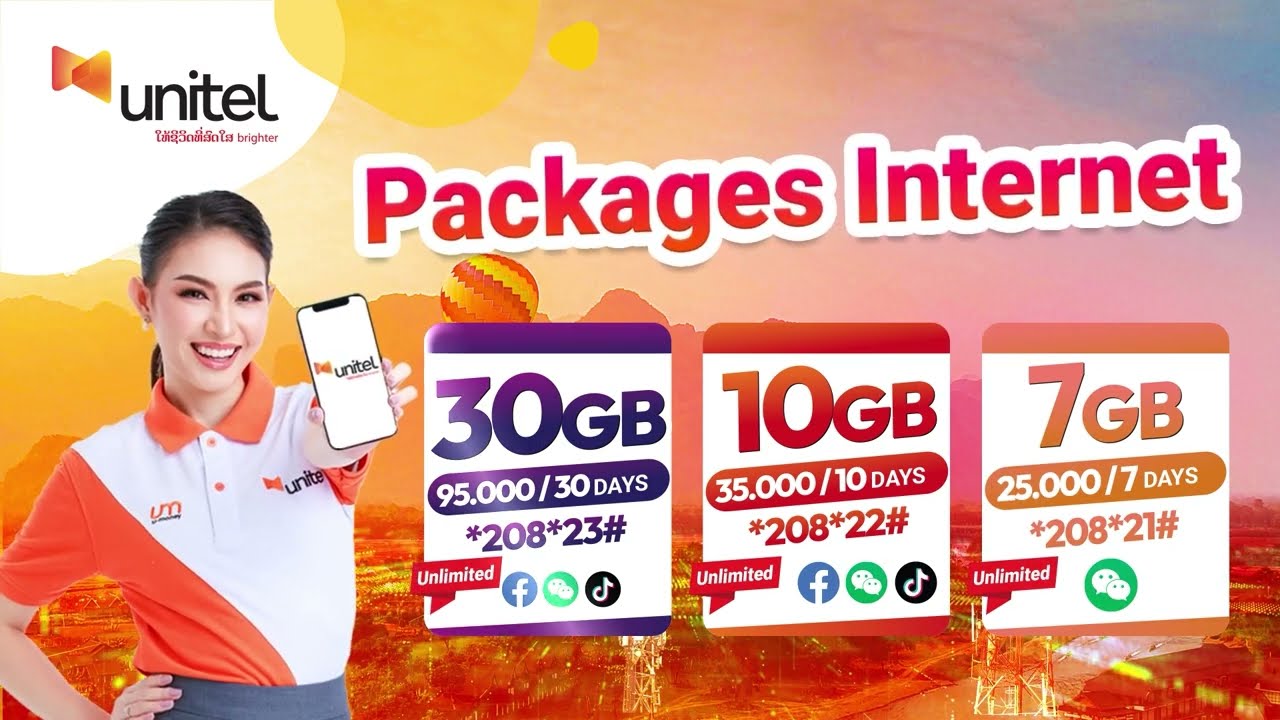
Between 2015 and 2021, the focus shifted from simple voice services to high-speed mobile data. The deployment of 4G LTE networks in major cities marked the beginning of a digital consumption surge. Despite the economic headwinds caused by the COVID-19 pandemic, the sector remained resilient, as the demand for remote work and digital communication tools drove subscriber numbers to record highs.
Market Share and Competitive Landscape
The Laotian mobile market is characterized by a high degree of concentration, with two major players controlling the vast majority of the subscriber base. According to data released by the Ministry of Post and Telecommunications (MPT) at the conclusion of 2020, the market share distribution is as follows:
- Unitel (51%): As the market leader, Unitel manages over 5 million subscribers. Its success is largely attributed to its "rural-first" strategy, utilizing Viettel’s expertise in deploying cost-effective infrastructure in challenging terrains. Unitel has moved beyond basic connectivity to offer "U-Money," a mobile financial service that has become vital for the unbanked population in rural areas.
- Lao Telecom (34%): With approximately 3 million subscribers, LaoTel remains the preferred choice for many government institutions and urban professionals. It maintains a reputation for stability and was the first operator to initiate 5G technical trials in 2020, signaling its intent to capture the high-end enterprise market.
- TPlus Laos (10%): Formerly Beeline, TPlus focuses on a younger, tech-savvy demographic. With roughly 1 million subscribers, it differentiates itself through lifestyle-oriented marketing and competitive international roaming packages.
- ETL Laos (5%): As a state-owned entity, ETL has historically struggled to keep pace with the marketing budgets of its joint-venture rivals. However, it remains a critical player in providing essential services and maintaining a degree of price competition within the state sector.
Services, Technology, and the Rise of eSIM
The service portfolios of Laotian operators have expanded to include voice, SMS, high-speed data, and value-added services (VAS) such as gaming, streaming, and mobile banking. However, the most significant recent innovation is the introduction of the eSIM for the tourism sector. Recognizing that Laos is a major destination for international travelers, operators have streamlined the process of obtaining local connectivity.
The "eSIM for Laos" initiative allows tourists to activate a local data plan before they even land in the country, bypassing the need for physical SIM card vendors at airports. This digital-first approach has been lauded by the Lao National Institute of Tourism and Hospitality. Surveys indicate that travelers value the convenience of maintaining their primary number for security (OTP) while using local data for navigation and social media. Authorized platforms like laosesim.com have become instrumental in facilitating this transition, providing a seamless interface for short-term visitors.
Technologically, the country relies heavily on the Global System for Mobile Communications (GSM) standard. While 3G remains the fallback for much of the rural population, 4G LTE is now the standard in all provincial capitals. The move toward 5G is currently in the pilot phase, with the government coordinating with operators to ensure that the spectrum allocation process supports sustainable investment.
Economic Implications and Pricing Analysis
Pricing for mobile services in Laos is among the most competitive in the Greater Mekong Subregion. On average, the cost of mobile data ranges from $2 to $5 per gigabyte. This affordability has been a primary driver of the high mobile penetration rate, which now exceeds 130% (accounting for users with multiple SIM cards).
The low cost of data has significant implications for the Laotian economy. It has facilitated the rise of "social commerce" via platforms like Facebook and WhatsApp, which are the primary tools for small and medium-sized enterprises (SMEs) in the country. Furthermore, the integration of mobile wallets has reduced the cost of remittances, a vital source of income for many Laotian families. However, analysts note that the low Average Revenue Per User (ARPU) poses a challenge for operators who must recoup the high capital expenditure required for network upgrades in mountainous regions.
Infrastructure Challenges and Regulatory Environment
Despite the rapid growth in subscriber numbers, the quality of service remains inconsistent outside of urban centers. The geography of Laos—characterized by dense forests and rugged mountains—makes the physical installation of fiber-optic backhaul and cell towers both expensive and technically difficult. Consequently, rural areas often experience slower data speeds and occasional service interruptions.
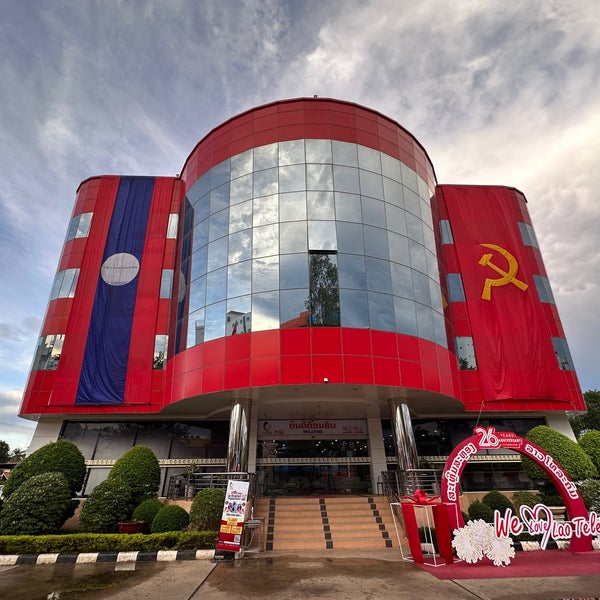
The regulatory environment is overseen by the Ministry of Post and Telecommunications. The Ministry’s mandate includes managing the radio frequency spectrum, ensuring fair competition, and protecting consumer rights. Recent regulatory efforts have focused on SIM card registration to enhance national security and prevent mobile-related fraud. Furthermore, the government has been proactive in encouraging operators to share infrastructure (tower sharing) to reduce costs and minimize the environmental impact of network expansion.
Official Responses and Strategic Vision
Government officials have frequently emphasized that telecommunications is the "engine" of the modern Laotian state. In a recent report regarding the National Digital Economy Development Plan, the Ministry of Post and Telecommunications highlighted the need for "inclusive connectivity." This involves not just increasing the number of towers, but ensuring that the internet is used for productive purposes, such as e-learning and digital healthcare.
Industry leaders from Unitel and LaoTel have echoed these sentiments, noting that their future investments will be guided by the "Triple-A" principle: Affordability, Availability, and Adoption. While the operators are competing for market share, there is a shared understanding that the overall expansion of the digital pie benefits all stakeholders.
Future Outlook: 5G and the Digital Frontier
The future of mobile telecommunications in Laos is inextricably linked to the deployment of 5G technology. While the 4G network still has room for optimization, 5G is expected to revolutionize sectors such as mining and hydropower—two pillars of the Laotian economy—by enabling Internet of Things (IoT) solutions for remote monitoring and automation.

The government’s commitment to increasing connectivity in rural areas is also expected to bridge the digital divide. By 2025, the goal is to have high-speed internet accessible to 90% of the population. This will likely involve a mix of traditional mobile towers and satellite-based internet services to reach the most isolated villages.
Conclusion
The Laotian mobile market has proven to be one of the most dynamic sectors of the national economy. From the early days of LaoTel to the market-leading innovations of Unitel, the industry has consistently prioritized expansion and affordability. While challenges regarding infrastructure and skilled labor persist, the trajectory is clear: Laos is moving toward a fully integrated digital future.
The success of the telecommunications sector serves as a blueprint for other landlocked developing nations. By fostering a competitive environment and embracing new technologies like eSIM and mobile fintech, Laos has ensured that its citizens are not just connected to each other, but to the global digital economy. As the nation prepares for the next wave of technological disruption, the four major operators will remain at the forefront of this journey, transforming the way the people of Laos live, work, and interact with the world.
