

This week’s episode of the popular tech podcast, "Stacey on IoT," delivers significant announcements regarding its future trajectory, alongside a deep dive into the burgeoning field of Tiny Machine Learning (TinyML) with a key executive from Honeywell. The discussion, featuring Muthu Sabarethinam, VP of AI/ML Product and Services at Honeywell, illuminates the industrial giant’s strategic vision for leveraging edge computing and on-device intelligence to revolutionize its vast array of connected equipment and the services built around them.
The conversation begins by exploring Honeywell’s overarching approach to data utilization, particularly how it extracts value from the immense datasets generated by its extensive portfolio of industrial and commercial equipment. This foundational discussion quickly pivots to the practical application of TinyML, focusing on how Honeywell envisions embedding these miniature machine learning models directly onto sensors. Sabarethinam articulates the compelling reasons behind this strategic push: enhancing security, optimizing power consumption, and reducing latency in critical operations. The potential impact is substantial, considering Honeywell’s existing deployment of over a million sensors in the field, each representing an opportunity for TinyML integration. The episode concludes with an examination of evolving business models and customer expectations regarding data access and service delivery.
The Complexities of the Smart Home Ecosystem: Matter’s Growing Pains
Beyond the Honeywell interview, the podcast tackles a series of pressing issues within the technology landscape. A significant portion of the discussion is dedicated to the persistent challenges plaguing the Matter smart home standard. Drawing insights from reports by The Verge, the podcast highlights ongoing difficulties with Thread credentialing, a crucial element for establishing secure and reliable mesh networks in smart homes. The uneven device support and interoperability issues that have surfaced underscore the friction points that consumers are experiencing. These complexities suggest that the path to a truly seamless and universally compatible smart home experience remains arduous, with the industry grappling with the practical implementation of ambitious standards.
The challenges with Matter are not entirely unexpected, given the history of fragmented smart home ecosystems. The initial promise of Matter was to consolidate the market, enabling devices from different manufacturers to communicate effortlessly. However, the reality on the ground has revealed significant hurdles in achieving this utopian vision. Issues such as the complexity of device onboarding, the reliability of Thread networks, and the varying levels of manufacturer commitment have contributed to a perception of a "messy" ecosystem. The podcast emphasizes that while the standard itself may be sound, vendor implementation and support are proving to be the critical differentiators, or in this case, detractors.
Cybersecurity Concerns Escalate with Potential Chernobyl Radiation Sensor Tampering
Adding a layer of disquieting news, the podcast touches upon the alarming reports of potential hacking of radiation sensors in Chernobyl, as detailed by Kim Zetter. This incident raises profound questions about the cybersecurity of critical infrastructure and the potential for malicious actors to exploit vulnerabilities in sensor networks. The implications of such an attack, even if the extent of damage remains under investigation, are far-reaching, highlighting the need for robust security protocols and continuous vigilance in safeguarding sensitive environments. The incident serves as a stark reminder that the interconnectedness of modern systems, while offering numerous benefits, also presents new vectors for attack.
Industry Consolidation and the Rise of RISC-V in Semiconductor Innovation
The discussion then shifts to significant developments in the semiconductor industry. The formation of a new RISC-V company backed by major players such as Qualcomm, NXP, Infineon, and others signals a strategic move towards open-source instruction set architectures. This collaboration aims to accelerate the adoption and development of RISC-V, a move that could potentially disrupt the dominance of established architectures like ARM. The implications of this alliance are substantial, promising increased competition, greater innovation, and potentially lower costs for chip development.
In parallel, the proposed acquisition of an IoT module business by Renesas further illustrates the ongoing consolidation and strategic realignments within the semiconductor sector. These moves reflect a broader industry trend towards specialization and the acquisition of key technologies and market segments to enhance competitive positioning and address evolving market demands, particularly in the Internet of Things (IoT) space. The semiconductor industry is a critical enabler of technological advancement, and these strategic maneuvers will undoubtedly shape the future of chip design and deployment across various sectors.
Innovative Drone Networks and the Evolution of Critical Infrastructure Protection
The podcast also delves into the innovative strategies being employed by startups in the drone sector. The emergence of a drone startup building an on-demand drone network, described as resembling a satellite network, presents a novel approach to aerial surveillance and data collection. This concept, which aims to provide ubiquitous drone coverage, has significant implications for critical infrastructure protection, emergency response, and a myriad of other applications. The scalability and flexibility of such a network could represent a paradigm shift in how we deploy and utilize drone technology.
Personal Journeys and Audience Engagement: The Home Assistant Transition
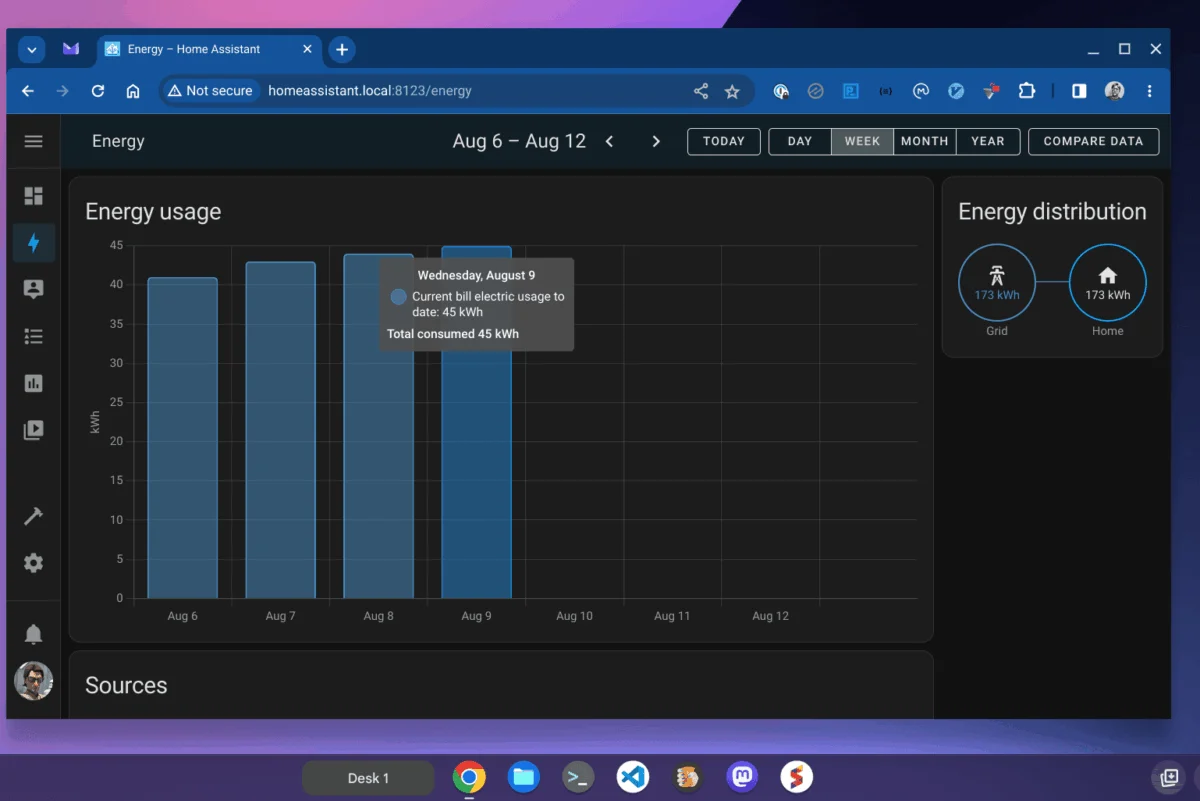
A more personal element enters the discussion with Kevin’s reflections on his experience and the audience’s reactions to his transition to Home Assistant. This segment underscores the growing interest in open-source home automation platforms and the vibrant community that supports them. The feedback from listeners provides valuable insights into user experiences, common challenges, and the benefits of adopting more customizable and privacy-focused smart home solutions. The engagement with the audience highlights the power of community-driven development and support in the technology space.

Preparing for Smart Energy Management: Proactive Steps for Consumers
In a practical segment, the podcast offers actionable advice for listeners looking to prepare their homes for the advent of smart energy management programs. These programs, often driven by utility companies, aim to optimize energy consumption through intelligent grid management and demand-response initiatives. The tips provided equip consumers with the knowledge to understand the requirements of these programs and make the necessary adjustments to their home systems, thereby enabling them to participate effectively and potentially realize cost savings. This proactive approach is crucial as the energy sector undergoes a significant digital transformation.
Listener Mailbag: Navigating the Amazon Echo Show Ecosystem
The episode concludes by addressing a listener question concerning the Amazon Echo Show and compatible devices. This segment provides practical guidance for users seeking to expand their smart home setups and ensure seamless integration with their existing Amazon devices. The discussion offers insights into the capabilities of the Echo Show and offers recommendations for devices that offer robust functionality and reliable performance within the Amazon ecosystem, reinforcing the practical application of IoT technologies in daily life.
Honeywell’s Strategic Vision for TinyML: Efficiency, Security, and Scalability
The centerpiece of the week’s episode, the interview with Muthu Sabarethinam of Honeywell, offers a compelling glimpse into the future of industrial automation and the role of edge computing. Sabarethinam elucidates Honeywell’s strategy of transforming raw data from its equipment into valuable services. This data-driven approach is foundational to their operations, enabling them to offer predictive maintenance, performance optimization, and enhanced operational insights to their clients across diverse sectors, including building automation, aerospace, and industrial manufacturing.
The core of the discussion revolves around the profound impact of TinyML. Sabarethinam explains that embedding machine learning algorithms directly onto sensors, rather than relying solely on cloud-based processing, offers several critical advantages. Foremost among these is enhanced security. By processing sensitive data locally on the sensor, the risk of data interception during transmission to the cloud is significantly reduced. This is particularly crucial in industrial settings where operational data can be proprietary or mission-critical.
Furthermore, power efficiency is a major driver for TinyML adoption. Many sensors are deployed in remote or hard-to-reach locations, often relying on battery power. Running complex algorithms in the cloud consumes considerable energy, necessitating frequent battery replacements or the installation of power infrastructure. TinyML, designed for low-power microcontrollers, can perform sophisticated analysis with minimal energy expenditure, dramatically extending the operational life of battery-powered sensors and reducing maintenance costs.
The reduction in latency is another key benefit. For real-time applications, such as industrial process control or safety monitoring, even a slight delay in data transmission and processing can have significant consequences. TinyML enables immediate decision-making and action at the edge, where the data is generated. This is critical for applications requiring rapid responses, such as detecting anomalies in manufacturing equipment or responding to environmental changes in critical infrastructure.
Sabarethinam also addresses the crucial aspect of algorithm packaging and deployment at scale. He emphasizes the need for standardized methods and platforms that allow companies to easily package and deploy their machine learning models onto diverse sensor hardware. This is essential for Honeywell, which supports over a million sensors in the field. Developing a robust ecosystem for TinyML deployment requires addressing challenges related to model compression, hardware compatibility, and over-the-air updates. The ability to efficiently manage and update these edge-deployed models will be paramount to realizing the full potential of TinyML.
The conversation extends to business models and how customers desire to interact with this data and intelligence. Honeywell is exploring various service offerings that leverage the insights generated by TinyML. This includes subscription-based services for predictive maintenance, performance optimization tools, and enhanced safety monitoring. The focus is on delivering tangible value to customers by translating raw data into actionable intelligence that improves efficiency, reduces downtime, and enhances safety. The shift towards data-as-a-service and outcome-based business models is a significant trend in the industrial sector, and TinyML is poised to be a key enabler of this transformation.
The insights shared by Sabarethinam highlight Honeywell’s forward-thinking approach to integrating cutting-edge technologies like TinyML into its core operations. This strategic investment positions the company to deliver more intelligent, secure, and efficient solutions to its global customer base, solidifying its leadership in the industrial technology landscape. The broader implications of this trend suggest a future where intelligent processing is ubiquitous, embedded directly into the fabric of our physical world, driving unprecedented levels of automation and insight.
