
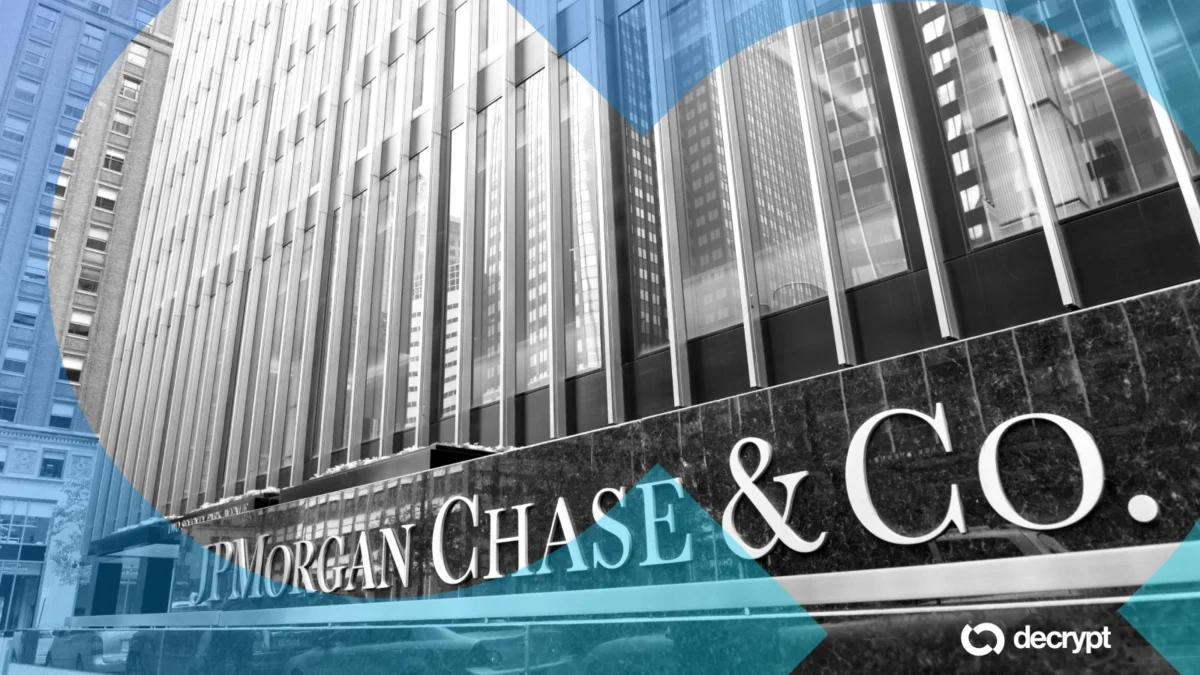

Global banking behemoth JPMorgan Chase is making a significant stride into the decentralized finance (DeFi) landscape with the introduction of a new blockchain-based product, the JPMorgan OnChain Liquidity-Token Money Market Fund (JLTXX). This innovative fund will operate as an on-chain money market fund, leveraging the capabilities of the Ethereum blockchain. The initiative underscores JPMorgan’s deepening engagement with digital assets and its strategy to integrate traditional financial instruments with distributed ledger technology.
Fund Structure and Investment Strategy
According to the fund’s official filing with the U.S. Securities and Exchange Commission (SEC), the JLTXX will exclusively invest in U.S. Treasury bills, bonds, and notes. This conservative investment strategy aims to provide a secure and stable avenue for investors seeking exposure to money market instruments while benefiting from the potential efficiencies of blockchain technology. The fund will be managed and powered by JPMorgan’s Kinexys Digital Assets unit, a division dedicated to exploring and implementing blockchain and digital asset solutions within the bank’s operations.
The Kinexys Digital Assets platform is designed to establish a "permissioned system" that operates on top of public blockchains. Initially, this system will be deployed on the Ethereum blockchain, making it the sole available network for investors. However, the SEC filing explicitly states that JPMorgan anticipates future expansion to other blockchain networks, signaling a forward-looking approach to interoperability and scalability. This phased rollout allows the bank to meticulously test and refine its blockchain infrastructure within a controlled environment before broader deployment.
Addressing Blockchain Technology Risks
While embracing the potential of blockchain, JPMorgan is also transparent about the inherent risks associated with this nascent technology. The SEC filing identifies "blockchain technology risk" as a primary concern for investors. The document acknowledges that blockchain technology is "relatively new and untested," and outlines potential vulnerabilities. These include the possibility of the blockchain network not functioning as intended, regulatory uncertainties surrounding digital assets and blockchain applications, and the potential for undiscovered technical flaws that could impact the fund’s operations and security.
JPMorgan’s approach reflects a measured strategy, acknowledging both the transformative potential and the developmental stage of blockchain technology. By highlighting these risks upfront, the bank aims to provide investors with a comprehensive understanding of the investment landscape. This transparency is crucial in building trust and fostering responsible adoption of digital asset solutions within the traditional financial sector.
A Growing Ecosystem of Digital Asset Initiatives at JPMorgan
The launch of the JLTXX money market fund is the latest in a series of high-profile engagements by JPMorgan with the cryptocurrency and blockchain space. In the week prior to this announcement, tokenization firm Ondo Finance revealed its collaboration with JPMorgan’s Kinex() platform, alongside Ripple and Mastercard. This partnership successfully settled tokenized treasuries on the XRP Ledger, the native blockchain of the XRP token. This previous initiative demonstrates JPMorgan’s active participation in exploring various blockchain applications, from payment settlements to the tokenization of traditional financial assets.
The Kinex() platform, a proprietary blockchain solution developed by JPMorgan, has been a key component in these ventures. Its ability to facilitate permissioned access and integration with public blockchains is central to the bank’s strategy of bridging traditional finance with the digital asset ecosystem. The bank’s consistent investment and experimentation in this area signal a long-term commitment to exploring the disruptive potential of blockchain technology.
Competitive Landscape and Market Context
JPMorgan’s entry into the tokenized money market fund space places it in direct competition with established players. Notably, financial firm Franklin Templeton has already launched BENJI, a similar tokenized money market offering. BENJI distinguishes itself by its broader accessibility across multiple blockchains, including BNB Chain, Canton, and Avalanche. The existence of such competing products highlights the growing demand for blockchain-native financial instruments and the evolving strategies of traditional financial institutions in this domain.
The performance of JPMorgan’s stock on the day of the announcement reflected positive investor sentiment, with shares (JPM) jumping 1.63% to close at $304.88. This uptick suggests that the market views JPMorgan’s strategic moves into digital assets as a positive development, potentially signaling future growth and innovation.
Background and Chronology of JPMorgan’s Blockchain Engagements
JPMorgan’s journey into the blockchain and digital asset space has been a gradual but increasingly assertive one. While the bank has historically expressed cautious optimism and at times skepticism regarding cryptocurrencies, its engagement with blockchain technology has been more consistent.
- Early Explorations (Pre-2017): JPMorgan, like many large financial institutions, began exploring the underlying technology of blockchain for potential applications in streamlining internal processes and improving transaction efficiencies.
- JPM Coin (2019): A significant milestone was the introduction of JPM Coin, a permissioned blockchain-based payment system designed for wholesale payments. This marked a tangible step towards leveraging distributed ledger technology for real-world financial transactions within the bank’s ecosystem.
- Odnus Platform and Blockchain Center of Excellence: The bank continued to invest in its blockchain capabilities, establishing dedicated teams and platforms like the Onyx by J.P. Morgan division. Onyx has been instrumental in developing and deploying various blockchain-based solutions.
- Tokenization Initiatives (2020-Present): JPMorgan has increasingly focused on tokenization, the process of representing real-world assets as digital tokens on a blockchain. This includes exploring the tokenization of securities, commodities, and other financial instruments.
- Collaboration with Ondo Finance (Recent Past): The recent collaboration with Ondo Finance, Ripple, and Mastercard to settle tokenized treasuries on the XRP Ledger is a testament to JPMorgan’s willingness to engage with external blockchain networks and innovative firms. This partnership showcased the practical application of tokenized U.S. Treasury securities on a public blockchain.
- Launch of JLTXX (Current Event): The introduction of the JPMorgan OnChain Liquidity-Token Money Market Fund (JLTXX) represents a further maturation of its digital asset strategy, moving from internal payment systems and asset tokenization to offering a publicly accessible, blockchain-native investment product.
This timeline illustrates a strategic evolution from internal exploration to external-facing product development, with a consistent focus on leveraging blockchain technology for efficiency, security, and innovation in financial services.
Implications and Broader Impact
The launch of the JLTXX fund by JPMorgan carries significant implications for both the traditional financial industry and the broader digital asset ecosystem.
- Mainstream Adoption Catalyst: The endorsement and active participation of a global financial giant like JPMorgan in launching a blockchain-based fund can serve as a powerful catalyst for mainstream adoption. It signals to institutional investors and retail customers that blockchain-enabled financial products are becoming increasingly sophisticated and trustworthy.
- Enhanced Liquidity and Efficiency: By moving money market funds onto the blockchain, JPMorgan aims to enhance liquidity, reduce settlement times, and potentially lower transaction costs. This could set a new standard for how money market funds operate in the digital age.
- Regulatory Scrutiny and Development: The move also brings increased attention from regulators. JPMorgan’s meticulous approach, including disclosures of blockchain risks and the use of permissioned systems, suggests an awareness of the need to navigate the evolving regulatory landscape. This could prompt further dialogue and clarity from regulatory bodies regarding blockchain-based financial products.
- Interoperability Push: While currently focused on Ethereum, the stated intention to expand to other blockchains indicates a commitment to interoperability. This is a critical development for the future of DeFi, as seamless communication and asset transfer between different blockchain networks will be essential for a robust and interconnected digital financial system.
- Competition and Innovation: The presence of competitors like Franklin Templeton highlights a nascent but growing market for tokenized financial products. This competition is likely to drive further innovation, leading to more sophisticated offerings and a wider range of investment opportunities for consumers.
- Bridging Traditional and Decentralized Finance: JPMorgan’s strategy is a clear example of bridging traditional finance with decentralized finance. By offering familiar financial instruments like money market funds in a new, blockchain-based format, the bank is effectively demystifying and integrating DeFi concepts into the established financial world.
The development of the JPMorgan OnChain Liquidity-Token Money Market Fund is a significant step in the evolution of financial markets. It demonstrates the increasing convergence of traditional finance and blockchain technology, promising a future where digital assets and distributed ledgers play an integral role in how investments are managed and accessed. As JPMorgan continues to navigate this space, its actions will undoubtedly be closely watched by industry participants and regulators alike, shaping the trajectory of digital finance for years to come.
