

The telecommunications landscape in the Lao People’s Democratic Republic (PDR) has undergone a period of rapid transformation over the last decade, evolving from a nascent market into a competitive arena characterized by high mobile penetration and the swift adoption of digital services. By the end of 2021, the nation recorded more than 10 million mobile subscribers, a significant figure considering the country’s population of approximately 7.5 million. This disparity indicates a high rate of multi-SIM usage among the populace, a common trend in Southeast Asian markets where consumers switch between operators to capitalize on varying data packages and network strengths. As the Ministry of Technology and Communications (formerly the Ministry of Post and Telecommunications) continues to oversee the sector, the four primary mobile service providers—Unitel, Lao Telecom, TPlus, and ETL—are navigating a complex environment of infrastructure expansion, regulatory shifts, and the transition toward fifth-generation (5G) technologies.
Historical Context and Market Evolution
The journey of telecommunications in Laos began in earnest in the mid-1990s with the establishment of Lao Telecom, the country’s first major provider. For years, the sector remained relatively stagnant due to geographic challenges and limited investment. However, the late 2000s marked a turning point as the Lao government sought to modernize the economy through the "Digital Laos" vision. This period saw the entry of foreign capital and technical expertise, most notably through joint ventures with Vietnamese and Russian entities.
The liberalization of the market led to a surge in mobile connectivity. Between 2010 and 2020, Laos transitioned from basic 2G GSM services to 3G, and eventually 4G LTE, which is now the standard in urban centers such as Vientiane, Luang Prabang, and Pakse. The rapid growth of the subscriber base to over 10 million is a testament to the success of these infrastructure investments, even as the country faces the inherent difficulties of providing coverage to its rugged, mountainous interior.
Analysis of the Competitive Landscape
The Lao mobile market is dominated by a quartet of operators, each with distinct ownership structures and strategic priorities. As of the latest comprehensive market reports, the hierarchy of market share remains a defining feature of the industry.
Unitel (Star Telecom)
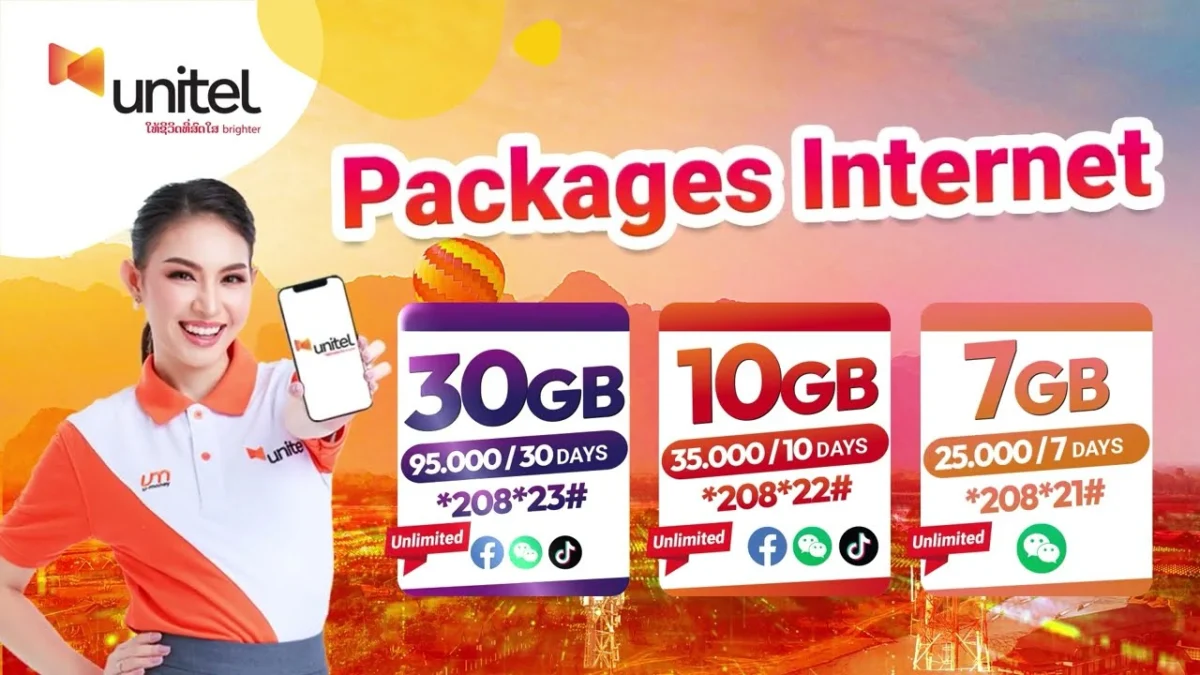
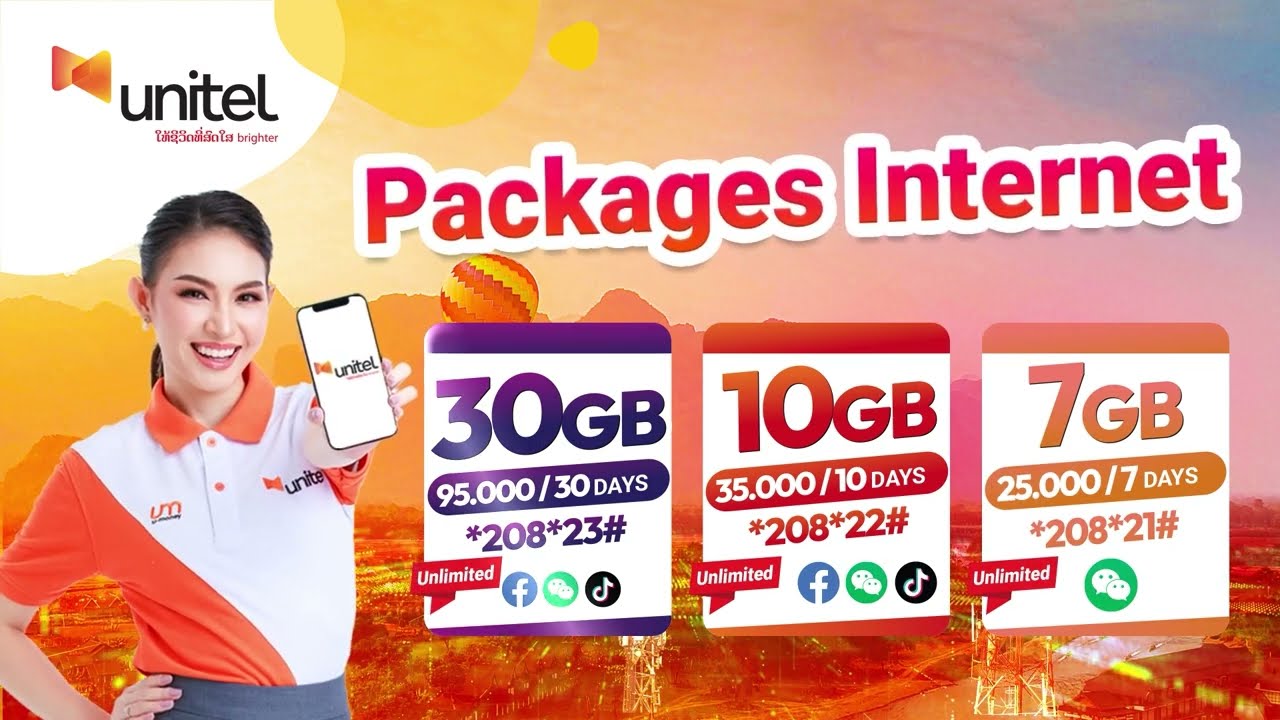
Unitel remains the undisputed market leader, commanding approximately 51% of the total subscriber base. A joint venture between the Lao Asia Telecom and Vietnam’s Viettel Group—a military-run telecommunications giant—Unitel has leveraged Viettel’s expertise in building robust networks in challenging terrains. Since its launch in 2008, Unitel has focused on "blanketing" the country, ensuring that even remote villages have access to mobile signals. With over 5 million subscribers, the company provides a comprehensive suite of services including voice, high-speed data, and fiber-to-the-home (FTTH) broadband. Furthermore, Unitel has been a pioneer in fintech within Laos through its "U-money" mobile wallet service, which has become a vital tool for financial inclusion in rural areas.
Lao Telecom (LaoTel)
As the nation’s oldest operator, Lao Telecom holds a significant 34% market share. It is a joint venture between the Lao government (51%) and Shenington Investments (49%), a subsidiary of Thailand’s Thaicom. LaoTel’s strength lies in its established brand and deep integration with government infrastructure. With over 3 million subscribers, it is often seen as the primary competitor to Unitel in terms of network quality and service diversity. LaoTel was notably the first operator to launch 4G services in Laos and has been proactive in trialing 5G technology in the capital city.
TPlus Laos (formerly Beeline)
TPlus, which rebranded from Beeline Laos, currently holds approximately 10% of the market share. The company is a subsidiary of VimpelCom (now VEON), a global provider of connectivity and internet services. TPlus has historically targeted the youth demographic and urban professionals with competitive data pricing and international roaming packages. While its market share is smaller than the top two incumbents, TPlus plays a crucial role in maintaining price competition within the sector.
ETL Laos (Enterprise of Telecommunications Lao)
ETL Laos holds the remaining 5% of the market. Originally a 100% state-owned enterprise, ETL underwent a significant restructuring in 2017 when Jiafu Holdings, a Chinese entity, acquired a 51% stake. This partnership was intended to revitalize the operator through Chinese technological investment. ETL provides a range of voice and data services and has focused on enhancing its internet service provider (ISP) capabilities to compete in the growing digital economy.
Infrastructure and Technological Standards
The technological backbone of the Lao mobile sector is built primarily on the Global System for Mobile Communications (GSM) standard. However, the focus has shifted entirely toward data-centric technologies. Currently, 4G LTE coverage is widespread in all major provincial capitals, though the "digital divide" remains a concern in rural districts.
Industry data suggests that the average cost of mobile data in Laos is among the most competitive in the Association of Southeast Asian Nations (ASEAN). Consumers typically pay between $2 and $5 per gigabyte, depending on the duration of the plan and the volume of data purchased. This affordability has been a primary driver of social media usage and the growth of e-commerce within the country.
One of the most significant recent innovations is the introduction of eSIM technology, specifically tailored for the tourism sector. Operators have recognized that physical SIM card procurement can be a friction point for international visitors. By offering eSIMs through platforms like laosesim.com and authorized retail outlets, operators allow tourists to activate local data plans before they even land in the country, facilitating immediate connectivity for navigation and communication.
Regulatory Environment and Government Policy
The Ministry of Technology and Communications serves as the primary regulator, tasked with licensing, spectrum management, and consumer protection. In recent years, the Ministry has introduced stricter regulations regarding SIM card registration, requiring all users to provide identification to curb fraudulent activities and enhance national security.
The government’s "Vision 2030" and the "National Digital Economy Development Plan" are the guiding frameworks for the sector. These policies emphasize the need for:
- Universal Service Obligation (USO): Ensuring that telecommunications services reach the most remote and underserved regions.
- Infrastructure Sharing: Encouraging operators to share cell towers and fiber optic backbones to reduce costs and minimize environmental impact.
- Cybersecurity: Establishing a legal framework to protect data privacy and secure digital transactions as the country moves toward a cashless society.
Challenges to Sectoral Growth
Despite the impressive subscriber numbers, the Lao mobile industry faces several headwinds:
- Geographic Barriers: The mountainous terrain of northern and central Laos significantly increases the cost of tower installation and maintenance.
- Workforce Limitations: There is a persistent shortage of highly skilled local engineers and cybersecurity experts, necessitating a reliance on foreign technical consultants.
- Economic Volatility: Fluctuations in the value of the Lao Kip (LAK) against the US Dollar can impact the profitability of operators, as much of their equipment and international bandwidth must be purchased in foreign currency.
- Rural Connectivity: While urban areas enjoy 4G speeds, many rural communities still rely on 2G or 3G, limiting their ability to participate in the digital economy.
Future Outlook: The Road to 5G and Beyond
The future of mobile telecommunications in Laos is inextricably linked to the deployment of 5G. Both Unitel and Lao Telecom have conducted successful 5G trials in Vientiane, demonstrating speeds that far exceed current 4G capabilities. The full-scale commercial rollout of 5G is expected to begin in major economic zones within the next 24 to 36 months. This will not only improve mobile broadband but also enable the "Internet of Things" (IoT) in sectors such as agriculture, mining, and logistics—industries that are vital to the Lao economy.
Furthermore, the government’s commitment to increasing internet connectivity in rural areas is expected to open new revenue streams for operators. As more citizens gain access to high-speed internet, the demand for digital services—including telemedicine, online education, and mobile banking—is projected to skyrocket.
Conclusion
The mobile operators of Laos have successfully navigated a decade of rapid expansion, turning a once-limited market into a dynamic sector with over 10 million subscribers. While Unitel and Lao Telecom maintain a dominant duopoly, the presence of TPlus and ETL ensures a level of competitive tension that benefits the consumer through lower prices and innovative services like eSIMs. As the country prepares for the 5G era, the focus must remain on bridging the rural-urban digital divide and strengthening the regulatory framework to support a secure and inclusive digital economy. The progress made thus far suggests that Laos is well-positioned to leverage telecommunications as a primary engine for national development in the coming decade.
