
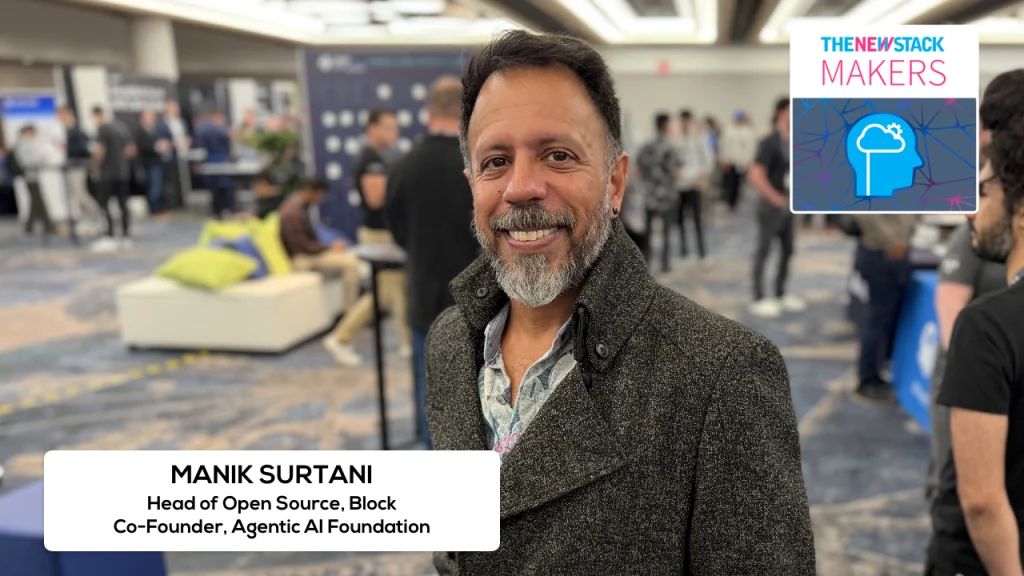

The transformative power of internal tools, once confined to the operational needs of a single organization, is increasingly shaping the broader technological landscape. A prime example of this evolution is the journey of Amazon’s cloud infrastructure, which blossomed into Amazon Web Services (AWS), a global leader in cloud computing. Now, a similar narrative is unfolding with Goose, Block’s sophisticated AI coding agent, which has transitioned from an internal employee tool to an open-source project, paving the way for a new era of collaborative AI development. This shift, spearheaded by former Block open-source lead Manik Surtani, culminates in the establishment of the Agentic AI Foundation (AAIF), a non-profit entity dedicated to fostering open governance and community-driven innovation in the rapidly expanding field of agentic AI.
The decision to open-source Goose, following its successful rollout to over 12,000 Block employees within a mere two months—a testament to its utility and rapid adoption—was a significant step. However, as Surtani, now the newly appointed CTO and co-founder of the Agentic AI Foundation, revealed in an interview with The New Stack at an MCP developer event, the initial open-sourcing was not the final destination for the project. Block’s retention of trademarks presented a considerable hurdle, creating "headwinds" that impeded widespread enterprise adoption and limited Goose’s potential for unfettered growth within the broader developer community.
The Genesis of Goose and the Need for Open Governance
Goose was developed by Block (formerly Square) as an internal AI agent designed to assist developers with coding tasks. Its integration across the company allowed employees to leverage AI for tasks ranging from code generation and debugging to documentation. The success of this internal deployment highlighted the potential of such tools to significantly boost productivity and streamline development workflows. Block’s decision to open-source Goose represented a commitment to the open-source ethos and a desire to contribute to the advancement of AI development beyond its own corporate walls.
However, the practicalities of open-source projects, particularly those with commercial implications, often reveal complexities in governance. Surtani explained that while Goose was made publicly available, the ownership of its trademarks by Block created an ambiguity that hindered its complete integration into the open-source ecosystem. For a tool intended to foster widespread adoption and collaboration, this was a critical limitation. Enterprises, often cautious about adopting tools with unresolved intellectual property or governance structures, were hesitant to fully embrace Goose. This situation underscored the need for a more robust and independent governance model that could ensure the project’s long-term viability and appeal to a diverse range of contributors and users.
The Birth of the Agentic AI Foundation
The solution to these governance challenges, Surtani articulated, lay in entrusting Goose to a dedicated foundation. This move would provide a neutral and transparent governance framework, essential for building trust and encouraging broad participation. After engaging in discussions with the Model Context Protocol (MCP) team, the core "Goose Crew," and key stakeholders at Anthropic—a leading AI research company involved with MCP—the decision was made to jointly establish the Agentic AI Foundation.
The AAIF is structured as an arm of the larger Linux Foundation, a well-established non-profit organization known for its stewardship of critical open-source projects. This affiliation provides AAIF with a robust infrastructure, extensive experience in open-source governance, and a broad network of corporate and developer support. The foundation aims to provide a home for AI projects that prioritize open collaboration, transparent development, and community-driven decision-making.
The initial launch of the AAIF was strategically anchored by a trio of foundational projects: Goose, MCP, and Agents.MD. This strategic grouping was not merely coincidental; it was a deliberate choice aimed at creating immediate momentum and a strong starting point for the foundation. Surtani emphasized that this "trio of tools was partially due to expediency, a desire to get the group up and running." By launching with these established projects, the AAIF could quickly demonstrate its value proposition and begin attracting further contributions and projects under its umbrella.
Expanding the Ecosystem: MCP and Agents.MD
The inclusion of MCP and Agents.MD alongside Goose signifies a broader vision for the AAIF. MCP, or Model Context Protocol, represents an effort to standardize how AI models interact with their context, a critical component for building more sophisticated and reliable AI systems. The collaboration with Anthropic on MCP highlights the foundation’s commitment to addressing foundational technical challenges in AI development.
Similarly, Agents.MD represents another facet of the agentic AI landscape, likely focusing on the development and deployment of AI agents for specific domains or tasks. The synergy between these projects—coding agents, context protocols, and domain-specific agents—creates a comprehensive ecosystem for the development and advancement of agentic AI. This multi-pronged approach is designed to foster innovation across various layers of the AI stack, from core infrastructure to practical applications.
The involvement of major players like AWS in guiding MCP, as evidenced by previous discussions with the AWS team regarding their participation in the MCP summit, further underscores the potential for broad industry support. This corporate buy-in is crucial for the sustainability and impact of the AAIF, as it ensures resources, expertise, and a pathway for enterprise adoption of the technologies nurtured by the foundation.
The Future of Agentic AI and the Role of the AAIF
The establishment of the Agentic AI Foundation marks a significant turning point for the open-source AI community. By providing a dedicated home for projects like Goose, the AAIF aims to replicate the success of similar foundational initiatives that have driven innovation in other technology sectors. The model of transferring promising internal tools to independent foundations has proven effective, fostering widespread adoption and collaborative development that often surpasses what a single company can achieve alone.
The implications of this initiative are far-reaching. For developers, it offers access to powerful, community-vetted AI tools and a platform to contribute to their evolution. For enterprises, it promises greater transparency, flexibility, and assurance in adopting AI technologies, mitigating risks associated with proprietary solutions or less mature open-source projects. The AAIF’s commitment to open governance ensures that the direction of these AI agents will be guided by the collective needs and priorities of the community, rather than the singular interests of a corporation.
As the field of agentic AI continues its rapid ascent, the role of organizations like the AAIF will become increasingly critical. They serve as vital enablers, bridging the gap between cutting-edge research, practical development, and widespread adoption. The journey of Goose, from an internal Block tool to the cornerstone of a new foundation, exemplifies the power of open collaboration and the potential for internal innovation to catalyze significant progress in the global technological landscape. The foundation’s success will hinge on its ability to attract a diverse community of contributors, foster robust technical development, and maintain a transparent and equitable governance model, ultimately shaping the future of how AI agents are developed and utilized across industries.
