
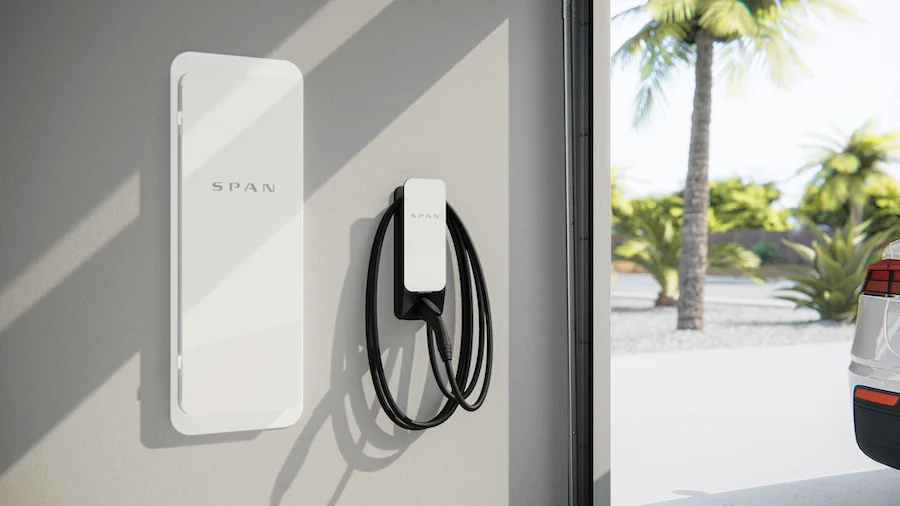

The escalating intensity of extreme weather events this summer, coupled with a heightened public awareness of the inherent fragilities within our national power grids, has fostered a growing consensus: smart homes must integrate some form of intelligent energy management. While today this often manifests as a smart thermostat participating in a utility’s demand response program, the trajectory of technological advancement suggests a more comprehensive integration in the coming decade. This future likely includes sophisticated smart breaker boxes, intelligent electric vehicle (EV) chargers, and potentially solar power systems or other forms of energy storage. Orchestrating these diverse components will be advanced software capable of seamless communication between in-home devices and utility infrastructure, ensuring optimal power distribution, especially during periods of peak demand when supply may be constrained.
The Evolving Landscape of Home Energy Management
The concept of a truly smart home energy ecosystem is rapidly evolving from a niche interest to a mainstream necessity. Recent legislative actions, such as those enacted under the Biden administration, are actively incentivizing consumers to transition from outdated, "dumb" electrical infrastructure to more modern, smart alternatives. This legislative push, combined with growing environmental consciousness and the increasing adoption of energy-intensive technologies like electric vehicles, is creating a fertile ground for innovation in home energy management.
However, for the average homeowner, the prospect of overhauling an entire electrical system can appear significantly more daunting than the relatively simple task of replacing a thermostat. This presents a critical challenge: how can individuals begin to navigate this complex transition and make their home energy infrastructure smarter? The initial steps, while seemingly rudimentary, are foundational to building a more resilient and efficient home energy system.
Understanding Your Home’s Electrical Foundation: The Breaker Box Audit
The most accessible and immediate action any homeowner can take is to conduct an audit of their existing breaker box. This process, best undertaken with the assistance of a friend or family member via a phone call, involves systematically identifying which outlets and appliances are connected to each individual circuit. By having one person at the breaker box flip switches and the other move through the house to observe which devices lose power, a detailed map of the home’s electrical circuits can be meticulously compiled.
This compiled list is invaluable. It not only clarifies the current state of the home’s electrical distribution but also highlights potential "headroom" – unused circuits or those with minimal load – that could be leveraged for future upgrades. Identifying such capacity is crucial for homeowners considering the installation of new, energy-intensive appliances that are central to electrification trends. This includes the integration of EV chargers, the adoption of high-efficiency heat pumps for climate control, or the transition to induction stoves for cooking.
For residents of older homes lacking sufficient headroom, the need for an upgrade becomes more pronounced. Such upgrades typically involve increasing the amperage of the home’s electrical service line and potentially the breaker box itself. While these modifications can represent a significant upfront investment, they are essential for supporting the demands of modern electrification.
Navigating the Smart Breaker Box Market
The market for smart electrical panels and related technologies is nascent but rapidly expanding, with key players like Schneider Electric, Eaton, Leviton, Savant, and Span actively developing and bringing innovative products to market. These solutions range from devices that provide granular energy consumption data to fully integrated smart breaker boxes that offer active load management capabilities.
Some of the earlier iterations of smart breaker box technology focused on monitoring rather than control. Devices such as Sense and Emporia, for instance, install within the existing breaker box and transmit detailed information about energy usage to a user’s smartphone or a cloud-based platform. While these devices offer valuable insights into which appliances are consuming the most power, their utility is limited by the inability to actively intervene and manage those loads. Knowing that a refrigerator consumes a significant amount of energy daily, for example, does not inherently provide a mechanism to reduce that consumption in real-time.
A more advanced category of smart breaker technology involves "smart circuits." These individual breakers are designed with the capability to be remotely turned on or off, granting homeowners direct control over specific circuits and the appliances connected to them. Consumers can opt for a completely smart breaker box, replacing their entire existing panel with an intelligent unit, or strategically install a few smart circuits to manage high-demand appliances. A significant challenge in this segment currently is the prevalence of proprietary software ecosystems. Many of these smart circuit solutions rely on proprietary communication protocols and management software, potentially leading to vendor lock-in and limited interoperability between different brands and devices. For the highly technical and dedicated DIY enthusiast, open-source alternatives are beginning to emerge, offering greater flexibility and customization, though these require a higher level of technical expertise.

The Role of Software and Interoperability
The ultimate effectiveness of any smart home energy management system hinges on the sophistication and interoperability of its controlling software. As the number and types of connected devices within a home increase – from smart thermostats and lighting to EV chargers and major appliances – the need for a unified and intelligent software platform becomes paramount. This software must be capable of receiving data from a multitude of sources, analyzing consumption patterns, and making real-time decisions to optimize energy usage.
A glimpse into the potential of future smart home energy management can be experienced through platforms like Samsung’s SmartThings Energy. This system leverages data from smart meters and utility rate structures to provide users with a clear understanding of their connected appliance’s power consumption. For users with compatible Samsung appliances, the app offers a "Power Savings" mode, allowing for some degree of energy optimization.
However, the current landscape is still characterized by a lack of universally adopted standards for communication between smart appliances, energy monitoring devices, and breaker box management software. This fragmentation can hinder the seamless integration and optimal performance of a comprehensive smart home energy system. Industry observers anticipate that as the market matures, greater emphasis will be placed on developing open standards and ensuring greater interoperability between devices and platforms.
A Phased Approach to Electrification and Smart Energy Adoption
The transition to a fully smart and electrified home energy system is unlikely to be a single, overnight event for most households. Instead, it will likely be a phased process, driven by technological advancements, economic considerations, and evolving consumer needs.
Timeline of Potential Integration:
- Present Day: Smart thermostats and basic energy monitoring devices (e.g., Sense, Emporia). This stage focuses on gaining awareness of energy consumption patterns.
- Near Future (1-3 years): Introduction of smart EV chargers, smart circuit breakers for critical loads, and potentially smart appliances with enhanced energy-saving features. This phase emphasizes control and optimization of specific high-demand devices.
- Medium Term (3-7 years): Wider adoption of smart breaker boxes, integration with home solar and battery storage systems, and the emergence of more sophisticated home energy management platforms that can dynamically interact with utility grids. This stage moves towards a more holistic and grid-interactive energy system.
- Long Term (7+ years): Fully integrated, AI-driven home energy systems that proactively manage all energy-consuming and generating assets, optimizing for cost, comfort, and grid stability. This vision represents a highly automated and intelligent energy ecosystem.
Economic and Environmental Implications
The widespread adoption of smart home energy management systems carries significant implications beyond individual household benefits. On an economic level, it can lead to substantial savings on utility bills for consumers, especially as dynamic electricity pricing becomes more prevalent. For utilities, intelligent grid management enabled by smart homes can reduce the need for expensive peaker plants, improve grid reliability, and facilitate the integration of renewable energy sources.
Environmentally, smarter energy management is a critical component in reducing overall carbon emissions. By enabling more efficient energy usage, facilitating the adoption of electric vehicles powered by increasingly clean energy, and supporting the integration of renewable energy generation, smart homes contribute to a more sustainable future. The ability for homes to actively participate in demand response programs, for example, can significantly alleviate strain on the grid during peak hours, often powered by fossil fuel-based generation.
Looking Ahead: The Future of the Smart Home Energy Ecosystem
The journey toward a truly smart home energy ecosystem is well underway, fueled by technological innovation, supportive legislation, and a growing societal imperative to address climate change and grid resilience. While the initial steps might seem modest, such as conducting a thorough breaker box audit, they lay the essential groundwork for more sophisticated integrations.
As vendors continue to refine their offerings and industry standards for interoperability mature, homeowners will be empowered with increasingly advanced tools to manage their energy consumption effectively. The future promises homes that not only consume energy but actively participate in the energy landscape, contributing to a more sustainable, resilient, and cost-effective energy future for all. The investment in smart energy management, therefore, is not merely an upgrade to a home’s infrastructure but a crucial step towards a more intelligent and responsible energy paradigm.
