
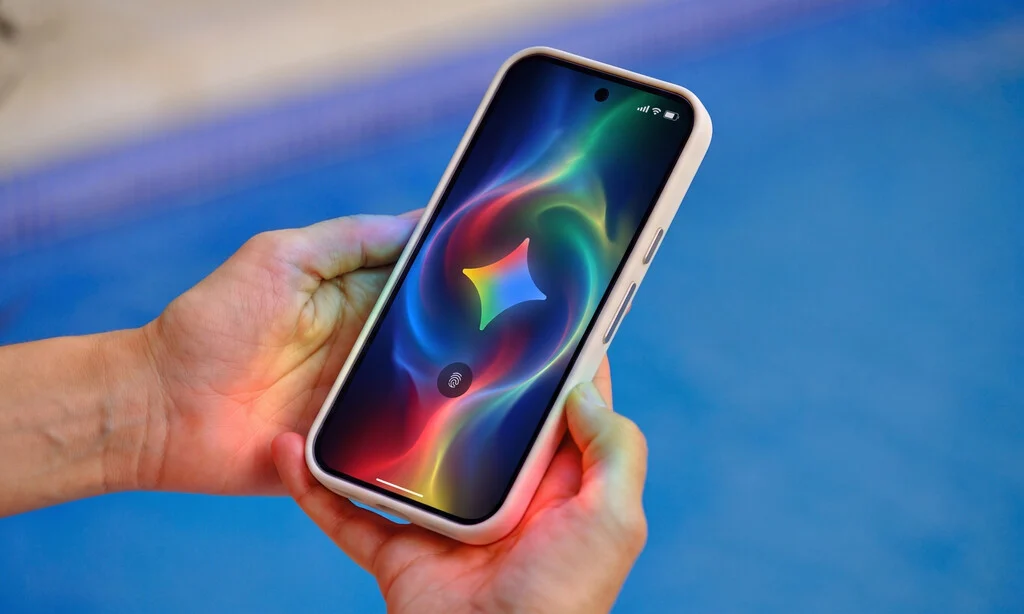

The annual Google I/O developer conference for 2026 has once again placed artificial intelligence at the absolute forefront of its strategic vision, reinforcing Google’s commitment to an AI-first future. Following earlier revelations regarding Android 17, which promised significant enhancements to the operating system and its expansion into the PC ecosystem with the anticipated Googlebook, Mountain View has now announced a sweeping update poised to fundamentally redefine how users interact with their mobile devices. This comprehensive unveiling introduces advanced Gemini AI models, extending capabilities from sophisticated chatbots and intelligent assistants to groundbreaking autonomous agents, all aimed at delivering an unprecedented level of integration and responsiveness.
The AI-First Imperative: A Brief History and Current Context
Google’s journey towards an AI-centric paradigm has been a deliberate and escalating one. Over the past decade, the company has consistently invested in AI research, moving from rudimentary voice commands and predictive search to complex neural networks and generative models. The transition from the ubiquitous Google Assistant to the more powerful and versatile Gemini marked a pivotal moment, signaling a strategic consolidation of its AI efforts under a unified brand. This year’s I/O builds on that foundation, pushing the boundaries of what a mobile AI can achieve.
The backdrop to these announcements is a rapidly evolving competitive landscape. While Google has been a pioneer in AI, the emergence of agile startups and aggressive moves by competitors, particularly in markets like China where platforms like OpenClaw have seen unprecedented success in autonomous agent capabilities, underscores the urgency for Google to solidify its leadership. The company’s vision, articulated by CEO Sundar Pichai during the keynote, is not merely to integrate AI into existing products, but to reimagine user experience from the ground up, with AI acting as a proactive, intuitive partner rather than a reactive tool.
Earlier this year, the "The Android Show" offered a glimpse into Android 17’s core features, including the introduction of "Gemini Intelligence" and significant design improvements, alongside the ambitious stride into the PC market with the Googlebook. These foundational updates paved the way for the deeper AI integration unveiled at I/O 2026, setting the stage for a truly interconnected and intelligent ecosystem. However, concerns regarding the hardware requirements for Gemini Intelligence, which some analysts predict could render a substantial portion of older Android devices obsolete, suggest that this leap forward may come with its own set of challenges for broader accessibility.
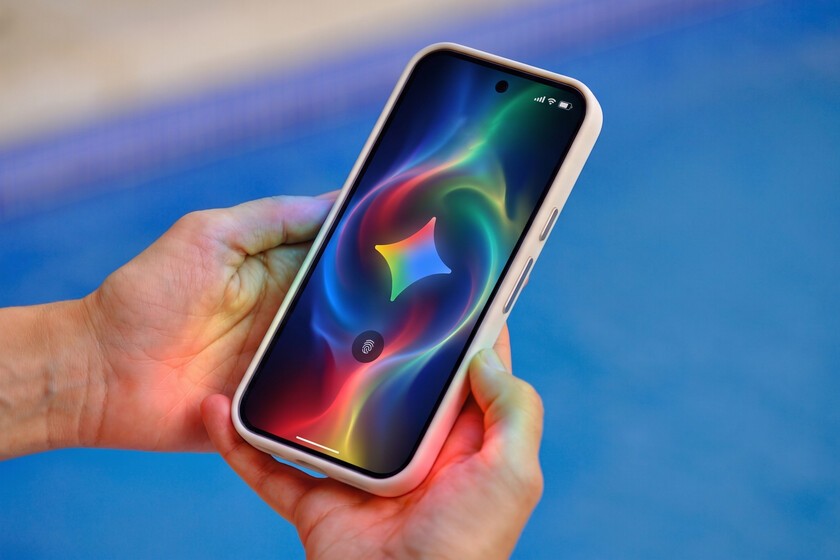
Gemini 3.5 Flash: Redefining Real-time Responsiveness
At the core of Google’s immediate AI enhancements is the introduction of Gemini 3.5 Flash, a new language model engineered for unparalleled speed and efficiency. Designed as a foundational engine for the evolved Android assistant (now fully synonymous with Gemini), Flash promises to revolutionize real-time interactions by significantly reducing processing delays that have, until now, occasionally made AI conversations feel artificial or cumbersome.
Google touts Gemini 3.5 Flash as offering superior performance compared to its predecessor, Gemini 3.1 Pro, particularly in scenarios demanding rapid responses and low computational overhead. This efficiency is critical for embedding AI capabilities deeply within mobile operating systems, where battery life and processing power are at a premium. While specific benchmarks were not publicly detailed, internal testing reportedly shows a marked improvement in inference speed, potentially reducing response times by up to 40% in common conversational tasks, according to sources close to the development team. This advancement not only makes the AI feel more natural but also broadens the range of devices capable of running sophisticated AI models effectively.
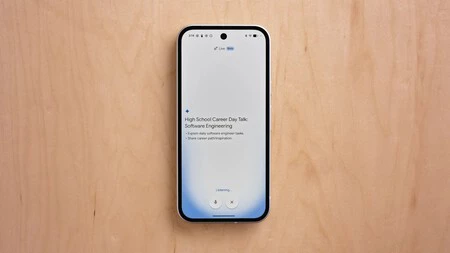
The practical applications of Gemini 3.5 Flash are immediately apparent in features like "Documentos Live." This innovation enables users to draft, edit, and refine text documents entirely through voice commands, with the AI providing real-time transcription, grammatical corrections, and stylistic suggestions. Imagine dictating a complex email or a report, and the AI not only accurately captures your words but also polishes the prose, suggests better phrasing, and integrates relevant information from your digital ecosystem, all in a fluid, conversational exchange.
Another significant application is "Ask YouTube," a feature that fundamentally reinvents video search. Instead of relying on keywords or timestamps, users can pose complex questions to Gemini, which will then leverage its advanced understanding to pinpoint the exact segment within a video that provides the answer. For instance, asking "How do I change the oil in a 2025 electric car model X?" could lead directly to the 3:47 mark of a specific tutorial video, saving users countless hours of manual searching. This capability highlights Gemini’s enhanced ability to understand nuanced queries and extract precise information from multimodal content.
While Gemini 3.5 Flash is designed for speed and efficiency, Google also teased the upcoming arrival of Gemini 3.5 Pro next month. This more powerful model, currently used for internal development, is expected to offer even greater depth of understanding and reasoning capabilities, targeting more complex tasks and creative endeavors where speed is important but not the sole determinant of performance. The staggered rollout suggests a strategic approach, providing immediate enhancements with Flash while preparing for a more robust Pro experience in the near future.
Gemini Omni: The Dawn of Multimodal Creation
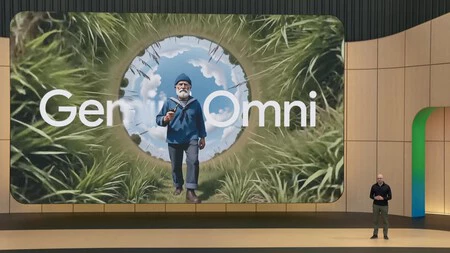
Beyond enhanced conversational intelligence, Google I/O 2026 introduced Gemini Omni, a groundbreaking new model that marks a significant leap in generative AI capabilities. Gemini Omni is designed to be truly multimodal, capable of creating diverse content formats—audio, text, video, and images—from a single, unified prompt. This represents a paradigm shift from siloed generative models to an integrated creative engine.
The immediate impact of Gemini Omni is already being felt with the release of Gemini Omni Flash, which became available today within the Gemini application, Google Flow (Google’s collaborative creative suite), and YouTube Shorts. This immediate deployment underscores Google’s commitment to putting powerful generative tools directly into users’ hands. Imagine conceptualizing a short video ad, describing it in natural language, and having Gemini Omni Flash generate the script, visual scenes, and even background music within moments. This transforms mobile devices into powerful, portable creation studios.
Gemini Omni leverages Google’s continuous advancements in specialized generative models. For instance, it integrates technologies akin to Veo for high-quality video generation, allowing for the creation of dynamic and realistic visual content based on text descriptions. Similarly, Lyria, Google’s advanced music generation technology, contributes to Omni’s ability to compose bespoke soundtracks or sound effects, ensuring a cohesive and immersive multimedia output. The synthesis of these capabilities within Omni promises to democratize content creation, enabling individuals and small businesses to produce professional-grade media without extensive technical expertise or expensive equipment.
Addressing the Challenges of Generative AI: The Role of SynthID
The immense power of generative AI, particularly in creating realistic multimedia content, naturally raises concerns about potential misuse, including the spread of deepfakes and misinformation. Google is acutely aware of these challenges and has reinforced its commitment to responsible AI development by announcing the expanded deployment of SynthID.

SynthID is Google’s innovative digital watermarking technology, designed to embed an imperceptible signal directly into AI-generated media. At I/O 2026, Google confirmed that SynthID’s detection capabilities are now fully integrated into the Gemini app, allowing users to verify whether a piece of multimedia content—be it an image, audio clip, or video—has been generated by AI. This feature aims to provide a critical layer of transparency and trust in an increasingly AI-saturated digital landscape.
The expansion of SynthID is a proactive measure to combat the ethical complexities of generative AI. By providing tools for content provenance, Google hopes to empower users and platforms to distinguish between authentic and AI-generated content, thereby mitigating the risks of manipulation and disinformation. This initiative is part of a broader industry effort to establish standards for AI content identification and underscores Google’s leadership in developing ethical frameworks for artificial intelligence.
Gemini Spark and Android Halo: The Era of Autonomous Agents
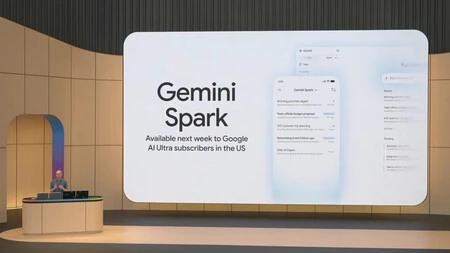
Perhaps the most ambitious revelation from Google I/O 2026 is the unveiling of Gemini Spark, ushering in a new era of autonomous AI agents. For years, AI assistants have been largely reactive, awaiting user commands to perform tasks such as searching for information or executing specific actions. Gemini Spark represents a profound shift towards proactive, continuous AI assistance, designed to work intelligently in the background, anticipating user needs and automating complex workflows.
Gemini Spark is envisioned as a personal AI agent deeply integrated into the Gemini application, capable of organizing digital life and executing instructions autonomously. This means the AI won’t just respond to a query about your calendar; it might proactively suggest rescheduling a meeting based on traffic patterns, automatically draft responses to routine emails, or compile a daily briefing of relevant news and appointments without explicit prompts. It operates within secure virtualized environments, ensuring both efficiency and data privacy.
The development of Gemini Spark comes at a time when the concept of autonomous agents is gaining significant traction globally. Google specifically referenced the unprecedented success of third-party projects like OpenClaw, which has reportedly captivated markets like China within 100 days of its launch. This competitive pressure, alongside a clear user demand for more intelligent automation, has accelerated Google’s efforts to bring sophisticated autonomous capabilities to its core platforms. The race to control the "mobile brain" is intensifying, with tech giants like Xiaomi and Huawei also reportedly investing heavily in similar agent technologies.
Initial access to Gemini Spark will be exclusive to subscribers of the "Ultra" tier in the United States, with a beta rollout scheduled for next week. This phased approach allows Google to gather crucial feedback and refine the agent’s capabilities in a controlled environment before a wider release.
To ensure users maintain oversight and control over these powerful autonomous agents, Google has introduced Android Halo. Debuting in Android later this year, Android Halo is a dedicated interface space designed to provide real-time insights into the activities and progress of AI agents like Spark. It acts as a transparent dashboard where users can monitor tasks being performed in the background, review AI-generated summaries, and intervene if necessary. This feature addresses potential user concerns about relinquishing control to AI, fostering trust through transparency and clear oversight mechanisms. Android Halo is not just a monitoring tool; it’s a commitment to user agency within an increasingly intelligent and automated mobile experience.
Broader Implications and the Road Ahead
The announcements at Google I/O 2026 collectively signal a fundamental transformation in how users will interact with technology. The shift from a reactive assistant to a proactive, multimodal, and autonomous agent represents Google’s vision for ambient computing, where AI seamlessly integrates into every aspect of daily life, anticipating needs and simplifying complex tasks.
User Experience and Productivity: For the average user, these updates promise a far more intuitive and less demanding digital experience. Tasks that once required multiple steps and explicit commands could soon be handled automatically or with minimal input, freeing up cognitive load and enhancing productivity. From managing schedules and communications to generating creative content, the mobile device is set to become an even more indispensable personal assistant.
Developer Ecosystem: For developers, these advancements open up a wealth of new opportunities. Google is expected to release new APIs and development tools that allow third-party applications to integrate with Gemini’s enhanced capabilities, including its multimodal generation and autonomous agent features. This could lead to a new wave of innovative apps that leverage AI to provide personalized and proactive services across various domains.
Hardware and Accessibility: While the new AI models promise incredible power, the underlying hardware requirements, particularly for Gemini Intelligence and future iterations, cannot be overlooked. The initial reports suggesting that many existing Android devices might struggle to meet these demands highlight a potential digital divide. Google will need to carefully manage this transition to ensure that the benefits of advanced AI are accessible to a broad user base, not just those with the latest flagship devices. This may involve further optimization of models like Gemini 3.5 Flash for lower-resource environments or innovative cloud-based processing solutions.
Ethical Governance and Trust: Google’s emphasis on SynthID and Android Halo demonstrates a clear recognition of the ethical challenges posed by advanced AI. As AI becomes more autonomous and capable of generating realistic content, maintaining user trust and combating misinformation will be paramount. The company’s continued investment in responsible AI principles, including fairness, privacy, and safety, will be crucial in navigating these complex waters.
In conclusion, Google I/O 2026 has unequivocally cemented Google’s identity as an AI-first company. The revelations surrounding Gemini 3.5 Flash, Gemini Omni, and the revolutionary Gemini Spark, complemented by the user-centric Android Halo, paint a vivid picture of a future where the Android ecosystem is powered by an intelligent, multimodal, and truly autonomous agent. This is not merely an update; it is a redefinition of mobile interaction, setting a new benchmark for what users can expect from their digital companions in the years to come.
Image of cover | Alejandro Alcolea for Xataka (with edition)
