
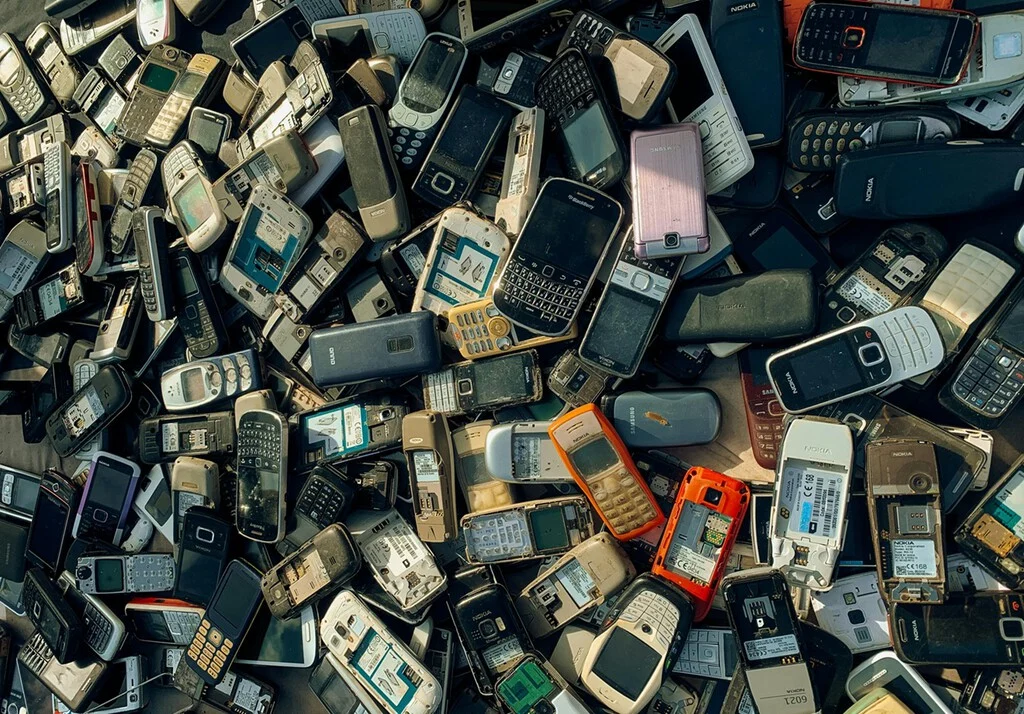

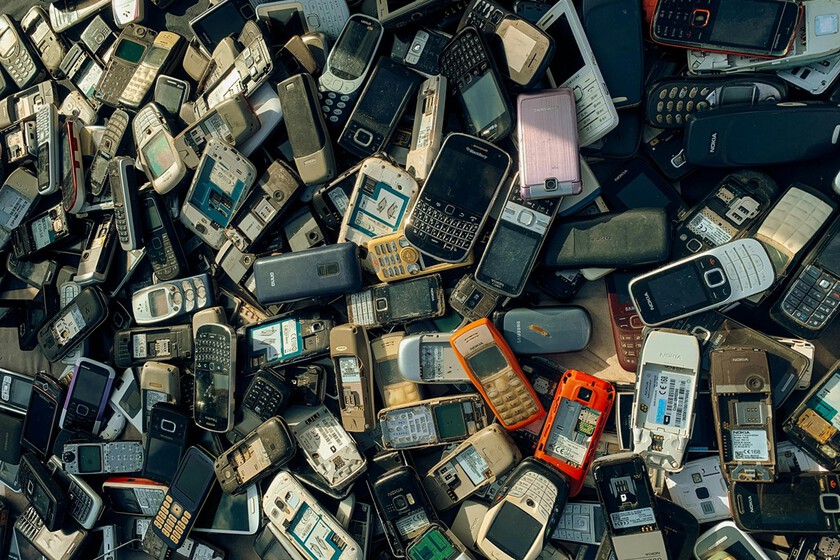
The ubiquitous electronic devices that populate our daily lives—the smartphone in hand, the laptop on the desk, tablets, headphones, smartwatches—are not merely conveniences but complex assemblages of valuable, often scarce, minerals. Yet, despite containing precious metals like silver, copper, platinum, gold, and rare earths, a vast majority of these devices are destined for landfills, contributing to a burgeoning global crisis: electronic waste, or e-waste. This pressing challenge, characterized by significant economic losses, environmental hazards, and geopolitical vulnerabilities, has spurred innovative responses, with Spain now taking a pioneering step through the inauguration of Europe’s first pilot plant dedicated to recovering critical metals from electronic scrap.
The Escalating Tide of Electronic Waste: A Global and European Quandary
Electronic waste, officially categorized as Waste Electrical and Electronic Equipment (WEEE), encompasses any discarded device with a battery or plug. From household appliances to IT equipment, consumer electronics, and medical devices, the sheer volume of WEEE generated globally is staggering and growing at an alarming rate. According to the United Nations’ E-waste Monitor 2024, a staggering 62 million metric tons of WEEE were generated worldwide in 2022. This figure represents an 82% increase since 2010 and is projected to continue its upward trajectory, reaching an estimated 82 million metric tons by 2030, driven by shorter product lifecycles, increased consumption, and limited repair options.
Europe, despite its environmental aspirations, holds the unenviable distinction of being the region with the highest per capita WEEE generation. In 2022, Europeans generated an average of 17.6 kilograms of e-waste per person, significantly exceeding the global average. Alarmingly, the E-waste Monitor reveals that only a fraction of this waste is properly documented and recycled. For Spain alone, the figures are stark: approximately 930,000 metric tons of WEEE are discarded annually, with less than half of this volume undergoing documented recycling processes. This leaves an enormous proportion either stockpiled, improperly disposed of, or exported, often illegally, to developing nations where rudimentary recycling practices pose severe health and environmental risks.
The economic implications of this wastefulness are profound. The UN estimates that the raw materials contained within the 2022 global e-waste stream alone were valued at an astonishing $91 billion. For Europe, this translates to an estimated annual loss of $19 billion. This "lost money" represents not just the intrinsic value of precious metals and critical raw materials but also the missed opportunities for job creation, industrial innovation, and enhanced economic resilience. Beyond the financial cost, the environmental toll is immense. E-waste contains a cocktail of hazardous substances, including lead, mercury, cadmium, and brominated flame retardants, which can leach into soil and water, contaminating ecosystems and threatening human health if not managed properly.
Spain’s Strategic Intervention: A Pioneering Furnace in Madrid
In a significant move to address this crisis and align with broader European strategic goals, the National Centre for Metallurgical Research (CENIM) of the Spanish National Research Council (CSIC) recently inaugurated Europe’s first pilot plant capable of recovering critical metals from electronic waste. Located in Madrid, this facility marks a pivotal moment in the continent’s efforts to transition towards a more circular economy and reduce its reliance on external sources for vital raw materials.
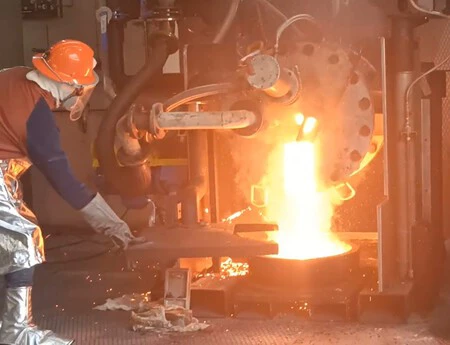
The heart of this innovative plant is a state-of-the-art submerged lance furnace. Operating at temperatures exceeding 1,200°C, this high-temperature reactor is designed to melt e-waste and efficiently extract its most valuable metallic components. Initial experimental trials with mixed electronic scrap have yielded highly promising results, successfully recovering a range of precious metals including gold, silver, platinum, and copper, alongside other critical materials. Researchers at CENIM-CSIC emphasized the successful proof-of-concept, demonstrating the technical feasibility of extracting high-purity metals from a complex waste stream, a process traditionally challenging due to the heterogeneous nature of e-waste.
Unveiling the Technology: The ISASMELT Process
The efficacy of the Madrid furnace lies in its application of a sophisticated metallurgical technique known as the ISASMELT process, adapted for e-waste recycling. This technology, originally developed for primary smelting of non-ferrous metals, utilizes a submerged lance to inject oxygen and fuel directly into a molten bath of e-waste. The forceful injection creates intense turbulence within the melt, fostering rapid mixing and accelerating the chemical reactions necessary for the efficient separation of metals.
A key advantage of the ISASMELT process is its ability to handle unsorted and un-processed e-waste, significantly reducing the pre-treatment requirements typically associated with conventional recycling methods. Unlike other pyrometallurgical or hydrometallurgical processes that often demand extensive fine grinding or drying of the input material, the submerged lance technology can accommodate larger, more heterogeneous pieces of electronic scrap. Once the e-waste is melted, the principle of density separation comes into play. Precious and heavy metals, being denser, sink to the bottom of the furnace, forming a metallic phase, while lighter slag materials containing non-metallic components float on top. This stratification allows for the relatively straightforward extraction of the valuable metal-rich fraction, which can then undergo further refining. The controlled environment and precise injection of reagents contribute to high recovery rates and the production of a concentrated metal alloy, ready for subsequent purification steps.
A Strategic Imperative: Fueling Europe’s Circular Economy and Geopolitical Resilience
The development of advanced recycling facilities like the Madrid pilot plant is not merely an environmental endeavor; it is a critical component of Europe’s broader strategy for economic security and geopolitical resilience. The continent’s ambitious green and digital transitions—from electric vehicles and renewable energy infrastructure to advanced computing and defense technologies—are heavily reliant on a secure and sustainable supply of critical raw materials (CRMs). These include rare earth elements, cobalt, lithium, and a host of other minerals that are vital yet often concentrated in a few geographical locations, particularly China, which currently dominates the extraction, processing, and refining of many CRMs.
This heavy reliance on external suppliers for CRMs exposes Europe to significant supply chain vulnerabilities, price volatility, and geopolitical risks. Disruptions, whether due to trade disputes, political instability, or natural disasters, can have cascading effects across European industries, hindering innovation and economic growth. Recognizing this precarious position, the European Union has launched initiatives like the Critical Raw Materials Act. This landmark legislation, enacted to bolster Europe’s strategic autonomy, sets ambitious targets: by 2030, at least 25% of the EU’s annual consumption of strategic raw materials must come from recycling within the Union. The Madrid furnace directly contributes to this objective, embodying the concept of "urban mining"—the recovery of valuable materials from discarded products rather than extracting them from virgin sources. This approach not only reduces import dependency but also lessens the environmental impact associated with traditional mining.
The Road Ahead: Scaling Innovation and Overcoming Challenges
While the successful inauguration of the pilot plant is a cause for optimism, it is crucial to recognize that this is a foundational step, not the ultimate solution. The transition from a pilot-scale operation to a full-fledged industrial plant presents several significant challenges that need to be addressed comprehensively.
One primary concern revolves around environmental management, particularly the emission of gases during the high-temperature pyrometallurgical process. E-waste contains plastics and other organic materials that, when heated, can release harmful pollutants. Effective gas capture, treatment, and emission control systems are paramount to ensure the plant operates cleanly and adheres to stringent European environmental regulations. Researchers are actively developing and testing advanced flue gas cleaning technologies to mitigate this impact.
Another critical area of focus is the long-term durability and lifespan of the materials used in the furnace itself. Operating at over 1,200°C with corrosive molten metals and slags subjects the refractory linings and other components to extreme wear and tear. Optimizing material selection and furnace design for extended operational life is essential for economic viability and continuous operation.
Furthermore, scaling up the technology from a pilot plant, which processes relatively small batches, to an industrial facility capable of handling hundreds of thousands of tons of e-waste annually requires substantial investment in infrastructure, engineering, and logistics. Securing consistent funding, potentially through a combination of public grants, private sector investment, and European Union funds, will be vital to move the project beyond its experimental phase. Public-private partnerships are seen as key to bridging this gap, combining academic expertise with industrial capacity and market access. The economic model also needs to be robust, demonstrating that the value recovered from the e-waste justifies the operational costs and initial capital outlay.
The Unfinished Business: Bridging the Collection Gap
Even with groundbreaking technological advancements like the Madrid furnace, the broader problem of e-waste management will remain unsolved if a fundamental issue is not addressed: the inadequate collection rates across Europe. Despite regulatory frameworks and collection schemes, only about 54% of WEEE generated in Europe is collected correctly. This means nearly half of all electronic waste bypasses formal recycling channels, ending up in general waste streams, stockpiled in households, or illegally traded.
This collection conundrum highlights a critical disconnect: highly sophisticated technologies designed to extract valuable materials are rendered ineffective if the raw material—the e-waste itself—does not enter the recycling pipeline in the first place. Improving collection rates requires a multi-faceted approach involving enhanced consumer awareness campaigns, simplified and accessible collection points, effective enforcement of producer responsibility schemes, and collaborative efforts between municipalities, retailers, and recycling operators. Consumers need to be educated on the environmental and economic benefits of proper e-waste disposal and understand that discarding electronic items in regular bins squanders valuable resources and poses environmental risks.
Spain’s new pilot plant represents a significant stride in Europe’s journey towards a circular economy for critical raw materials. It offers a tangible pathway to unlock the vast "urban mines" hidden within our discarded electronics, contributing to economic value, environmental protection, and strategic autonomy. However, its ultimate success, and indeed Europe’s broader e-waste strategy, hinges on a dual commitment: continuous innovation in recycling technology and a concerted effort to drastically improve the collection and sorting of e-waste at its source. Only by addressing both technological and logistical challenges can Europe truly capitalize on its potential for sustainable resource management and solidify its position as a leader in the global green transition.
