
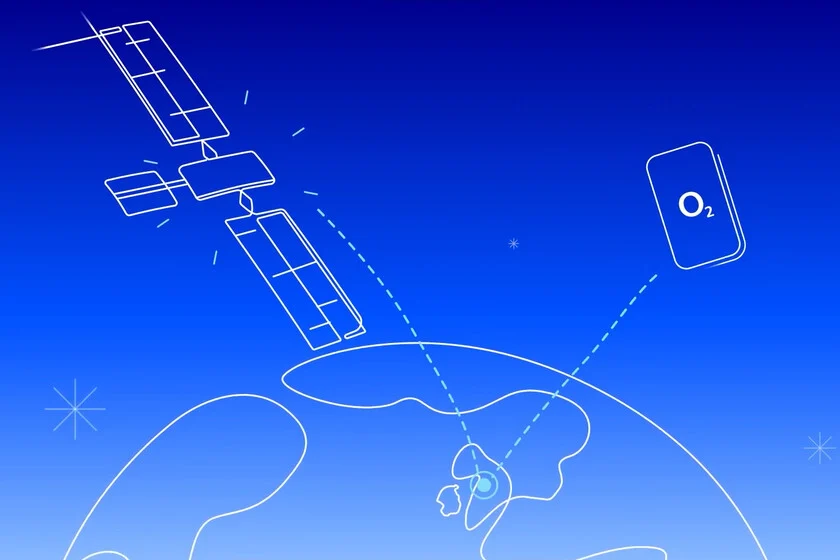

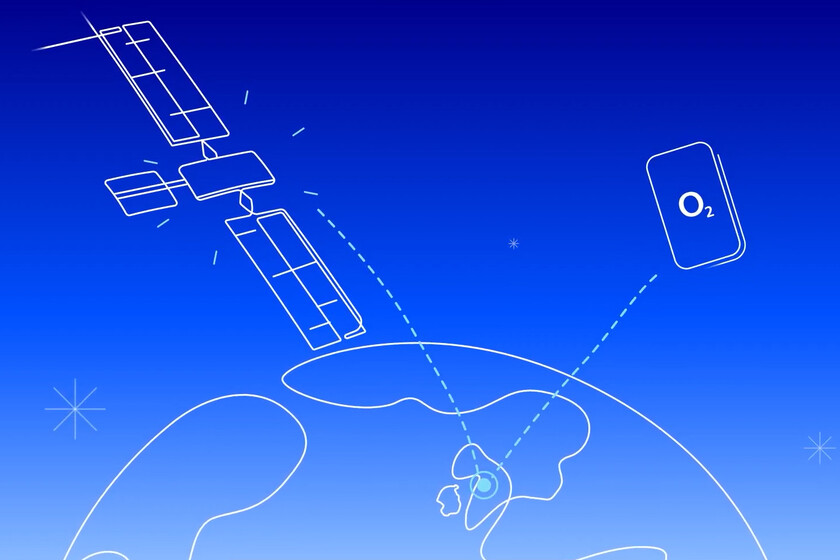
Virgin Media O2, the joint venture between Telefónica and Liberty Global in the United Kingdom, has significantly broadened the accessibility of its O2 Satellite service, marking a pivotal expansion in direct-to-device (D2D) satellite connectivity across the nation. Following its initial launch earlier this year, the service is now available to millions more users, specifically those with an iPhone 13 or a newer model, enabling seamless connection to the O2 network via satellite in areas devoid of terrestrial mobile coverage. This strategic move solidifies the UK’s position at the forefront of D2D technology adoption in Europe, offering enhanced resilience and reach for mobile communications. However, in Spain, the anticipated rollout of similar D2D services by major telecommunication providers MasOrange and Telefónica remains in a state of indefinite anticipation, despite both companies having established partnerships to commercialize the technology. The disparity highlights varying paces of innovation and market penetration within the European telecommunications landscape, underscored by complex regulatory frameworks and strategic commercial considerations.
O2 Satellite: A New Era of Connectivity in the UK
The activation of O2 Satellite by Virgin Media O2 represented a landmark achievement at the beginning of the year, establishing the UK as the first European market to launch a direct-to-device satellite connectivity service. This innovative offering is designed to automatically connect compatible mobile phones to satellites when traditional cellular coverage is unavailable, providing a crucial lifeline for communication. The service facilitates data usage for a variety of essential applications, including messaging platforms like WhatsApp and X (formerly Twitter), as well as navigation and weather applications, thereby extending the reach of mobile communication far beyond the traditional terrestrial network footprint.
The primary objective of O2 Satellite is to complement O2’s existing mobile network in the UK, particularly in rural and remote areas, or during emergencies where ground infrastructure might be compromised. The expansion to include iPhone 13 and newer models significantly broadens the potential user base, making this advanced connectivity accessible to a substantial segment of the market. While specific pricing details vary, the service is included without additional cost in some of O2’s higher-tier mobile plans, reflecting its value as a premium offering. For other tariffs, a nominal fee of £3 applies, ensuring a tiered accessibility model. This approach demonstrates a clear commercial strategy to integrate D2D capabilities into mainstream mobile services, enhancing network resilience and customer satisfaction. The deployment leverages low-Earth orbit (LEO) satellite constellations, which are crucial for delivering the necessary bandwidth and low latency required for effective mobile communication, distinguishing it from traditional geostationary satellite services that often involve specialized equipment and higher latency.
The Global Race for Direct-to-Device Connectivity
The concept of D2D satellite connectivity has rapidly gained traction globally, with several countries and operators already making significant strides. In the United States, T-Mobile has been a pioneer, offering D2D services through its partnership with Starlink, Elon Musk’s satellite internet division. This collaboration has enabled T-Mobile customers to access satellite-based messaging in areas without cellular service, marking a crucial step towards ubiquitous connectivity. Similarly, AT&T and Verizon have forged alliances with AST SpaceMobile, a company focused on building a space-based cellular broadband network, to provide similar capabilities. These partnerships underscore a global industry trend towards integrating satellite technology directly into consumer mobile devices, bypassing the need for specialized satellite phones or bulky equipment.
Beyond the US, Starlink has expanded its D2D footprint through agreements with local operators in countries such as Chile, Canada, and Australia. These international deployments highlight the global demand for extending mobile coverage to underserved regions and illustrate the strategic importance of partnerships between satellite operators and national telecommunication providers. The promise of D2D technology lies in its potential to eradicate "not-spots" – areas lacking mobile coverage – which are particularly prevalent in rural landscapes, mountainous regions, and vast maritime territories. This capability has profound implications for emergency services, disaster relief efforts, and for bridging the persistent digital divide that affects millions worldwide. The technology’s evolution has been rapid, moving from initial capabilities focused solely on emergency messaging to more ambitious plans for voice and even limited data services, all without requiring any modifications to existing smartphones.
Spain’s Unfolding D2D Narrative: Promises and Delays
Despite the global momentum and Virgin Media O2’s pioneering efforts in Europe, Spain’s journey towards commercial D2D satellite connectivity has encountered noticeable delays. Earlier this year, in February, MasOrange, one of Spain’s leading telecommunication groups, announced a significant alliance with Starlink. This partnership was heralded as a major step towards bringing mobile satellite connectivity to Spain, with a commitment to conduct a pilot service, known as ‘Direct to Cell’ (D2C), in Valladolid. The announcement generated considerable anticipation, positioning MasOrange to potentially lead the Spanish market in this innovative field. However, four months have elapsed since this declaration, and there has been no public update regarding either the progress of the pilot program or a definitive timeline for the commercial launch of the D2C service. The silence has led to growing questions about the practical implementation and the potential hurdles encountered.
Concurrently, Telefónica, another titan in the Spanish telecommunications sector, unveiled its own D2D ambitions at the Mobile World Congress (MWC) 2024. The company announced its intention to explore ‘Direct to Device’ (D2D) satellite connectivity as a complementary solution to existing mobile networks across Europe. Telefónica’s strategy involves a collaboration with Satellite Connect Europe, a joint venture between Vodafone and AST SpaceMobile. This partnership signaled Telefónica’s commitment to ensuring comprehensive coverage and network resilience, leveraging European-centric solutions. Yet, similar to MasOrange, nearly three months have passed since Telefónica’s announcement, with no subsequent updates or progress reports made public. This parallel stagnation from Spain’s two largest operators suggests that the challenges in deploying D2D services extend beyond individual company strategies, pointing to broader industry-wide or regulatory complexities.
Attempts to elicit estimated timelines for the availability of these complementary services in Spain from both MasOrange and Telefónica by industry observers, including Xataka Móvil, have not yielded any definitive answers. This lack of transparency further fuels speculation about the underlying reasons for the protracted rollout.

Navigating the Regulatory Labyrinth and Spectrum Wars in Europe
A critical factor influencing the deployment of ‘Direct to Device’ or ‘Direct to Cell’ satellite technology is the indispensable need for radio spectrum. This valuable resource, which allows communication signals to travel, is tightly controlled and allocated, typically residing in the hands of national mobile network operators. Consequently, satellite communication providers like Starlink and AST SpaceMobile cannot offer D2D services independently; they require strategic partnerships with national operators to access the necessary spectrum.
The regulatory landscape governing spectrum allocation is particularly intricate within the European Union. The EU has a stated policy of prioritizing European companies in the allocation of satellite licenses, particularly as existing European satellite licenses are set to expire in 2027. This regulatory stance creates a complex environment, potentially favoring European ventures or partnerships involving European entities over those dominated by North American or Asian companies. Spain, like other EU member states, must navigate these directives, which could impact the viability and timelines of partnerships with non-European satellite providers such as Starlink (US-based) and AST SpaceMobile (US-based, though with global ambitions and partnerships). The process of securing and harmonizing spectrum for D2D services across multiple countries, ensuring interoperability, and addressing potential interference with existing terrestrial networks, adds layers of technical and bureaucratic complexity.
Furthermore, the integration of D2D services involves significant technical challenges. Ensuring that standard smartphones can seamlessly switch between terrestrial and satellite networks, maintaining adequate signal quality, and managing the power consumption implications for device batteries are complex engineering feats. While initial D2D services may focus on low-bandwidth applications like messaging, expanding to voice and broader data services requires more sophisticated satellite technology and robust network management systems. These technical considerations, combined with the commercial negotiation of revenue sharing and service integration, can significantly extend deployment timelines.
Implications for Users and Bridging the Digital Divide
The successful deployment of D2D satellite connectivity holds transformative potential for users across Spain and Europe. For millions living in remote rural areas or working in sectors like agriculture, forestry, or maritime industries, where terrestrial mobile coverage is often non-existent or unreliable, D2D offers a lifeline. It promises to eliminate communication blackouts, ensuring that individuals can stay connected for personal safety, business operations, and access to essential information.
Beyond everyday convenience, D2D technology is a game-changer for emergency services. In scenarios such as natural disasters, where ground-based communication infrastructure might be damaged or overwhelmed, satellite connectivity ensures that emergency responders can communicate, coordinate relief efforts, and citizens can call for help. This resilience is paramount for national security and public safety. From an economic perspective, bridging the digital divide through D2D services can stimulate growth in underserved regions, facilitating remote work, e-learning, and access to digital public services, thereby fostering greater social equity. The strategic importance of D2D for national digital agendas and economic competitiveness cannot be overstated.
The Broader European Context and Future Outlook
While Spain navigates its D2D challenges, other European nations are closely observing developments and exploring their own strategies. The European Commission has identified D2D as a key technology for achieving its digital decade targets, which include ensuring ubiquitous gigabit connectivity by 2030. This overarching goal provides a strong incentive for member states and telecommunications operators to accelerate D2D deployment, albeit within the regulatory parameters set by the EU.
The ongoing "space race" among satellite providers like Starlink, AST SpaceMobile, Lynk Global, and Omnispace, all vying for market share in the D2D sector, suggests that the technology will continue to evolve rapidly. As satellite constellations grow, and technical capabilities improve, the cost of D2D services is expected to decrease, making them more commercially viable and widely accessible.
For Spain, the current stagnation in D2D rollout represents a missed opportunity to rapidly enhance national connectivity and provide critical services to its citizens. The onus is now on MasOrange and Telefónica, in conjunction with regulatory bodies, to clarify their plans, address the identified hurdles, and provide a concrete roadmap for the commercial availability of D2D services. The successful example of Virgin Media O2 in the UK serves as a powerful testament to the feasibility and immediate benefits of such technology, urging Spanish operators to accelerate their efforts to bring this transformative connectivity to millions across the Iberian Peninsula. The future of ubiquitous mobile communication, bridging the last remaining coverage gaps, increasingly relies on the successful integration of satellite technology into our everyday devices.
