
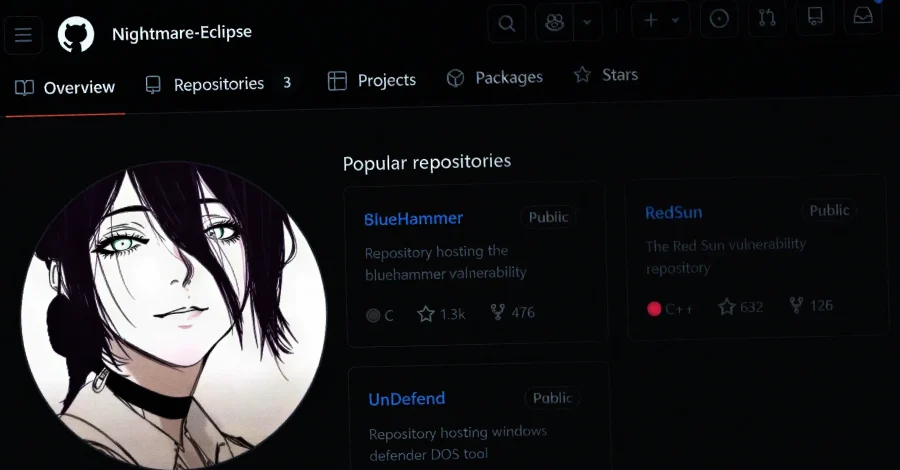

Microsoft has issued a strong public statement advocating for Coordinated Vulnerability Disclosure (CVD), imploring the global cybersecurity research community to prioritize sharing their findings with affected vendors. This plea comes in the wake of a contentious period marked by a researcher, known as Chaotic Eclipse (also identified as Nightmare-Eclipse), publicly revealing details of multiple zero-day vulnerabilities impacting critical Windows components, including Defender and BitLocker, without prior vendor notification. The tech giant contends that these uncoordinated disclosures have unnecessarily jeopardized customer security, compelling its security teams into urgent, round-the-clock efforts to develop and deploy crucial security updates.
The dispute highlights a long-standing tension within the cybersecurity ecosystem regarding the optimal approach to vulnerability disclosure. While researchers often seek recognition and swift remediation, vendors emphasize the need for a structured process to prevent active exploitation of flaws before patches are available. Microsoft’s recent blog post on the matter unequivocally stated, "In recent weeks, several zero-day vulnerabilities have been publicly disclosed. The details of these vulnerabilities were not shared with Microsoft prior to release, and the disclosures put our customers at unnecessary risk." This statement underscores the company’s firm opposition to such disclosures, particularly when accompanied by proof-of-concept (PoC) code that can be readily weaponized by malicious actors.
Understanding Coordinated Vulnerability Disclosure (CVD)
Coordinated Vulnerability Disclosure, often referred to as responsible disclosure, is a widely adopted ethical framework in cybersecurity. It dictates that security researchers who discover vulnerabilities should first report them privately to the affected vendor. This allows the vendor a predefined period, typically 30, 60, or 90 days, to develop and test a patch before the vulnerability is publicly disclosed. The primary objective of CVD is to minimize the window of opportunity for attackers (the "zero-day window") during which a known flaw remains unpatched and exploitable.
Microsoft, through its Microsoft Security Response Center (MSRC), operates a robust CVD program, encouraging researchers to submit findings via established channels and offering bug bounties for eligible discoveries. The company asserts that this collaborative approach fosters a safer digital environment for all users. Their blog post elaborated on this philosophy, stating, "We invite diverse perspectives that help the security community work together to protect everyone. We realize that we will not always agree on everything, but we are committed to transparency and continue to create opportunities for dialogue." This includes engagement at security conferences, researcher appreciation events, and ongoing direct communications.
The Researcher’s Actions and Grievances
Chaotic Eclipse’s decision to forgo Microsoft’s established CVD process was reportedly driven by a perceived "breakdown" in the company’s handling of previous vulnerability reports. Over the past month, the researcher publicly released details of several critical zero-day vulnerabilities. This action, often referred to as "full disclosure" or "uncoordinated disclosure," bypasses the vendor-first approach, immediately exposing the flaw to the public and, by extension, to potential attackers.
The researcher’s frustrations, as articulated in a subsequent blog post titled "July 14th," paint a picture of perceived neglect and disrespect. Chaotic Eclipse claimed that Microsoft refused to communicate, "humiliated" and "insulted" them, and even "deleted the Microsoft account I used to report bugs to you with." Furthermore, the researcher alleged receiving "zero pennies" for previous bug reports despite diligent efforts. The public disclosure, from this perspective, appears to be a defiant act, a last resort born out of a profound sense of injustice and a desire to force accountability.

Chronology of Escalation and Critical Vulnerabilities
The timeline of events leading to this public spat is critical to understanding its implications:
- Late April 2026: Chaotic Eclipse begins publicly disclosing details of Windows zero-day vulnerabilities.
- April 2026: The vulnerability dubbed BlueHammer (CVE-2026-33825), affecting Microsoft Defender, is disclosed. It quickly comes under active exploitation in the wild.
- Early May 2026: Additional critical flaws are revealed, including RedSun (CVE-2026-41091) and UnDefend (CVE-2026-45498), also impacting Defender. Both RedSun and UnDefend are subsequently observed being actively exploited by threat actors.
- Mid-May 2026: Further vulnerabilities, YellowKey (CVE-2026-45585), GreenPlasma, and MiniPlasma, are disclosed. These flaws reportedly affect Windows components like BitLocker, potentially allowing for privilege escalation or system access.
- May 28, 2026: Microsoft issues its official blog post, titled "A Shared Responsibility: Protecting Customers Through Coordinated Vulnerability Disclosure," condemning the uncoordinated disclosures and emphasizing the risks posed to customers.
- Last Week of May 2026: GitHub, a Microsoft-owned platform widely used by developers and researchers, takes down Chaotic Eclipse’s account, which had hosted the exploit code for the disclosed vulnerabilities.
- Immediately Following GitHub Action: The researcher re-uploads the exploit code to GitLab.
- Subsequently: GitLab also blocks the newly created account.
- Over the Weekend (preceding May 28 article): Chaotic Eclipse publishes a defiant blog post, accusing Microsoft of defamation and further escalating the conflict by flagging their accounts.
- Future Threat: The researcher announces an intention to "release something on July 14, 2026, that ‘will make sure your bones are shattered that day’," indicating further potentially disruptive disclosures.
The list of vulnerabilities—BlueHammer, RedSun, UnDefend, YellowKey, GreenPlasma, and MiniPlasma—represents a significant collection of critical flaws in widely used Windows security and encryption features. The fact that BlueHammer, RedSun, and UnDefend quickly moved from disclosure to active exploitation underscores Microsoft’s primary concern: uncoordinated releases provide a critical head start to attackers, leaving millions of users exposed. These types of vulnerabilities can range from privilege escalation, allowing an attacker to gain higher access on a compromised system, to remote code execution, enabling them to run arbitrary code.
The Impact: Active Exploitation and Customer Risk
The immediate and most severe consequence of uncoordinated zero-day disclosures is the heightened risk to end-users and organizations. When exploit code for an unpatched vulnerability is made public, it essentially provides a blueprint for attackers. As demonstrated by the active exploitation of BlueHammer, RedSun, and UnDefend, malicious actors are swift to weaponize such information. This creates a race against time for vendors to develop and distribute patches, and for users to apply them, often under immense pressure.
Microsoft’s security teams were forced to work "around the clock" to understand the impact, protect customers, and develop updates. This diversion of resources, coupled with the potential for widespread damage from successful attacks, represents a significant cost both in terms of security and operational efficiency. The company’s stance is clear: "putting proof-of-concept code for unpatched vulnerabilities can have ‘real-world consequences’ when they end up in the hands of bad actors."
Platform Intervention: GitHub and GitLab Actions
The decision by GitHub, a platform owned by Microsoft, to take down Chaotic Eclipse’s account, followed by GitLab’s similar action, adds another layer of complexity to the dispute. While these platforms typically uphold policies against hosting malicious content or content that facilitates illegal activities, their intervention in a researcher-vendor dispute can be seen in various lights.
From Microsoft’s perspective, GitHub’s action aligns with its commitment to protecting customers by removing readily available exploit code. For GitHub, as a major code repository, hosting such code, especially when it targets actively exploited zero-days, could be seen as a violation of its terms of service regarding harmful content. Similarly, GitLab’s subsequent blocking of the account underscores a broader industry stance against facilitating the spread of unpatched exploit code.

However, from the researcher’s standpoint, these actions could be perceived as further suppression and censorship, intensifying the feeling of being unfairly targeted. It raises questions about the role of code hosting platforms in moderating security research, particularly when it intersects with contentious disclosure practices. While platforms must ensure a safe environment, striking a balance that doesn’t stifle legitimate security research remains a challenge.
The Broader Debate: Responsible Disclosure vs. Full Disclosure
This incident reignites the perennial debate within the cybersecurity community: responsible disclosure versus full disclosure.
- Responsible Disclosure (CVD): Proponents argue it’s the most ethical approach, minimizing harm to end-users by giving vendors time to patch. It fosters collaboration and trust between researchers and developers.
- Full Disclosure (Uncoordinated Disclosure): Advocates contend that it’s necessary to hold vendors accountable, especially when they are perceived as unresponsive, slow, or dismissive. They believe public exposure forces vendors to act swiftly, ultimately leading to a more secure ecosystem. Historically, full disclosure has been used by some researchers to highlight systemic weaknesses or to pressure complacent organizations.
The current situation with Microsoft and Chaotic Eclipse exemplifies the potential pitfalls when this delicate balance is disrupted. Microsoft’s bug bounty programs and MSRC are designed to incentivize responsible reporting. When a researcher feels these channels have failed, the temptation for full disclosure grows. This incident highlights the critical need for robust, transparent, and responsive communication channels between vendors and researchers to prevent such breakdowns.
Implications for the Cybersecurity Ecosystem
The fallout from this dispute extends beyond the immediate parties involved.
- Erosion of Trust: Such public disagreements can erode trust between the broader research community and vendors, potentially discouraging researchers from reporting vulnerabilities through official channels.
- Vendor Policy Review: Microsoft may face pressure to re-evaluate aspects of its MSRC process, particularly regarding communication and response times, to address researcher frustrations more effectively.
- Researcher Reputation: While some in the community might sympathize with Chaotic Eclipse’s grievances, uncoordinated disclosures of actively exploited zero-days often draw criticism for endangering users. This can impact a researcher’s professional standing.
- Legal and Ethical Considerations: The line between ethical hacking and potentially malicious activity becomes blurred when exploit code for actively exploited flaws is publicly released. The actions of GitHub and GitLab also raise questions about content moderation policies for security research.
- Market Dynamics: Persistent zero-day threats, especially those affecting core OS components, can impact user confidence in platform security, potentially influencing market dynamics.
Moving Forward: Bridging the Divide
Microsoft reiterated its commitment to dialogue, stating, "We realize that we will not always agree on everything, but we are committed to transparency and continue to create opportunities for dialogue." This indicates a desire to mend fences and reinforce collaborative security practices. However, Chaotic Eclipse’s defiant stance and explicit threat for July 14, 2026, suggest a deep-seated grievance that may not be easily resolved.
For the cybersecurity community, this event serves as a stark reminder of the complexities inherent in vulnerability disclosure. It underscores the importance of clear communication, fair compensation, and mutual respect between researchers and vendors. While the immediate focus remains on patching the disclosed vulnerabilities and mitigating risks to customers, the long-term implications will likely shape future discourse and practices surrounding responsible disclosure. The industry watches with bated breath for July 14, hoping that any future disclosures are handled in a manner that prioritizes the collective security of all users.
