
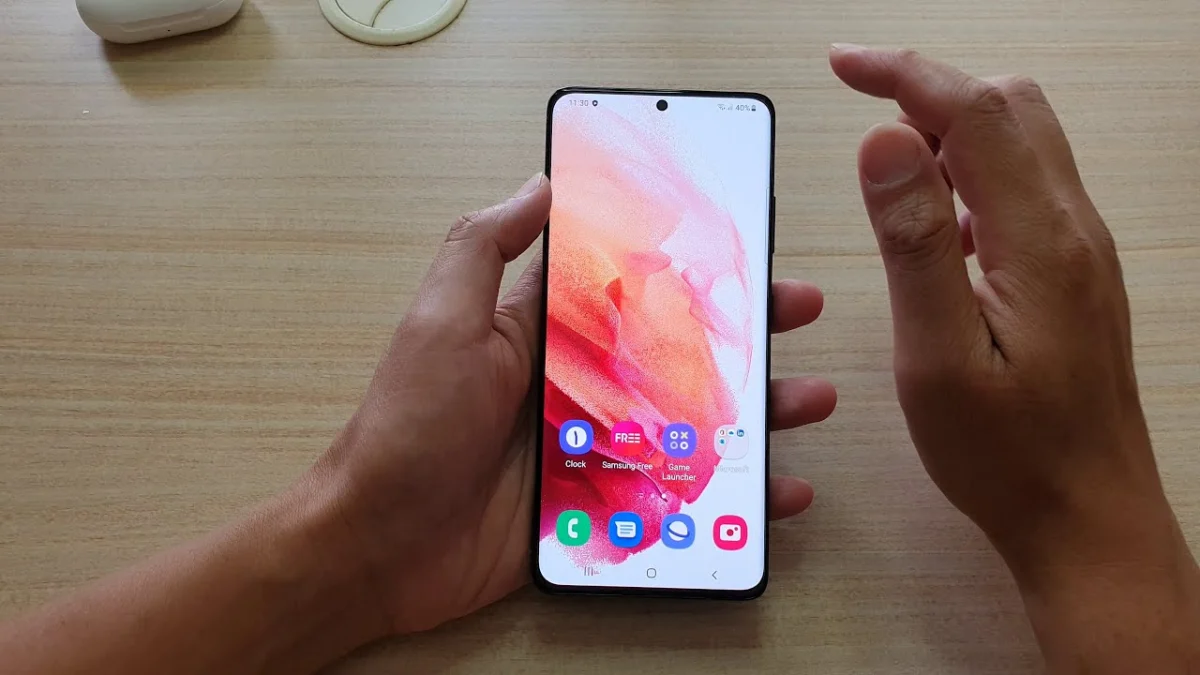

The telecommunications landscape is undergoing a fundamental shift as physical hardware gives way to software-defined connectivity, a transition most visible in the rapid adoption of embedded SIM (eSIM) technology across the Samsung Galaxy device portfolio. This transition represents one of the most significant changes to mobile architecture since the introduction of the first pluggable SIM card in 1991. For Samsung, the world’s largest smartphone manufacturer by volume, the integration of eSIM technology serves as a cornerstone of its strategy to provide more versatile, secure, and globally compatible mobile experiences. By eliminating the need for a physical plastic card, Samsung is not only streamlining device design but also empowering consumers with unprecedented control over their carrier relationships and data plans.
The Technological Foundation: What Defines an eSIM?
An eSIM, or embedded Universal Integrated Circuit Card (eUICC), is a specialized chip soldered directly onto a device’s motherboard during the manufacturing process. Unlike the traditional physical SIM card, which acts as a removable token of identity, the eSIM is a permanent hardware component. It functions by storing multiple "profiles" that contain the same international mobile subscriber identity (IMSI) and authentication keys found on a physical card. This architecture allows users to download and switch between carrier profiles via software, effectively turning the SIM into a programmable digital asset.
For Samsung users, this technology facilitates a "zero-touch" provisioning environment. Instead of visiting a retail store to purchase a physical starter pack, a user can activate a cellular plan by scanning a QR code or receiving a push notification from their carrier. This digital-first approach aligns with the broader industry move toward eSIM-only or eSIM-primary devices, a trend that is gaining momentum in both premium and mid-range segments.
A Chronology of Samsung’s eSIM Adoption
Samsung’s journey with eSIM technology did not begin with its smartphones, but rather with its wearable division. In 2016, the Samsung Gear S2 Classic 3G became one of the first consumer devices in the world to feature a programmable eSIM, allowing the watch to maintain a cellular connection independent of a smartphone. This early experimentation provided the technical blueprint for broader implementation.
The true milestone for the Galaxy smartphone lineup occurred in 2020 with the launch of the Galaxy S20 series. This marked the first time Samsung integrated eSIM capabilities into its flagship "S" series, offering a hybrid approach that included both a physical SIM slot and an embedded chip. This dual-path strategy was designed to bridge the gap for users in regions where carriers were slow to adopt digital provisioning.
Following the S20, Samsung expanded eSIM support to its revolutionary foldable line, including the Galaxy Z Fold and Galaxy Z Flip series. By 2022 and 2023, the technology trickled down to the more affordable Galaxy A-series in specific markets, signaling that eSIM was no longer a luxury feature reserved for the elite. Today, the Galaxy S24 series represents the pinnacle of this integration, featuring sophisticated "SIM Card Manager" software that allows for the storage of multiple profiles and seamless switching between local and international networks.
Comparative Analysis: eSIM vs. Physical SIM
The move from physical to embedded SIMs is driven by several logistical and technical advantages. Traditionally, physical SIM cards have been a point of friction for both manufacturers and consumers. For manufacturers, the SIM tray requires internal volume that could otherwise be used for battery capacity or additional sensors. It also necessitates a hole in the device frame, which creates a vulnerability for water and dust ingress. By transitioning to eSIM, Samsung can enhance the structural integrity and IP68 water-resistance ratings of its devices.
For the consumer, the differences are primarily centered on flexibility and security. A physical SIM is a "single-state" device; it belongs to one carrier and holds one number. To switch carriers, the user must physically eject the tray—often requiring a specific tool—and replace the card. In contrast, a Samsung device with eSIM can hold up to five or more virtual profiles (though usually only one or two can be active simultaneously).
Furthermore, security is significantly bolstered with an eSIM. In the event of device theft, a physical SIM card can be easily removed by a thief to prevent the device from being tracked via cellular networks. An eSIM cannot be removed. As long as the device has power, the eSIM remains active, allowing the owner to utilize "Find My Mobile" services more effectively. Additionally, the encryption standards for eSIM profiles are governed by strict GSMA (Global System for Mobile Communications Association) specifications, making them highly resistant to cloning and unauthorized tampering.
The Strategic Impact on International Travel and Roaming
One of the most transformative applications of eSIM technology on Samsung devices is in the realm of international travel. Historically, travelers faced two suboptimal choices: pay exorbitant roaming fees to their home carrier or navigate the complexity of buying a local SIM card upon arrival in a foreign country.
The Samsung eSIM ecosystem enables a third, more efficient option. Through third-party eSIM marketplaces and local carrier apps, users can purchase and install a data plan for their destination before they even leave their home country. Upon landing, the Galaxy device automatically connects to the local network using the downloaded profile. This "local-rate" access significantly reduces travel costs and eliminates the language barriers and logistical hurdles of traditional SIM shopping.
Industry data suggests this is a rapidly growing market. According to a report by Juniper Research, the number of eSIM-installed devices is expected to grow from 1.2 billion in 2021 to over 3.4 billion by 2025. Samsung’s early and consistent adoption of the technology ensures its users are at the forefront of this shift in global mobility.
Carrier Landscape and Official Responses
While Samsung provides the hardware, the utility of an eSIM is dependent on carrier support. In the early stages of the S20 launch, several major carriers were hesitant to support eSIM, fearing it would make it too easy for customers to "churn" or switch to competitors. However, the industry has reached a tipping point.
Major US carriers including Verizon, AT&T, and T-Mobile now fully support Samsung’s eSIM implementation, often providing automated "Carrier Discovery" services that simplify the setup process during initial device activation. In Europe and Asia, the adoption rate is even higher, with many MVNOs (Mobile Virtual Network Operators) offering eSIM-exclusive plans that are cheaper and faster to deploy than physical alternatives.
Despite this progress, Samsung maintains a cautious approach by continuing to offer a physical SIM slot in most regions. This "Dual SIM" configuration (one physical + one eSIM) is highly popular in markets like India and Southeast Asia, where users frequently juggle a work number and a personal number on a single handset.
How to Activate and Manage eSIM on Samsung Devices
For users looking to transition to eSIM, Samsung has integrated the management tools directly into the One UI interface. The process generally follows a standardized path:
- Preparation: The user must first obtain an eSIM activation card or digital QR code from their carrier.
- Navigation: Within the device "Settings," users navigate to "Connections" and then "SIM Card Manager."
- Addition: By selecting "Add Mobile Plan," the device activates the camera to scan the carrier’s QR code.
- Confirmation: Once the profile is downloaded, the device registers with the network, a process that typically takes less than 60 seconds.
Samsung’s software also allows for "Auto Data Switching." If a user has two SIMs active and the primary one loses signal, the device can automatically route data through the secondary eSIM to ensure uninterrupted connectivity.
Limitations and Future Outlook
Despite the clear advantages, the transition to eSIM is not without challenges. One primary drawback is the difficulty of transferring an eSIM profile between devices. While a physical SIM can be moved in seconds, moving an eSIM often requires a "deactivation" process on the old device and a "reactivation" on the new one, sometimes requiring a new QR code from the carrier.
Furthermore, if a Samsung device suffers a catastrophic hardware failure (such as a dead motherboard), the eSIM profile cannot be recovered as easily as pulling a physical card out of a broken phone. Users must contact their carrier to re-issue the digital credential.
Looking forward, the industry is already moving toward the "iSIM" (Integrated SIM), where the SIM functionality is integrated directly into the main processor (SoC) rather than a separate chip. This will further save space and power. As Samsung continues to refine its hardware, the reliance on physical SIM cards will likely vanish entirely within the next few flagship generations, mirroring the industry-wide shift toward a fully digital, software-defined future of telecommunications.
In conclusion, eSIM technology on Samsung devices represents more than just a convenient feature; it is a fundamental re-engineering of how we connect to the world. By combining robust hardware with intuitive software, Samsung is leading the charge toward a more flexible, secure, and globally integrated mobile experience. For the consumer, the message is clear: the era of the plastic SIM card is drawing to a close, replaced by a digital identity that is as mobile as the users themselves.
