

The landscape of the smart home is at a pivotal moment, marked by significant leadership changes at Amazon and the approaching tenth anniversary of its flagship voice assistant, Alexa, and its ubiquitous Echo devices. David Limp, Amazon’s head of devices, is set to retire, joining a broader trend of executive departures within the company over the past year. This transition coincides with a period of reflection on Alexa’s impact and the evolving capabilities and limitations of the smart home ecosystem.
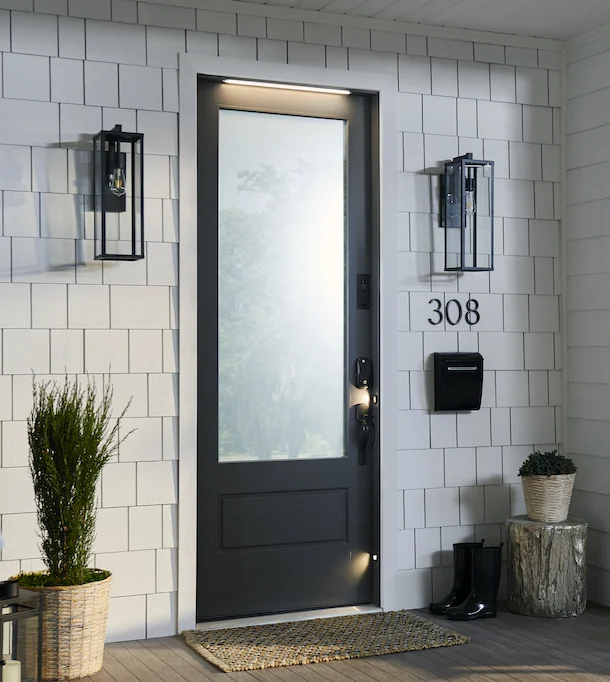
The smart home, once heralded as the future of residential living, continues to grapple with challenges related to cost, complexity, and interoperability. Recent product launches and reviews highlight these persistent issues. The Mill kitchen trash can, a composting system developed by Nest co-founder Matt Rodgers, exemplifies the high-end, niche solutions that are emerging. While offering innovative functionality, its target market and potentially steep price point underscore the affordability barrier that many smart home devices face. Similarly, the unveiling of Masonite’s "smart door" at Home Depot, priced at a premium, raises questions about the accessibility and practical necessity of advanced smart home features for the average consumer. These products, while showcasing technological advancements, also serve as indicators of the smart home’s struggle to achieve widespread, mainstream adoption beyond early adopters and affluent households.
Regulatory Advancements and Cybersecurity Concerns
Amidst these market observations, regulatory bodies are taking steps to address critical aspects of smart home technology. The Federal Communications Commission (FCC) has proposed a cybersecurity labeling program for the Internet of Things (IoT), a move that could significantly impact consumer trust and device security. The Notice of Proposed Rulemaking provides a 30-day window for public comment, signaling an active effort to establish clearer standards for the security of connected devices. This initiative is particularly relevant given ongoing concerns about the vulnerability of smart home systems to cyber threats.
Adding to the security discourse, Microsoft recently identified a new set of vulnerabilities that could potentially be exploited to disrupt critical infrastructure, including power plants. While the immediate implications are not directly tied to consumer smart home devices, such discoveries underscore the pervasive nature of cybersecurity risks in an increasingly interconnected world. The interconnectedness that powers smart homes also creates potential entry points for malicious actors, making robust security protocols and clear labeling crucial for user safety.
Innovation in Connectivity and Hubs
Despite the challenges, the smart home sector is also witnessing promising developments in underlying technologies and central control systems. A new company is emerging as a potential secondary source for Z-Wave chips, a significant development for a protocol that has long been a cornerstone of smart home connectivity. This increased supply could lead to greater availability and potentially more competitive pricing for Z-Wave-enabled devices.
In the realm of smart home hubs, the Homey Pro has garnered attention for its extensive device support and local control capabilities. While positioned as an expensive option, its ability to manage a wide array of smart devices independently of cloud services appeals to users seeking greater privacy and reliability. This focus on local control is a growing trend, driven by concerns about data privacy and the reliance on internet connectivity for device operation.
The Evolving Role of Alexa and the Smart Home’s Future
The upcoming tenth anniversary of Alexa and the Amazon Echo presents an opportune moment to assess their contribution to the smart home revolution. Initially lauded for their convenience and voice-activated control, these devices have become central to many households. However, their long-term impact is intertwined with the broader evolution of smart home technology. Questions remain about whether Alexa and the Echo can continue to drive innovation independently or if their future is intrinsically linked to the success and integration of other smart home standards and devices.
The smart home market has seen a proliferation of proprietary ecosystems and a slow pace of true interoperability. While platforms like Alexa, Google Assistant, and Apple’s HomeKit have facilitated basic control, seamless integration across different brands and functionalities has remained elusive for many consumers. The emergence of standards like Matter aims to address this fragmentation, promising a more unified and user-friendly smart home experience. The success of these broader initiatives will undoubtedly shape the future trajectory of devices like the Amazon Echo and the role of voice assistants.

Expert Insights on Z-Wave and Interoperability
Mariusz Malkowski, founder and CTO of Trident IoT, offered valuable insights into the future of Z-Wave and its integration with emerging smart home technologies. Trident IoT’s initiative to build Z-Wave chips addresses the need for reliable and potentially more affordable components, which is crucial for the protocol’s continued relevance. Malkowski elaborated on the critical importance of bridging technologies, explaining how Matter will work in conjunction with Z-Wave to create a more cohesive smart home environment.
The development of Z-Wave Long Range and planned security upgrades signal a commitment to enhancing the protocol’s capabilities and addressing evolving security demands. Trident IoT’s dual focus on manufacturing Z-Wave chips and integrating other smart home radio protocols, coupled with their role as a Z-Wave certification house, positions them as a key player in fostering interoperability and ensuring quality within the Z-Wave ecosystem. This multifaceted approach is essential for navigating the complex landscape of smart home communication standards.
Analysis of Market Trends and Consumer Adoption
The smart home market has experienced a decade of development, yet widespread adoption remains a topic of ongoing discussion. While smart speakers and basic connected devices like smart plugs and light bulbs have seen significant penetration, more advanced and integrated solutions have struggled to gain traction. Factors such as the perceived complexity of setup and management, concerns about privacy and data security, and the high cost of many premium smart home products continue to be significant barriers.
The reviews of products like the Mill composting system and the Masonite smart door, while highlighting innovation, also point to a market segment that is likely to remain niche. These devices cater to specific needs or desires for cutting-edge technology, but their price points and specialized functionalities may not resonate with the broader consumer base. The success of the smart home in achieving mainstream acceptance will likely depend on the availability of more affordable, easy-to-use, and universally compatible devices.
The FCC’s proposed cybersecurity labeling program is a critical step toward building consumer confidence. By providing clear information about a device’s security features, consumers can make more informed purchasing decisions. This regulatory clarity, combined with advancements in interoperability standards like Matter, could help to demystify the smart home and encourage wider adoption.
The Path Forward for Smart Home Technology
The departure of key figures like David Limp from Amazon’s device division, coupled with the tenth anniversary of Alexa, marks a natural inflection point for the smart home industry. It prompts a re-evaluation of what has been achieved and what lies ahead. The industry is at a crossroads, balancing the allure of sophisticated new technologies with the fundamental need for affordability, simplicity, and robust security.
The ongoing development of new chip providers, the strengthening of established protocols like Z-Wave, and the regulatory push for enhanced cybersecurity all indicate a maturing market. The ultimate success of the smart home will hinge on its ability to move beyond early adopters and become an integral, accessible, and trustworthy part of everyday life for a vast majority of households. The next decade will likely be defined by how well the industry addresses these core challenges and delivers on the promise of a truly connected and intelligent living space.
Addressing Specific Consumer Needs: A Woodworker’s Lamp
In a practical application of smart home technology, a listener posed a question regarding the optimal light bulb for a woodworking lamp. For such an application, a primary consideration would be the bulb’s color rendering index (CRI). A high CRI, typically 90 or above, is essential for accurately perceiving colors, which is crucial for tasks like matching wood grains, stains, or finishes. Furthermore, the color temperature of the bulb should be considered. A neutral white light, around 4000K, is often preferred for task lighting as it provides good visibility without being overly warm or cool. For adjustable lighting needs, smart bulbs that offer both dimming capabilities and adjustable color temperature would provide the most versatility, allowing the woodworker to tailor the light to specific tasks and ambient conditions.
