
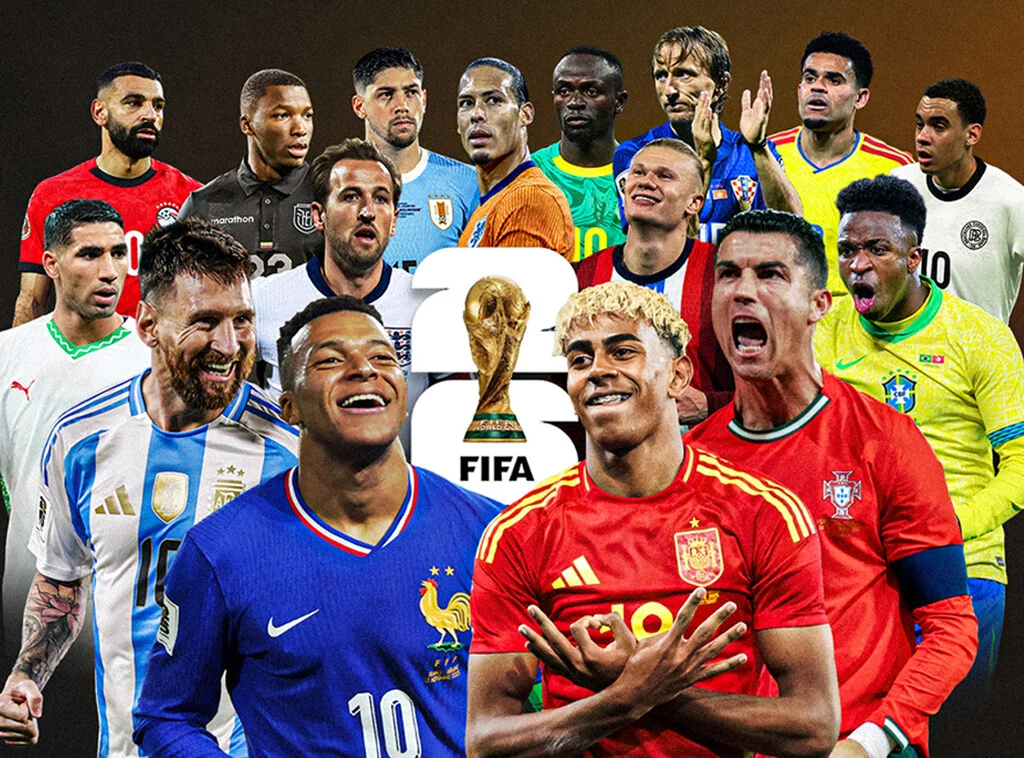

The highly anticipated FIFA World Cup 2026, set to be the largest iteration of the tournament to date, will see its full broadcast rights in Spain held exclusively by DAZN, marking a significant shift in the country’s sports broadcasting landscape. While major telecommunications providers like Movistar and Orange will offer access to their football package subscribers, DAZN emerges as the primary platform for universal access to all 104 matches, regardless of a viewer’s existing operator. This development introduces a new pricing structure for consumers, which, for many, will represent a substantial increase compared to previous World Cup viewing options.
DAZN’s Strategic Acquisition and the Shifting Broadcast Landscape
The acquisition of exclusive rights to the FIFA World Cup 2026 by DAZN underscores a broader trend in sports broadcasting, where streaming services are increasingly challenging traditional pay-TV operators for premium content. This move positions DAZN as a dominant player in the Spanish sports market, adding one of the world’s most watched sporting events to its already robust portfolio, which includes a significant portion of LaLiga matches until 2032. For DAZN, securing the World Cup rights is a strategic play to attract new subscribers and solidify its position against competitors. It allows the platform to offer comprehensive coverage of an expanded tournament, potentially converting temporary World Cup viewers into long-term subscribers for its other sports offerings.
The 2026 FIFA World Cup is poised to be an unprecedented event, both in scale and geographic reach. For the first time, the tournament will feature 48 national teams, a significant expansion from the 32-team format that has been in place since 1998. This expansion will lead to a total of 104 matches, an increase from the 64 played in Qatar 2022. The tournament will be co-hosted by three North American nations: the United States, Canada, and Mexico, with games scheduled across 16 cities. The extended format means the competition will run from June 11 to July 19, 2026, encompassing a period of over five weeks of intense football action. This increased volume of content naturally comes with higher broadcasting costs, which are inevitably passed on to the consumer.
Navigating the Viewing Options for Spanish Football Enthusiasts
For Spanish football fans, the means of accessing the FIFA World Cup 2026 are varied but primarily revolve around DAZN. While customers of Movistar with "LaLiga" or "Fútbol Total" packages, and Orange customers with football subscriptions, will automatically have access to the 104 matches at no additional direct cost, the vast majority of other viewers will need to subscribe to DAZN.
The core challenge for non-Movistar or Orange subscribers lies in DAZN’s pricing model. Unlike the previous World Cup in Qatar 2022, which offered a standalone "Gol Mundial" platform for a one-off payment of 20 euros, DAZN’s approach for 2026 requires a deeper commitment. The platform mandates that viewers subscribe to one of its base plans before they can "add" the FIFA World Cup 2026 package.
DAZN’s Tiered Subscription Model and World Cup Access
DAZN has structured its offerings into several plans, with access to the World Cup being either included or available as an add-on, depending on the chosen tier and payment modality. This structure is crucial for understanding the true cost of watching the tournament.
-
Included Access: Subscribers to DAZN Premium (in any modality – annual single payment, annual installments, or monthly) will have the World Cup included without extra charge. Similarly, those on annual plans for DAZN Fútbol, DAZN Motor, or DAZN Baloncesto (paid as a single annual sum) will also enjoy the World Cup at no additional cost. These premium and annual commitment plans are designed to reward long-term subscribers with comprehensive access to major events.
-
Add-on Access: For subscribers on other DAZN plans or modalities, such as those paying in installments for annual plans (e.g., DAZN Fútbol, DAZN Motor, DAZN Baloncesto, DAZN Made in USA) or those on monthly, non-committal plans, the World Cup package will require an additional payment of 19.99 euros. This supplementary charge effectively acts as a premium for access to the tournament outside of the most comprehensive or long-term subscriptions.
Promotional Offers and the Real Cost Calculation
DAZN is currently running promotions on several of its annual plans, which significantly impact the overall cost for those considering a longer-term subscription. For example:
- DAZN Premium – Annual: Originally €351.99, now available for €219.99 as a single payment. With the World Cup included, this offers extensive sports content for a year.
- DAZN Premium – Annual (installments): Reduced from €31.99/month to €19.99/month for 12 months.
- DAZN Fútbol – Annual: Discounted from €219.99 to €109.99 for a single annual payment.
- DAZN Fútbol – Annual (installments): Reduced from €19.99/month to €9.99/month for 12 months.
- DAZN Baloncesto – Annual (installments): Reduced from €9.99/month to €4.99/month for 12 months.
These promotions make the annual plans considerably more attractive, especially for viewers who intend to follow other sports offered by DAZN throughout the year. For instance, an annual DAZN Fútbol plan at €109.99 (promotional price) includes the World Cup and provides access to half of LaLiga matches for a year, representing significant value compared to paying monthly.
However, for those solely interested in the World Cup and seeking the absolute minimum expenditure, the calculation becomes more intricate. The original article highlights the "cheapest" option: subscribing to the DAZN "Made in USA" monthly plan (7.99 euros/month) and adding the World Cup package for 19.99 euros. Given that the tournament spans from June 11 to July 19, viewers will require at least two months of subscription. This brings the total to (7.99 euros/month * 2 months) + 19.99 euros = 35.97 euros. This figure represents a nearly 75% increase compared to the 20-euro flat fee for the Qatar 2022 World Cup via Gol Mundial.
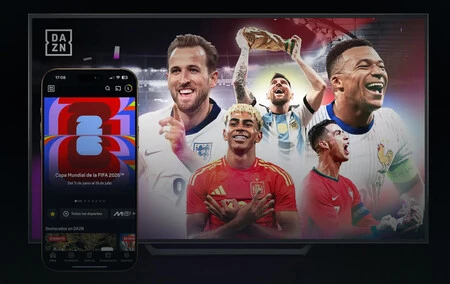
Furthermore, DAZN’s policy of requiring a 30-day notice for cancellation adds another layer of consideration. If a subscriber attempts to cancel immediately after the tournament, they might incur charges for a third month of the base subscription, further increasing the total cost. This aspect necessitates careful planning for those aiming for a short-term subscription.
The FIFA World Cup 2026: An Event of Unprecedented Scale
Beyond the financial considerations, it is crucial to appreciate the magnitude of the FIFA World Cup 2026. This tournament will be a landmark event for several reasons:
- Expanded Teams: The jump from 32 to 48 teams means more nations get to participate on the global stage, fostering greater inclusivity and potentially more diverse match-ups. This also translates to an increased number of matches, providing more content for broadcasters and fans.
- Multi-Host Format: The co-hosting by the USA, Canada, and Mexico is a logistical marvel, spanning vast geographical distances. This format aims to leverage existing world-class infrastructure and fan bases across North America, promising a vibrant atmosphere.
- Global Reach: The World Cup remains the most-watched single sporting event globally, attracting billions of viewers. DAZN’s exclusive rights in Spain mean they will be at the forefront of delivering this massive spectacle to one of Europe’s most football-passionate nations.
- Economic Impact: The tournament’s expanded format and multi-host nature are expected to generate significant economic activity in the host countries and substantial revenue for FIFA, which in turn influences the value of broadcasting rights.
Implications for Consumers and the Broadcasting Industry
The shift in World Cup broadcasting rights to DAZN carries several implications:
- Increased Cost for Casual Viewers: For casual fans who only tune in for major tournaments, the requirement to purchase a base DAZN subscription, even a minimal one, in addition to the World Cup package, represents a higher barrier to entry than previous models. This could lead to some viewers opting for the limited free-to-air matches (which are typically a selection of group stage games and potentially later-round matches involving the Spanish national team, if available through specific agreements with public broadcasters like RTVE, as has been the historical norm). The article references YouTube’s association with FIFA to broadcast some free matches, indicating a potential avenue for limited free access.
- Value Proposition for Dedicated Fans: For avid sports enthusiasts already subscribed to DAZN or considering a comprehensive sports package, the inclusion of the World Cup in premium or annual plans offers significant value. It consolidates premium sports content onto a single platform, simplifying access.
- Consolidation of Sports Content on Streaming Platforms: This move further solidifies the trend of major sporting events migrating to dedicated streaming services. It forces traditional broadcasters to adapt through partnerships or by focusing on other content. Movistar and Orange’s continued access through DAZN highlights this adaptive strategy.
- Subscription Fatigue: As more premium content becomes fragmented across various streaming services, consumers may experience "subscription fatigue," where the cumulative cost of multiple subscriptions becomes prohibitive. This pushes viewers to make strategic choices about which platforms offer the best value for their interests.
- Technological Shift: The reliance on streaming platforms also emphasizes the importance of robust internet infrastructure and compatible devices for a seamless viewing experience. This is generally less of a concern in developed markets like Spain, but it remains a foundational aspect of the streaming era.
Conclusion: A New Era for World Cup Viewing
The FIFA World Cup 2026 in Spain marks a pivotal moment in sports broadcasting, with DAZN taking the reins of exclusive coverage. While existing Movistar and Orange football subscribers will enjoy seamless access, the broader public will need to navigate DAZN’s tiered subscription model, which, for many, will mean a higher price point than previous tournaments. The expanded format of the World Cup, coupled with DAZN’s strategic push to consolidate premium sports content, reflects the evolving dynamics of media consumption. For Spanish football fans, careful consideration of DAZN’s plans, promotional offers, and subscription terms will be essential to ensure they don’t miss a single moment of the monumental 104-match spectacle across the USA, Canada, and Mexico. The decision will hinge on balancing the desire for comprehensive coverage with individual budget constraints and long-term viewing habits.
