
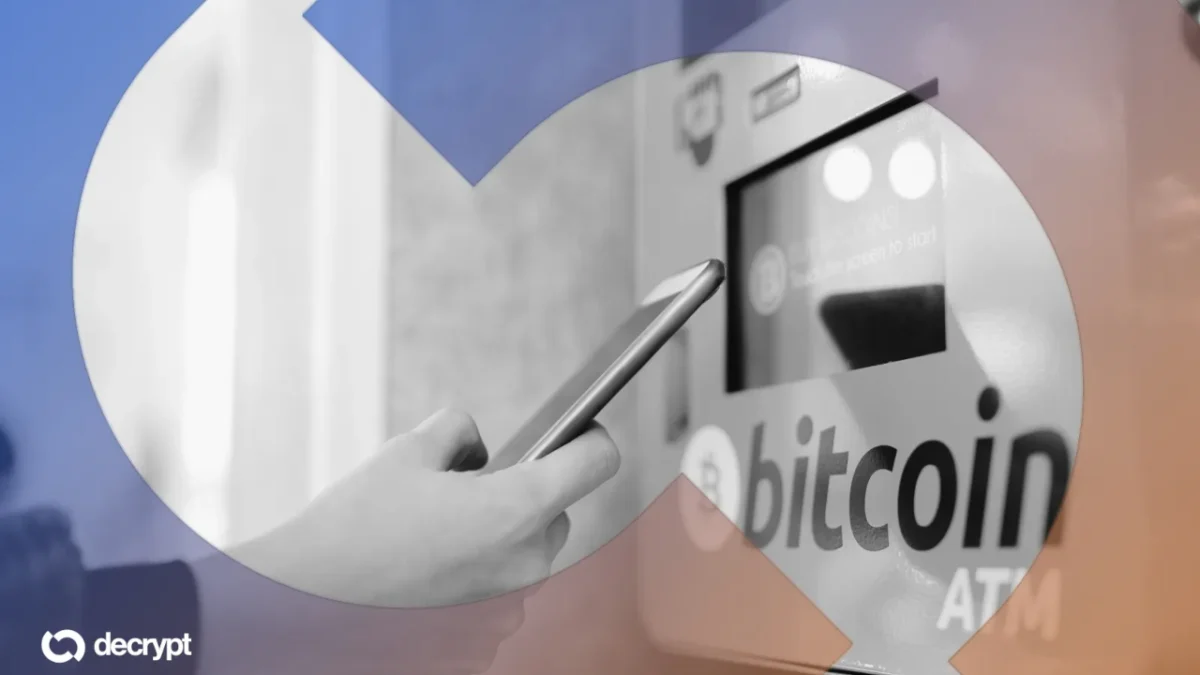

The Albuquerque City Council has officially enacted a sweeping ordinance banning the operation of cryptocurrency automated teller machines (ATMs) and cashier-facilitated virtual currency transactions within city limits. The move, which marks a significant escalation in local government efforts to curb financial exploitation, mandates that all existing operators and the retailers currently hosting these kiosks must remove the machines from their premises within 45 days of receiving formal notification from the city. This legislative action positions Albuquerque among a growing cohort of municipalities and states grappling with the nexus between physical crypto kiosks and high-frequency financial crime.
The ordinance was championed by District 1 Councilor Stephanie Telles and District 7 Councilor Tammy Fiebelkorn, who argued that the machines have become primary conduits for illicit activity. According to data cited by the council, approximately 90% of all cryptocurrency ATM transactions within Albuquerque are directly linked to fraudulent activity. Councilor Telles emphasized in a recent press release that these kiosks serve little utility for legitimate cryptocurrency investors, noting that the exorbitant transaction fees associated with them make them an inefficient vehicle for standard trading. Instead, she characterized the kiosks as infrastructure for scammers, organized crime syndicates, and human traffickers, pointing to the instantaneous, irreversible, and pseudonymous nature of the transactions as the primary drivers of this usage.
The legislative shift does not restrict residents’ rights to participate in the digital asset economy through legitimate channels. The city clarified that the ban does not affect personal ownership, mining activities, or the transfer of virtual currency via regulated online exchanges and personal digital wallets. The focus remains exclusively on the physical, self-service kiosks that operate in public spaces and retail environments.
The Growing Trend of Legislative Prohibitions
Albuquerque’s decision is the latest in a rapid, nationwide trend of state and local governments moving to curtail the physical proliferation of crypto kiosks. This movement began in earnest during the early months of 2026, as legislators grew increasingly concerned about the lack of consumer protection surrounding these machines.
The chronology of this regulatory wave highlights a rapid shift in policy:
- March 2026: Indiana became the first state to implement a formal prohibition on crypto ATMs, citing concerns over money laundering and fraud.
- Spring 2026: Minnesota initiated legislative discussions regarding a total ban, which eventually took effect in August.
- June 2026: A New Jersey senate panel advanced a proposal to restrict the machines, citing similar public safety concerns.
- July 2026: Tennessee enacted its own statewide ban, following a legislative review of the impact of these kiosks on state crime statistics.
- Ongoing: Delaware has advanced legislation targeting "predatory" crypto ATM models, and Texas lawmakers are currently debating a comprehensive ban following reports that kiosk-related scams cost residents approximately $57 million in a single fiscal cycle.
This wave of legislation has had a tangible impact on the business models of major operators. Bitcoin Depot, previously recognized as one of the largest kiosk operators in North America, filed for Chapter 11 bankruptcy in May 2026. The company’s CEO, Alex Holmes, publicly attributed the firm’s financial instability to a combination of tightening transaction limits and the "outright restrictions or bans" being implemented in an increasing number of jurisdictions. The company ultimately removed approximately 9,700 kiosks from operation as the regulatory environment shifted against them.
Data-Driven Concerns and Public Safety
The impetus for these bans is rooted in substantial, albeit sobering, statistics regarding consumer fraud. The 90% fraud correlation cited by Albuquerque officials is not an isolated metric; it aligns with patterns identified by law enforcement agencies across the United States.

In 2024, the FBI’s Internet Crime Complaint Center (IC3) reported nearly 11,000 fraud complaints specifically tied to crypto kiosks. The total financial loss attributed to these incidents exceeded $246 million. These crimes often target vulnerable populations, particularly the elderly, who may be unfamiliar with the mechanics of digital currency and are coerced by scammers into using these machines to transfer funds under the guise of paying debts, taxes, or emergency fees.
A notable example of this trend occurred in Washington, D.C., where the local attorney general filed a lawsuit against Athena Bitcoin. The investigation found that 93% of the deposits made into seven of the company’s kiosks over a five-month period were the result of fraudulent activity. The median age of the victims in that case was 71, highlighting the predatory nature of the scams that often utilize these machines. While companies like Athena Bitcoin have historically contested these findings, asserting that their machines are compliant with existing financial regulations, the legal and legislative consensus is increasingly favoring a restrictive approach.
Economic and Legal Implications
The removal of these machines creates a complex landscape for retailers who previously relied on the kiosks as a source of auxiliary income. Many convenience stores and gas stations integrated these machines to attract foot traffic and earn a percentage of the transaction fees. With the new Albuquerque ordinance, these businesses must now pivot their revenue models to comply with the law. Failure to remove the machines within the 45-day window will likely lead to enforcement actions, including potential fines and the revocation of business permits.
From a regulatory standpoint, the ban reflects a broader, ongoing debate regarding the intersection of decentralized technology and traditional financial oversight. Critics of the bans argue that such measures are a blunt instrument that penalizes legitimate, albeit high-fee, users and restricts access to financial tools for the unbanked. However, proponents, such as Councilors Telles and Fiebelkorn, contend that the speed at which fraud occurs through these machines renders standard "Know Your Customer" (KYC) and Anti-Money Laundering (AML) regulations insufficient at the retail level.
Councilor Fiebelkorn’s statement reflects the frustration of local officials who feel that federal oversight has been too slow to respond to the rapid growth of the kiosk market. "We cannot wait for federal regulators to solve this crisis while our residents are actively being targeted and harmed in our own neighborhoods," she noted. This sentiment suggests that until federal legislation provides a comprehensive, nationwide framework for the operation of physical crypto kiosks, individual municipalities will continue to fill the void with their own restrictive ordinances.
Looking Toward the Future
As the 45-day deadline approaches in Albuquerque, the city is preparing to notify operators. This process will serve as a test case for how effectively local authorities can enforce such bans in a decentralized environment. If the rollout is successful, it is highly probable that other mid-sized cities facing similar surges in kiosk-related fraud will adopt identical ordinances.
The broader implication for the cryptocurrency industry is that the "ATM model" is facing an existential crisis. The convenience of physical access to crypto, once touted as a bridge to mass adoption, is now viewed by many regulators as a primary point of failure in the fight against financial crime. As states like Texas and Delaware continue to move toward potential bans, the industry may be forced to consolidate its footprint toward exclusively digital, regulated, and verified exchanges, effectively ending the era of the "unregulated" physical crypto kiosk.
For the residents of Albuquerque, the immediate impact will be the loss of a specific, albeit controversial, method of currency exchange. For policymakers, the move represents a significant assertion of local authority in the face of a technological and criminal challenge that has proven difficult to manage through traditional means. The success of this policy will likely be measured by a reduction in reported fraud cases and the potential for a secondary market for, or a total departure of, these machines from urban environments.
