
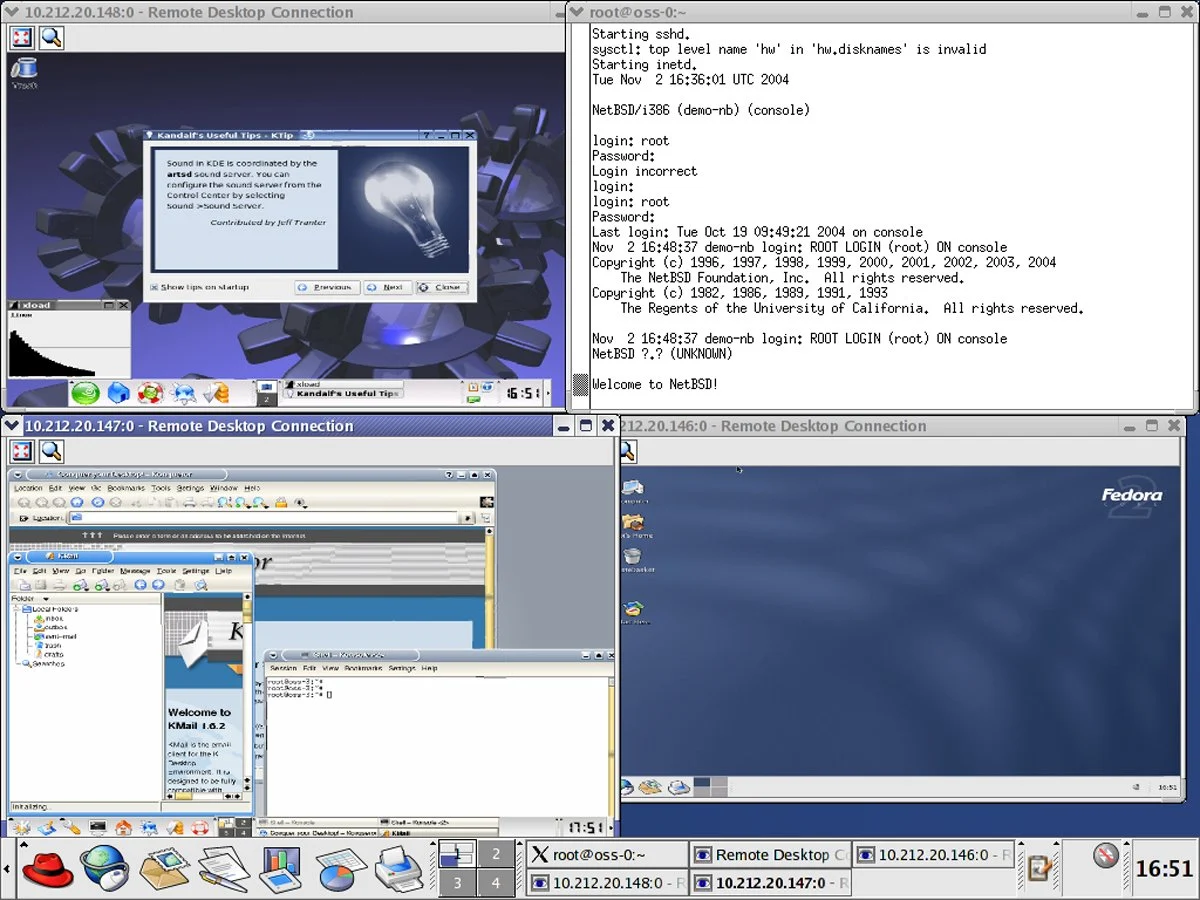

Virtualization technology has fundamentally transformed how organizations architect, deploy, and manage modern computing infrastructure. By decoupling operating systems and applications from underlying physical hardware, virtualization software allows system administrators and developers to partition a single server into multiple isolated virtual machines (VMs). Within the Linux ecosystem, this technology spans a vast spectrum: lightweight desktop tools designed for swift software testing, and robust enterprise-grade platforms capable of commanding sprawling data centers. As organizations increasingly pivot toward hybrid cloud environments and microservices, selecting the optimal virtualization platform has become a critical strategic decision for IT leaders worldwide.

Evolution and Historical Context of Linux Virtualization
The trajectory of Linux virtualization is deeply intertwined with the evolution of the Linux kernel itself. In the early 2000s, virtualization on x86 architecture was largely dominated by proprietary hypervisors. However, the landscape shifted dramatically in 2007 with the integration of the Kernel-based Virtual Machine (KVM) directly into the mainline Linux kernel. This milestone effectively transformed Linux into a native Type-1 (bare-metal) hypervisor.
Parallel to KVM’s development, community-driven projects like QEMU and the Xen Project laid the groundwork for advanced hardware emulation and secure, multi-tenant cloud environments. Xen, originating as a research initiative at the University of Cambridge, became a foundational pillar for early public cloud providers due to its advanced paravirtualization and isolation capabilities. Over the subsequent decade, these open-source tools matured from disparate utilities into integrated management stacks, culminating in modern platforms like oVirt and enterprise offerings such as Red Hat OpenShift Virtualization, which seamlessly bridge traditional virtual machines with container orchestration frameworks.

Comprehensive Comparison of Leading Linux Virtualization Platforms
To assist IT professionals, developers, and enterprise architects in navigating the myriad options available, industry analyses consistently evaluate virtualization solutions across strict performance, scalability, and security metrics. The leading platforms shaping the Linux virtualization landscape exhibit distinct operational characteristics:
Red Hat OpenShift Virtualization
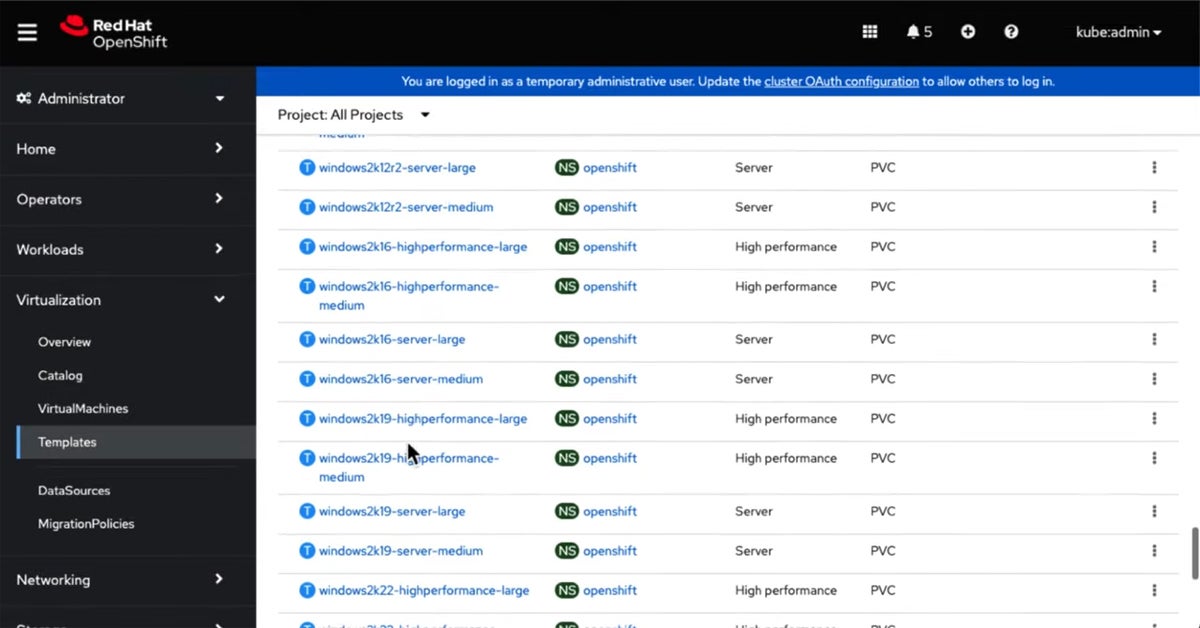
Positioned as a premier enterprise-grade solution, Red Hat OpenShift Virtualization merges traditional VM workloads with containerized applications within a unified cloud-native environment. Built upon the robust foundation of KVM, it inherits exceptional performance while adding advanced enterprise security and Kubernetes-native networking integration. Although it requires technical proficiency across both VM and container architectures and is the sole commercial, non-free offering evaluated in standard industry assessments, it provides unparalleled centralized management for organizations executing hybrid cloud strategies.
oVirt
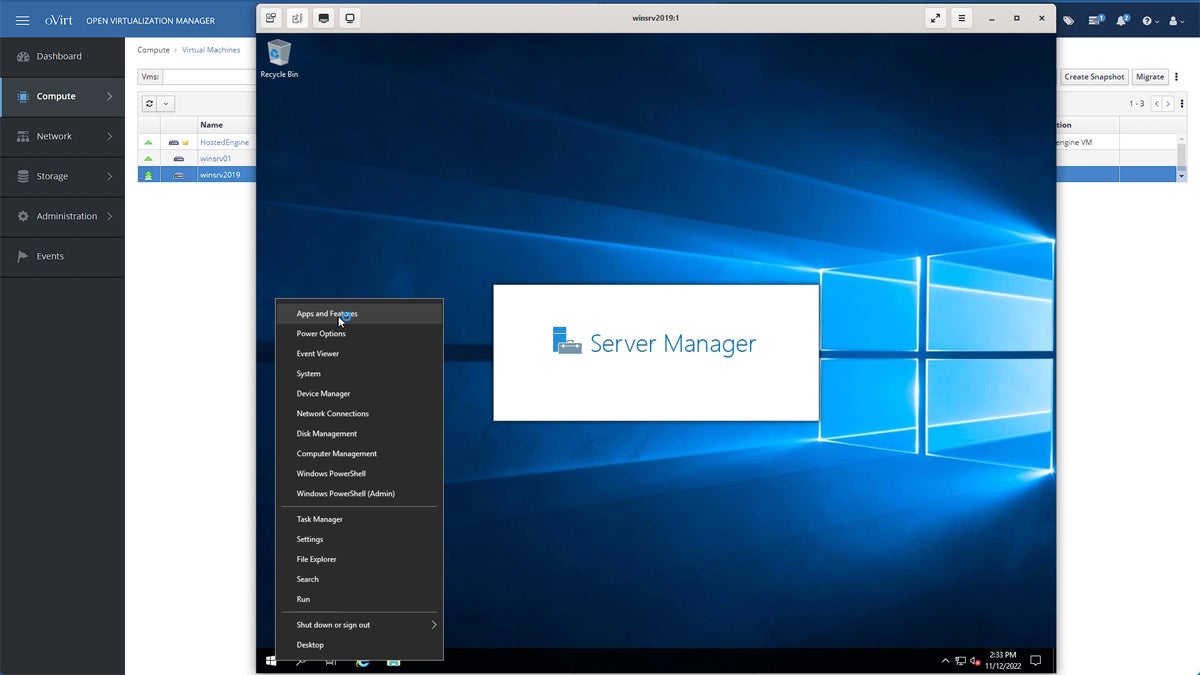
As a robust, open-source virtualization management platform, oVirt excels in orchestrating large-scale virtualized data centers. Descended from enterprise lineage, oVirt delivers comprehensive management tools for complex tasks across diverse hardware configurations. While it offers a cost-effective alternative to proprietary solutions, deployment and maintenance demand dedicated IT infrastructure expertise, particularly when managing high-density VM environments.
Linux-KVM
Linux-KVM remains the benchmark for Linux enthusiasts and system administrators seeking deeply integrated, bare-metal virtualization. Because it is embedded directly within the Linux kernel, KVM leverages hardware-assisted virtualization to deliver high performance and strong isolation. Its primary limitation lies in its Linux-centric ecosystem, requiring substantial kernel-level knowledge for advanced troubleshooting and configuration.

QEMU
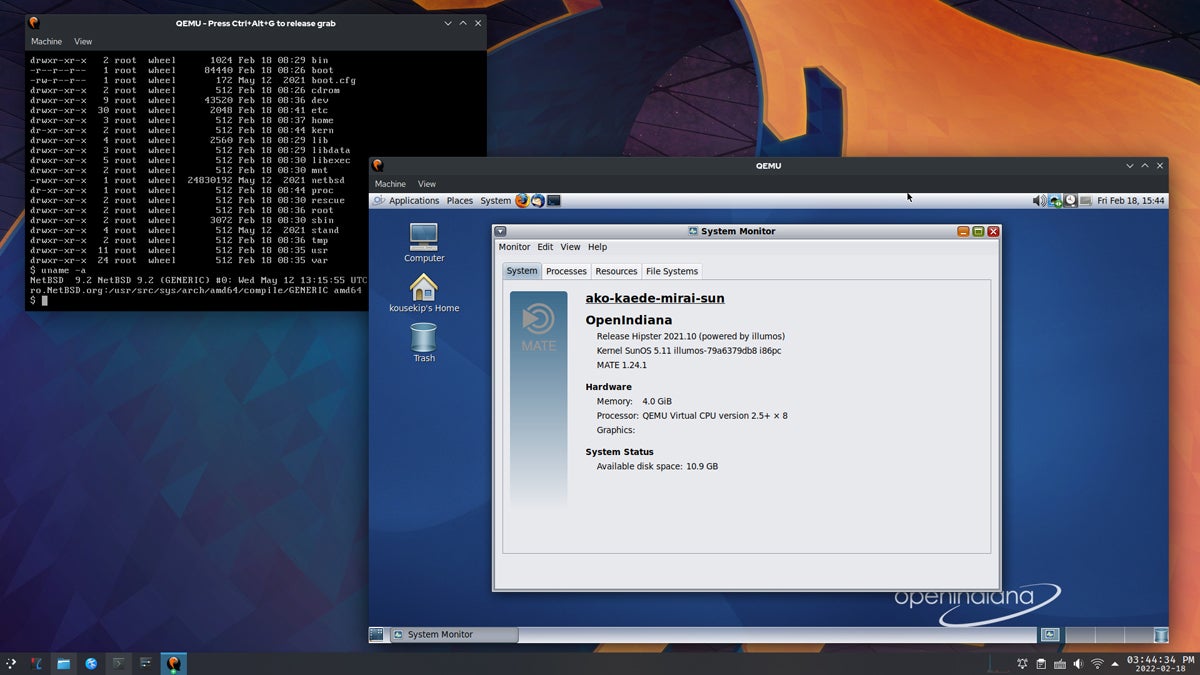
Renowned for its unparalleled hardware emulation capabilities, QEMU operates as a versatile open-source tool capable of simulating a vast array of CPU architectures. This cross-platform flexibility makes QEMU indispensable for developers requiring multi-architecture testing environments, even on host systems lacking native hardware virtualization support. However, pure emulation modes can incur performance overhead compared to direct hardware-assisted hypervisors.
Xen Project
The Xen Project hypervisor continues to be the definitive choice for high-security, multi-tenant enterprise and cloud deployments. Utilizing advanced paravirtualization, Xen minimizes performance overhead while maintaining strict isolation between guest domains. Its adoption by major cloud providers underscores its reliability, though its intricate setup process suits advanced system administrators best.
VirtualBox
Developed by Oracle, VirtualBox offers accessible, cross-platform virtualization across Linux, Windows, macOS, and Solaris hosts. Valued for its intuitive graphical user interface and rapid setup, it serves as an optimal solution for desktop virtualization and basic testing scenarios. Nevertheless, it trails hypervisors like KVM and Xen in high-throughput enterprise resource efficiency and advanced scalability metrics.
Technical Analysis of Core Virtualization Features
Enterprise evaluation frameworks prioritize several non-negotiable technical attributes when assessing Linux virtualization software:

- Performance and Resource Management: Efficient allocation of CPU, memory, and I/O storage is paramount. Hypervisors utilizing direct kernel integration minimize latency and prevent resource contention through dynamic load balancing and real-time telemetry.
- Security and Isolation: True virtualization mandates strict boundary enforcement. Advanced hypervisors employ hardware-enforced memory separation and virtual firewall controls to ensure that a security breach within a single guest VM cannot propagate to the host system or neighboring environments.
- Networking Flexibility: Modern enterprise workloads require sophisticated networking models, including bridging, Network Address Translation (NAT), and Virtual LAN (VLAN) segmentation, enabling secure intra-VM and external communication.
- Scalability and High Availability: Enterprise readiness is defined by automated failover, live migration capabilities between physical hosts, and instantaneous resource adjustment without inducing system downtime.
Strategic Implications for Enterprise IT
The widespread adoption of open-source virtualization platforms carries profound economic and architectural implications for modern enterprises. By eliminating prohibitive proprietary licensing costs, organizations can redirect capital toward infrastructure expansion and talent acquisition. However, this economic advantage shifts the operational burden toward internal technical competency. Maintaining open-source hypervisors requires sophisticated in-house administration, robust disaster recovery protocols, and rigorous security hardening.
Furthermore, the convergence of virtual machines and containerization—exemplified by platforms that integrate KVM within Kubernetes ecosystems—signals a broader architectural shift. Enterprises are no longer forced to choose between legacy VM-based applications and modern cloud-native microservices; instead, hybrid architectures allow both paradigms to coexist on a unified infrastructure layer.
Methodology for Evaluating Virtualization Software
Rigorous software evaluation methodologies typically employ a weighted scoring matrix to ensure objective comparison across diverse operational environments. Standard assessment frameworks allocate significant weight to core functional performance, resource efficiency, and security isolation, recognizing that operational stability directly influences business continuity. Secondary evaluation tiers examine total cost of ownership, installation complexity, documentation clarity, and the responsiveness of community or vendor support networks.
By systematically measuring these criteria against specific enterprise use cases—ranging from lightweight developer workstations to massive, multi-tenant cloud data centers—IT decision-makers can select virtualization platforms that align precisely with their technical requirements and long-term organizational strategy.
