
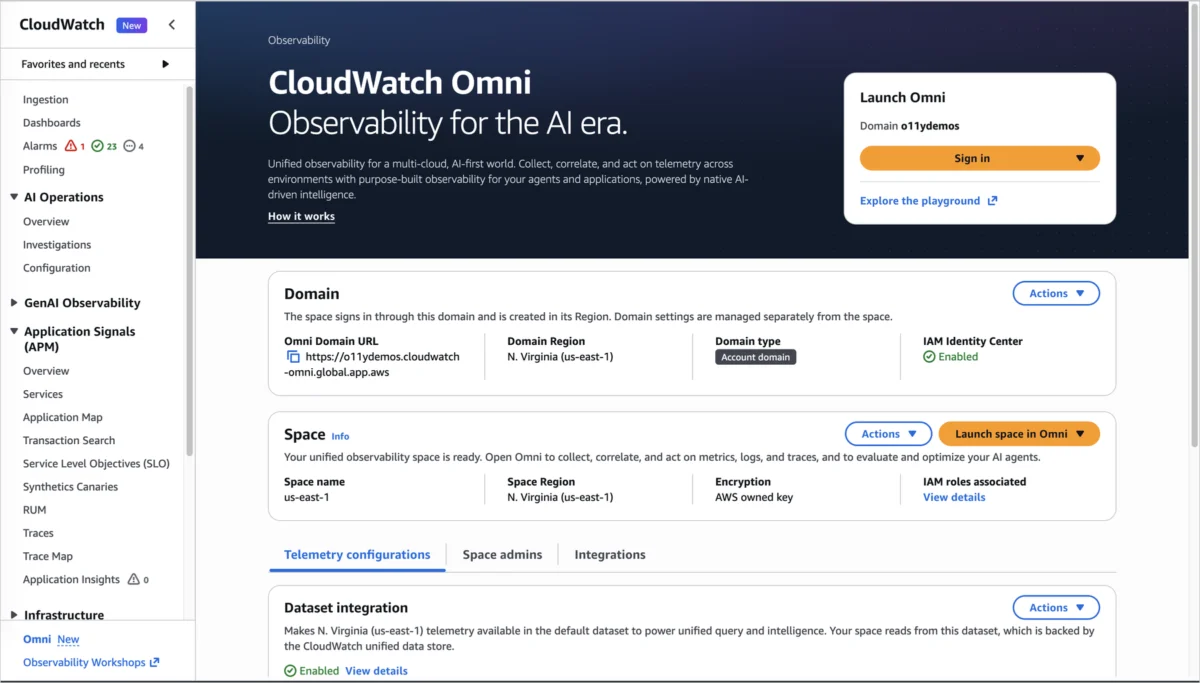

In an ambitious move to redefine how engineering organizations monitor and troubleshoot complex digital architectures, Amazon Web Services has officially announced the launch of Amazon CloudWatch Omni. This next-generation, AI-powered observability platform is engineered to bridge the operational gap between traditional application infrastructure and modern generative artificial intelligence workloads. Designed to address the mounting friction of multi-tool monitoring, CloudWatch Omni introduces a centralized collaborative environment where system reliability engineers, software developers, database administrators, and IT executives can manage system health without requiring direct access to the underlying AWS Management Console.
The release arrives at a critical juncture for enterprise software development. As microservices architectures multiply and artificial intelligence agents become deeply embedded in core business processes, the volume of telemetry data generated by modern enterprises has grown exponentially. According to recent enterprise software utilization metrics, engineering teams typically waste up to 35 percent of their operational bandwidth on manual administrative overhead—such as maintaining static dashboards, tuning alert thresholds, and manually stitching together fragmented logs, metrics, and traces across disparate tools during critical incidents. CloudWatch Omni seeks to eliminate these inefficiencies by shifting the observability paradigm away from isolated infrastructure signals and anchoring it directly around holistic application health.
Architectural Foundation and OpenTelemetry Integration
Built natively on OpenTelemetry—the industry standard for cloud-native telemetry collection—CloudWatch Omni requires no cumbersome reconfigurations for organizations already routing telemetry data to Amazon CloudWatch. Any existing logs, metrics, traces, and alarms immediately populate within the Omni workspace. Furthermore, workloads instrumented via OpenTelemetry can seamlessly transmit their data directly to an OpenTelemetry Protocol endpoint, ensuring comprehensive visibility regardless of whether applications reside natively on AWS, within multi-cloud environments, or across on-premises infrastructures.
Access to the platform is governed by enterprise-grade Single Sign-On integration via AWS IAM Identity Center. By supporting major identity providers such as Okta and Microsoft Entra ID, organizations can provision dedicated URLs for their teams. This architecture allows personnel outside the traditional AWS administrative circle to participate fully in system analysis, maintaining uninterrupted context during high-stress incident escalations.
Chronology of Development and Strategic Alignment
The rollout of CloudWatch Omni represents the culmination of a multi-year evolutionary strategy within Amazon’s cloud monitoring division. Over the past decade, Amazon CloudWatch established itself as a foundational logging and monitoring service for AWS infrastructure. However, the explosive rise of microservices, serverless computing, and, most recently, generative AI application frameworks exposed the limitations of traditional, component-centric dashboards.

In early developmental phases, AWS engineers recognized that traditional incident management often fractured along team boundaries. When a customer-facing transaction failed, database engineers analyzed query latency, application developers reviewed code-level exceptions, and network specialists interrogated API gateways, frequently communicating through fragmented Slack channels and screenshot exchanges. Recognizing the need for a unified investigation workspace, development teams prioritized the creation of "Spaces"—logical boundaries that group applications and their associated telemetry around specific business domains rather than underlying virtual machines or storage volumes.
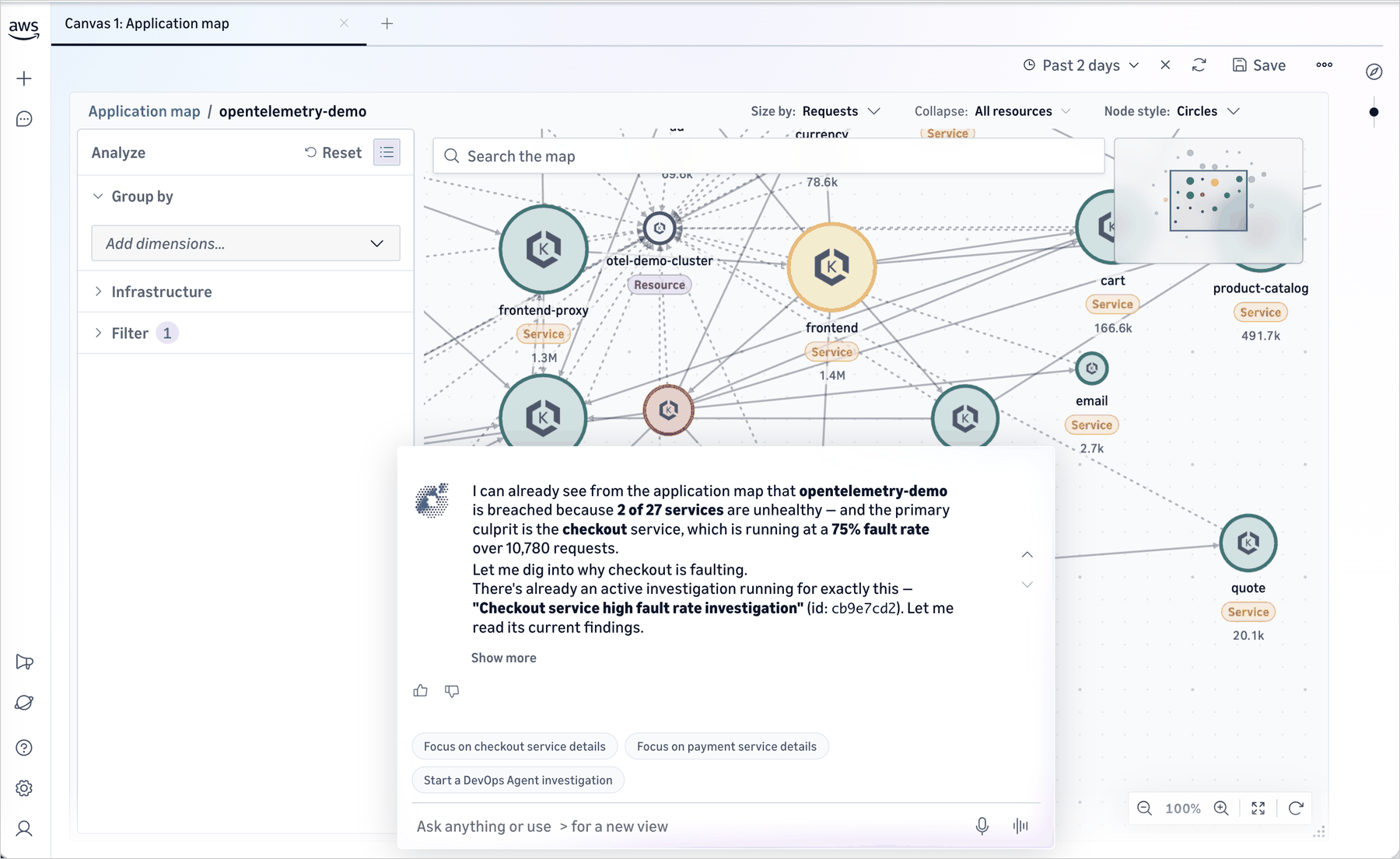
This application-centric approach was further accelerated by advancements in generative artificial intelligence. The integration of the Amazon DevOps Agent into the Omni ecosystem represents a vital milestone in autonomous system management. Rather than operating as a passive alerting mechanism, the DevOps Agent functions as an active participant in investigation sessions, correlating anomalies, parsing dependency graphs, and suggesting evidence-backed mitigation steps in real time.
Operational Workflow: Inside an Investigation Session
To understand the practical impact of CloudWatch Omni, industry analysts have examined its automated incident response workflows. In a traditional monitoring scenario, an alarm triggered by elevated error rates in a checkout service would require an engineer to manually query logs, correlate deployment timestamps, and cross-reference downstream API health across multiple browser tabs.
Under the CloudWatch Omni framework, an alarm initiates a pre-loaded investigation session. The platform immediately surfaces the service topology, highlights correlated events—such as a deployment executed ten minutes prior—and displays the Amazon DevOps Agent’s preliminary analysis pointing to increased latency from a downstream payment provider.
When the on-call Site Reliability Engineer escalates the issue to the payments domain team, the incoming specialist joins the identical session. Because all historical queries, trace views, and agent correlations are preserved within the workspace, the new team member is instantly brought up to speed without redundant briefings. The collaborative session documents the entire lifecycle of the incident, automatically capturing the root cause discovery—such as a subtle configuration alteration in the payment gateway’s API—and eliminating the administrative burden of writing post-hoc incident reports.
Industry Implications and Competitive Landscape
The launch of CloudWatch Omni intensifies competition within the burgeoning enterprise observability market, which currently includes prominent third-party vendors such as Datadog, Dynatrace, New Relic, and Honeycomb. For years, enterprises utilizing AWS have grappled with the architectural complexity of running unified monitoring strategies across both native cloud services and external observability platforms.
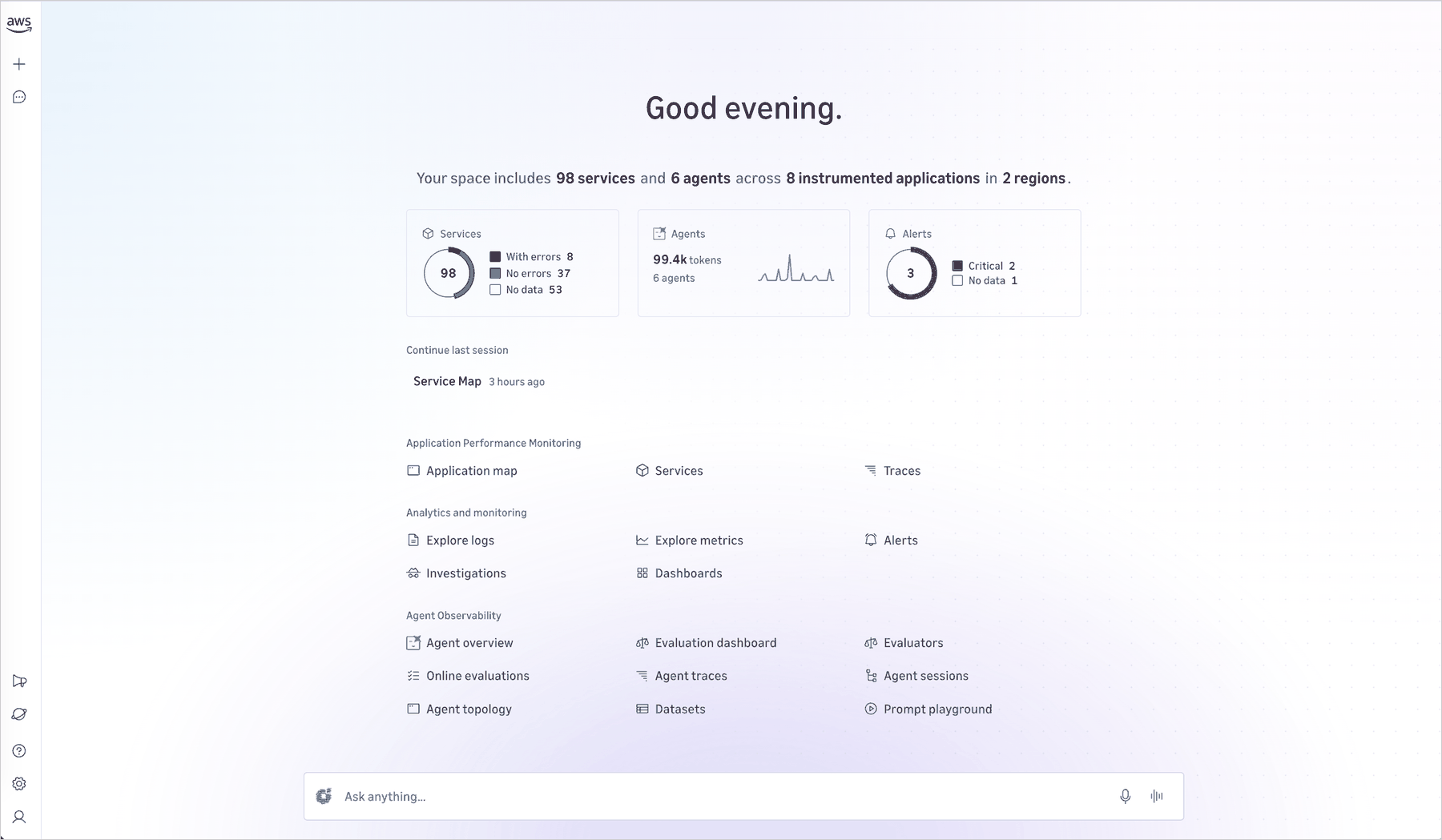
By natively integrating OpenTelemetry, supporting multi-environment telemetry ingestion, and coupling the platform with specialized generative AI agents, AWS is positioning CloudWatch Omni as a comprehensive command center for modern software engineering. Industry observers note that the platform’s ability to natively support both traditional application observability and emergent agentic workloads provides a distinct architectural advantage for enterprises navigating hybrid technology stacks.
Furthermore, the introduction of purpose-built observability frameworks for AI agents addresses a critical blind spot in contemporary enterprise operations. As organizations increasingly deploy autonomous agents capable of executing multi-step business logic, tracking the provenance, latency, and decision-making paths of these non-deterministic workloads has become an urgent operational requirement. Omni’s companion capabilities for generative AI offer the trace exploration and real-time evaluation frameworks necessary to govern these advanced systems safely.
Implementation and Deployment Pathways
AWS has structured the deployment of CloudWatch Omni to minimize operational friction for both existing users and large-scale enterprise environments.
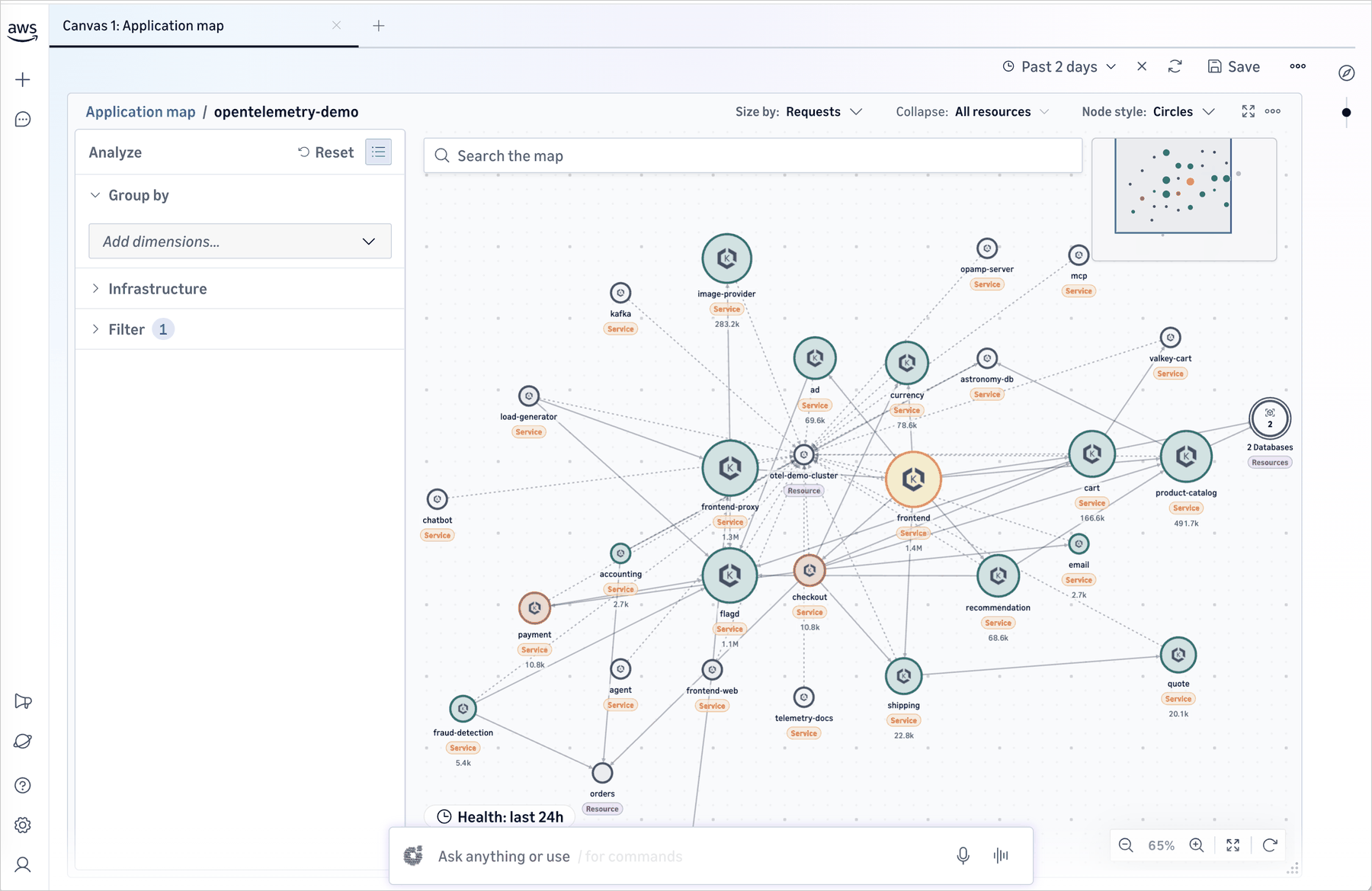
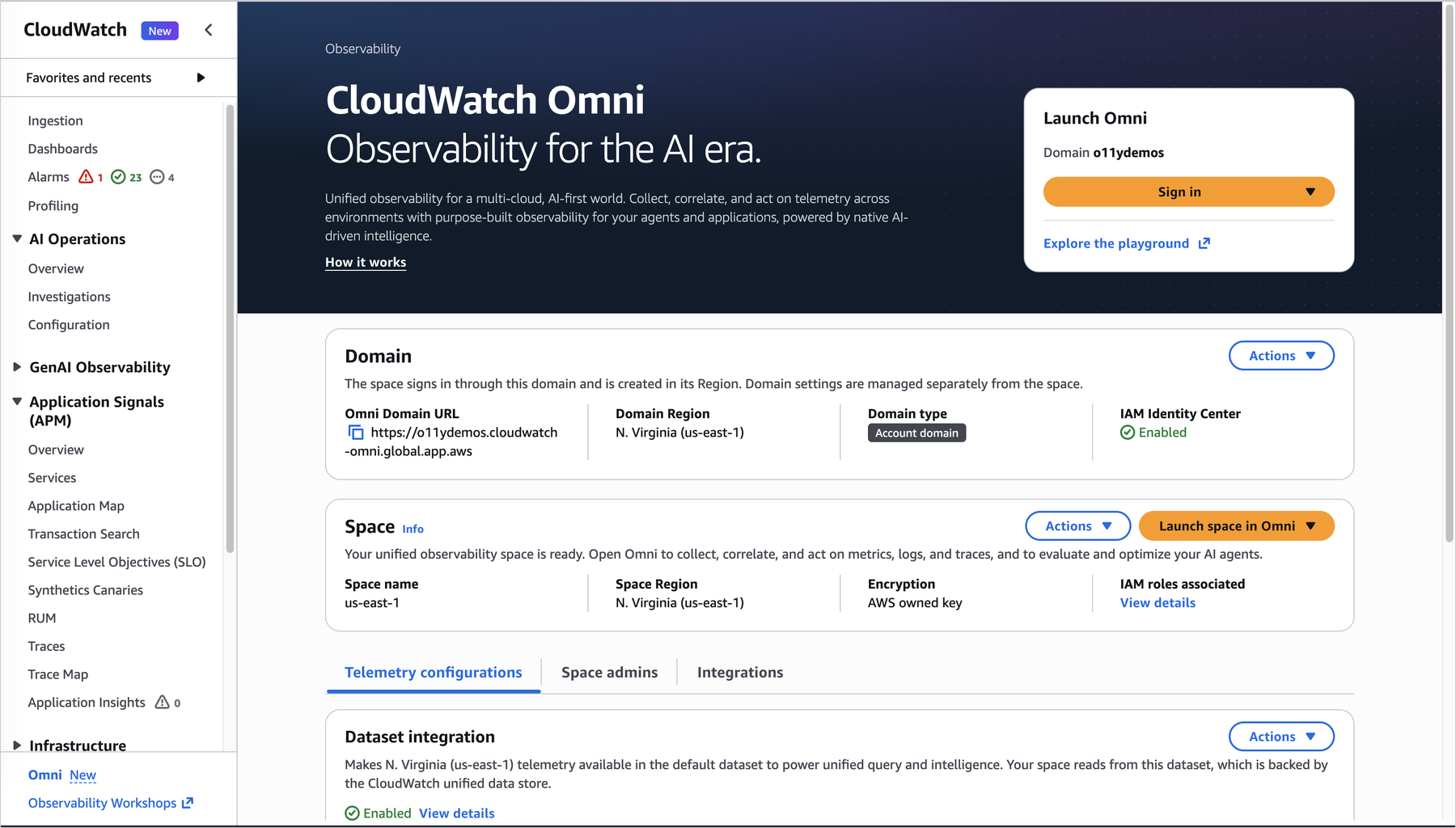
For current Amazon CloudWatch customers, adoption requires minimal effort. Administrators can initiate the setup directly from the CloudWatch console by selecting the Omni configuration portal. Existing telemetry streams, historical metrics, and active alarms are automatically indexed and mapped to newly established team Spaces.
For organization-wide deployments, IT administrators can configure dedicated domains, link enterprise identity providers through IAM Identity Center, and delineate custom Spaces tailored to specific business units or development environments. Because the platform references existing CloudWatch data stores directly, organizations are not subjected to costly or time-consuming data duplication processes. Furthermore, specialized connectors allow engineering teams to route telemetry from external environments—including private data centers and competing cloud providers—directly into the same centralized workspace.
Pricing and Availability
Amazon CloudWatch Omni is generally available starting immediately. Existing AWS customers can evaluate the platform directly through the management console. Comprehensive pricing schedules, tier breakdowns, and regional availability details are accessible via the official Amazon CloudWatch pricing portal. Technical documentation, API references, and troubleshooting guides are supported through the AWS MCP Server and associated plugins, with community feedback managed via AWS re:Post and standard AWS Support channels.
As enterprises continue to scale their reliance on distributed microservices and generative AI, platforms like CloudWatch Omni signal a definitive shift toward collaborative, AI-augmented operational intelligence, promising to permanently alter how engineering organizations build, monitor, and maintain resilient digital systems.
