

Enterprises across the globe have long grappled with a fundamental dilemma in their pursuit of artificial intelligence integration: the vast chasm separating modern AI systems from the entrenched desktop and legacy applications that form the bedrock of most business workflows. Today, Amazon Web Services (AWS) announced a significant breakthrough, revealing that Amazon WorkSpaces now empowers AI agents to securely operate desktop applications without necessitating costly and complex application modernization. This pivotal development transforms WorkSpaces from merely a managed virtual desktop service for human employees into a critical infrastructure layer for scaling enterprise productivity through intelligent automation.
The challenge of integrating cutting-edge AI with older, mission-critical systems is a pervasive one. A compelling 2024 Gartner report underscores the scale of this issue, revealing that an astonishing 75% of organizations currently operate legacy applications that lack modern, accessible APIs. Furthermore, the report highlights that 71% of Fortune 500 companies continue to run critical business processes on mainframe systems, which notoriously lack adequate programmatic access. For many enterprises, this stark reality has meant facing an undesirable choice: either delay AI adoption and risk falling behind competitors or embark on prohibitively expensive, time-consuming, and often risky modernization projects that can take years to complete and divert substantial resources. This technological impasse has created a significant bottleneck, preventing companies from leveraging the full transformative potential of AI to automate routine tasks, enhance decision-making, and unlock new efficiencies within their existing operational frameworks.
Bridging the AI-Legacy Divide with Virtual Desktops

The core innovation lies in Amazon WorkSpaces’ newfound capability to serve as a secure, managed environment for AI agents. Previously, WorkSpaces provided secure, cloud-based virtual desktops to millions of employees, enabling remote work and access to applications from anywhere. Now, this established and trusted infrastructure can also host AI agents, allowing them to interact with desktop applications in much the same way a human user would. This eliminates the need for organizations to build custom APIs, undertake extensive application migrations, or deploy and manage entirely new infrastructure dedicated to AI-legacy integration.
The implications of this "no modernization required" approach are profound. Enterprises can now deploy AI agents to automate tasks within their existing software ecosystem, including proprietary applications, legacy enterprise resource planning (ERP) systems, customer relationship management (CRM) tools, and specialized industry software that may have been developed decades ago. This capability drastically reduces the barriers to AI adoption, enabling companies to realize immediate benefits from automation without the immense upfront investment and operational disruption typically associated with digital transformation initiatives.
Secure and Governed AI Operations
Security and governance are paramount concerns for any enterprise, particularly when integrating AI into sensitive business processes. AWS has addressed these concerns comprehensively within the WorkSpaces framework. AI agents authenticate through AWS Identity and Access Management (IAM), leveraging robust access controls to ensure that only authorized agents can access specific WorkSpaces environments and applications. Every interaction an agent undertakes within a WorkSpace is meticulously logged and auditable, with complete audit trails available through AWS CloudTrail and Amazon CloudWatch. This provides organizations with transparency and accountability, crucial for compliance with regulatory requirements and internal governance policies.

Chris Noon, Director at Nuvens Consulting, an early adopter of this new capability, highlighted its significance for regulated industries. "WorkSpaces lets our clients give AI agents the same secure, governed desktop environment their employees already use – no custom API integrations, full audit trails, and enterprise-grade isolation out of the box," Noon stated. "For regulated industries, that’s not a nice-to-have – it’s the baseline." This endorsement underscores the critical importance of built-in security and compliance features, particularly for sectors like finance, healthcare, and government, where data integrity and regulatory adherence are non-negotiable. By operating within these secure, isolated WorkSpaces environments, AI agents inherit the existing security controls and compliance policies already in place for human users, eliminating the need to re-architect security frameworks.
Technical Underpinnings: How AI Agents "See" and "Act"
The technical implementation behind this capability is rooted in the principles of robotic process automation (RPA) augmented by advanced AI. WorkSpaces supports the industry-standard Model Context Protocol (MCP), a crucial enabler for interoperability. This means that WorkSpaces can seamlessly integrate with any agent framework that supports MCP, including popular platforms like LangChain, CrewAI, and Strands Agents. This open standard approach provides flexibility for developers and organizations to choose their preferred AI agent building tools.
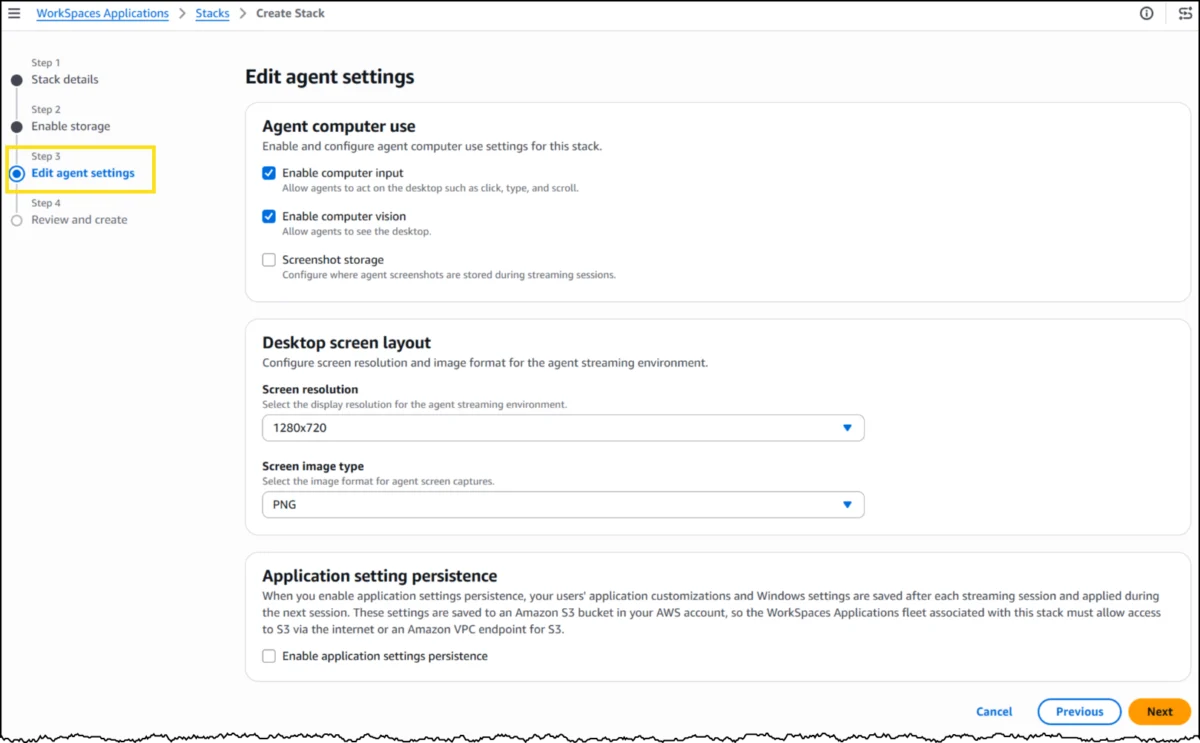
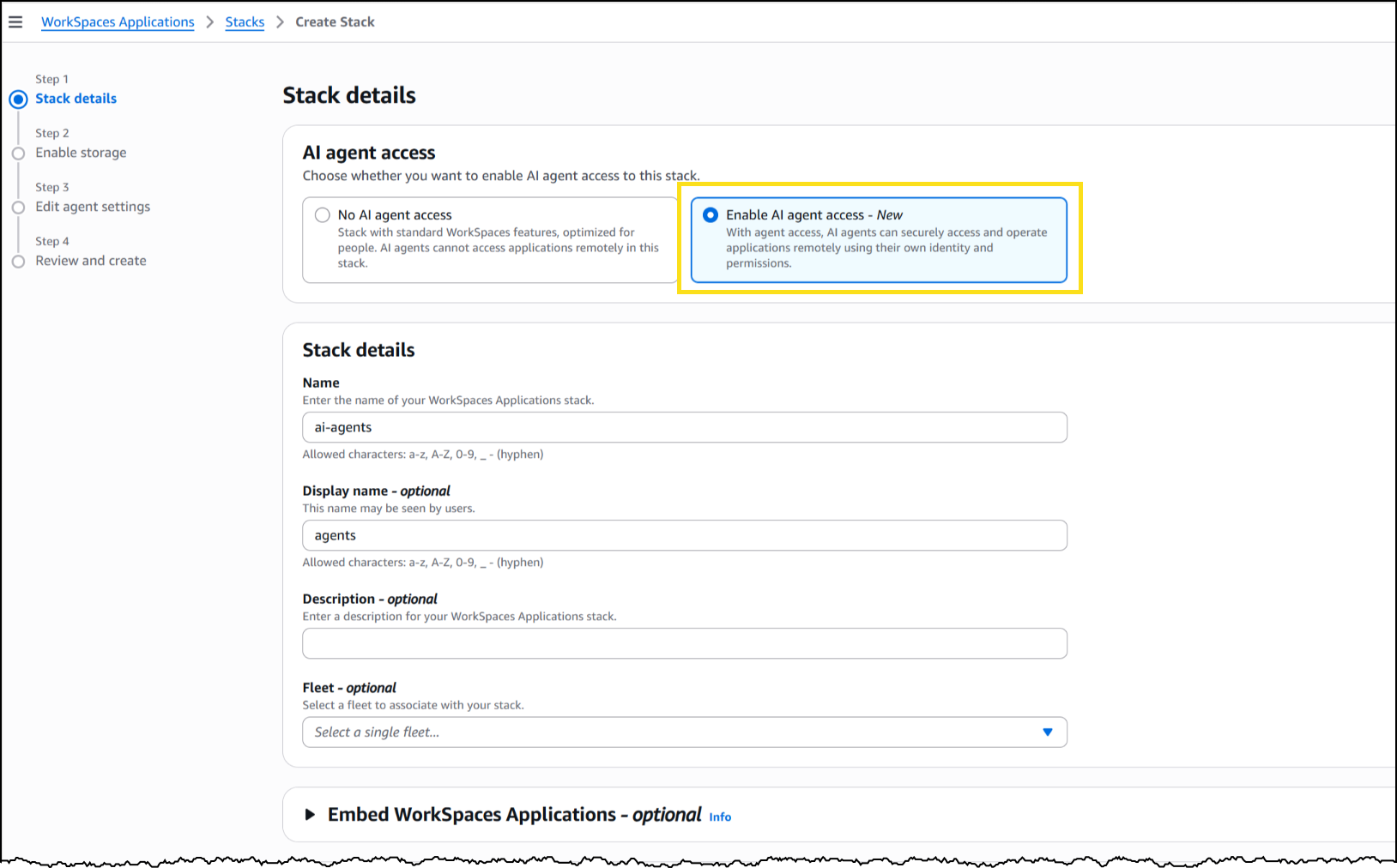
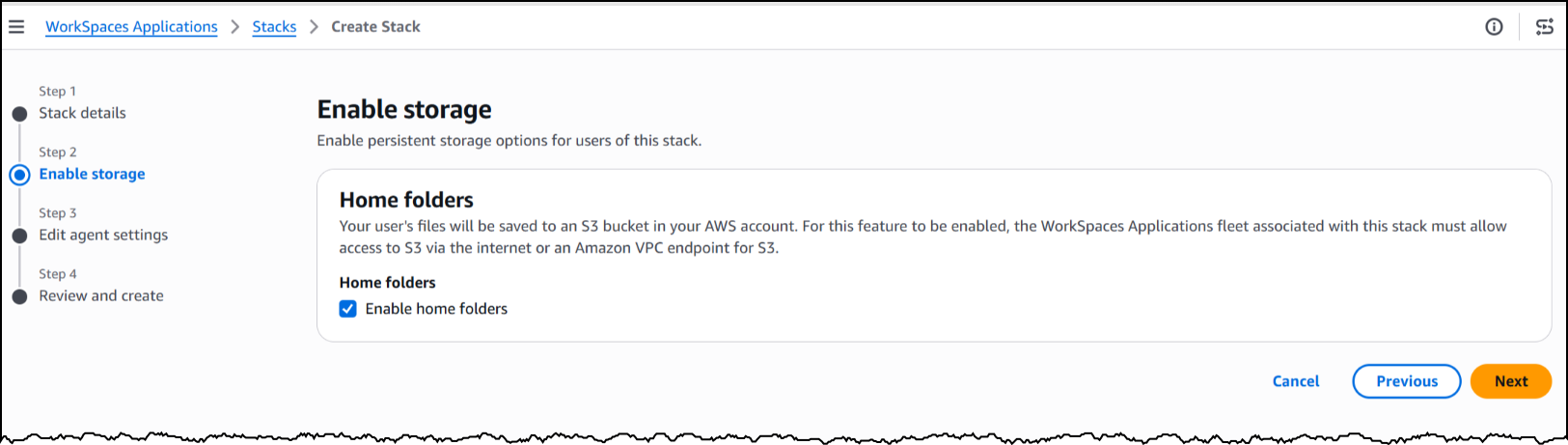
The process of enabling AI agent access within Amazon WorkSpaces involves configuring a WorkSpaces Applications stack. This environment definition dictates how agents connect and their permissible actions. During the stack creation workflow in the AWS Management Console, administrators can select an option to "Add AI Agents," distinct from the default configuration for human users. This selection activates specific capabilities essential for AI agent interaction.
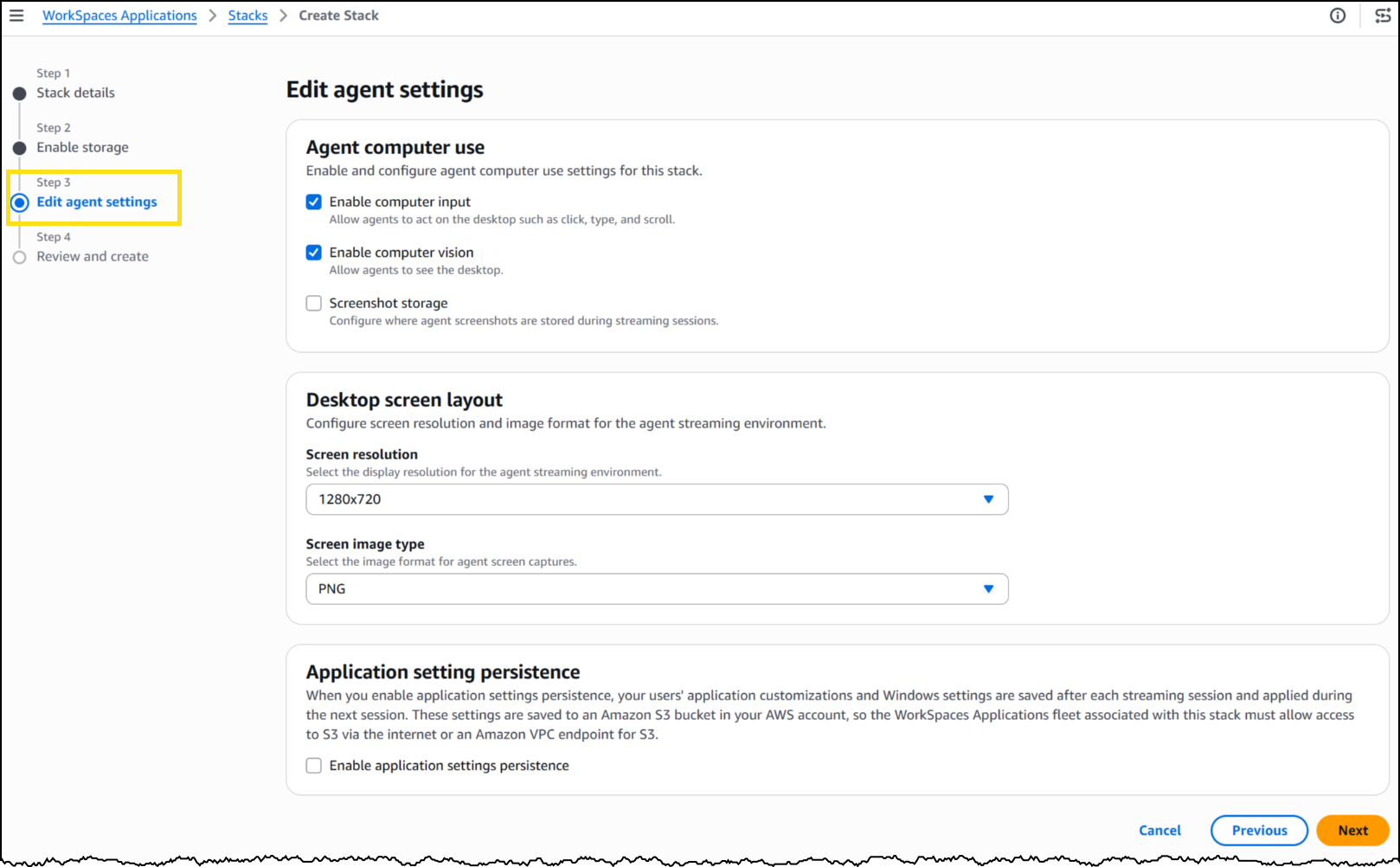
Key features enabled for AI agents include:
- Computer Input: This allows the agent to simulate human interactions such as clicking, typing, scrolling, and dragging within the virtual desktop environment. This capability is fundamental for navigating user interfaces and inputting data into applications.
- Computer Vision: Agents are granted the ability to capture screenshots of the desktop. This is how an AI agent "sees" the application interface, interpreting visual information to understand the layout, identify elements, and track workflow progress. This capability is analogous to a human user observing the screen.
- Screenshot Storage: To facilitate auditability and debugging, configurations are provided to specify where these session screenshots are stored, ensuring a complete visual record of the agent’s interactions.
Administrators also define desktop screen layout parameters, such as resolution and image format. The chosen resolution directly impacts the fidelity of what the agent perceives during a session. For complex applications with dense user interface elements, a higher resolution might be beneficial, while simpler, terminal-style interfaces can operate effectively at lower resolutions like 720p. Once configured, WorkSpaces exposes a managed MCP endpoint. AI agent frameworks can then be pointed to this endpoint, and with appropriate IAM credentials for authentication, the agent can begin interacting with desktop applications installed on the associated fleet’s image.
Real-World Application: The Prescription Refill Scenario
To illustrate the practical application of this technology, AWS demonstrated an agent built with the Strands Agent SDK and Amazon Bedrock handling a prescription refill within a sample pharmacy system – an application with no pre-existing API. The AI agent seamlessly navigated the process: looking up the patient record, searching for the medication, placing the order, and confirming a successful refill. Crucially, the underlying pharmacy application remained entirely unaware that an AI agent, rather than a human, was driving its interface. No modifications, rebuilds, or custom integrations were required for the software itself. The agent interacted with the application exactly as it exists today, showcasing the power of this "no-code," "no-API" integration approach.
This scenario highlights the immense potential for automating a vast array of repetitive, rule-based tasks that currently consume significant human effort across various industries. From processing invoices and updating inventory in retail to handling insurance claims in finance, or managing patient data in healthcare, the ability for AI agents to interact with existing desktop applications opens up a new frontier for operational efficiency and productivity gains.
Broader Impact and Future Implications
The introduction of AI agent access for Amazon WorkSpaces represents more than just a new feature; it signifies a strategic shift in how enterprises can approach AI adoption and digital transformation.
- Accelerated AI Adoption: By removing the formidable barrier of legacy application incompatibility, AWS is significantly lowering the entry threshold for AI. Businesses that were previously deterred by the cost and complexity of modernization can now rapidly deploy AI solutions to automate critical workflows, fostering quicker time-to-value and a faster return on investment.
- Unlocking Legacy Data and Processes: Millions of dollars are locked away in legacy systems, inaccessible to modern analytics and AI tools. WorkSpaces for AI agents effectively creates a programmatic interface where none existed, allowing organizations to derive new insights and automate processes that were previously manual and siloed.
- Enhanced Productivity and Efficiency: Repetitive data entry, form filling, cross-application data transfers, and other mundane desktop tasks can now be offloaded to AI agents, freeing up human employees to focus on more complex, creative, and strategic work. This augments the human workforce rather than replacing it, leading to significant boosts in overall enterprise productivity.
- Cost Savings: Avoiding expensive and resource-intensive application modernization projects can save organizations millions of dollars. The WorkSpaces approach leverages existing infrastructure and applications, optimizing current investments.
- Competitive Advantage: Companies that can rapidly deploy AI-powered automation across their operations will gain a significant competitive edge, enabling faster service delivery, improved customer experiences, and more agile business processes.
- Evolution of the VDI and RPA Markets: This development blurs the lines between virtual desktop infrastructure (VDI) and robotic process automation (RPA). WorkSpaces is now positioned as a unified platform that can support both human and AI workers, potentially leading to new synergies and integrations between these previously distinct technologies. It provides a cloud-native, managed alternative to traditional on-premises RPA deployments.
Availability and Getting Started
This groundbreaking feature is now available in public preview, allowing enterprises to begin experimenting and building their AI agent solutions today. The preview is accessible in a wide array of AWS Regions, including US East (N. Virginia, Ohio), US West (Oregon), Canada (Central), Europe (Frankfurt, Ireland, Paris, London), and Asia (Tokyo, Mumbai, Sydney, Seoul, Singapore). This broad regional availability ensures that a significant portion of AWS’s global customer base can immediately leverage this new capability.
AWS has also provided resources to help developers and organizations get started. A dedicated GitHub repository offers sample code for WorkSpaces agent access, providing practical examples and a foundation for building custom AI agent solutions. Further details and documentation are available on the main Amazon WorkSpaces page. As enterprises continue their journey into AI, this innovative offering from AWS promises to be a powerful catalyst, bridging the gap between legacy systems and the future of intelligent automation, thereby unlocking unprecedented levels of efficiency and innovation across industries.
