

The landscape of the smart home is at a pivotal moment, marked by significant shifts within Amazon, the company that brought voice-activated assistants into millions of homes. David Limp, the long-serving head of Amazon’s devices division, responsible for the development and strategic direction of Alexa and the Echo line, is slated to retire. This departure, occurring within a broader wave of executive exits from the e-commerce giant over the past year, coincides with the upcoming tenth anniversary of Alexa and the Echo. This confluence of events prompts a critical re-examination of the role these foundational smart home technologies have played, the innovations they have spurred, and the areas where progress has stagnated or fallen short of initial expectations.
The trajectory of the smart home ecosystem, a field that promised seamless integration and enhanced convenience, is being scrutinized through various recent developments. A review of the Mill composting system, a product from a company co-founded by a Nest alumnus, highlights the potential for niche, yet sophisticated, smart home appliances. Conversely, the introduction of the Masonite M-Pwr smart door, retailing at a significant price point and now available at Home Depot, underscores the persistent challenge of accessibility and mass adoption for high-end smart home solutions. These contrasting examples illustrate the dual nature of current smart home market dynamics: innovation continues, but often at a premium, and the overarching vision of a universally integrated and affordable smart home remains elusive.
Amidst these market observations, regulatory bodies are also taking steps to address growing concerns. The Federal Communications Commission (FCC) has initiated a Notice of Proposed Rulemaking for an Internet of Things (IoT) cybersecurity labeling program. This proposal, open for public comment for a 30-day period, signifies a proactive approach to bolstering the security of internet-connected devices, a critical consideration as the number of such devices in homes continues to escalate. Concurrently, cybersecurity researchers have identified significant vulnerabilities. Microsoft recently disclosed a new set of vulnerabilities that could potentially be exploited to disrupt critical infrastructure, such as power plants, emphasizing the paramount importance of robust security measures across all connected systems, including those within the home.
This period of introspection and evolving market conditions also sees new players and technologies emerging. A new company is poised to become a crucial secondary source for Z-Wave chips, a vital component for a widely adopted smart home communication protocol. Furthermore, the Homey Pro smart home hub, while positioned as an expensive but powerful option for local device control, offers a glimpse into alternative approaches to smart home management. These developments collectively paint a picture of a dynamic, albeit complex, smart home future, where established giants are re-evaluating their strategies, and new entrants are seeking to carve out their niches.
Amazon’s Strategic Pivot and the Legacy of Alexa
The departure of David Limp, who has been instrumental in shaping Amazon’s hardware strategy for over a decade, marks the end of an era for the company’s consumer electronics division. Limp, a veteran of Amazon, oversaw the creation and expansion of product lines that have become ubiquitous in many households, including the Echo smart speakers, Fire TV devices, Kindle e-readers, and Ring security systems. His tenure coincided with the ambitious rollout of Alexa, Amazon’s voice AI, which was envisioned as the central nervous system of the smart home.
The introduction of the Echo in late 2014 was a watershed moment, popularizing the concept of a voice-activated digital assistant. Alexa’s ability to play music, answer questions, set timers, and control smart home devices quickly captured consumer imagination. This innovation spurred a wave of competition from other tech giants, including Google Assistant and Apple’s Siri, transforming the smart speaker market into a fiercely contested arena. The integration of Alexa into a vast ecosystem of third-party devices, from thermostats and light bulbs to doorbells and refrigerators, further cemented its position as a leading smart home platform.
However, the initial promise of a fully integrated and intuitive smart home experience powered by voice assistants has faced considerable challenges. While Alexa has achieved remarkable penetration, its ability to orchestrate a truly seamless and intelligent home environment has been a subject of ongoing debate and criticism. Many users report encountering limitations in its understanding of complex commands, its tendency to misinterpret queries, and the often-fragmented nature of device compatibility. The "smart home" has, for many, become a collection of connected devices rather than a cohesive, intelligent system.
The forthcoming tenth anniversary of Alexa and the Echo serves as a natural inflection point for assessing the technology’s evolution and its impact on consumer behavior and technological development. While Alexa has undoubtedly popularized voice control and facilitated the adoption of various smart home devices, the foundational challenges of interoperability, security, and perceived value for money persist. Amazon’s internal strategic realignments, signaled by Limp’s retirement, may indicate a reevaluation of its long-term vision for Alexa and the broader smart home market.

Examining the Modern Smart Home: Innovation, Affordability, and Security Concerns
The current state of the smart home market is characterized by both remarkable innovation and persistent hurdles to widespread adoption. The Mill smart composting system, a product that leverages smart technology to address a specific household task, exemplifies the ongoing innovation in the sector. Such devices, while catering to a niche market, demonstrate the potential for smart technology to enhance daily life in practical and environmentally conscious ways.
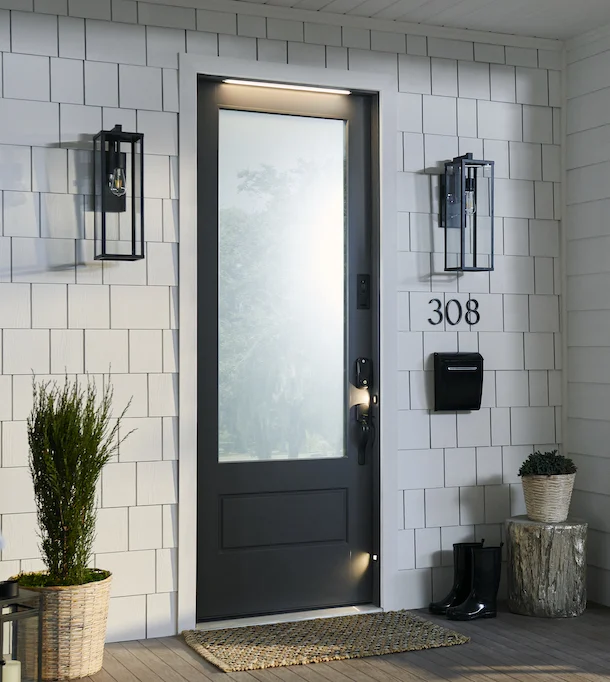
In stark contrast, the recent availability of the Masonite M-Pwr smart door at Home Depot highlights the economic barriers that often accompany advanced smart home features. Priced significantly higher than traditional doors, these sophisticated entryways, equipped with features like integrated video doorbells, smart locks, and customizable lighting, represent the premium segment of the market. Their placement in a major retail chain like Home Depot suggests a strategic effort to broaden their appeal, but the substantial cost remains a considerable deterrent for the average consumer. This disparity between innovative, albeit expensive, products and the broader consumer desire for accessible smart home solutions underscores a critical tension in the market.
The long-term viability of the smart home hinges on its ability to offer tangible benefits at an affordable price point, coupled with a robust security framework. The FCC’s proposed cybersecurity labeling program for IoT devices is a significant step towards addressing these concerns. The program aims to provide consumers with clear, standardized information regarding the security practices of connected devices, empowering them to make more informed purchasing decisions. This initiative is particularly timely, as reports of vulnerabilities in connected devices continue to surface, raising anxieties about data privacy and the potential for malicious intrusions.
Emerging Technologies and the Future of Connectivity
Beyond the established players, the smart home ecosystem is also being shaped by new technologies and the evolution of existing communication protocols. The emergence of a new company poised to become a secondary provider of Z-Wave chips is a notable development. Z-Wave, a wireless communication standard optimized for smart home applications, has been a cornerstone of device interoperability for years. The introduction of additional chip manufacturers could lead to increased competition, potentially driving down costs and improving supply chain resilience for Z-Wave-enabled devices. This development is particularly relevant given the ongoing integration of various protocols under the umbrella of emerging standards like Matter.
The Homey Pro smart home hub, reviewed for its potential, offers an alternative paradigm for smart home control. Its emphasis on local processing and device management, rather than relying solely on cloud-based services, addresses some of the privacy and reliability concerns associated with cloud-dependent systems. While its premium price point limits its immediate mass-market appeal, it signals a growing interest in user-centric control and the desire for greater autonomy over connected devices.
The interplay between different smart home communication protocols, such as Z-Wave and Wi-Fi, and the overarching efforts to standardize them through initiatives like Matter, are crucial for the future of the smart home. Matter, an open-source connectivity standard, aims to simplify device compatibility and improve interoperability across different brands and platforms. The success of Matter, and the ability of protocols like Z-Wave to coexist and integrate within this new framework, will be critical in realizing the vision of a truly seamless smart home experience.
Addressing Listener Inquiries and the Broader Implications
In addition to market analysis and technological trends, the smart home conversation extends to practical applications and user-specific needs. A recent listener question regarding the appropriate light bulb for a woodworker building a lamp illustrates the diverse range of practical considerations that arise when engaging with smart home technology and DIY projects. This query, while seemingly simple, touches upon aspects of lighting control, energy efficiency, and the integration of smart bulbs into custom-built fixtures.
The broader implications of these ongoing developments are significant. As Amazon navigates internal transitions, the smart home industry will likely witness shifts in competitive dynamics and product strategies. The increasing focus on cybersecurity by regulatory bodies like the FCC signals a maturing market where security is no longer an afterthought but a fundamental requirement. The emergence of new hardware providers and alternative control systems suggests a healthy ecosystem, albeit one still grappling with the challenges of affordability, interoperability, and user experience.
The journey of the smart home from a futuristic concept to a tangible reality has been a decade-long evolution, with Alexa and the Echo playing a pivotal role in its popularization. As the industry stands at this crossroads, the next phase will likely be defined by a greater emphasis on security, accessibility, and genuine integration, moving beyond the initial promise towards a more realized and beneficial smart home for all. The strategic decisions made by major players like Amazon, coupled with the progress in standardization and security, will ultimately shape whether the smart home achieves its full potential.
