


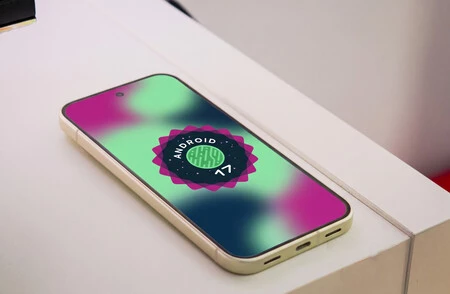
The technological world stands on the precipice of a significant paradigm shift as Google prepares to formally introduce Android 17, the next major iteration of its ubiquitous mobile operating system. Touted by Mountain View as marking "one of the most important years for Android to date," the unveiling is slated to take center stage at Google I/O 2026, with a dedicated "The Android Show" event expected to provide an in-depth look at its groundbreaking features. Months of developer previews and beta releases have offered tantalizing glimpses into what promises to be a comprehensive evolution, focusing on system convergence, performance enhancements, and a refined user experience, alongside controversial policy changes regarding application sideloading.
The Dawn of ‘Aluminium OS’: A Unified Ecosystem Vision
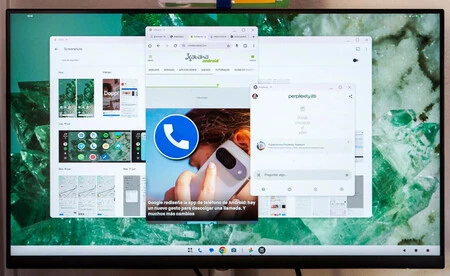
At the core of Android 17’s ambitious agenda is the anticipated materialization of ‘Aluminium OS,’ Google’s long-rumored initiative to fundamentally merge Android and ChromeOS. This strategic move is poised to create a cohesive, unified software ecosystem, drawing parallels with Apple’s tightly integrated device family and aiming to bolster Google’s competitive stance across various form factors. The groundwork for this convergence was visibly laid with Android 16’s desktop mode, a feature that transformed Google Pixel devices into pseudo-personal computers when connected to an external monitor, offering a windowed interface developed in collaboration with Samsung. This precursor demonstrated Google’s commitment to extending Android’s capabilities beyond traditional mobile use, hinting at a future where the line between smartphone, tablet, and laptop blurs.
The implications of ‘Aluminium OS’ are far-reaching. For users, it promises a more consistent and fluid experience across their devices, enabling seamless transitions of tasks, notifications, and applications. Imagine starting a document on an Android phone, continuing it on a ChromeOS-powered tablet, and finalizing it on a laptop, all within a familiar Android-like environment. For developers, this convergence could simplify the development process, allowing them to target a single, more versatile platform rather than optimizing for disparate operating systems. This could lead to a richer application landscape for larger screens and productivity-focused devices.

Industry analysts predict that this unified approach could significantly impact the market for Android-powered laptops and tablets. Rumors surrounding Samsung’s "Galaxy Book with Android and One UI 9" suggest that hardware manufacturers are already gearing up to capitalize on this integrated ecosystem, aiming to replicate the success seen in other tightly coupled hardware-software environments. The move reflects a broader industry trend towards multi-device experiences and could position Android as a more potent challenger in segments traditionally dominated by Windows and macOS.
Under the Hood: Performance and Efficiency Innovations
Beyond the grand vision of ecosystem convergence, Android 17 is set to deliver substantial performance and efficiency improvements, many of which operate beneath the surface but promise a noticeable impact on daily usage. One such innovation is the adoption of AutoFDO (Auto-FDO) within the Android kernel. This advanced technology, leveraging artificial intelligence, learns from the execution profiles of applications. By understanding how apps utilize system resources and identifying frequently executed code paths, AutoFDO can optimize the kernel’s scheduling and resource allocation in real-time. The expected benefits are significant: faster application launch times, reduced interface stuttering, and overall smoother system responsiveness, contributing to a perception of a "snappier" device.
Another critical enhancement addresses memory management, a perennial challenge in the mobile landscape, especially as applications become more resource-intensive and device memory specifications vary. Android 17 introduces a new app memory limit system based on the device’s total RAM. This intelligent allocation mechanism aims to prevent single applications from monopolizing system resources, thereby ensuring stability and smooth multitasking. If an application exceeds its allocated memory ceiling, Android 17 will proactively close it and "tag" it to prevent future performance issues, a crucial safeguard against memory leaks and system slowdowns, particularly important given recent trends in mobile memory pricing and availability. This feature is particularly pertinent for entry-level and mid-range devices, where memory resources are often more constrained.
For the growing community of mobile gamers, Android 17 introduces a highly anticipated feature: gamepad button remapping. Many Android games, despite their complexity, still lack native support for external game controllers, forcing players to rely on imprecise touch controls. Android 17’s new capability will allow users to map on-screen touch controls to physical buttons on a connected gamepad, effectively translating virtual interactions into tangible inputs. This not only enhances the gaming experience for a vast library of titles but also significantly benefits dedicated Android gaming consoles and handhelds, providing a more immersive and competitive edge for mobile esports and casual gaming alike.
Refined User Experience: UI/UX Enhancements
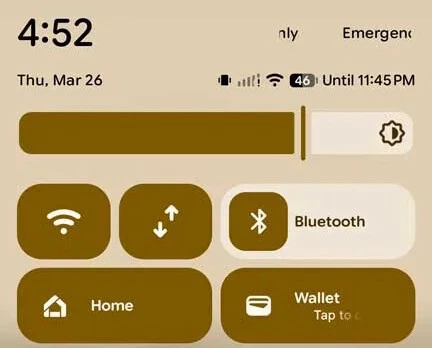
While major architectural changes and performance boosts capture headlines, Google has also paid attention to smaller, yet impactful, user interface and experience improvements in Android 17. One such quality-of-life enhancement, long requested by the Android community, is the separation of Wi-Fi and mobile data toggles within the quick settings panel. In previous Android iterations, these two crucial connectivity options were often grouped, requiring an extra tap or swipe to access individual controls. Android 17 rectifies this, providing direct and independent access to Wi-Fi and mobile data toggles, streamlining the user experience for managing connectivity on the fly. This change mirrors a similar adjustment Google made in Android 16, where it addressed user feedback regarding the combined Wi-Fi and Bluetooth button, demonstrating an ongoing commitment to refining core UI elements based on user needs.
Beyond these functional tweaks, the broader design language of Android 17 is expected to continue evolving, incorporating more modern aesthetics. While specific details remain under wraps, elements such as refined blur effects and more dynamic theming options, often seen in early developer previews, suggest a continued push towards a visually sophisticated and customizable interface. These subtle yet significant design choices aim to enhance visual appeal and improve overall usability, ensuring Android remains at the forefront of contemporary mobile design.
The Sideloading Conundrum: Security vs. Openness
Amidst the wave of innovation, Android 17 also brings forth a contentious policy change that has sparked considerable debate within the tech community: the ‘Advanced Flow’ protocol for application sideloading. This new measure, which Google intends to implement around September—coinciding with Android 17’s stable release—will introduce an obligatory 24-hour waiting period for users attempting to install applications (APKs) from unverified developers.
Google’s rationale behind ‘Advanced Flow’ is firmly rooted in security. The company asserts that this protocol is designed to enhance user protection by mitigating the risks associated with malware, phishing, and other security threats often propagated through sideloaded applications. By imposing a delay, Google aims to provide a window for its security systems to conduct more thorough scans of unverified APKs and, potentially, for users to reconsider installing software from unknown sources. This move aligns with Google’s broader efforts to create a safer digital environment and protect its vast user base from malicious actors.
However, the ‘Advanced Flow’ protocol has been met with significant apprehension from proponents of digital freedom, independent developers, and power users. Critics argue that this policy fundamentally undermines Android’s long-standing commitment to openness and user choice, a core differentiator that historically set it apart from more restrictive ecosystems like iOS. For years, the ability to freely install APKs from any source has been a cornerstone of Android’s appeal, empowering users to access applications not available on the Google Play Store, experiment with alternative app ecosystems, or install custom versions of software.
The 24-hour waiting period is viewed by many as an unnecessary hindrance, particularly for developers testing their own applications, users in regions where Google Play services are restricted, or individuals who rely on niche applications from trusted, albeit unverified, sources. Concerns have been raised that Google is leveraging security as a pretext to exert greater control over its ecosystem, potentially stifling innovation and limiting user autonomy. This debate highlights the ongoing tension between platform security and user freedom, a discussion that has significant implications for the future of application distribution on Android.
Broader Implications and Market Impact
Android 17’s comprehensive overhaul is poised to have profound implications across the tech industry. The ‘Aluminium OS’ project, in particular, could redefine how users interact with their digital devices, fostering a more continuous and integrated computing experience. This move could also intensify competition with other operating systems, as Google aims to offer a more compelling multi-device ecosystem.
The emphasis on AI-driven performance enhancements, like AutoFDO, reflects a growing trend where artificial intelligence is no longer just a feature but an integral part of the operating system’s core functionality. This continuous optimization promises to extend the usable lifespan of devices and improve the perceived value of Android hardware, even in the face of increasingly demanding applications.
From a developer perspective, the convergence could unlock new opportunities for cross-platform development, while the sideloading restrictions could necessitate a re-evaluation of distribution strategies for independent creators. The industry will be watching closely to see how developers adapt to these changes and how users react to the balance struck between security and openness.
Anticipating Google I/O 2026: The "Android Show"
All eyes will be on Google I/O 2026, tentatively expected around May 12th, where the full scope of Android 17’s innovations will be unveiled. Google’s declaration that this is "one of the most important years for Android" sets a high bar for the announcements. Beyond the confirmed features, industry experts anticipate further revelations in areas such as advanced AI capabilities, enhanced privacy controls, deeper integration with Wear OS, and new functionalities for Android Auto. There’s also speculation about potential new Pixel hardware designed to showcase Android 17’s capabilities, particularly its cross-device features.
The forthcoming "The Android Show" is expected to be more than just a product launch; it is anticipated to be a strategic declaration of Google’s long-term vision for its flagship operating system. Android 17 represents a pivotal moment, signaling Google’s intent to push the boundaries of mobile computing, consolidate its diverse software offerings, and navigate the complex interplay between innovation, security, and user autonomy. The coming months will reveal whether Android 17 lives up to its ambitious promise of changing the paradigm of our digital devices, setting the stage for the next era of connected experiences.
