
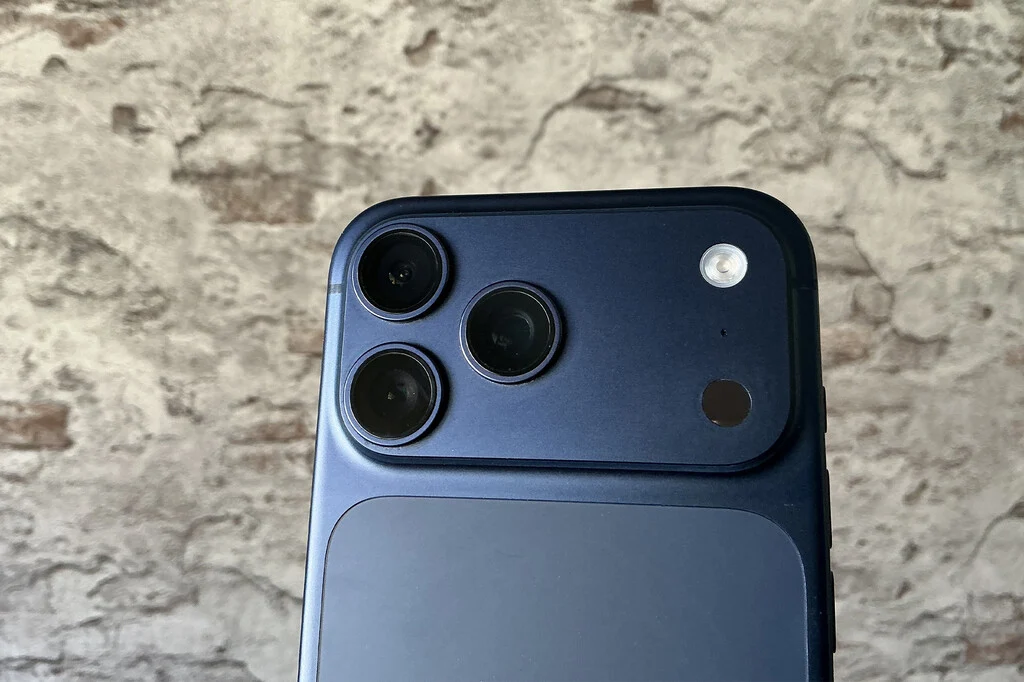

The launch of the iPhone 18 Pro series has officially introduced a long-anticipated hardware evolution to the Apple ecosystem: the variable aperture camera system. While this integration represents a significant shift in Apple’s photographic architecture, the rollout has sparked a wider industry debate regarding software limitations and the segmentation of features across previous hardware cycles. By introducing a physical mechanism that adjusts the lens diaphragm, Apple aims to offer users greater control over depth of field, light intake, and artistic optical effects, yet the implementation remains a subject of scrutiny due to its restrictive software interface and the exclusion of legacy devices from parallel updates.
The Mechanics of Variable Aperture
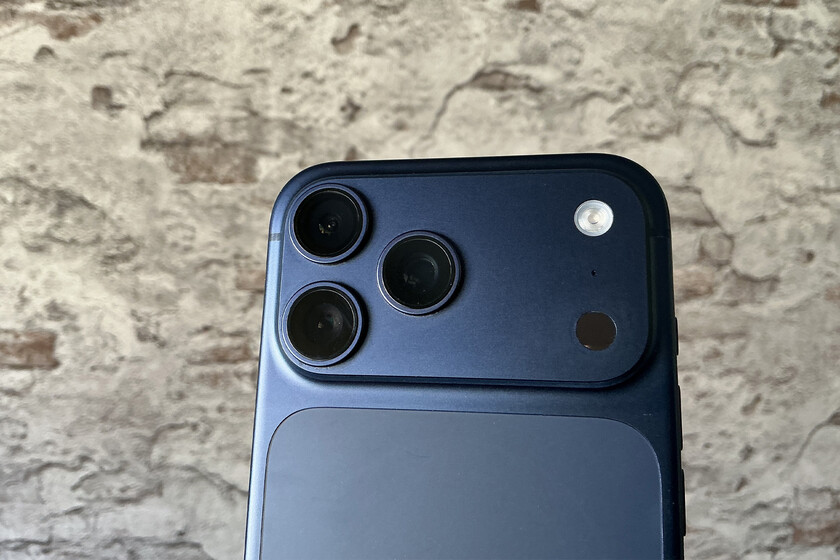
At the core of the new iPhone 18 Pro camera system is a mechanical aperture capable of toggling between four distinct f-stops: f/1.48, f/1.8, f/2.8, and f/4.0. Unlike traditional smartphone cameras that rely on a fixed aperture—relying on computational photography to simulate depth-of-field effects—the physical movement of the diaphragm allows for genuine optical manipulation.
In low-light environments, the widest setting of f/1.48 maximizes photon collection, reducing the need for high-ISO amplification that often introduces digital noise. Conversely, when shooting in bright conditions or when the photographer desires a wider depth of field, the aperture can be stopped down to f/4.0. This allows for the creation of natural sun-star diffraction patterns, a common artistic goal in architectural and landscape photography that has historically been difficult to achieve on mobile devices without aftermarket filters or software emulation.
Chronology and Market Context
The integration of variable apertures in smartphones is not an entirely new concept; manufacturers such as Samsung experimented with this technology as early as 2018 with the Galaxy S9 series, which featured a dual-aperture lens (f/1.5 and f/2.4). However, Apple’s entry into this space with the iPhone 18 Pro signals a shift in the company’s hardware philosophy.
Over the past decade, Apple has prioritized computational processing—specifically the Photonic Engine and Deep Fusion—over mechanical lens complexity. The decision to pivot toward a hybrid approach suggests that the company has reached the limits of what software-only processing can achieve in terms of optical fidelity. The announcement of the iPhone 18 Pro coincides with a broader strategy by Apple to refresh its camera array, a move that follows two years of relatively incremental updates to the iPhone 17 and 17 Pro lines.
Software Limitations and the "Pro" Designation
Despite the sophisticated hardware, the accompanying native camera software has received a mixed reception. While Apple has finally introduced manual controls for shutter speed and white balance within the stock camera app, the interface is notably simplified. Unlike "Pro" modes found in Android-based devices, which often provide granular control over ISO, focus peaking, and raw histogram data, Apple’s implementation remains largely automated.
The absence of manual ISO control is perhaps the most glaring omission for professional photographers. By omitting this third pillar of the exposure triangle, Apple maintains a "point-and-shoot" user experience, potentially alienating power users who require precise control over sensor gain. Furthermore, the selection mechanism—a series of static points rather than a fluid, tactile wheel—suggests that Apple is prioritizing a clean, minimalist user interface over the functional density expected by professional videographers and photographers.

The Debate Over Artificial Segmentation
The most contentious aspect of the iPhone 18 Pro release is the software restriction imposed on previous models. Many features introduced in the latest iOS iterations are technically compatible with the A18 and A17 Pro chips found in the iPhone 17 and 17 Pro Max. Third-party developers have long offered apps that provide manual shutter speed, white balance, and even ISO adjustments on older devices, proving that the hardware is capable of executing these tasks.
Industry analysts note that Apple’s strategy of gatekeeping software features behind the latest hardware release is a well-established tactic to incentivize annual or biennial upgrades. By restricting advanced manual controls to the iPhone 18 Pro, Apple effectively creates an artificial barrier between current and previous generations. For consumers who purchased an iPhone 17 Pro Max—a device marketed as a professional-grade tool—the realization that it may not receive native software updates for manual camera control has led to increased criticism regarding the longevity of the "Pro" branding.
Technical Data and Performance Metrics
The shift toward a variable aperture is not merely a marketing feature; it has tangible implications for image quality. Laboratory tests indicate that stopping down to f/4.0 on the new sensor significantly reduces chromatic aberration and lens flare, particularly at the edges of the frame. This physical improvement allows the sensor to capture sharper images with higher micro-contrast compared to the f/1.78 fixed-aperture lenses of the iPhone 17 Pro.
However, the lack of a continuous, variable-range aperture (as opposed to the four discrete stops) limits the photographer’s ability to precisely match exposure settings to specific lighting conditions. This is where the lack of an ISO adjustment becomes more problematic; without the ability to balance the aperture with the sensor’s sensitivity, the user is forced to rely on Apple’s image signal processor (ISP) to fill the gaps, which may result in inconsistent output for those seeking total manual control.

Future Implications: The iOS 27 Update
As the tech community awaits the rollout of iOS 27 on September 14, the focus has shifted to whether Apple will provide an "olive branch" to users of older devices. If Apple elects to release a software update that unlocks manual controls for the iPhone 17 series, it would signal a departure from its historical trend of restrictive feature gating. If, however, these tools remain exclusive to the 18 Pro, it will confirm a long-term shift in the company’s monetization model, where software capabilities are used as premium features rather than standard OS improvements.
The broader implications for the smartphone market are clear: the camera is no longer just a lens and a sensor; it is a complex intersection of glass, silicon, and machine learning. As Apple continues to push the boundaries of what its mobile devices can achieve, the tension between hardware capability and software accessibility will likely remain a focal point of future product launches. For now, the iPhone 18 Pro serves as a testament to Apple’s commitment to optical innovation, while its software limitations continue to serve as a reminder of the company’s tightly controlled ecosystem management.
Economic and Strategic Outlook
From a market perspective, the move to include a variable aperture is likely a reaction to increasing pressure from competitors who have already adopted more flexible hardware configurations. With the smartphone market reaching a plateau in terms of raw processing power, manufacturers are increasingly turning to photography as the primary differentiator.
Apple’s decision to limit these features may be a calculated risk. While it may frustrate long-term users, it provides a compelling value proposition for potential switchers and those holding onto devices from the iPhone 14 or 15 eras. The "Pro" moniker, therefore, functions as both a technical description and a tiered marketing strategy designed to ensure that the latest device always offers a distinct advantage over the previous iteration.

As the industry prepares for the next generation of mobile imaging, the debate over "software-defined hardware" will only intensify. Whether through future updates or the inevitable release of the iPhone 19, the trajectory suggests that as hardware becomes more capable, the software layer will become the primary battleground for user loyalty and market dominance. The upcoming release of iOS 27 will serve as a crucial benchmark in determining how much control Apple is willing to yield to its user base in the years to come.
