


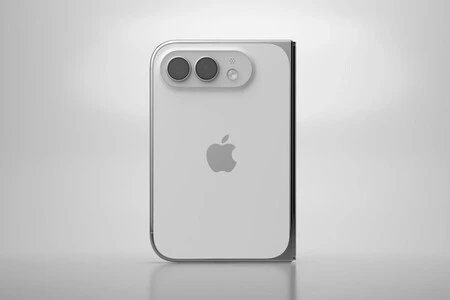
September traditionally marks a pivotal moment for Apple, a month eagerly anticipated by technology enthusiasts worldwide, and this year’s keynote is shaping up to be a historic occasion for the Cupertino giant. While speculation about future leadership dynamics occasionally surfaces, the primary focus remains steadfastly on the unveiling of what is being heralded as one of the most significant product launches in years: the foldable iPhone. This device represents a bold new chapter for Apple, promising to redefine its flagship smartphone offering and potentially reshape the burgeoning foldable market. However, the path to market for this groundbreaking device appears fraught with significant logistical challenges, supply chain complexities, and a pricing strategy that will undoubtedly place it at the apex of the premium segment.
The Anticipated Unveiling: A New Era for Apple Hardware
The buzz surrounding Apple’s September event is palpable, fueled by persistent rumors and subtle cues observed within its software ecosystem. Features like dynamic aspect ratio adaptation in iPhone Mirroring and the introduction of resizable windows in iOS have been interpreted by many as clear indicators of an impending foldable device. These software adjustments suggest that Apple has been meticulously preparing its operating system for the unique form factor a foldable phone presents, ensuring a seamless user experience from day one.
While the keynote itself is expected to showcase this innovative hardware, alongside other potential announcements, its immediate availability to consumers is far from guaranteed. Renowned industry analyst Ming-Chi Kuo, known for his accurate insights into Apple’s supply chain, has shed light on the intricate logistical landscape facing the company. In his latest report published on X, Kuo outlines a complex scenario that points to significant production bottlenecks, which could lead to a staggered release and constrained initial supply.
Production Hurdles: The Innovation Tax on Foldable Technology
The distinctive characteristics of the foldable form factor are proving to be the primary impediments to a smooth, high-volume launch. Apple, historically a company that prioritizes perfection and robust engineering, is navigating uncharted waters with this new design. The challenges are reminiscent of those faced during the production of the iPhone X, which broke new ground by integrating the first bezel-less OLED panel, presenting unprecedented manufacturing complexities. For the foldable iPhone, the burden of innovation rests squarely on two critical components: the sophisticated hinge mechanism and the flexible display panel.
Developing a durable, reliable hinge that can withstand tens of thousands of folds while maintaining a sleek profile is an engineering marvel. Equally challenging is the production of a flexible OLED panel that meets Apple’s stringent quality standards, offering vibrant colors, deep blacks, and excellent durability without exhibiting the creasing or fragility issues that have plagued some early foldable devices from competitors. These technical demands inherently slow down the manufacturing process and increase the likelihood of production delays.
While earlier rumors suggesting a potential delay until 2027 were largely debunked by other sources, it is now widely believed that these production frictions will indeed restrict the volume of manufacturing in the initial phases. Previous estimates had suggested an optimistic initial order of approximately 10 million units. However, Kuo’s recent surveys of assembly plants paint a more conservative picture, placing the projected shipments at a more modest seven to eight million units. Crucially, of this revised figure, a mere one million units, at most, are anticipated to be ready for shipment by the third quarter of this year. This stark disparity between initial projections and actual manufacturing capacity underscores the scale of the production challenge.

Strategic Alliances: Samsung as a Key Partner
To navigate these formidable bottlenecks, Apple has reportedly forged an exclusive agreement with a familiar and formidable partner: Samsung. The South Korean technology giant, a pioneer in the foldable smartphone market, has extensive experience in manufacturing flexible OLED displays and sophisticated hinge components. Samsung Display, a subsidiary of Samsung Electronics, has reportedly met Apple’s notoriously strict quality and performance standards, a testament to its advanced manufacturing capabilities.
Sources indicate that Samsung has already activated its production lines at its plant in Vietnam, preparing to deliver an initial batch of three million OLED panels specifically for the foldable iPhone. This collaboration highlights a fascinating dynamic in the tech industry: two fierce rivals collaborating on a critical component for a flagship product. For Apple, leveraging Samsung’s expertise is a pragmatic move to accelerate its entry into the foldable market. For Samsung, it solidifies its position as a leading display manufacturer and potentially benefits from Apple’s large-scale orders, even if it means aiding a competitor.
Premium Pricing and Market Dynamics
The advent of the foldable iPhone is set to introduce consumers to a new tier of premium pricing within Apple’s ecosystem. Kuo’s analysis suggests an estimated starting price between $2,300 and $2,500. This elevated price point is not merely a reflection of the device’s innovative form factor; it is also a strategic decision by Apple to maximize revenue during a period characterized by global supply chain pressures, particularly the ongoing crisis in memory components. By positioning the foldable iPhone at such a high price, Apple aims to capture significant profits from early adopters and enthusiasts willing to pay a premium for cutting-edge technology.
The question then arises: will such a high price deter a substantial portion of potential buyers? While a price point exceeding $2,000 is undoubtedly steep, Kuo’s consultations with telecommunication operators and retail channels anticipate a demand that will far outstrip the limited initial supply. This suggests that despite the premium cost, the allure of an Apple-designed foldable device is strong enough to generate immense consumer interest.
The Scramble for Limited Units: A Breeding Ground for Speculation
The imbalance between high demand and severely constrained supply is expected to create a highly competitive purchasing environment. Kuo predicts that the few available units will sell out within minutes of pre-orders opening, a phenomenon not uncommon for highly anticipated Apple products. This rapid sell-out is likely to lead to extended delivery times, with customers potentially facing waits of four to six weeks or even longer.
Such conditions, unfortunately, lay fertile ground for market speculation and scalping. Kuo warns that it would not be surprising to see the foldable iPhone appear on the secondary market at prices significantly above its official retail value, potentially commanding a premium of 50% to 100%. This scenario would not only frustrate legitimate buyers but also pose challenges for Apple in managing its brand perception and ensuring fair access to its products.
Broader Implications and Long-Term Outlook
Apple’s entry into the foldable smartphone market carries significant implications for the broader tech industry. While Samsung has largely dominated this niche, Apple’s participation could legitimize the form factor in the eyes of mainstream consumers and accelerate its adoption. However, the initial launch will be a critical test.
Kuo concludes that an accurate assessment of the sustainable demand for the foldable form factor, particularly within the Apple ecosystem, will not be possible until the first quarter of the next year, when supply chains are expected to stabilize. Only then can the true market appetite for this innovative device be measured, free from the distortions caused by artificial scarcity and speculative pricing.
The success of the foldable iPhone will hinge on several factors: its ability to offer a truly compelling user experience that justifies its premium price, Apple’s capacity to eventually scale production to meet demand, and the device’s long-term durability and reliability. Should Apple succeed, it could catalyze a significant shift in the smartphone landscape, pushing competitors to innovate further and solidifying the foldable phone’s place as a mainstream category. Conversely, if the initial launch is plagued by persistent supply issues or unexpected design flaws, it could temper consumer enthusiasm and delay broader adoption of foldable technology.
This September, the world will be watching closely as Apple attempts to once again push the boundaries of smartphone innovation, balancing cutting-edge technology with the formidable challenges of bringing such a complex device to market. The foldable iPhone is more than just a new product; it’s a statement about the future direction of personal technology and a testament to Apple’s enduring ambition.
Image destacada | Composición con imágenes de DigiTimes y Render de Appledata.
En Xataka Móvil | Nuevos iPhone 18 Pro y iPhone 18 Pro Max: todo lo que creemos saber sobre ellos.
