

The coastal municipality of Ayamonte, located in the province of Huelva, Spain, has successfully pioneered a digital bridge between its citizenry and municipal maintenance departments. Since its adoption in 2016, the service known as Linea Verde has processed over 27,272 resolved incidents, fundamentally altering how residents report urban decay and how the local administration prioritizes its maintenance operations. This transition from traditional, often opaque reporting methods to a streamlined, mobile-first ecosystem represents a significant case study in modern e-government initiatives.
A Decade of Digital Evolution in Urban Maintenance
The integration of mobile technology into municipal management was not an overnight success but a decade-long iterative process. When Ayamonte first launched Linea Verde in 2016, the primary goal was to decentralize the intake of public complaints. Previously, residents were forced to navigate complex administrative bureaucracies, often needing to identify which specific department—be it infrastructure, environment, or sanitation—was responsible for a given issue.
By 2024, the platform has matured into a robust, two-way communication channel. The system’s longevity suggests that the technology has moved past the novelty phase and into a critical infrastructure role. Throughout this period, the municipality has refined its internal workflows to ensure that the digital notification from a smartphone translates into a physical work order for city maintenance crews. This systematic approach ensures that an incident is not merely recorded, but tracked from its initial report to its final resolution.
The Mechanics of the Citizen-Administration Interface
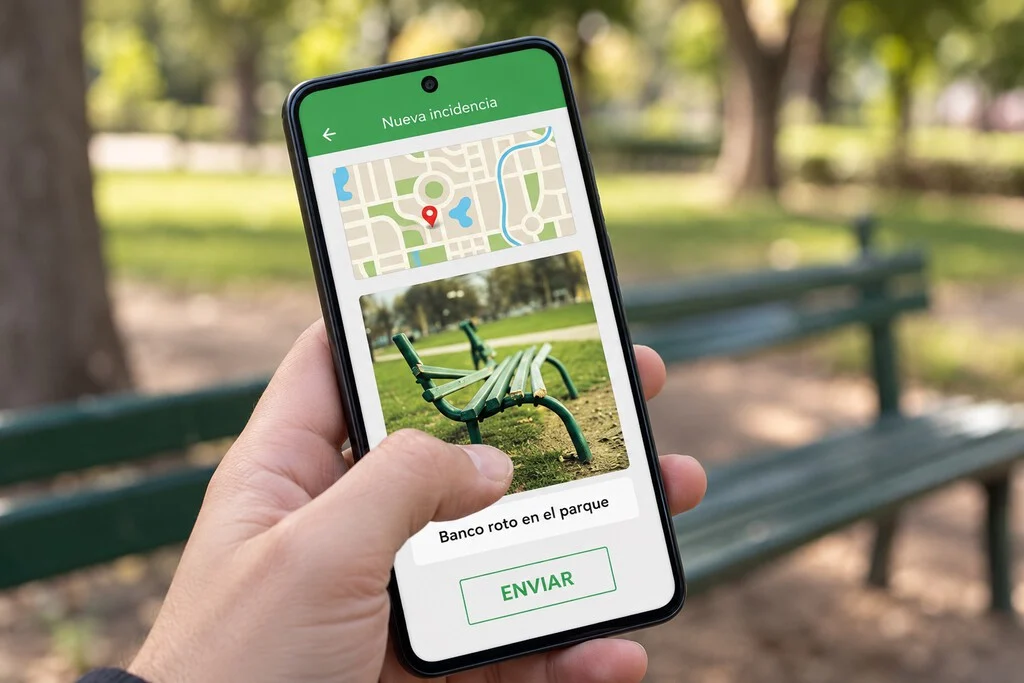
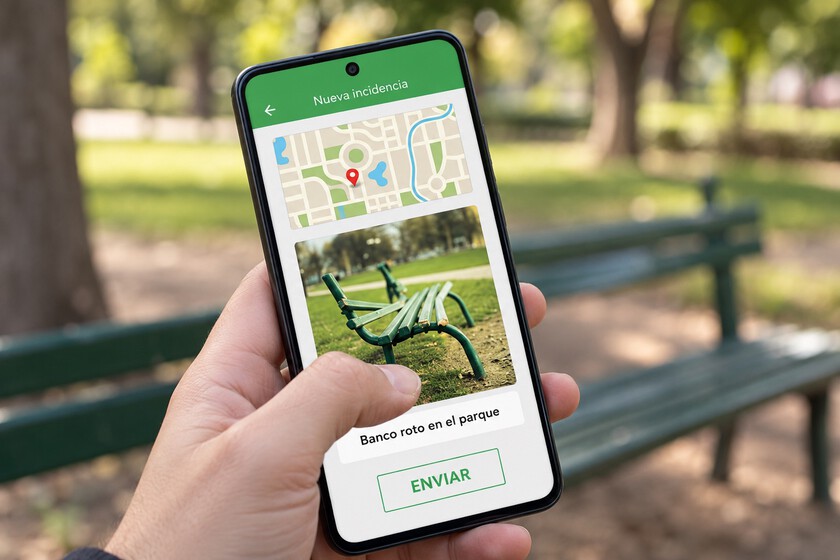
At the core of the service is a simplified, three-step input process designed to minimize friction for the user. When a citizen identifies a problem, they utilize the mobile application—available for both iOS and Android—to capture a photograph, select a pre-defined category, and add a brief observational note.
Crucially, the application leverages GPS coordinates automatically embedded in the image metadata. This solves one of the most persistent problems in municipal management: the ambiguity of reported locations. By providing an exact geolocated point, the system enables field crews to locate broken streetlights, potholes, or damaged urban furniture with precision, significantly reducing the time spent on "site discovery."
Once the data is uploaded, the information is funneled directly into the relevant municipal department. As the status of the request changes—from "received" to "in progress" and finally "resolved"—the user receives automated updates on their mobile device. This transparency is the cornerstone of the system’s success, as it provides the taxpayer with tangible evidence of administrative efficacy.
Statistical Breakdown: The Anatomy of Municipal Issues
Data provided by the Ayamonte City Council offers a revealing look at the most common pain points for the municipality. The breakdown of the 27,272 resolved incidents highlights that urban cleanliness remains the primary concern for residents, accounting for 19% of all reports. This figure underscores the high visibility of sanitation issues in a tourist-heavy municipality where public perception of cleanliness directly impacts the quality of life and local tourism.
Other critical areas of intervention include:
- Public Lighting: 11% of total incidents.
- Sidewalk and Pavement Maintenance: 9% of total incidents.
- Signage and Traffic Infrastructure: 8% of total incidents.
- Parks and Gardens Management: 8% of total incidents.
- Urban Furniture (benches, bins, railings): 6% of total incidents.
- Waste Collection and Container Management: 5% of total incidents.
These percentages illustrate that the majority of issues are geographically dispersed and prone to wear and tear. Relying solely on scheduled inspections would leave the administration perpetually behind the curve. By crowdsourcing these reports, the city has effectively multiplied its eyes and ears, allowing for a more reactive and agile maintenance schedule.
Beyond Infrastructure: Environmental and Consultative Roles
Ayamonte has also expanded the scope of Linea Verde beyond basic repairs. The service includes a dedicated environmental consulting portal where residents can ask questions regarding recycling protocols, local biodiversity, or waste management regulations. The administration guarantees a response from a specialized team within a 24-hour window, further bridging the gap between scientific policy and public knowledge. This service functions via the app, the dedicated website, or a direct telephone line, ensuring that elderly or less tech-savvy populations are not excluded from the digital transition.
The Critical Gap: Software vs. Execution
The success of a digital platform in municipal management is inherently dependent on the administrative machine behind it. An application is merely a conduit; if the local government lacks the resources, personnel, or management procedures to act on the data, the software becomes a source of frustration rather than a solution.
A cautionary example frequently cited in municipal tech circles is the case of Algeciras. In that instance, the implementation of a similar reporting app faced significant criticism after a resident reported hazardous pavement tiles, only to wait four months for a response that consisted merely of placing temporary traffic cones. This disparity between the speed of reporting and the speed of resolution highlights that the software is only as effective as the department’s ability to allocate resources.
Ayamonte’s leadership has emphasized that the 27,272 figure represents "resolved" cases, not just "received" notifications. This distinction is vital. It implies that the city has established a closed-loop system where each notification triggers an assessment and a subsequent allocation of human and material resources. While independent audits are always preferred, the city’s ability to sustain this level of throughput over nearly a decade suggests a high level of operational maturity.
The Broader Implications for Spanish Municipalities
The shift toward mobile-based municipal governance is part of a larger trend in Spanish administration, exemplified by projects like "Mi Carpeta Ciudadana," which aims to consolidate all citizen-administration interactions into a single digital identity. However, while national platforms focus on documentation and tax filings, services like Linea Verde address the immediate, physical environment of the citizen.
The implications of this model are three-fold:
- Administrative Efficiency: The automation of incident intake allows administrative staff to focus on logistics rather than data entry.
- Public Trust: The transparency provided by the "resolved" status of an incident acts as a confidence-building measure between the local government and the voter.
- Data-Driven Planning: The aggregation of incident data over years allows city planners to identify chronic problem areas—such as a specific street where streetlights fail repeatedly—leading to more informed investment decisions and infrastructure replacements.
Conclusion: The Future of Urban Management
As municipalities continue to grapple with aging infrastructure and limited budgets, the move toward digital reporting tools like Linea Verde is no longer an optional innovation but a functional necessity. Ayamonte has demonstrated that when such systems are paired with clear administrative accountability, they can transform the quality of public space.
The challenge for the next decade will be integrating this data with broader smart-city technologies. For instance, connecting these incident reports with predictive maintenance sensors could allow the city to preemptively repair infrastructure before a citizen even needs to pull out their phone. For now, however, the success in Ayamonte stands as a testament to the fact that when technology is designed to solve a clear, everyday problem, citizens are willing to participate in the maintenance of their own communities. The 27,000 resolved issues are not just data points; they are indicators of a municipality that has successfully optimized its response to the needs of its people, proving that the future of local government is as much about digital connectivity as it is about physical infrastructure.
