
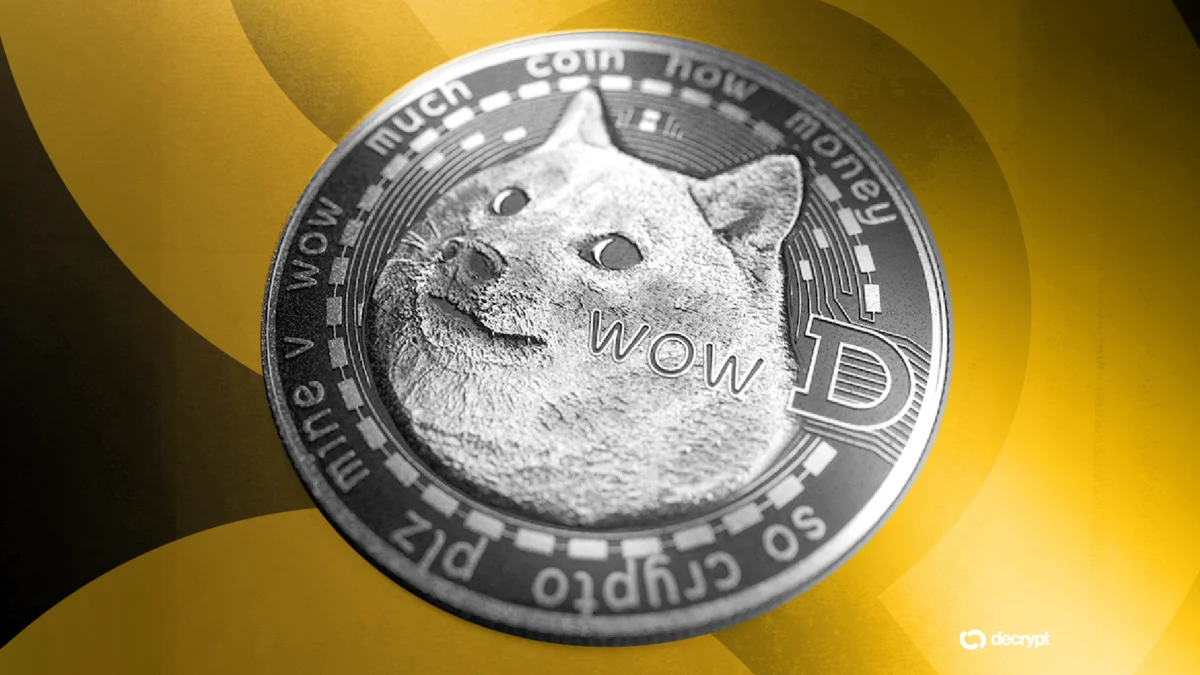

In a significant consolidation move, major crypto asset manager Bitwise has announced that it will shutter its Dogecoin exchange-traded fund (ETF), known by the ticker BWOW, marking the end of a short-lived experiment in offering institutional-grade exposure to the world’s most prominent meme coin. The firm confirmed on Thursday that the fund, which listed on the NYSE Arca less than a year ago, will cease operations as part of an ongoing effort to "optimize its product range to meet evolving investor needs." The liquidation process will conclude on October 14, 2026, which is expected to be the final day of trading for the fund.
This decision serves as a sobering reminder of the volatile nature of the cryptocurrency ETF market, where the initial fervor surrounding altcoin-based financial products often collides with the harsh reality of low liquidity and insufficient assets under management (AUM). At the time of the announcement, the BWOW fund held approximately $722,000 in assets—a negligible sum by traditional financial standards and even by the standards of the broader digital asset ETF sector.
A Chronology of the BWOW Lifecycle
The trajectory of the Bitwise Dogecoin ETF was characterized by high expectations followed by a steady decline in market relevance. The groundwork for the product was laid in January 2025, when Bitwise registered a dedicated Delaware entity specifically for the purpose of a Dogecoin-linked investment vehicle. Throughout the spring and summer of 2025, the firm navigated the complex regulatory landscape, eventually removing a key delaying amendment from its SEC registration statement in November. This technical maneuver effectively greenlit the product, allowing it to begin trading on November 26, 2025.
At its inception, the launch was touted as a victory for the "Doge Army," a massive, decentralized community of retail investors. Bitwise CEO Hunter Horsley was vocal about the initiative, stating at the time that the firm was responding to the specific demands of millions of DOGE holders who sought the convenience and regulatory security of an exchange-traded product (ETP) format within their traditional brokerage accounts.
However, the enthusiasm that accompanied the November 2025 launch did not translate into long-term capital inflows. By the third quarter of 2026, it became clear that the product was failing to attract the institutional interest required to sustain the operational costs of maintaining an ETF. The final chapter for BWOW began with the formal liquidation announcement, which dictates that remaining shareholders will automatically receive the net asset value (NAV) of their shares in cash by October 22, 2026, without requiring any proactive input from the investors themselves.
Market Context and Institutional Ambition
The launch of the Bitwise Dogecoin ETF occurred during a historic "altcoin gold rush" among financial institutions. Following the successful SEC approval of Bitcoin and Ethereum ETFs, asset managers began aggressively expanding their portfolios to include tokens with significant market capitalization but lower historical institutional adoption. This period saw a flurry of filings and launches, with firms like Grayscale also introducing their own versions of Dogecoin and XRP ETFs in late 2025.
For asset managers, the logic was clear: provide a regulated "on-ramp" for investors who wanted to capture the price movements of popular assets without the technical burden of private keys, cold storage, or decentralized exchange interfaces. However, the performance of these products has been mixed. While Bitcoin ETFs have seen massive, multi-billion dollar inflows, smaller-cap assets like Dogecoin have struggled to maintain the necessary liquidity to keep spreads tight and trading volumes attractive for institutional market makers.
The current state of the BWOW fund, which holds roughly 8.2 million DOGE valued at approximately $688,000, highlights a fundamental disconnect between the social media popularity of a token and its viability as a long-term financial product. When an ETF’s overhead costs, including legal, compliance, and exchange listing fees, outweigh the management fees generated by a $700,000 asset base, the product becomes economically unsustainable.
Financial Implications and Shareholder Procedures
Bitwise has been careful to emphasize that the liquidation is a standard administrative procedure designed to protect the interests of remaining shareholders. According to the firm’s official communication, shareholders do not need to take any action. The fund is currently in the process of liquidating its underlying assets—the 8.2 million DOGE—and converting those holdings into cash.
The final payout to investors will be based on the net asset value of the fund as of October 21, 2026. This process ensures that investors are not left holding shares in a defunct vehicle, but rather receive a cash distribution reflecting the final market value of the fund’s underlying holdings. This is a critical distinction from other forms of crypto investment failures, such as exchange insolvencies, where assets are often tied up in lengthy bankruptcy proceedings.
The Broader Impact on the Crypto ETF Landscape
The failure of the Bitwise Dogecoin ETF provides a case study in the maturation of the digital asset industry. The "early days" of crypto ETFs were defined by a "launch first, evaluate later" strategy, as firms competed to capture market share in a burgeoning sector. However, the closure of BWOW suggests that the industry is entering a phase of rationalization.
Market analysts point to several factors that likely influenced the decision:
- Liquidity Fragmentation: With multiple firms launching competing products for the same altcoin, liquidity was split across several small ETFs, making them unattractive to institutional traders who require high volume to execute large trades without significant slippage.
- Investor Sophistication: The primary demographic for Dogecoin has historically been retail-oriented and tech-savvy. Many of these individuals prefer to trade directly on crypto-native exchanges rather than through a brokerage-based ETF, which often comes with higher expense ratios and limited trading hours.
- Regulatory Hurdles: The ongoing maintenance of an ETF requires rigorous compliance and reporting. If the revenue generated from AUM does not justify the regulatory burden, firms will inevitably prune their offerings.
The broader implications for the crypto industry are significant. While the failure of one small fund does not signal the death of altcoin ETFs, it does serve as a reality check for issuers. We are likely to see a trend toward "product rationalization," where asset managers consolidate their offerings to focus on assets with higher institutional demand and more stable trading patterns.
Future Outlook for Asset Managers
Despite the closure of the Dogecoin ETF, Bitwise remains a major player in the space. The firm’s decision to move on from BWOW should be interpreted as a tactical retreat rather than a loss of faith in the crypto market. In the world of high finance, product lifecycles are dictated by performance metrics; when a product fails to scale, the most responsible fiduciary action is to return capital to investors and redirect resources toward more viable projects.
As the financial industry looks toward the remainder of 2026 and into 2027, the focus is likely to shift from "quantity of products" to "quality of products." Investors can expect more scrutiny of future ETF filings, with regulators and issuers alike paying closer attention to the depth of the market for the underlying assets.
For those who held positions in BWOW, the liquidation marks the end of a specific, perhaps experimental, chapter in their investment journey. As the market continues to evolve, the lessons learned from the rise and fall of the Bitwise Dogecoin ETF will undoubtedly influence how future digital assets are packaged, marketed, and managed for the mainstream public. The era of unchecked experimentation in crypto financial products is cooling, replaced by a more disciplined, data-driven approach that prioritizes long-term sustainability over the speculative excitement of the initial launch phase.
