

The landscape of the smart home is at a pivotal moment, marked by significant leadership changes at Amazon and the upcoming tenth anniversary of its flagship voice assistant, Alexa, and the Echo devices. The departure of David Limp, Amazon’s head of devices, signals a broader executive exodus within the company over the past year, prompting a reevaluation of the trajectory and impact of Amazon’s smart home ecosystem. As Alexa and Echo approach a decade in the market, industry observers are assessing what has truly materialized in the smart home vision, what has fallen short, and what the future holds for interconnected living.
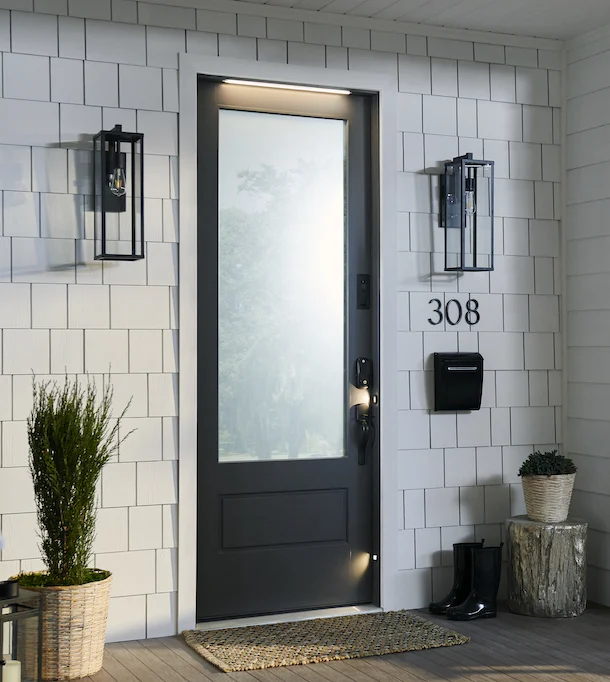
This period of introspection is amplified by recent product introductions and analyses that highlight both the burgeoning innovation and persistent challenges in the smart home sector. For instance, a detailed review of the Mill composting system, a product from Nest co-founder Matt Rodgers, illustrates the complex integration and user experience hurdles that can accompany sophisticated smart appliances. Simultaneously, the launch of an exceptionally high-priced smart door by Masonite at Home Depot underscores the ongoing struggle to balance advanced functionality with consumer accessibility and market demand.
Amidst these developments, regulatory bodies are taking steps to address critical concerns. The Federal Communications Commission (FCC) has initiated a Notice of Proposed Rulemaking for an Internet of Things (IoT) cybersecurity labeling program. This initiative aims to provide consumers with clearer information regarding the security of their smart devices, a move that could significantly influence consumer trust and purchasing decisions. The public comment period for this proposal, lasting 30 days, presents an opportunity for stakeholders to shape the future of smart device security standards.
Furthermore, recent security research has uncovered vulnerabilities with potentially far-reaching consequences. Microsoft’s identification of a new set of vulnerabilities that could be exploited to disrupt critical infrastructure, such as power plants, serves as a stark reminder of the cybersecurity risks inherent in an increasingly connected world. These discoveries underscore the urgent need for robust security protocols across all connected devices, from personal smart speakers to industrial control systems.
In the realm of connectivity and interoperability, the smart home ecosystem is also seeing shifts in the underlying technology. The emergence of a new company poised to become a secondary source for Z-Wave chips offers potential relief from supply chain constraints and could foster greater competition and innovation within the Z-Wave standard. This development is particularly relevant given the ongoing discussions about the future of various wireless protocols in the smart home, including the integration of Z-Wave with newer standards like Matter.
Adding to the discourse on smart home hubs and control, a comprehensive review of the Homey Pro smart home hub provides insights into devices that prioritize local control. While such hubs often come with a premium price tag, they offer a compelling alternative for users concerned about data privacy and reliance on cloud-based services. This review highlights the diverse approaches being taken to empower consumers with greater control over their connected environments.
Finally, the practical application of smart home technology is addressed through listener questions, such as guidance on selecting the appropriate light bulb for a woodworking project, demonstrating the continued engagement with and evolving needs of smart home users.
Leadership Transitions and the Echo of Alexa’s Legacy
The impending retirement of David Limp, Amazon’s senior vice president of devices and services, marks the end of an era for the company’s smart home division. Limp has been a central figure in the development and expansion of Amazon’s device portfolio, including the groundbreaking Alexa voice assistant and the ubiquitous Echo smart speakers. His departure, part of a larger trend of executive turnover at Amazon in the past year, raises questions about the future strategic direction of the company’s consumer electronics and smart home initiatives.
Since its introduction in 2014, Alexa has become deeply embedded in millions of households, transforming how people interact with technology. The Echo devices, serving as the primary interface for Alexa, have evolved from simple smart speakers to sophisticated hubs capable of controlling a vast array of connected devices. However, as the platform matures, a critical assessment of its long-term impact and standalone viability is warranted. The question of whether Alexa and the broader smart home ecosystem can truly achieve widespread, independent success, beyond its integration within the larger Amazon retail and services ecosystem, remains a subject of ongoing debate.
Navigating the Complexities of the Modern Smart Home
The smart home market, while promising, is characterized by a fragmented landscape and a complex user experience. Recent product examples highlight the challenges and opportunities within this evolving sector.
The Mill Composting System: Innovation Meets User Friction
The review of the Mill kitchen composting system, a product developed by Nest co-founder Matt Rodgers, exemplifies the sophisticated innovation emerging in the smart home space. This appliance aims to simplify household waste management by automatically processing food scraps. However, such advanced functionalities often come with a learning curve and potential points of failure. The user experience, encompassing setup, ongoing operation, and maintenance, is paramount to the success of any smart home device. Products like the Mill, while technologically impressive, underscore the need for intuitive design and reliable performance to achieve broad consumer adoption. The integration of sensors, connectivity, and automated processes requires careful engineering to ensure a seamless user experience.
Masonite’s Smart Door: The Premium Price Barrier
The introduction of Masonite’s smart door at Home Depot presents another facet of the smart home market’s current state. While offering advanced security features and integrated technology, such as remote locking and access control, the product’s high price point ($2,500 and above) positions it as a luxury item rather than an accessible solution for the average consumer. This situation mirrors a broader trend where cutting-edge smart home technology often debuts at premium prices, limiting its reach. The success of smart home adoption hinges on the development of compelling value propositions that extend beyond early adopters and tech enthusiasts to a wider demographic. The challenge for manufacturers lies in driving down costs through economies of scale and technological advancements to make these innovations more mainstream.
Regulatory Advancements in Smart Device Security
In response to growing concerns about the security of connected devices, regulatory bodies are beginning to implement new frameworks. The FCC’s proposed cybersecurity labeling program for IoT devices represents a significant step toward enhancing consumer awareness and accountability.
The IoT Cybersecurity Labeling Program: A Push for Transparency
The FCC’s Notice of Proposed Rulemaking aims to establish a voluntary labeling program that would provide consumers with clear, concise information about the cybersecurity practices of smart devices. Such a label could indicate whether a device meets baseline security requirements, such as having unique default passwords, support for security updates, and clear disclosure of data handling practices.

The implications of such a program are far-reaching. For consumers, it offers a much-needed tool to make informed decisions in a market often characterized by opaque security measures. For manufacturers, it creates an incentive to prioritize security in their product development cycles. Companies that comply with the proposed standards could gain a competitive advantage by demonstrating their commitment to consumer safety and data protection.
The public comment period for this proposal is a crucial phase, allowing industry stakeholders, consumer advocacy groups, and individual citizens to provide feedback and shape the final regulations. The effectiveness of the program will largely depend on the clarity of the criteria, the rigor of the certification process, and the level of consumer understanding and trust it engenders.
Emerging Threats and the Need for Robust Security
The proliferation of connected devices has also expanded the attack surface for malicious actors. Recent cybersecurity research has highlighted the potential for significant disruptions to critical infrastructure through exploiting vulnerabilities in industrial control systems.
Microsoft’s Discovery: A Wake-Up Call for Industrial IoT
Microsoft’s recent identification of a new set of vulnerabilities affecting industrial equipment serves as a potent reminder of the interconnectedness of digital and physical security. These vulnerabilities, if exploited, could potentially lead to the shutdown of essential services, such as power grids. The discovery underscores the critical importance of securing not only consumer-facing smart devices but also the industrial control systems that underpin modern society.
The implications of such threats are profound. They highlight the need for a holistic approach to cybersecurity that spans all layers of connected technology, from the smallest sensor to the most complex industrial network. This includes robust patching strategies, secure coding practices, and continuous monitoring for suspicious activity. The convergence of IT and operational technology (OT) environments presents unique challenges that require specialized expertise and collaborative efforts between cybersecurity firms, technology providers, and critical infrastructure operators.
Advancements in Connectivity and Interoperability
The smart home ecosystem relies on a variety of wireless communication protocols. Recent developments in the Z-Wave standard and the ongoing evolution of interoperability standards like Matter are shaping the future of device communication.
Trident IoT: Bolstering the Z-Wave Ecosystem
The emergence of Trident IoT as a new company focused on the Z-Wave ecosystem, with founder and CTO Mariusz Malkowski at its helm, brings promising developments. Trident IoT plans to become a secondary source for Z-Wave chips, a move that could alleviate supply chain pressures and foster greater competition. This is particularly significant as the Z-Wave Alliance has been actively working to ensure the continued availability and evolution of the Z-Wave standard.
Malkowski’s insights into the future of Z-Wave, including the development of Z-Wave Long Range and planned security upgrades, indicate a commitment to enhancing the protocol’s capabilities. Furthermore, Trident IoT’s intention to integrate or build other smart home radio protocols into devices and to act as a Z-Wave certification house suggests a comprehensive approach to supporting the smart home ecosystem.
Matter and Z-Wave: The Importance of Bridging Standards
A key discussion point involves how Matter, the new interoperability standard backed by major tech companies, will coexist and integrate with established protocols like Z-Wave. Malkowski’s explanation of how Matter will work with Z-Wave highlights the critical role of bridging technologies in ensuring seamless communication between devices operating on different standards. This interoperability is essential for creating a truly unified and user-friendly smart home experience. The ability for devices from different manufacturers and using different protocols to communicate effectively will be a major determinant of the smart home’s long-term success.
The Homey Pro: A Focus on Local Control
In an era where cloud-based services dominate, the demand for devices that offer local control is growing, driven by privacy concerns and a desire for greater reliability.
Reviewing the Homey Pro: Potential and Prerequisites
The review of the Homey Pro smart home hub by Kevin sheds light on a device that prioritizes local processing and control. While the Homey Pro is positioned as an expensive option, its strength lies in its ability to manage a wide array of smart home devices without constant reliance on the cloud. This approach can offer enhanced privacy, faster response times, and continued functionality even during internet outages.
However, the review also emphasizes a crucial caveat: users must carefully check device compatibility before investing. The potential of the Homey Pro is intrinsically linked to its ability to integrate with a broad spectrum of smart home products. For consumers seeking a robust, locally controlled smart home system, the Homey Pro represents a compelling, albeit premium, solution, provided their desired devices are supported. This highlights the ongoing tension between the convenience of cloud-based ecosystems and the desire for greater autonomy and privacy.
Practical Applications: Smart Lighting for Craftsmanship
Beyond the complex technological discussions, the smart home also intersects with everyday practical needs. A listener question regarding the appropriate light bulb for a woodworker’s lamp project illustrates this intersection. This query, while seemingly simple, touches upon the nuances of smart lighting, such as color temperature, brightness control, and energy efficiency, which can be crucial for tasks requiring precise visual conditions. The ability of smart lighting to adapt to specific work environments, offering adjustable hues and intensities, can significantly enhance productivity and reduce eye strain for craftspeople. This underscores the evolving role of smart home technology in supporting specialized professional and hobbyist activities.
