
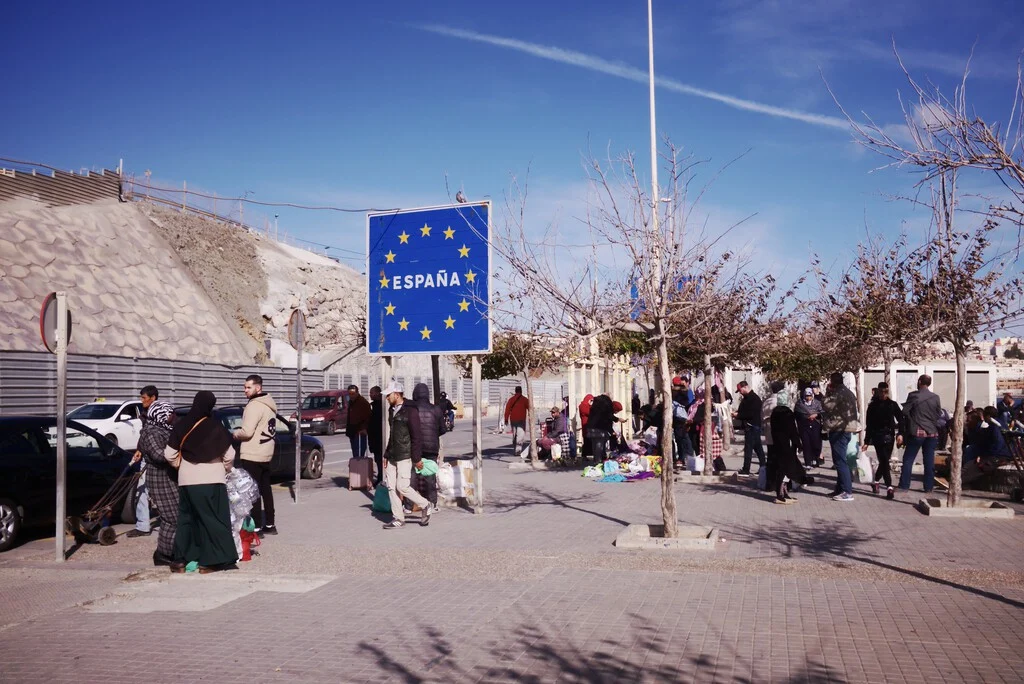

The autonomous city of Ceuta is currently grappling with an unprecedented humanitarian and logistical challenge following a surge in irregular migration, leading the Spanish government to implement urgent measures to stabilize the region’s telecommunications infrastructure. The Ministry of Inclusion, Social Security, and Migration has confirmed the approval of an emergency contract with telecommunications giant Telefónica to install three high-capacity public WiFi access points. This initiative, designed to provide immediate internet connectivity in areas housing migrant populations and emergency personnel, circumvents standard public procurement processes due to the critical nature of the situation.
The Context of the Connectivity Crisis
The necessity for this infrastructure stems from the sudden, massive influx of individuals into Ceuta, which has placed significant strain on existing public services and digital networks. In recent weeks, the concentration of migrants, combined with the heightened presence of state security forces, medical teams, and non-governmental organizations (NGOs), has resulted in severe network congestion in key areas, particularly near the Centre for Temporary Stay for Immigrants (CETI) and temporary encampments.
Digital connectivity has evolved from a convenience into an essential tool for humanitarian operations. For migrants, access to the internet is a lifeline, facilitating communication with families, accessing legal information, and coordinating with aid organizations. For the authorities and NGOs, reliable network access is vital for the logistical coordination of medical assistance, identification processes, and the management of emergency resources.
Chronology of Government Intervention
The decision to fast-track the installation of these WiFi points follows a series of incremental interventions aimed at restoring network stability in the city:
- Initial Surge: Following the record number of arrivals, local cellular networks experienced significant degradation in service quality, preventing basic communication in the vicinity of the border and migrant housing facilities.
- Mobile Unit Deployment: Recognizing the failure of static infrastructure, the government authorized Orange to deploy a mobile base station—often referred to as a "COW" (Cell on Wheels)—to reinforce mobile signal capacity in the areas surrounding the CETI.
- Ministerial Visit: During a recent official visit to Ceuta, Minister of Inclusion, Social Security, and Migration, Elma Saiz, assessed the ongoing humanitarian response, leading to the immediate directive to establish permanent, high-capacity public WiFi points.
- Emergency Contracting: The Ministry, citing the urgent need to maintain administrative and humanitarian order, awarded the contract to Telefónica. The selection of Telefónica was based on its existing, robust network footprint within the autonomous city, ensuring the fastest possible deployment without the delays inherent in a standard public bidding process.
Technical Implications and Network Management
The deployment of these three WiFi points is not merely an act of providing free internet; it is a tactical effort to offload traffic from mobile networks that are currently operating well beyond their designed capacity. In mobile telecommunications, when a dense population gathers in a specific area, the localized cell towers become overwhelmed by simultaneous data requests, leading to "call drops" and internet latency that affects everyone in the vicinity, including local residents and essential services.
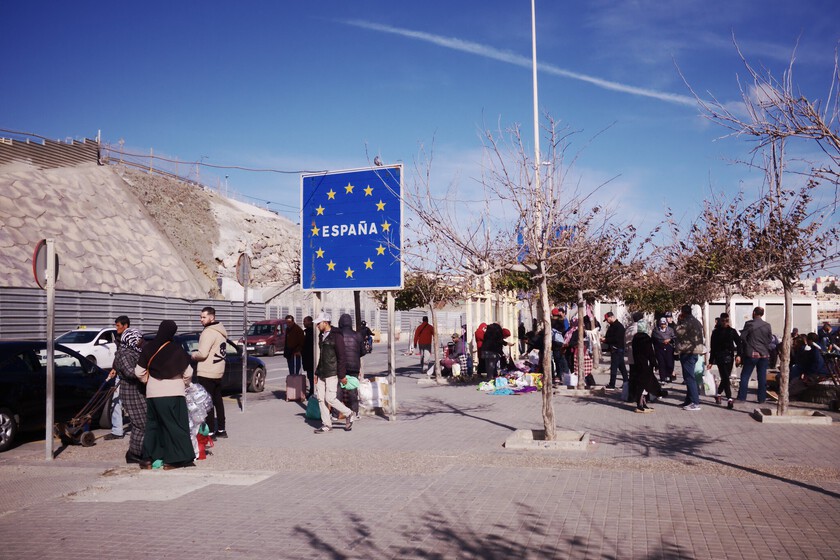
By offloading data traffic to a dedicated WiFi network, the government aims to restore the "resilience" of the broader network. This technical strategy is common during major public events, such as music festivals or political demonstrations, but its application here highlights the severity of the load currently placed on Ceuta’s infrastructure.
Official Responses and Stakeholder Positions
The government’s decision has drawn varied reactions from stakeholders. Telefónica, the primary contractor, has maintained a neutral stance, declining to provide specific technical or political commentary regarding the contract, treating it as a standard infrastructure deployment.
Orange, which had already been tasked with strengthening the network, issued a formal statement emphasizing its commitment to infrastructure stability: "We have reinforced the capabilities of our networks to contribute to guaranteeing the continuity, quality, and resilience of communications. Our commitment is to ensure that citizens, companies, public administrations, and emergency services have the best connectivity capabilities at all times."
Conversely, the initiative has sparked political debate. The organization Hazte Oír has publicly announced its intention to file a complaint with the Public Prosecutor’s Office, questioning the legal basis for using emergency funds for this specific project. This legal challenge underscores the polarizing nature of immigration policy in Spain, where even administrative decisions regarding basic infrastructure become entangled in wider ideological disputes.
Broader Impact: The Role of Public WiFi in Modern Migration
The situation in Ceuta highlights a growing trend in how governments manage modern humanitarian crises. Digital inclusion is increasingly recognized by international bodies as a fundamental requirement for the dignified treatment of displaced persons. In many cases, the ability to maintain contact with the outside world is a key factor in reducing anxiety and social tension within crowded temporary housing facilities.
However, the rapid deployment of such technology also raises questions regarding digital security and data privacy. Public WiFi networks, especially those deployed in high-pressure emergency environments, require rigorous cybersecurity protocols to protect users from potential data interception or malicious activity. It is expected that the network deployed by Telefónica will comply with standard institutional security requirements, though the scale of the user base presents a unique challenge for network administrators.

Economic and Strategic Analysis
From a strategic perspective, Ceuta’s geographic isolation makes it particularly vulnerable to infrastructure failures. Unlike mainland Spanish cities, which have redundant fiber-optic and cellular links to a wide array of service providers, Ceuta relies on specific undersea cables and a limited number of high-capacity towers.
The emergency contract represents a pragmatic approach to the "Digital Divide" that often exacerbates humanitarian crises. Without such intervention, the digital isolation of the migrant population could lead to increased social friction, as the local population would face degraded mobile services. By separating the traffic, the government is essentially creating a parallel "humanitarian intranet" that allows the state to manage the crisis while simultaneously fulfilling its responsibility to provide connectivity.
Future Outlook
As the situation in Ceuta continues to evolve, the sustainability of these WiFi points will remain under review. While they are currently labeled as "emergency" infrastructure, the ongoing nature of migration flows suggests that these points may become a permanent fixture of the city’s public service landscape.
The government’s reliance on major telecommunications firms like Telefónica and Orange suggests a model where the state acts as the coordinator, while private entities provide the physical infrastructure. This public-private partnership is likely to serve as a blueprint for future infrastructure deployments in regions facing similar demographic shifts.
The success of this initiative will be measured not only by its technical performance—ensuring that calls and data traffic remain stable—but also by its ability to mitigate the administrative backlog that occurs when thousands of people are processed in a short period. As the government continues to navigate these challenges, the integration of digital infrastructure into humanitarian relief will likely become a standard, rather than an extraordinary, feature of emergency response protocols across the European Union.
Ultimately, the deployment of these WiFi networks in Ceuta serves as a case study for the intersection of technology, migration, and public policy in the 21st century. It underscores the reality that in an increasingly connected world, the ability to communicate is a critical component of state security, public order, and basic human dignity. The upcoming days will be crucial in observing how these new access points function and whether they provide the relief necessary to stabilize the current communications landscape in the autonomous city.
