
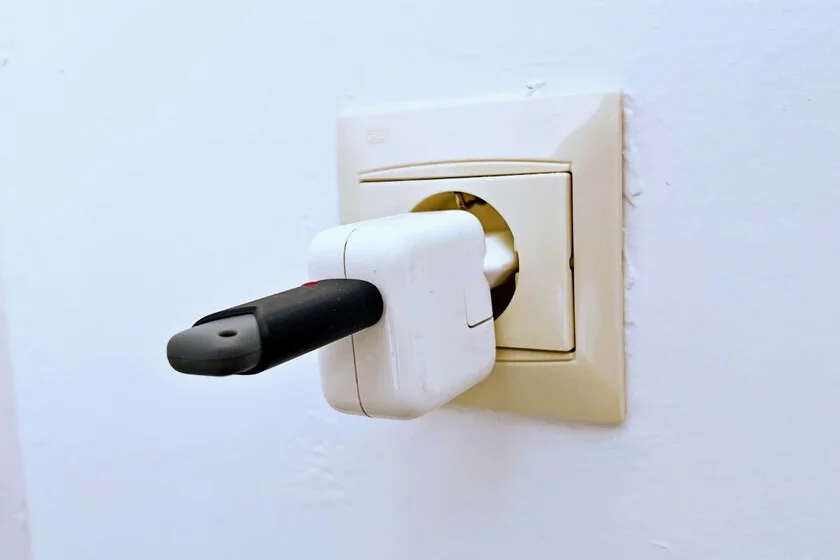

The Mechanism of Power Delivery in USB Architecture
To understand the interaction between a power adapter and a USB flash drive, one must first comprehend the communication protocols inherent in modern charging standards. USB technology, originally designed for data transmission, evolved into a dual-purpose medium capable of delivering significant wattage.
In a standard computer environment, a USB port serves two functions: data exchange and power supply. When a peripheral device, such as a memory stick, is inserted, a "handshake" protocol occurs. The host computer identifies the device and allocates a specific amount of current—typically 500mA for USB 2.0 or 900mA for USB 3.0—to ensure safe operation.
Conversely, dedicated wall chargers operate on a different logic. Modern fast chargers, particularly those utilizing Power Delivery (PD) protocols, are designed to negotiate voltage and amperage. When a smartphone is plugged in, it communicates its power requirements to the adapter. Without this digital negotiation, the charger defaults to its lowest output setting, typically 5V at a minimal amperage. Because a flash drive lacks a sophisticated power-management integrated circuit (PMIC) to request high voltage, it simply draws the negligible current required to energize its internal controller and LED indicator, provided the charger is functioning within standard specifications.
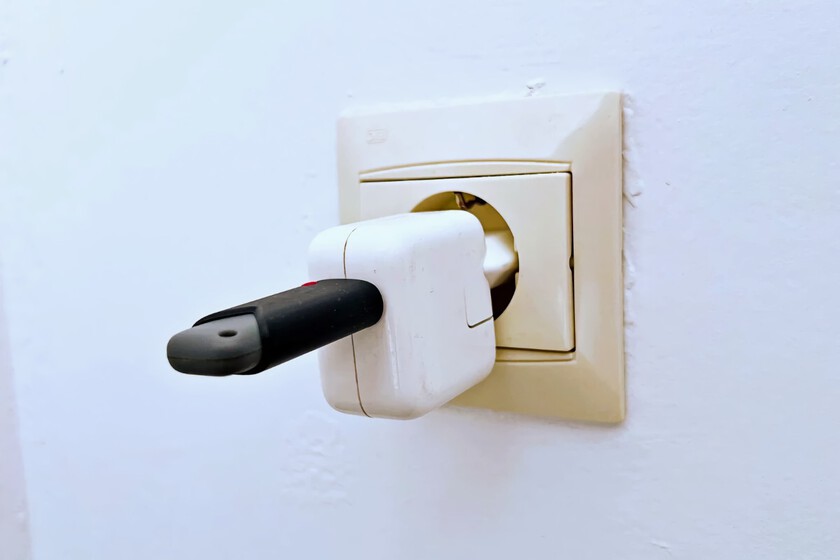
Experimental Findings and Safety Observations
Controlled tests conducted on various storage media—ranging from legacy 8GB drives to modern 32GB units—consistently demonstrate that connecting these devices to standard power bricks results in nothing more than the activation of status LEDs. When using a 10W USB-A adapter, the power delivery is direct and constant. In experiments involving high-wattage 68W USB-C chargers paired with appropriate converters, the outcome remains identical: the flash drive receives only the bare minimum of energy required for standby operation.
The absence of damage in these scenarios is attributed to the inherent design of modern power supplies. They are current-limited; they do not "push" power into a device unless that device "pulls" it. However, the integrity of the experiment relies entirely on the quality of the power adapter.
Risks Associated with Uncertified Power Adapters
The primary danger in this scenario is not the flash drive, but the power supply unit (PSU) itself. The market is saturated with low-cost, uncertified chargers that often lack basic safety features such as short-circuit protection, over-voltage protection, and thermal regulation.
When using an uncertified or "knock-off" adapter, the risk profile shifts significantly. A faulty transformer or poor soldering within the adapter could lead to voltage spikes or leakage current. In such cases, the flash drive—which is not designed to handle electrical surges—could suffer permanent damage. While the device will not explode due to the absence of an internal lithium-ion battery, it can undergo thermal degradation. Specifically, the internal components, such as the NAND flash memory and the controller chip, may burn out, or the USB pins themselves may melt, rendering the device useless and causing a total loss of stored data.

Historical Context and the Persistence of the Myth
The curiosity surrounding this topic gained traction in the early 2010s, coinciding with the proliferation of USB wall chargers for smartphones. As users began using these adapters for non-charging devices—such as USB-powered desk fans, lights, and eventually flash drives—videos began circulating on platforms like YouTube, documenting the "experiment."
These videos, while often framed as "hacks," have contributed to a misunderstanding of how peripheral power works. Over the past decade, the ubiquity of USB-C and the standardization of charging protocols have made these experiments less relevant, yet the query persists in consumer support forums. Industry experts generally categorize this behavior as a "non-use case," noting that the purpose of a flash drive is data transport, and a wall outlet provides no path for data.
Broader Implications for Device Longevity
Beyond the immediate technical outcome, the trend of connecting peripherals to unintended power sources highlights a broader consumer issue: the lack of understanding regarding peripheral power limits. While a flash drive is unlikely to cause a house fire, connecting devices that draw high power—such as external hard drives or USB-powered hubs—to low-quality adapters can lead to overheating, equipment degradation, and in extreme cases, electrical fires.
Regulatory bodies such as the International Electrotechnical Commission (IEC) have established rigorous standards for power adapters to mitigate these risks. Consumers are encouraged to look for safety certification marks, such as the CE mark in Europe, UL in the United States, or CCC in China. These marks indicate that the device has passed standardized testing for electromagnetic compatibility and safety, ensuring that even if a device is misused, the charger is designed to fail safely rather than cause secondary damage.

Summary of Technical Risks
| Hazard Type | Cause | Potential Outcome |
|---|---|---|
| Electrical Spike | Uncertified power brick | Permanent hardware failure; loss of data |
| Thermal Damage | Faulty voltage regulation | Melting of plastic casing or internal pins |
| Circuit Failure | Poor isolation in adapter | Damage to the USB controller chip |
| No Risk | Certified, quality charger | Normal, safe standby operation |
Conclusion: A Pointless Endeavor
In summary, while the act of plugging a flash drive into a wall charger is not inherently dangerous when using high-quality, certified hardware, it is an entirely futile exercise. The device serves no function without a host computer, tablet, or smartphone to facilitate data communication.
The proliferation of this myth serves as a reminder of the need for better consumer education regarding electrical standards. As the world moves toward the mandate of a "universal charger" for portable devices, the interoperability of hardware is increasing. However, this does not grant the user license to treat power delivery systems as universal ports for any device with a compatible plug. For the average user, the best advice remains simple: power adapters should be reserved for the devices they were designed to charge, and flash drives should remain connected to data-capable host ports. Attempting to bridge the two is a technological dead end that offers no benefit and carries unnecessary, albeit minor, risks to the equipment involved.
