
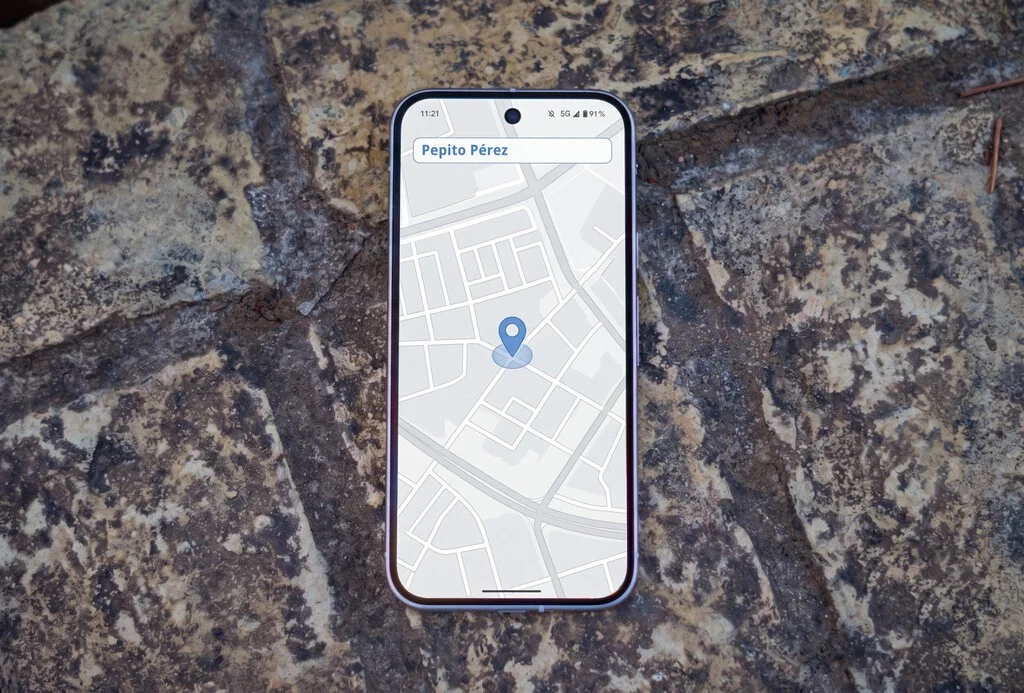

The pervasive notion that one can pinpoint an individual’s precise geographical location simply by entering their phone number into a device or online service is a widespread misconception, largely fueled by internet hoaxes and fictional portrayals in popular media. Contrary to these persistent bulos (hoaxes), the technological and legal realities surrounding location tracking are far more complex and stringent. Attempting to ascertain the whereabouts of a device without the explicit, informed consent of its owner constitutes a significant breach of privacy, an act that is both technically unfeasible through simple means and strictly prohibited by a robust framework of global privacy laws. Modern smartphone operating systems are meticulously designed with default privacy protections that safeguard location data, rendering unauthorized tracking virtually impossible through conventional software means. Consequently, any legitimate and ethical method for sharing or discovering a person’s location invariably necessitates their direct permission, transforming the phone number from a tracking identifier into a secure gateway for establishing a consensual connection. This article delves into the intricacies of location technology, debunks common myths, and outlines the legitimate, consent-based tools available for sharing location data.
The Pervasive Myth of Simple Location Tracking
For years, various online forums, social media posts, and even some sensationalist media have perpetuated the myth that advanced, clandestine methods exist to triangulate a person’s exact position using only their phone number. This idea often conjures images of sophisticated surveillance operations depicted in movies, where a few keystrokes on a computer screen reveal a target’s real-time movements with uncanny precision. These narratives frequently suggest the existence of obscure commands or readily available software that can bypass privacy protocols and governmental regulations with ease. However, this belief fundamentally misunderstands how mobile networks, satellite navigation systems, and data privacy laws operate. The simplistic notion that a phone number alone can unlock such sensitive information is a dangerous oversimplification that can lead individuals to fall victim to scams, attempt illegal activities, or harbor a false sense of security or vulnerability.
Technological Realities vs. Misinformation
Understanding the actual mechanisms of location technology is crucial to dispelling these myths. A smartphone’s location is typically determined through a combination of several technologies, each with varying degrees of accuracy and requiring specific permissions:
- Global Positioning System (GPS): This is the most accurate method, relying on signals from a constellation of satellites orbiting Earth. The phone’s GPS receiver calculates its position based on the time it takes to receive signals from multiple satellites. This process occurs within the device and does not inherently broadcast its location to the cellular network or external parties without explicit user consent for an application to access it.
- Wi-Fi Positioning System (WPS): When GPS signals are weak or unavailable (e.g., indoors), phones can use Wi-Fi networks. By scanning nearby Wi-Fi access points and comparing their unique MAC addresses and signal strengths against a massive database of known Wi-Fi networks and their geographical locations, a device can estimate its position. Again, this is a local process, and the device determines its location; it doesn’t mean anyone with the Wi-Fi network’s details can track the phone.
- Cellular Tower Triangulation: This is the oldest and least accurate method. A phone maintains a connection with multiple cellular base stations (towers). By measuring the signal strength and timing from several towers, the network can estimate the phone’s general area. While cellular carriers possess this network-level information, it is typically less precise than GPS or Wi-Fi and is subject to strict legal access protocols, usually requiring a court order for law enforcement purposes.
Crucially, none of these methods allow a third party to simply "type in a phone number" and receive precise location data. The phone number primarily serves as an identifier for voice calls and SMS messages within the cellular network, and for linking accounts in messaging apps. It does not function as a universal key to unlock real-time GPS coordinates. The misinformation often conflates the phone number’s role in communication with a non-existent role in unauthorized location data retrieval.
The Legal and Ethical Imperative of Consent
The fundamental barrier to unauthorized location tracking is not just technological, but also legal and ethical. Modern privacy legislation around the world unequivocally protects personal location data, classifying it as sensitive information.
- General Data Protection Regulation (GDPR): In the European Union, the GDPR mandates strict rules for collecting, processing, and storing personal data, including location data. It requires explicit, unambiguous consent from the individual for their data to be processed. Companies found in violation face substantial fines.
- California Consumer Privacy Act (CCPA) / California Privacy Rights Act (CPRA): In the United States, particularly in California, similar laws grant consumers greater control over their personal information, including geolocation data, requiring businesses to be transparent about data collection and provide opt-out options.
- Other National Laws: Numerous countries, including Canada (PIPEDA), Brazil (LGPD), and Australia (Privacy Act 1988), have enacted or updated their privacy laws to safeguard personal data, emphasizing consent, purpose limitation, and data minimization principles.
From an ethical standpoint, tracking an individual without their knowledge or consent is a gross invasion of privacy, undermining trust and personal autonomy. It can have severe implications, ranging from harassment and stalking to corporate espionage and unauthorized surveillance. Technology companies, aware of these legal and ethical obligations, design their operating systems and applications with privacy by design principles, ensuring that location services are permission-gated and transparent. This means users are always prompted to grant access to their location, and they retain the ability to revoke that access at any time.

Debunking Specific Myths: The WhatsApp IP Tracking Fallacy
One particularly persistent myth involves the claim that it’s possible to "spy" on a WhatsApp user’s location by using a network command like netstat -an on a computer to reveal their public IP address. This alleged method suggests that by identifying the IP address, one could then trace it back to the user’s physical location.
This claim lacks any technical validity. WhatsApp, like most modern messaging platforms, employs a sophisticated architecture designed to protect user privacy and security. Key reasons why this method fails include:
- Intermediate Servers: WhatsApp utilizes a system of intermediate servers for the reception and delivery of messages. When you send a message, it first travels to WhatsApp’s servers, where it is stored temporarily (often encrypted) before being forwarded to the recipient’s device. This "store and forward" mechanism acts as a crucial shield. The IP address revealed by
netstat -anduring a WhatsApp communication would belong to one of WhatsApp’s vast data centers, not to the end-user’s device. These data centers are globally distributed, making it impossible to pinpoint an individual user’s location from their IP address. - End-to-End Encryption: WhatsApp messages are protected by end-to-end encryption, ensuring that only the sender and intended recipient can read the content. While encryption primarily secures message content, it is part of a broader security philosophy that prioritizes user privacy. The platform is fundamentally designed to prevent unauthorized access to user data, including location, unless it is voluntarily shared.
- Dynamic IP Addresses: Most residential internet users and mobile devices are assigned dynamic IP addresses by their Internet Service Providers (ISPs). These addresses change periodically, making it difficult to link a specific IP to a fixed location over time, even if one could somehow obtain a user’s actual IP address.
Therefore, the idea of tracing a WhatsApp user’s location via their IP address is a technologically unfounded claim. The platform’s robust security features ensure that no one can determine a user’s whereabouts unless that information is shared voluntarily and explicitly within the application’s designated location-sharing features.
Legitimate Methods for Location Sharing: The Foundation of Consent
With the myths dispelled, it becomes clear that legitimate location sharing is always built upon the bedrock of express permission. Smartphones offer several user-friendly tools for this purpose, integrated directly into their operating systems or popular applications. These tools transform the phone number into a facilitator, allowing individuals to connect and share their locations securely and consensually.
Native Operating System Solutions: Seamless Integration
For users within the same ecosystem, native applications offer the most integrated and often the most reliable methods for location sharing.
-
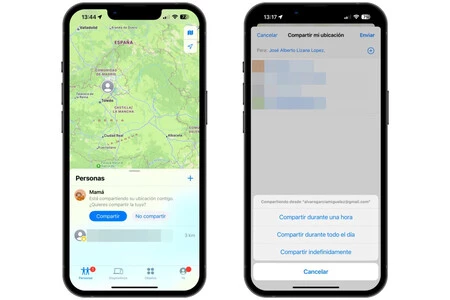
Apple’s ‘Find My’ Ecosystem: For individuals using Apple devices (iPhones, iPads, Macs, Apple Watches), the native ‘Find My’ application (formerly ‘Find My Friends’ and ‘Find My iPhone’) is the primary platform for location sharing. This application is built upon a robust privacy framework, allowing users to:
- Share My Location: Users can choose to share their current location with specific contacts for a set period (one hour, until end of day, or indefinitely). This is initiated from the ‘Find My’ app itself or via Messages.
- Request Location: A user can send a request to a contact to share their location. The contact receives a notification and must explicitly approve the sharing.
- Family Sharing: Within an Apple Family Sharing group, parents can view the location of their children’s devices, provided the child’s device is linked to the family account and appropriate parental controls are enabled. This feature is designed with parental oversight in mind and requires initial setup and consent from the family organizer.
- Lost Device Recovery: ‘Find My’ is also critical for locating lost or stolen Apple devices, a feature that relies on the device’s last known location and, in newer models, a crowd-sourced network of other Apple devices to report its location, even when offline.
The process typically involves opening the ‘Find My’ app, navigating to the "People" tab, tapping "Share My Location," and selecting a contact or entering their phone number/Apple ID. The recipient then receives an invitation to view the sender’s location.
-
Google’s Android and Maps Offerings: Google provides similar functionalities for Android users, often integrated with its ubiquitous Google Maps application and its ‘Find My Device’ service.
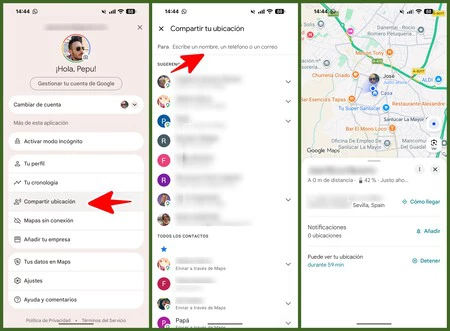
- Google Maps Location Sharing: This is arguably the most straightforward method for Android users and even cross-platform sharing. Users can share their real-time location with specific contacts for a defined duration (e.g., 1 hour, 8 hours, or until disabled) or indefinitely. The process is initiated from within the Google Maps app:
- Open Google Maps.
- Tap on the profile icon (top right).
- Select "Location sharing."
- Tap "Share location."
- Choose the duration and select contacts from your phone or by entering their email/phone number.
- The chosen contact receives a notification and can view the location within their Google Maps app.
- Google’s ‘Find My Device’: Similar to Apple’s ‘Find My,’ this service helps users locate, lock, or erase a lost Android device. It requires the device to be registered to a Google account. While primarily for personal device management, it underscores Google’s capability to access location data with user consent for specific services.
- Google Family Link: For parents and guardians, Google offers Family Link, a parental control application that allows for monitoring and managing a child’s Android device. If a child’s account is part of a Google family group and Family Link is configured, parents can view the child’s device location. This is a powerful tool for child safety, always requiring initial consent and setup within the family group.
- Google Maps Location Sharing: This is arguably the most straightforward method for Android users and even cross-platform sharing. Users can share their real-time location with specific contacts for a defined duration (e.g., 1 hour, 8 hours, or until disabled) or indefinitely. The process is initiated from within the Google Maps app:
Bridging the Gap: SMS-Based Temporary Sharing (e.g., Glympse)
Not everyone uses the same smartphone ecosystem, nor do all individuals have the latest apps or abundant storage. For situations where a quick, temporary, and friction-free location share is needed without requiring app installations or account creation, SMS-based solutions offer an excellent alternative.
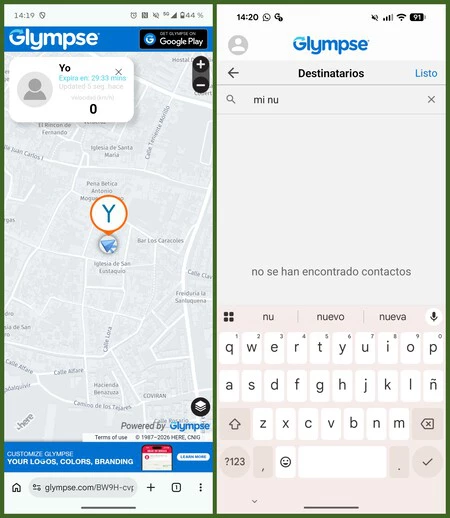
- Glympse: An exemplary application in this category is Glympse. Its primary advantage lies in its ability to initiate a location sharing request to anyone via their phone number, regardless of their device type or whether they have the Glympse app installed. The recipient simply opens a web link sent via SMS in any web browser to view the sender’s real-time location for a specified period.
- Initiating a Glympse Share: The sender installs the Glympse app, chooses to share their location, sets a duration, and then selects the recipient’s phone number. Glympse sends an SMS with a secure link.
- Recipient Experience: The recipient clicks the link, which opens a map in their web browser, displaying the sender’s location without needing to download an app, create an account, or share any personal data.
- Privacy-Focused: Glympse emphasizes privacy, with shares being temporary and automatically expiring. It doesn’t store location history or require recipients to provide personal information. This makes it ideal for one-off meetings, coordinating with less tech-savvy individuals, or ensuring privacy for short-term location needs.
Messaging Apps: The Ubiquitous Solution (WhatsApp, Telegram, Signal)
While the myth of WhatsApp IP tracking has been debunked, messaging applications remain the most widely adopted and convenient method for consensual location sharing today. Their ubiquity and ease of use make them the default choice for coordinating meetings, ensuring safety during travel, or simply letting friends know your whereabouts.
- WhatsApp and Telegram: These platforms leverage the phone number as an identifier to connect users and facilitate real-time location sharing. Even if a contact is not saved in the phone’s address book, users can share their location with them within a chat.
- Real-time vs. Static Location: Both apps allow sharing of either a static current location (a single point in time) or a real-time location that updates for a chosen duration (15 minutes, 1 hour, 8 hours). Real-time sharing is particularly useful for tracking progress during travel or coordinating dynamic meetups.
- Process (WhatsApp example):
- Open a chat with the desired contact or group.
- Tap the attachment icon (paperclip on Android, ‘+’ on iOS).
- Select "Location."
- Choose "Share Live Location" and select the duration, or "Send your current location."
- The location appears in the chat, and recipients can view it on a map.
- User Control: Crucially, users have full control over when to start and stop sharing. It’s a critical reminder to manually deactivate live location sharing once it’s no longer needed, especially as continuous GPS usage can significantly drain battery life.
- Privacy-Focused Alternatives (Signal, Viber): Apps like Signal and Viber also incorporate secure location sharing features, aligning with their core emphasis on extreme privacy and end-to-end encryption. They function similarly to WhatsApp and Telegram, using the phone number as an identifier to open a secure map interface where users can voluntarily share their location, always under the umbrella of explicit consent.
Broader Implications: Balancing Convenience, Safety, and Privacy
The discussion around location tracking underscores a fundamental tension in the digital age: the desire for convenience and safety versus the imperative of privacy. Legitimate location sharing tools offer undeniable benefits:
- Safety: Allowing family members to track a loved one’s journey provides peace of mind.
- Coordination: Meeting friends in a busy city or coordinating travel plans becomes significantly easier.
- Emergency Services: In emergencies, consented location data can be life-saving.
However, the proliferation of misinformation surrounding unauthorized tracking methods highlights a broader societal challenge. False beliefs can lead to:
- Security Vulnerabilities: Individuals might download malicious "tracking apps" that compromise their device security or steal personal data.
- Erosion of Trust: Misinformation can foster paranoia and distrust in legitimate technological safeguards.
- Legal Consequences: Attempting to track someone without consent, even if technically unsuccessful, can have legal repercussions depending on jurisdiction.
The ongoing evolution of privacy regulations and the continuous efforts of technology companies to enhance security features reflect a growing global consensus on the importance of digital privacy. Users are increasingly empowered with granular controls over their data, requiring them to be proactive in understanding and managing their privacy settings.
In conclusion, the idea of effortlessly tracking someone’s exact location by merely possessing their phone number is a myth, unsupported by technological reality and prohibited by law. Modern smartphones and messaging applications are built with robust privacy protections and require explicit consent for location sharing. While convenient and secure tools exist for consensual location sharing, these are fundamentally different from the illicit and impossible methods often sensationalized. Understanding these distinctions is paramount for fostering a secure, ethical, and informed digital environment.
