
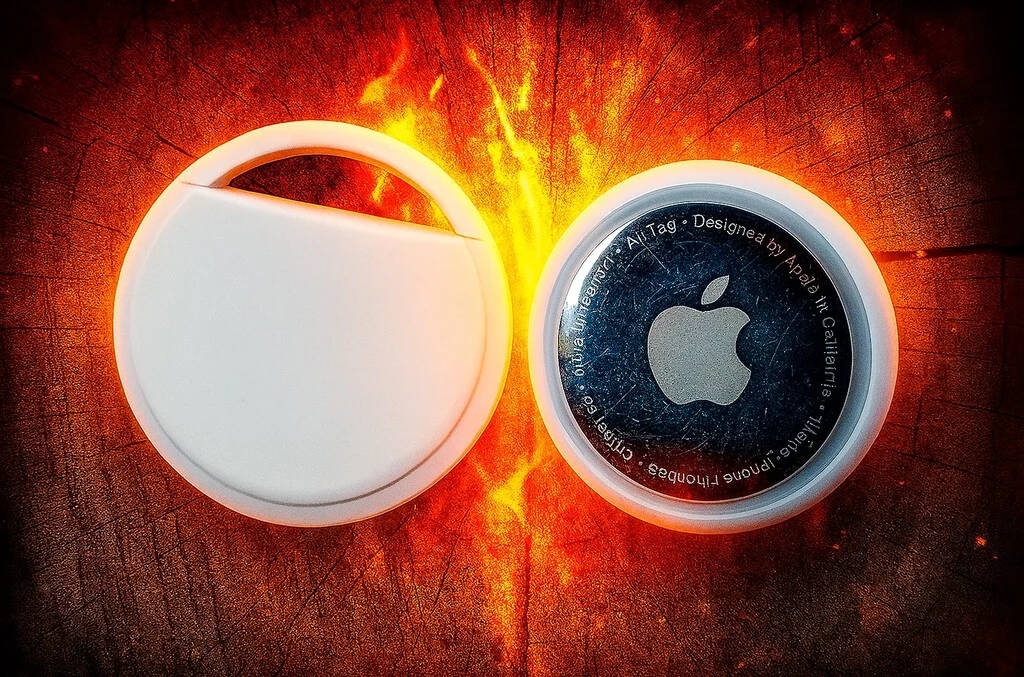

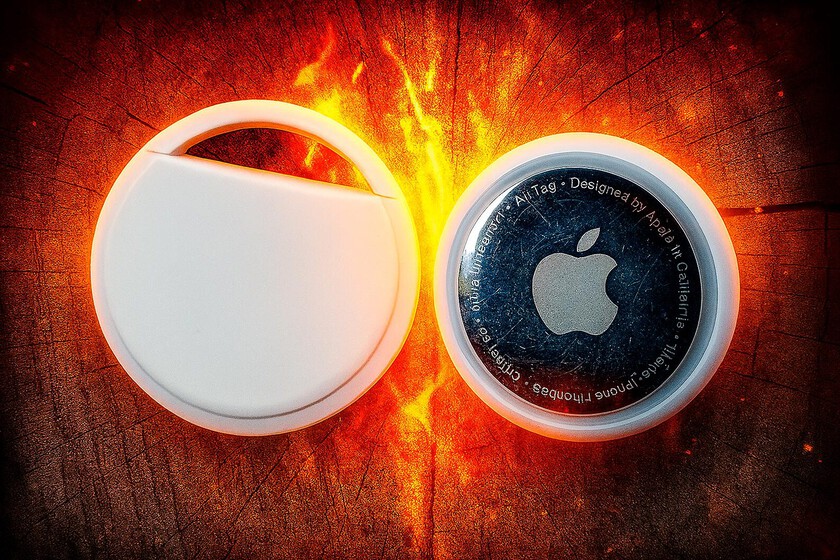
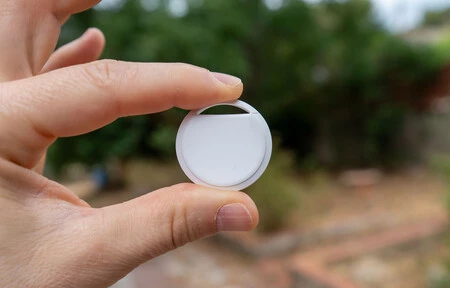
A recent acquisition of a low-cost Android-compatible smart tag from AliExpress, priced at just over eight euros, has demonstrated a surprising level of efficacy, performing on par with Apple’s acclaimed AirTag. This development signals a significant maturation of the Android ecosystem for item tracking, making advanced localization technology more accessible to a global audience. The user, having previously relied on an Apple AirTag for an iPhone, ventured into the Android alternative with skepticism, only to find its performance "much better than expected," prompting plans for further purchases. This finding underscores a pivotal moment for Android users, who now have a robust and affordable solution for tracking personal belongings, effectively democratizing a technology previously dominated by Apple’s proprietary system.
The Evolution of Item Tracking: From Niche to Mainstream
The concept of attaching small electronic devices to personal items to prevent loss or aid recovery is not new. Early iterations of Bluetooth trackers emerged years ago, offering basic proximity alerts. However, these often suffered from limited range and inconsistent performance, relying solely on the direct Bluetooth connection to the user’s phone. The true revolution in item tracking began with the integration of crowd-sourced networks, where a vast number of active smartphones anonymously detect nearby trackers, relaying their location data back to the owner. This network effect significantly extended the effective range of these devices, transforming them from simple proximity alarms into powerful global tracking tools.
Apple’s Pioneering Role with AirTag
Apple formally entered this market with the launch of its AirTag in April 2021. Leveraging its massive global network of hundreds of millions of active iPhone, iPad, and Mac devices, Apple’s "Find My" network provided an unprecedented level of coverage and precision. AirTags utilize Bluetooth Low Energy (BLE) for general tracking and Ultra-Wideband (UWB) technology for "Precision Finding" within close proximity, allowing users to pinpoint an item’s exact location in a room with directional arrows and haptic feedback. This combination of a vast network and advanced precision set a new benchmark for item trackers, albeit within Apple’s closed ecosystem, requiring an iPhone, iPad, or Mac for full functionality.
Google’s Strategic Response and the Rise of Android’s Find My Device Network
For years, Android users lacked a comparable, integrated solution. While various third-party Bluetooth trackers existed, they often relied on their own, smaller, and less effective proprietary networks. Google’s "Find My Device" service primarily focused on locating lost Android phones, tablets, and Wear OS devices. However, recognizing the growing demand and Apple’s success, Google strategically moved to expand its "Find My Device" network.
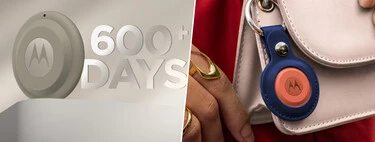
The expansion, which began rolling out in phases, aimed to transform the millions of active Android devices worldwide into a vast, anonymous tracking network similar to Apple’s. This critical development involved opening the network to third-party accessory manufacturers, allowing them to produce trackers compatible with Google’s system. Motorola played a significant role in this transition, being one of the first major brands to launch a dedicated Android-compatible tracker, the Moto Tag. This move by Motorola, a brand with a strong presence in the Android market, signaled Google’s serious commitment to building a robust and open tracking ecosystem.
The subsequent proliferation of more affordable, generic Android-compatible tags on e-commerce platforms like AliExpress is a direct consequence of Google’s open approach. These new devices leverage the newly expanded "Find My Device" network, making the technology accessible to a broader segment of the market at a fraction of the cost of premium alternatives. The author’s successful experience with an eight-euro tag exemplifies this market shift, demonstrating that high performance no longer necessitates a high price or allegiance to a specific brand ecosystem.
Head-to-Head: Performance and User Experience
The practical comparison between the generic Android tag and the Apple AirTag reveals striking similarities in core functionality, with only minor distinctions in user interface and implementation. Both devices offer a reliable and effective solution for locating lost items.
Seamless Setup and Integration
One of the most crucial aspects of any smart accessory is the ease of setup. Both the Android-compatible tag and the Apple AirTag excel in this regard. For the Android tag, simply removing the battery lock immediately prompted detection by the user’s Pixel phone, allowing for quick configuration in just a few steps. This plug-and-play experience ensures that users can integrate these tags into their tracking network without technical hurdles. Similarly, setting up an AirTag on an iPhone involves navigating to the "Find My" app and adding it as a new device, a process designed for simplicity and intuitiveness. In both instances, the tag becomes securely linked to the user’s respective account, ready for tracking.
Real-time Tracking and Mapping
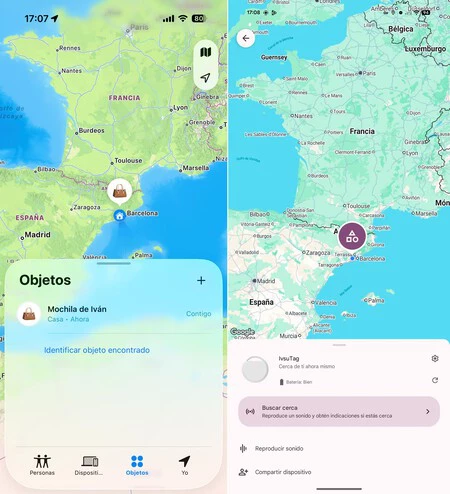
Once configured, both types of tags provide real-time location updates displayed on a map within their respective applications. The tracking experience is fluid and responsive, allowing users to monitor the movement of their tagged items with precision. This real-time capability is essential for tracking items that might be in transit or have been moved since their last known location.
Precision Finding: UWB Implementation
The ability to pinpoint an item’s exact location within a room is a hallmark of modern smart tags, largely facilitated by Ultra-Wideband (UWB) technology. Here, while both platforms deliver excellent results, there are subtle differences in their user interfaces:
- Apple’s AirTag: When using "Precision Finding" on an iPhone, the interface displays clear directional arrows, indicating the exact path to the AirTag. This visual guidance, often accompanied by haptic feedback that intensifies as the user gets closer, creates an intuitive and highly effective search experience.
- Android’s Compatible Tag: The Android equivalent, while equally precise in locating the item, employs a different visual metaphor—a "flower-like" indicator that fills up as the user approaches the tag. While perhaps not as overtly directional as Apple’s arrows, it effectively communicates proximity. The author notes that despite the UI difference, "the result is the same: I can find any object with great precision."
Both systems augment this visual feedback with audible alerts. Upon activating the "play sound" feature in the tracking app, the tags emit a distinct chime, further aiding in the localization of items hidden from view. This combination of visual cues, proximity indicators, and audible alerts makes retrieving lost items remarkably straightforward on both platforms.
Cross-Platform Tracking Sharing
An often-overlooked but highly practical feature is the ability to share access to a tracked item with others. Both Android and iOS platforms support this functionality, allowing users to grant trusted individuals (e.g., family members) the ability to locate a specific tag. This is particularly useful for shared items like car keys or luggage, where multiple users might need tracking capabilities. This shared access feature highlights the maturity and user-centric design of both tracking ecosystems.
The Android Advantage: A Denser Network
While the user experience and performance are remarkably similar, the Android ecosystem possesses a theoretical, yet significant, advantage over Apple’s: the sheer volume of active devices. The effectiveness of any crowd-sourced tracking network is directly proportional to the number of devices participating in it. More devices mean a denser network, increasing the likelihood that a lost tag will be detected and its location relayed.
According to global mobile operating system market share statistics, Android commands approximately 74% of the worldwide mobile market, with iOS accounting for the remainder (StatCounter Global Stats, as of recent data). This overwhelming majority translates into a vast network of potential "Find My Device" nodes. In regions with high Android penetration, an Android-compatible tag is statistically more likely to come within range of another Android device, thereby updating its location more frequently and reliably than an AirTag in an equivalent scenario where iPhones are less prevalent.
For the author’s personal use, this theoretical advantage did not manifest as a noticeable difference in performance, indicating that both networks are sufficiently dense in their operational environment. However, in less populated areas or regions with skewed OS market shares, the Android network’s broader reach could prove decisive in locating a lost item. This inherent scalability positions Google’s network for potentially superior global coverage, particularly as it continues to expand its reach and third-party partnerships.
Unaddressed Gaps: The Absence of Web Tracking
Despite the advanced capabilities and user-friendly interfaces of both Apple’s "Find My" and Google’s "Find My Device" applications, a notable omission exists across both platforms: the lack of web-based tracking for smart tags. While both companies offer web portals for locating lost phones and tablets, neither provides the functionality to track individual smart tags via a web browser.
This oversight is a significant inconvenience. Imagine a scenario where a user loses their phone, but their keys, equipped with a smart tag, are still available. Without a web interface to track the keys, the utility of the smart tag is severely limited. Similarly, if a user’s primary device (e.g., iPhone for AirTag, Android phone for Android tag) is unavailable or uncharged, accessing the tracking information from a computer or another non-native device becomes impossible. This limitation suggests a missed opportunity for both Apple and Google to enhance the versatility and accessibility of their respective tracking ecosystems. Rectifying this gap would provide users with greater flexibility and peace of mind, ensuring that their valuable items can be located even under challenging circumstances.
Market Implications and Future Outlook
The emergence of highly effective, low-cost Android-compatible smart tags has profound implications for the consumer electronics market and user behavior.
Democratization of Technology
The sub-ten-euro price point for the reviewed Android tag makes advanced object tracking technology accessible to a significantly broader demographic. This affordability lowers the barrier to entry, allowing more consumers to benefit from the peace of mind that comes with being able to locate lost items. This is particularly impactful in regions where premium devices like AirTags might be prohibitively expensive. The ability to purchase multiple tags without a substantial financial outlay means users can tag more of their belongings, from keys and wallets to backpacks and even pets.
Increased Competition and Innovation
Google’s decision to open its "Find My Device" network to third-party manufacturers fosters a competitive environment. This competition is likely to drive further innovation in smart tag design, features, and battery life, while simultaneously pushing prices down. As more manufacturers enter the market, consumers can expect a wider variety of form factors, specialized tags (e.g., waterproof, ultra-thin), and potentially new functionalities. This contrasts with Apple’s more controlled ecosystem, where innovation is primarily driven by Apple itself.
A New Standard for Android Accessories
The success of these inexpensive Android tags also establishes a de facto standard for a new category of Android accessories. Just as Bluetooth headsets and smartwatches have become commonplace, smart tags are poised to become an essential tool for Android users, integrated seamlessly into their digital lives. This paves the way for deeper integration with other Google services and hardware in the future.
Challenges and Opportunities
While the outlook is overwhelmingly positive, there are challenges. Ensuring consistent performance across a multitude of third-party tags, maintaining robust privacy and security features (especially against unwanted tracking), and continuing to expand the global reach of the "Find My Device" network will be crucial for Google. The opportunity, however, lies in solidifying Android’s position as the dominant open platform for smart tracking, potentially even influencing future cross-platform interoperability standards.
Conclusion
The review of the budget-friendly Android-compatible smart tag from AliExpress unequivocally demonstrates that effective item tracking is no longer an exclusive domain of premium, proprietary ecosystems. For just over eight euros, Android users can now enjoy a tracking experience that rivals the efficacy of Apple’s AirTag, complete with real-time location, precise indoor finding, and seamless integration into the "Find My Device" network. The author’s enthusiastic endorsement and intention to purchase more units speak volumes about the product’s value proposition.
While minor user interface differences persist, and the absence of web-based tracking remains a shared drawback for both Apple and Google, the overall performance of these affordable Android tags marks a significant stride. Coupled with the inherent advantage of Android’s vast global device footprint, this development ensures that a wider audience can benefit from advanced object localization. The era of accessible, high-performance item tracking for Android users has truly arrived, promising greater peace of mind and fewer lost belongings for millions worldwide.
